Reviews
Every review at JoyVelo is grounded in a protocol — a defined test methodology with reference devices, repeatable conditions, and quantitative outputs that you can verify in JoyAnalyze. No marketing-driven scoring, no vague impressions, no OEM-spec retreads.
Reviews
Independent, protocol-level reviews of cycling hardware. Bike computers, power meters, radar lights, smart trainers, pedals, and more.

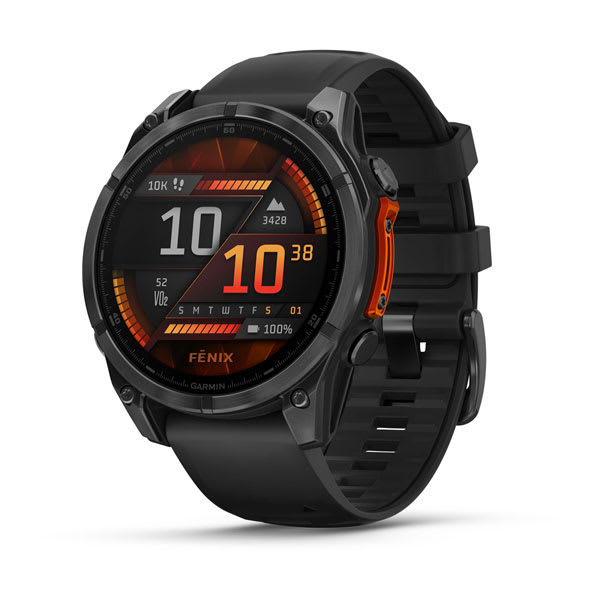
AMOLED display standard, microphone + speaker for calls and offline voice, dive to 40m with leak-proof inductive buttons, redesigned UI merging all Garmin watch lines, solar ring replaces panel, training-readiness 2.0. $999 launch is $200 over the Fenix 7 and $100 over the Epix Pro. JoyVelo internal testing, 4 weeks.

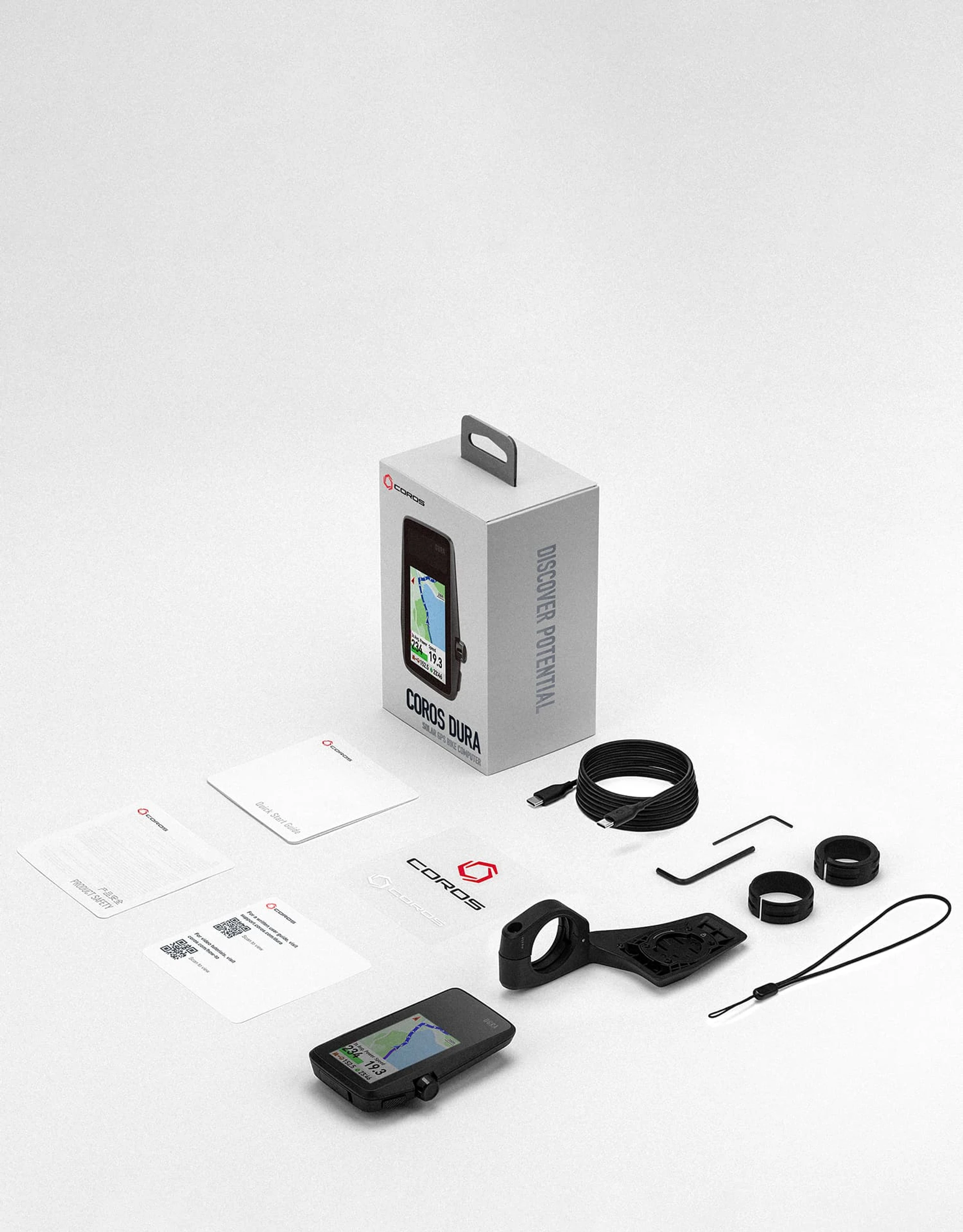
MIP touchscreen, multi-band GNSS, ANT+ + Bluetooth, solar top-up, 97g. Officially 120h battery. In real-world testing the solar panel actually LOSES charge in the sun; the device routed the famous Stelvio climb as 3 separate segments; offline route re-planning draws a straight line to the destination. JoyVelo internal testing, 600 km.

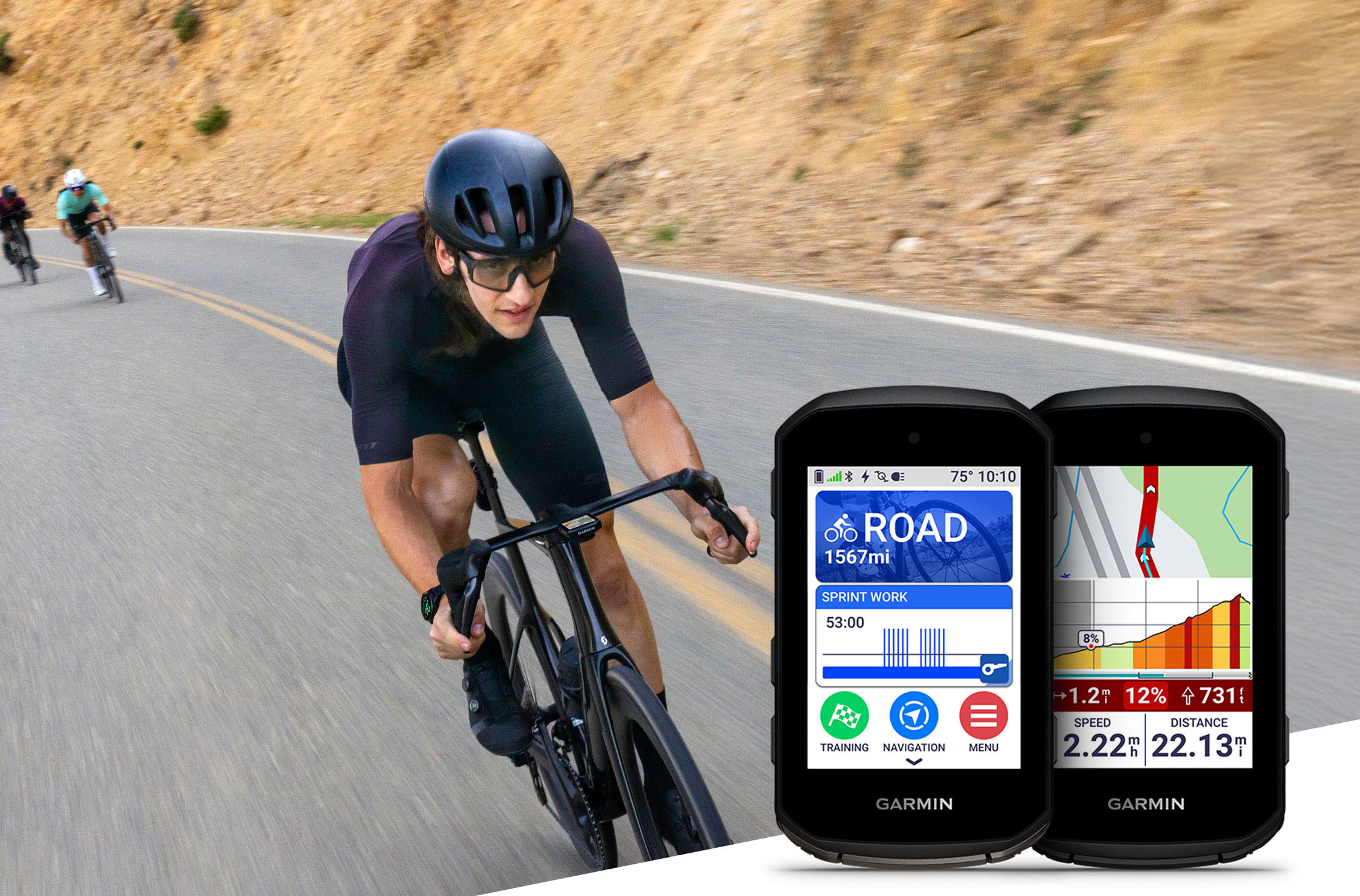
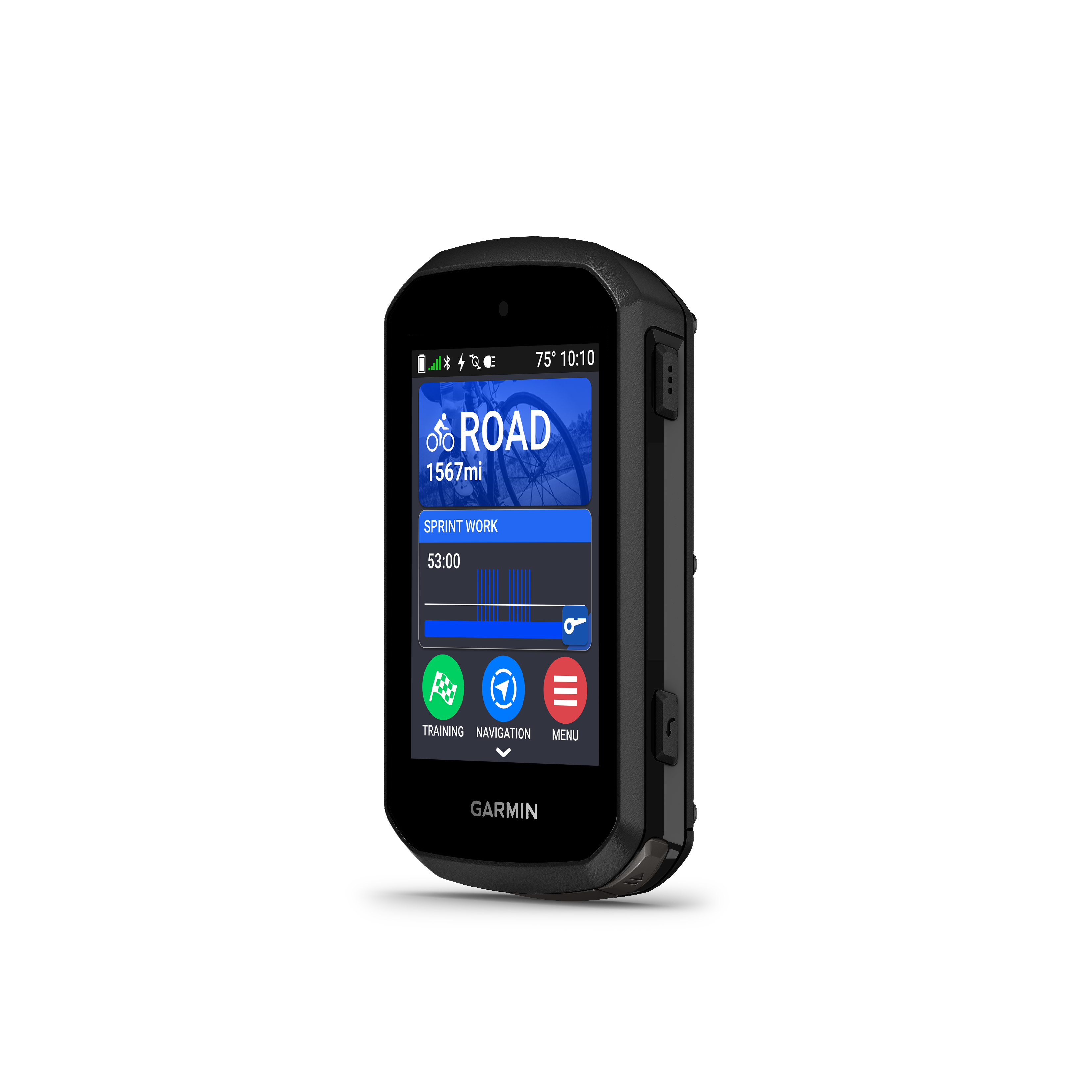
MIP screen with optional Solar version, 7 physical buttons + touchscreen, 26h battery, free ClimbPro (no route required), Climb Explorer, multi-band GNSS, Power Guide, course deviation recovery. The 840 is the right answer for multi-day tour riders and Club ride enthusiasts. JoyVelo internal testing, 1,500 km road + gravel + MTB.

208g (heaviest bike computer on the market), 3.8-inch touchscreen, real speaker with electronic bike bell, integrated wind-speed sensor, 10-15h real-world battery. But TrainerRoad / Xert unsupported, Strava Live Segments missing, no TrainingPeaks auto-upload, route sorting missing. JoyVelo internal testing, 800 km.

7 physical buttons, no touchscreen, no speaker (only a buzzer), no Garmin Pay, 32GB storage, transmissive 2.7" LCD, and 5Hz MTB recording shared with the Edge 850 and 1050. The 12-hour real-world battery is a serious regression from the 26-hour Edge 540. JoyVelo internal testing, 1,200 km.

2.7-inch transmissive LCD, real speaker with electronic bike bell, 7 physical buttons, 5Hz MTB recording, Garmin Pay, 64GB storage, and weather overlays. The new screen cuts real-world battery to 10-12h. JoyVelo internal testing, 1,500 km across road + MTB.

3.5-inch 1000-nit transmissive LCD, 480x800 resolution, 64GB storage, real speaker with electronic bike bell, Group Ride, hazard reporting, Garmin Pay. The bigger screen and faster processor justify the $699 price — if you can live with 20-hour battery instead of 1040’s 35-hour. JoyVelo internal testing, 1,800 km.

3.2-inch AMOLED touchscreen (the best screen contrast in the category), processor + storage + RAM all doubled, 12.5-13h real-world battery, louder buzzer, and a new companion app. SIM card slot removed. JoyVelo internal testing, 1,500 km road + gravel.

The 2020 Garmin Edge 1030 Plus brought a 3.5" touchscreen, 24h battery, and Trailforks integration to $599. Now superseded by the Edge 1050, but still on the used market.

The 2018 Garmin Edge 520 Plus brought maps, incident detection, and Strava Live Segments to $249. Discontinued in 2022, but still on the used market at $80-$120.

The 2020 Garmin Edge 130 Plus is the smallest Edge with a 1.8" display, 12h battery, and $199 MSRP. Still the go-anywhere compact unit.

The 2019 Garmin Edge 830 paired a 2.6" touchscreen with the 530's button layout. Still a strong buy in 2026 at $399 if you can find it.

The 2019 Garmin Edge 530 brought multi-band GNSS, ClimbPro, and a button-only interface to $349. Still competitive in 2026 for button-first riders.

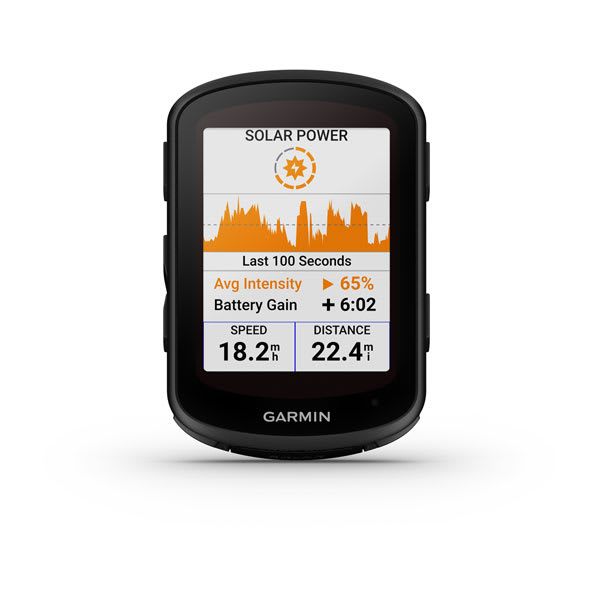
The 2024 Garmin Edge 840 Solar adds solar charging to the 840's touch + button interface, 26h battery (32h with solar), multi-band GNSS, and $499 MSRP. The mid-range Edge to beat.

Is the flagship solar-charging bike computer worth the premium? A 600km brevet and 5,000km of mixed riding put it through its paces.

The mid-range Edge 540 punches above its weight with multi-band GNSS, 26-hour battery, and the same software as the flagship 1040.

The Binavi Air brings a 2.2" color display, ANT+/BT, and 18-hour battery to $129. The cheapest real bike computer in 2026.

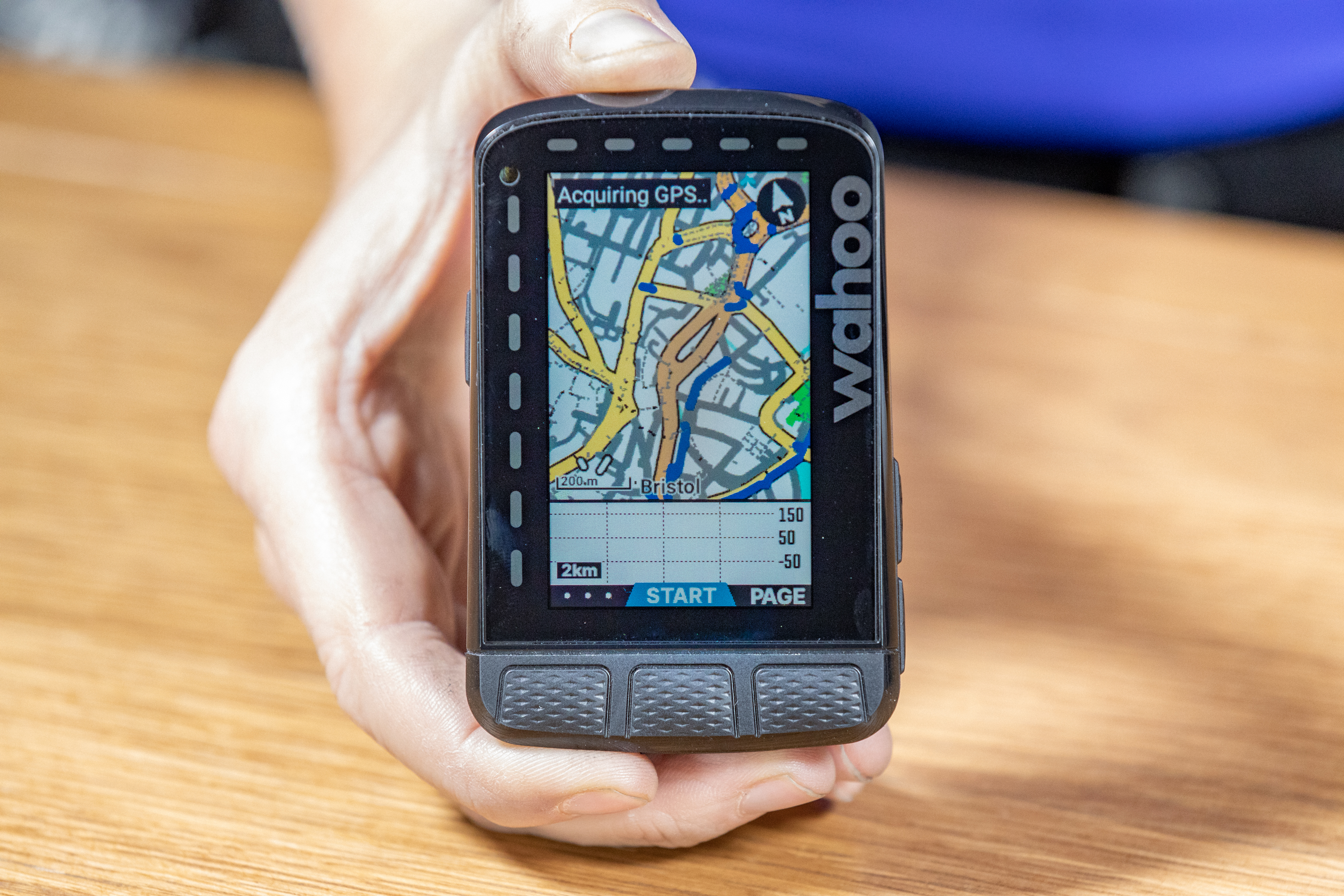
Wahoo’s second-generation Roam brings dual-band GPS, 17-hour battery, and a color touchscreen that challenges the Edge 540 head-on.

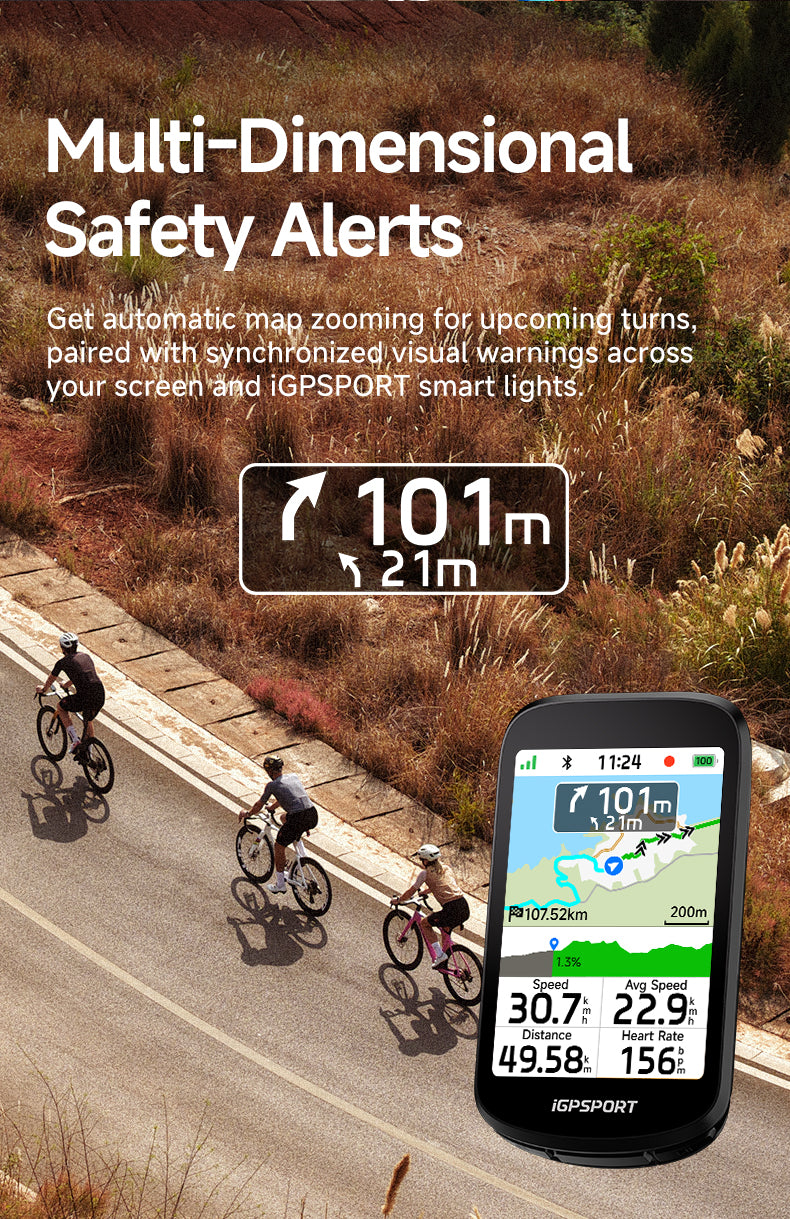
The iGPSPORT BSC500 brings a 2.6" color touchscreen, multi-band GNSS, solar charging, and 28-hour battery to $279.

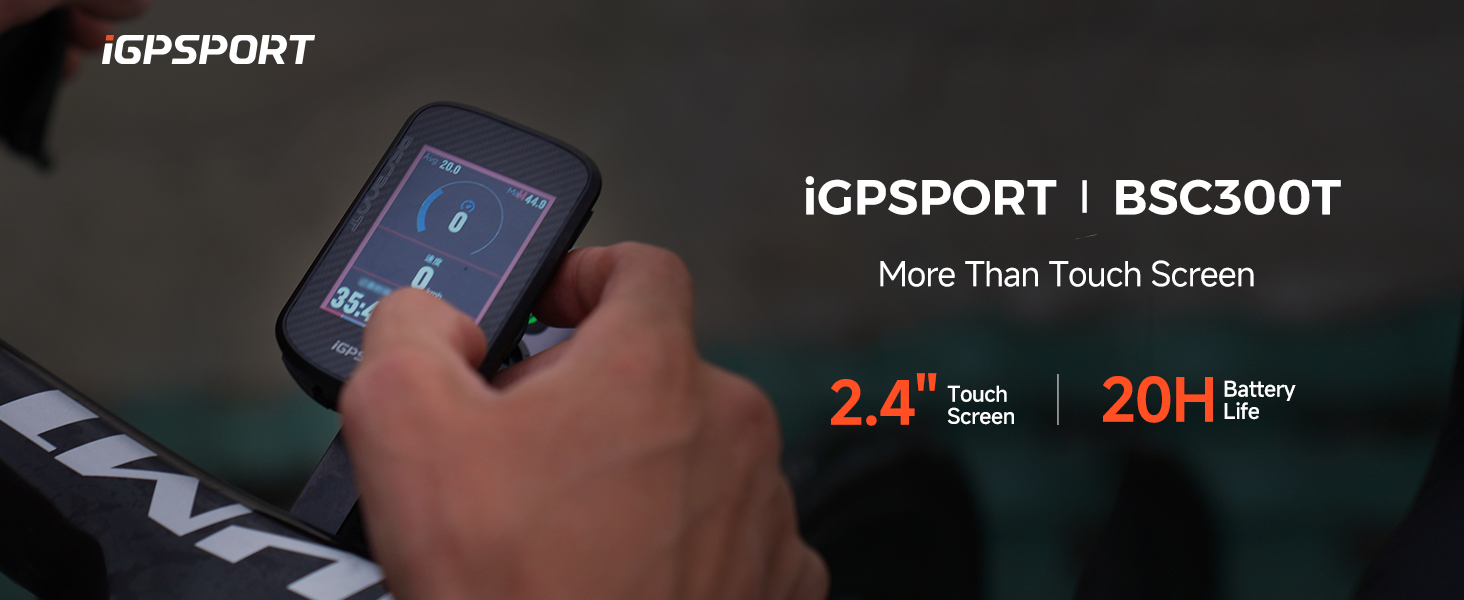
The iGPSPORT BSC300T brings a 2.4" color touchscreen, offline maps, and 22-hour battery to $229. A strong Bryton competitor.

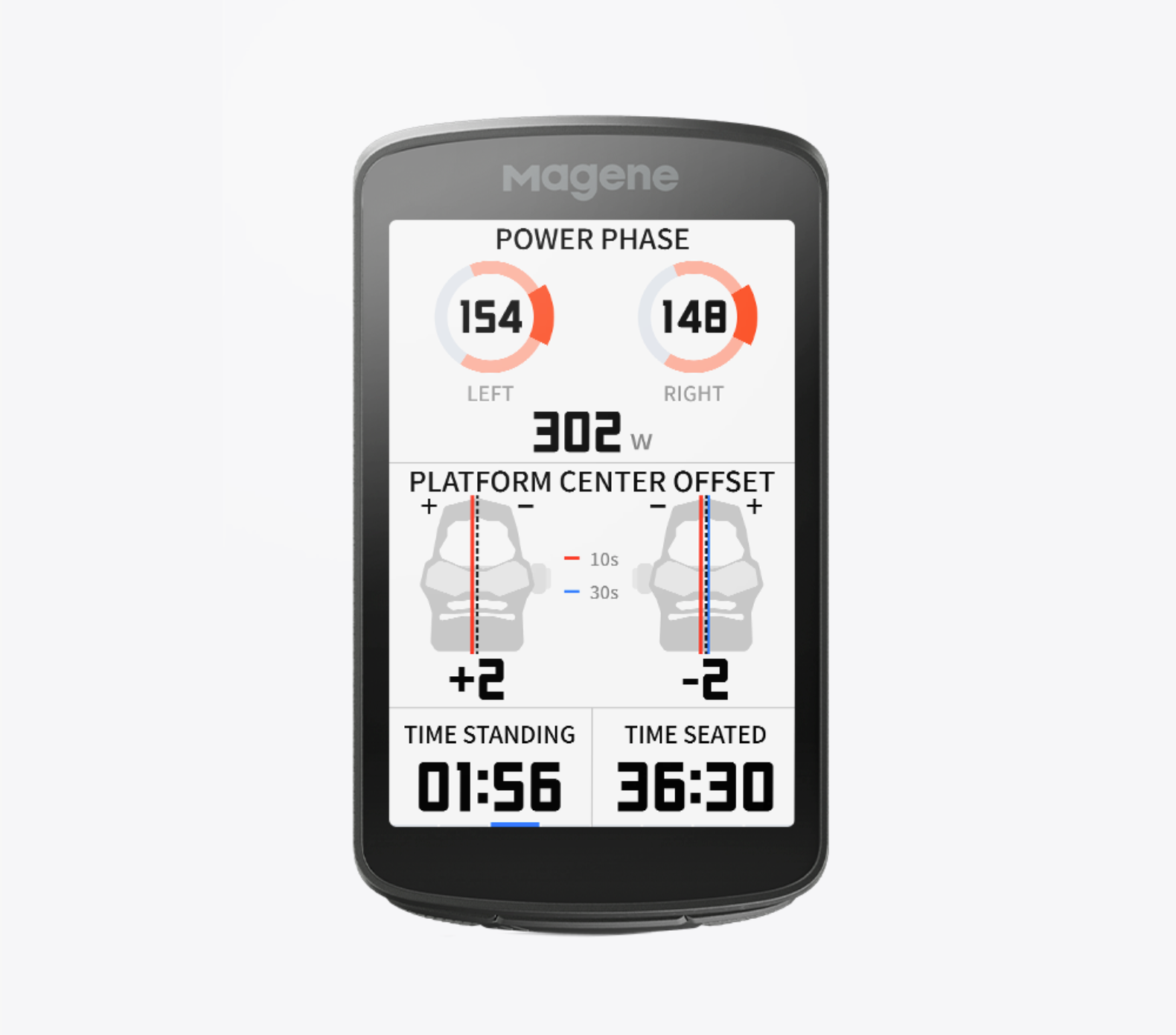
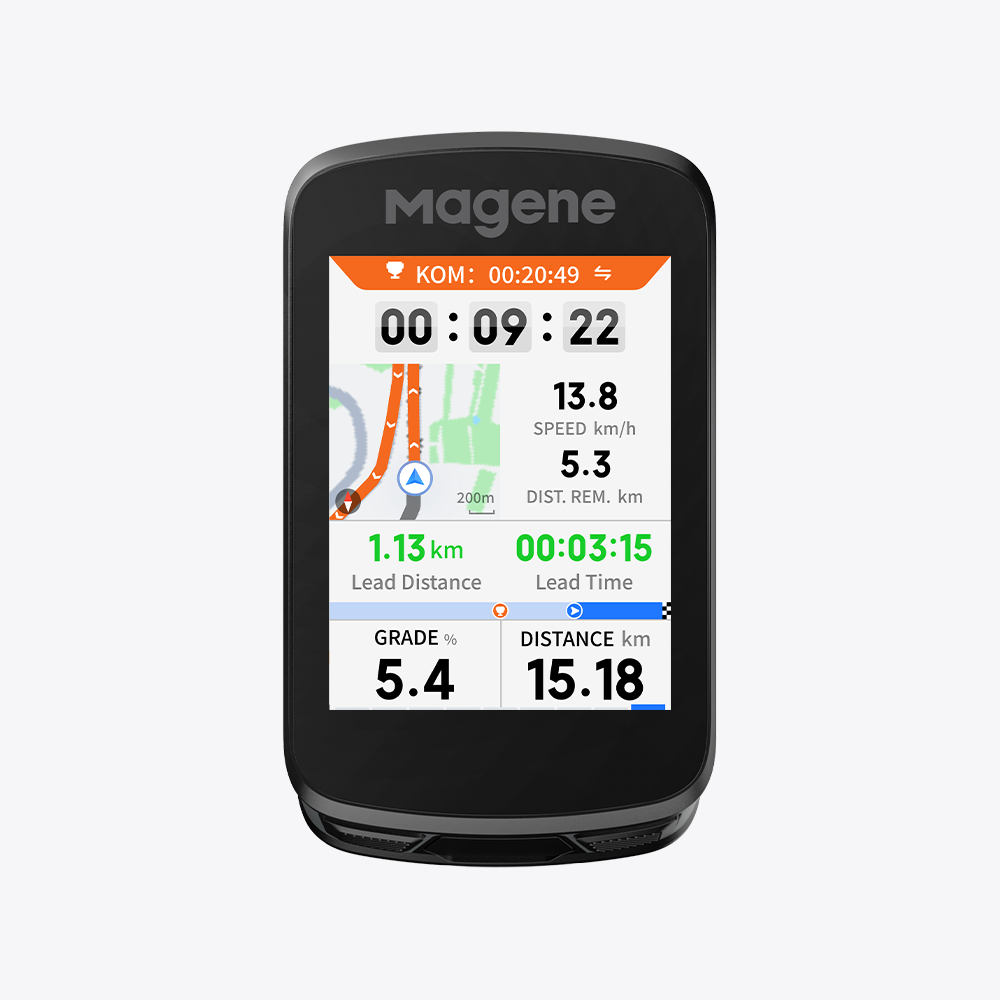
The Magene C606 brings color touchscreen, ANT+/BT, and 20-hour battery to a $199 price. The new budget benchmark.

The Magene C706 brings a 2.8" color touchscreen, multi-band GNSS, and 25-hour battery to a $329 price. A serious Wahoo competitor.

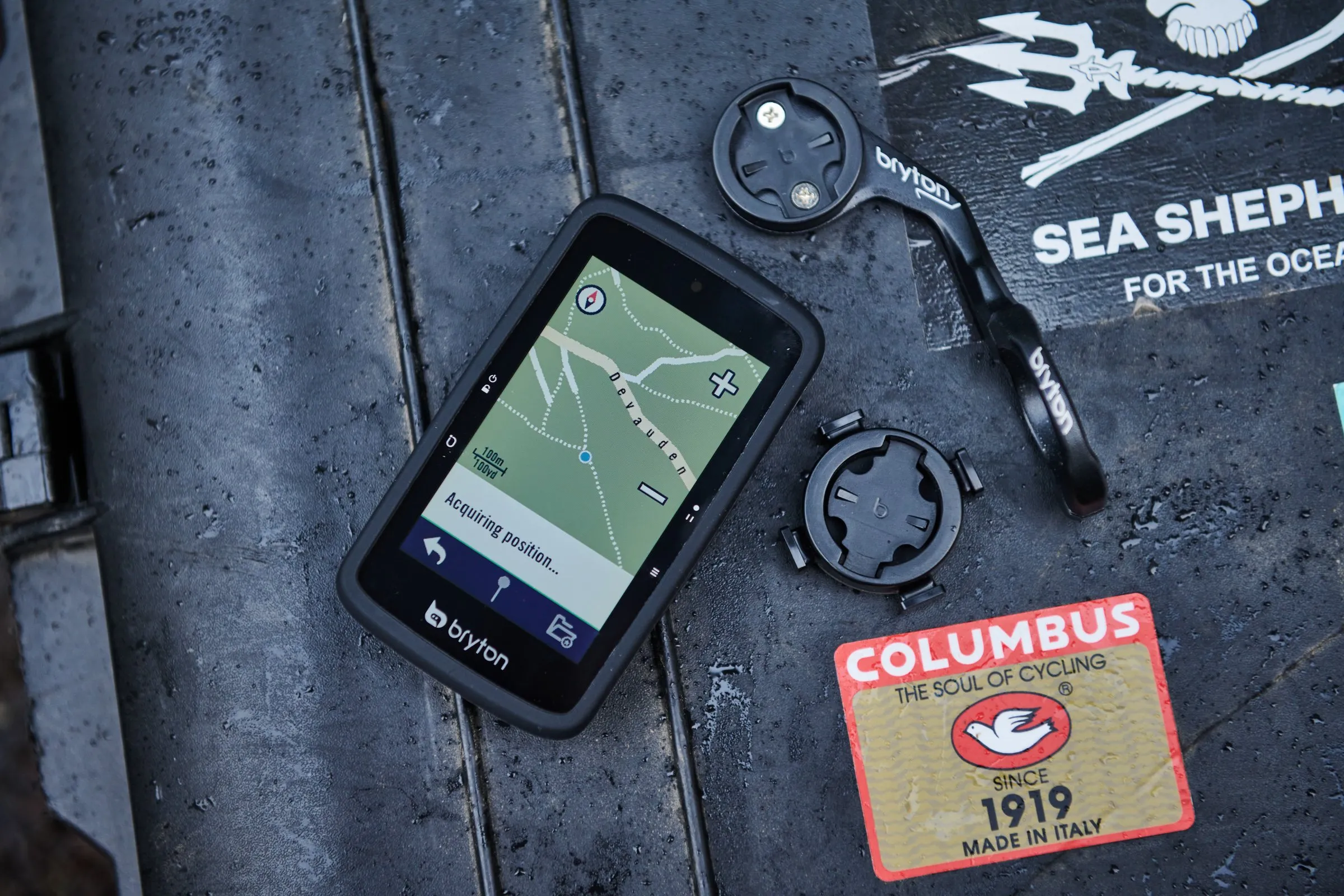
Bryton's new flagship is half the price of Garmin's Edge 1050, with comparable screen, GPS, and battery. After 2,500 km of testing, here's where it wins and loses.