Reviews
Every review at JoyVelo is grounded in a protocol — a defined test methodology with reference devices, repeatable conditions, and quantitative outputs that you can verify in JoyAnalyze. No marketing-driven scoring, no vague impressions, no OEM-spec retreads.
Reviews
Independent, protocol-level reviews of cycling hardware. Bike computers, power meters, radar lights, smart trainers, pedals, and more.

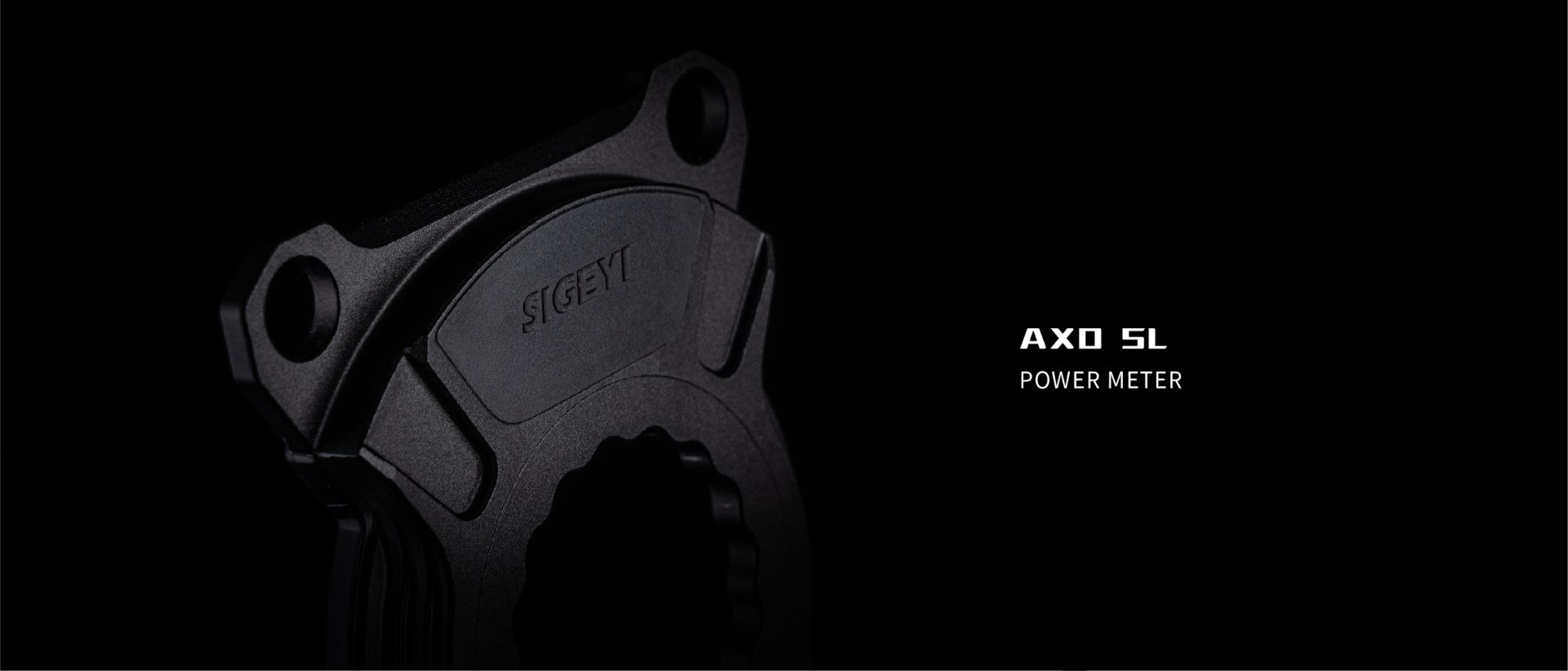
Our first-ride test of the SIGEYI AXO SL spider reproduced a sprint-cadence-sensor failure that renders the power data unusable under hard acceleration: the cadence sensor drops to zero under >1000W load, and the power calculation follows it to garbage. Same failure mode that plagued early Garmin Rally 200 / Vector 3 pedal PMs. 79g, $376 USD. Skip.

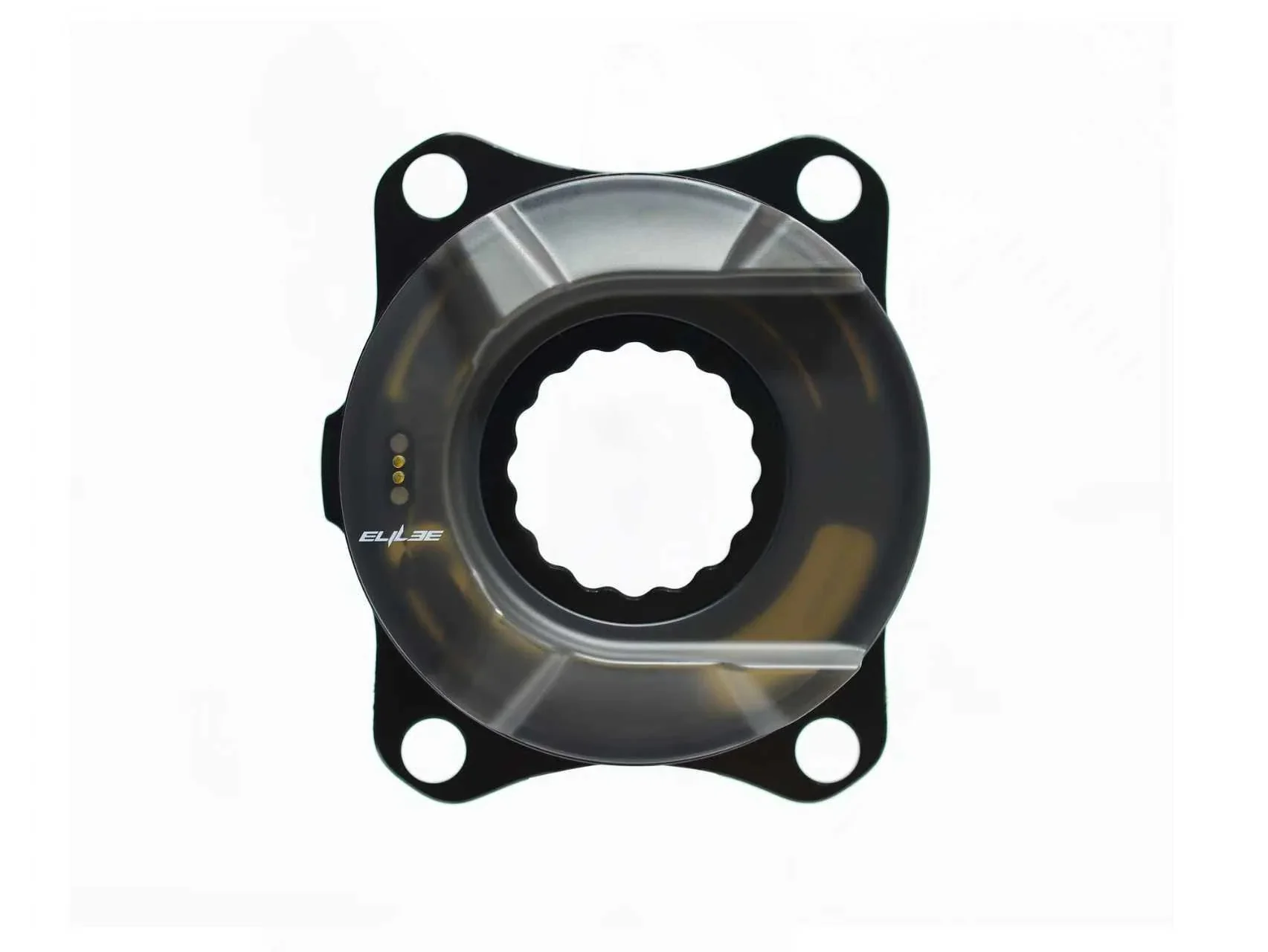
Our two-unit cross-test of the Elilee EK01 spider — aluminum first, then the $1200 AUD carbon as a control — reproduced the same catastrophic failure on both: 4-5 second power/cadence dropout under sprint, residual-torque effect requiring manual re-zero after every hard effort. We paused testing and sent data to the vendor; no fix committed. Skip.

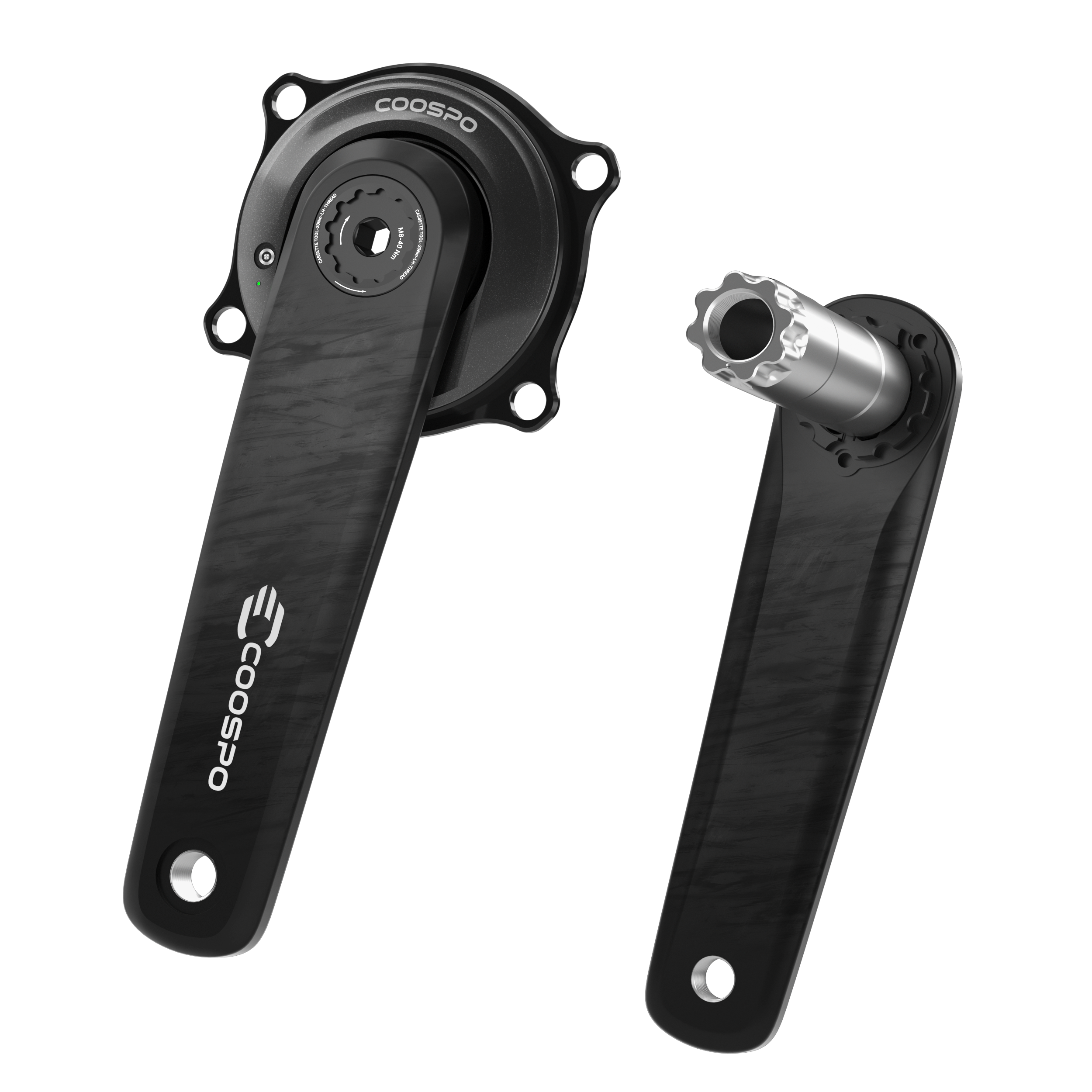
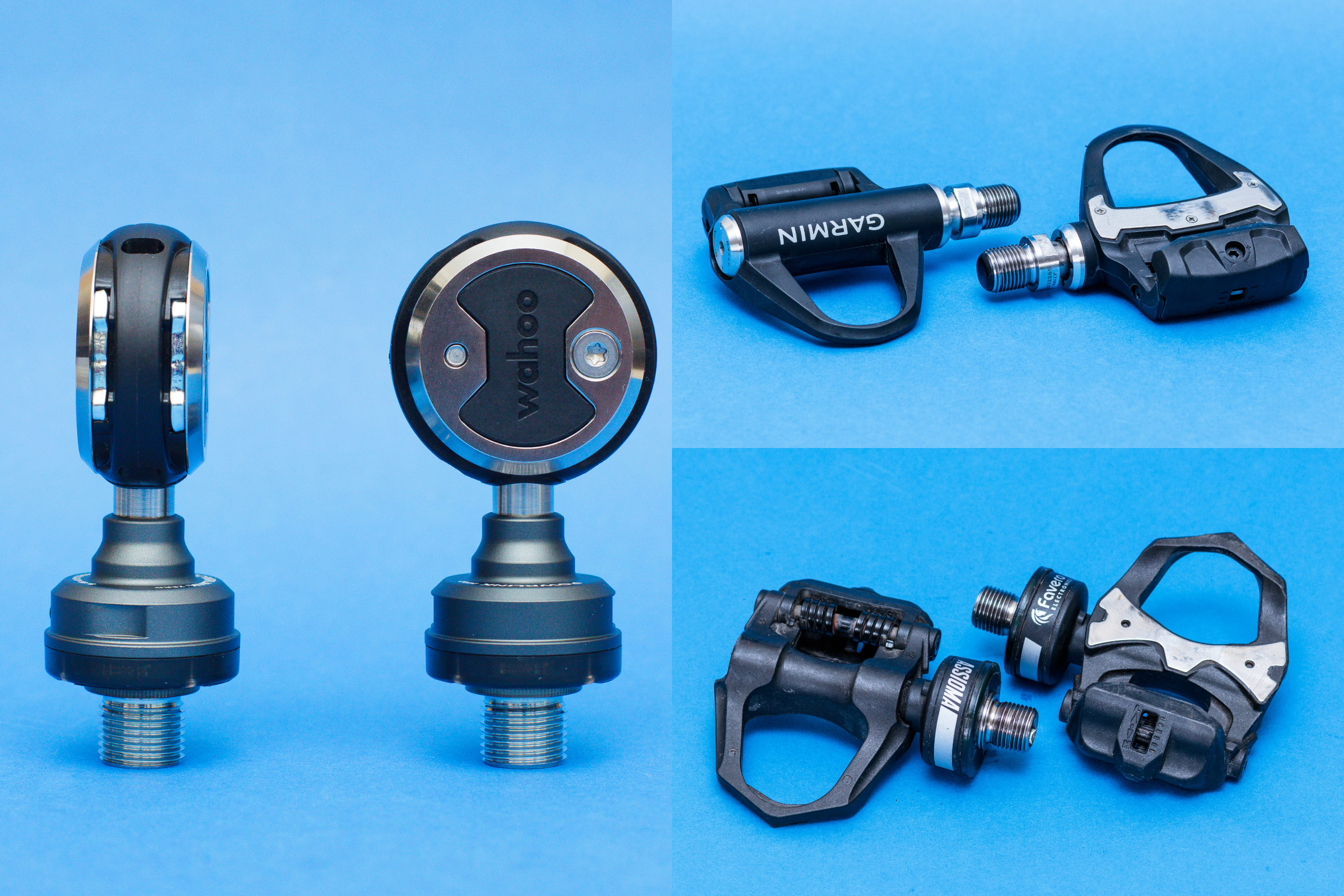
Our cross-test of the Coospo S10 spider against an Assioma Pro RS and a Garmin Rally RS200 reproduced the same hardware-level residual-torque defect that got the ThinkRider PP5 a skip recommendation — plus a 1-second data-transmission delay. The S10 and PP5 share firmware 1.68 and the same Easton Cinch crank interface. At $88, the cheapest spider PM has the least trustworthy data.

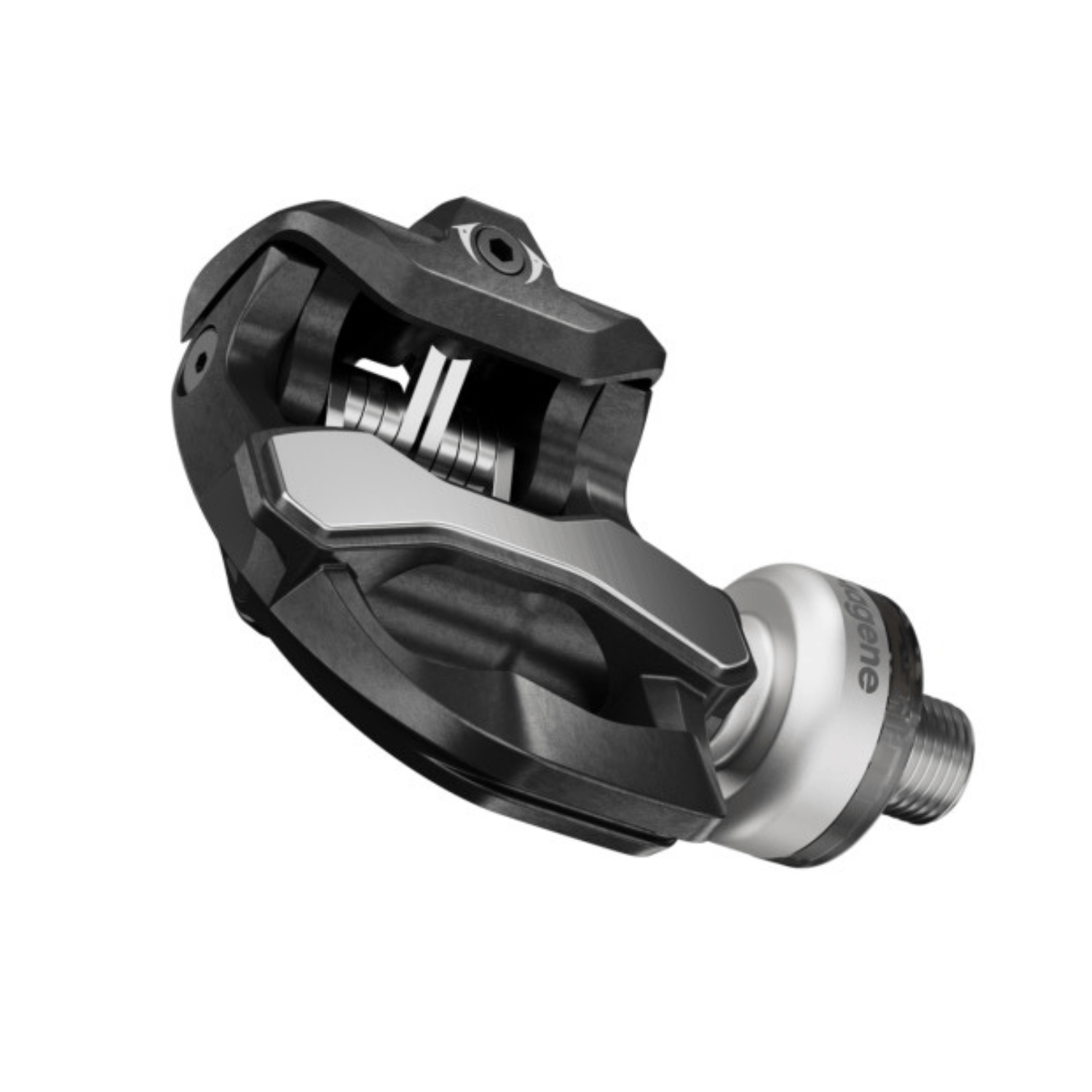
Our two-month test of the Magene P715 SPD-SL found dual-sided power within 2-3W of a Power2Max NGeco reference across every dataset, with 120h battery, IPX7 sealing, 322g measured weight per pair. The catch: a vendor-confirmed pedal-phase bug that locks start angle at 0° (fix promised by end of April 2026). At $499.

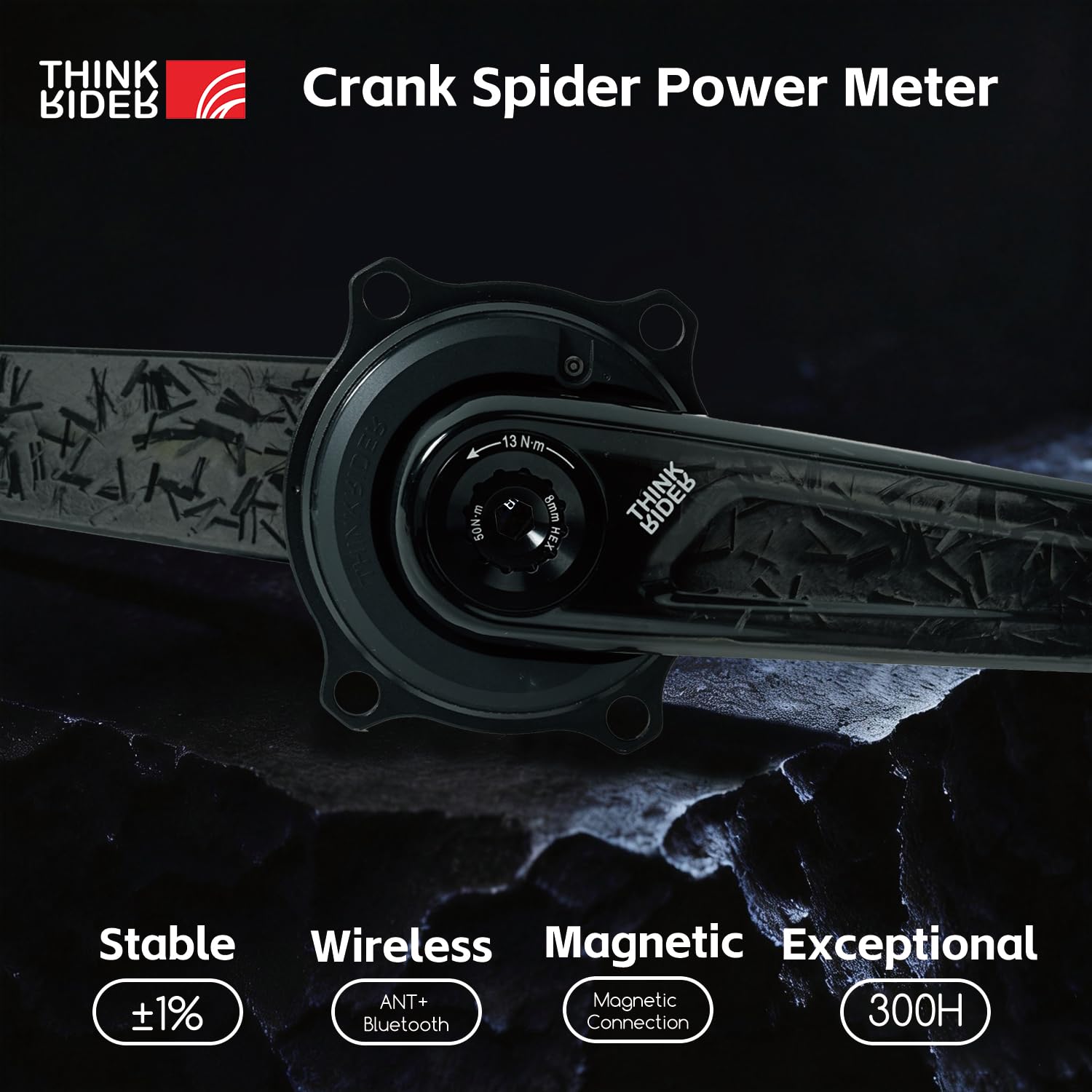
Our two-round test of the ThinkRider PP5 spider found it can drift 18W mid-ride, lose sprint peaks to a cadence dropout, and shift zero offset on every gear change — a power meter that passes the spec sheet on paper and fails the data-integrity check in practice. The PP5 shares firmware 1.68 with the Coospo S10, the same 1.72 update bug, and the same Easton Cinch crank interface. Skip.

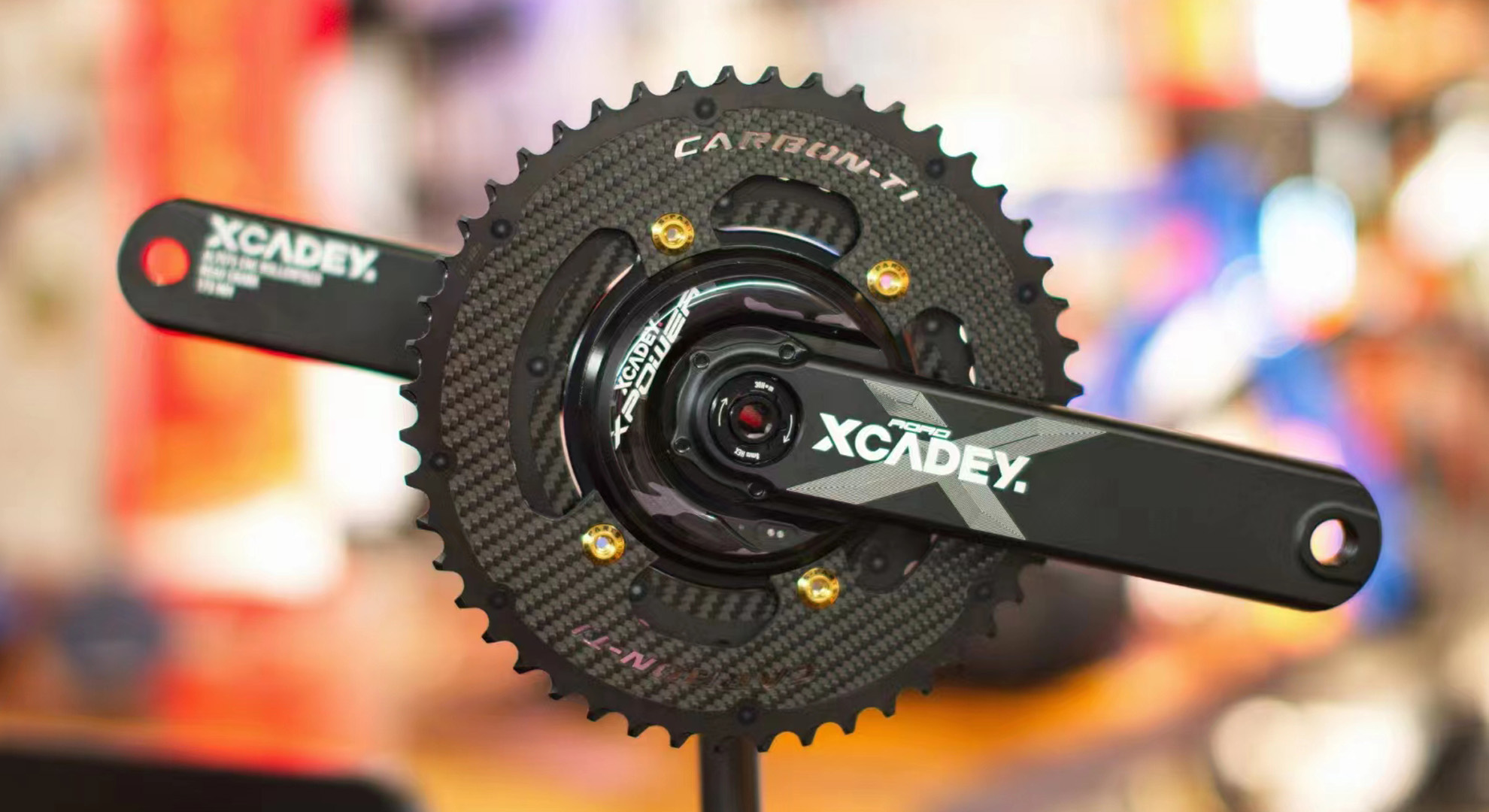
Our two-round test of the second-generation XCadey X-Power S GEN 2 spider found it can drift 18W mid-ride, lose sprint peaks to a cadence dropout, and shift zero offset on every gear change — a power meter that passes the spec sheet on paper and fails the data-integrity check in practice.

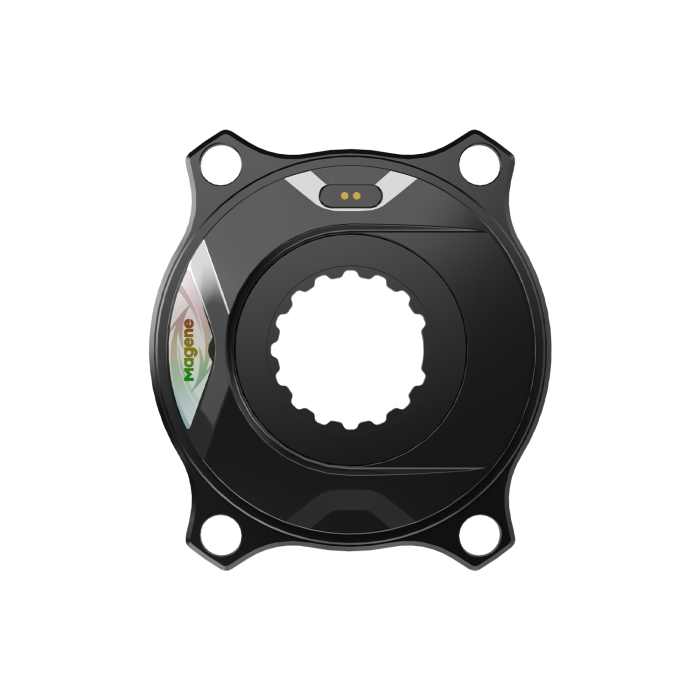
In our head-to-head testing with the Favero Assioma Pro RS, the spider-based Magene P515 matched peak sprint wattage to within one watt (1257 vs 1257, 1309 vs 1308) and showed no cadence dropouts, no residual torque, and no ANT+ sticky-watt artifacts. For a $229–$549 spider, that is unheard of.

Firmware v7.09 (and above) on all Pro spindle pedals boosts claimed battery life from 60 h to 160 h. We tested the update on a PRO MX2 over 6 weeks of road and gravel — the new runtime is realistic, the data is unchanged, and the update process takes 2 minutes.

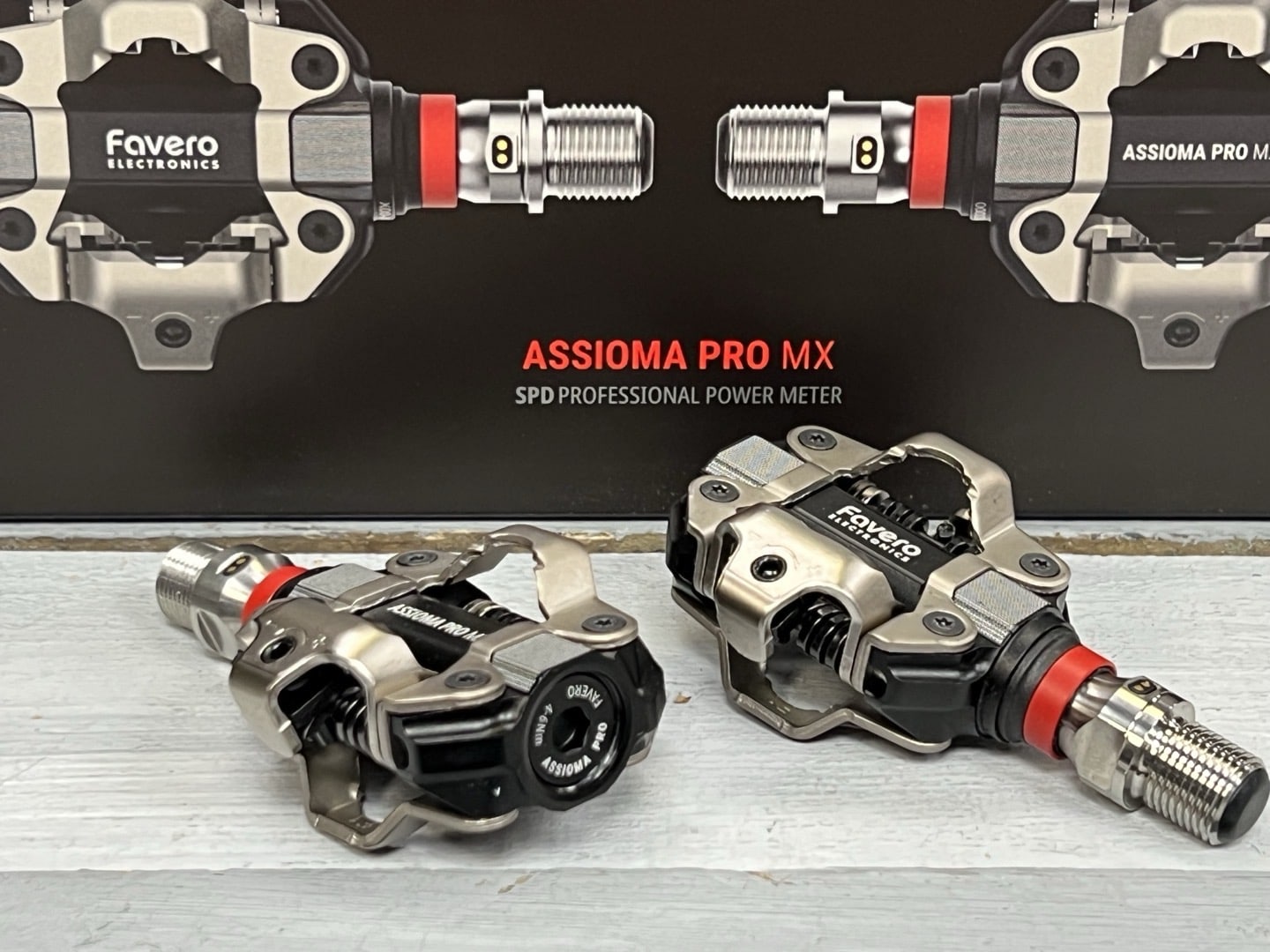
The PRO MX is the SPD version of the Pro spindle — mountain bike, gravel, cyclocross. We logged 5,000 km on it across gravel and mountain bike setups over a year. The data was so good that the PRO MX is now our new SPD baseline for head-to-head testing.

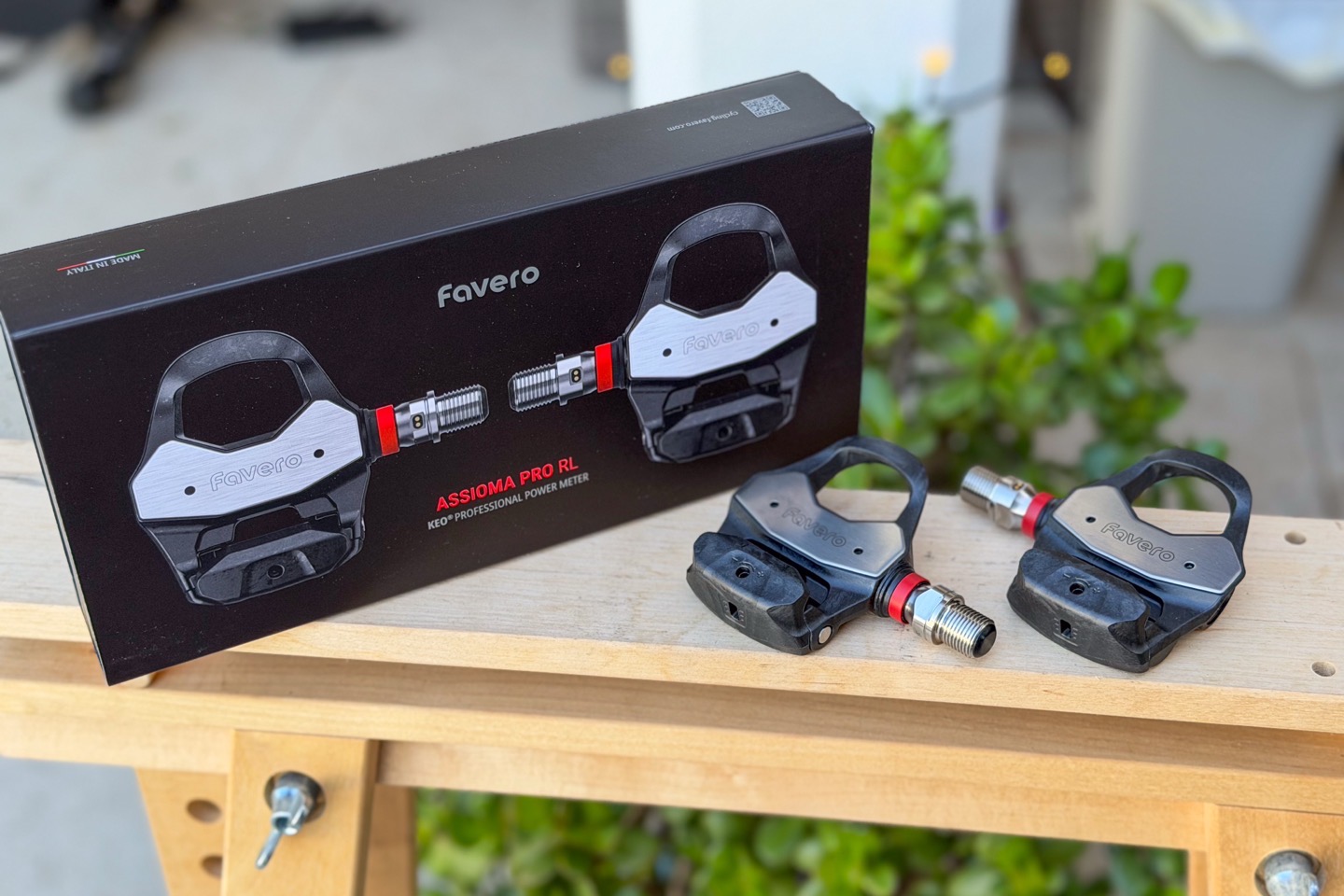
Favero’s Look Keo compatible Pro spindle. 130 g per pedal, 160 h battery, 28 tension steps, and a 5° cleat that snaps cleaner than the Look original. Two months of testing and we agree with the marketing line.

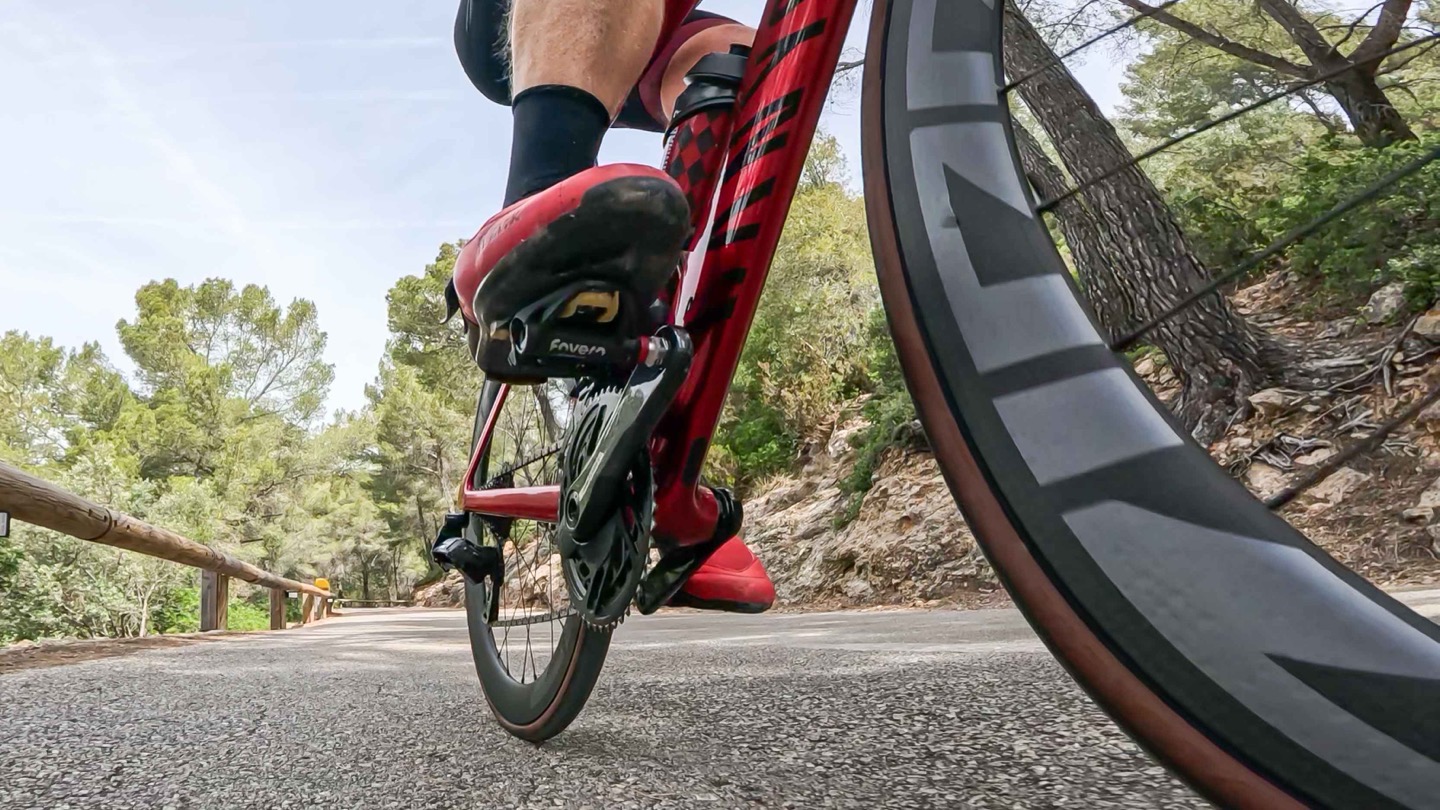
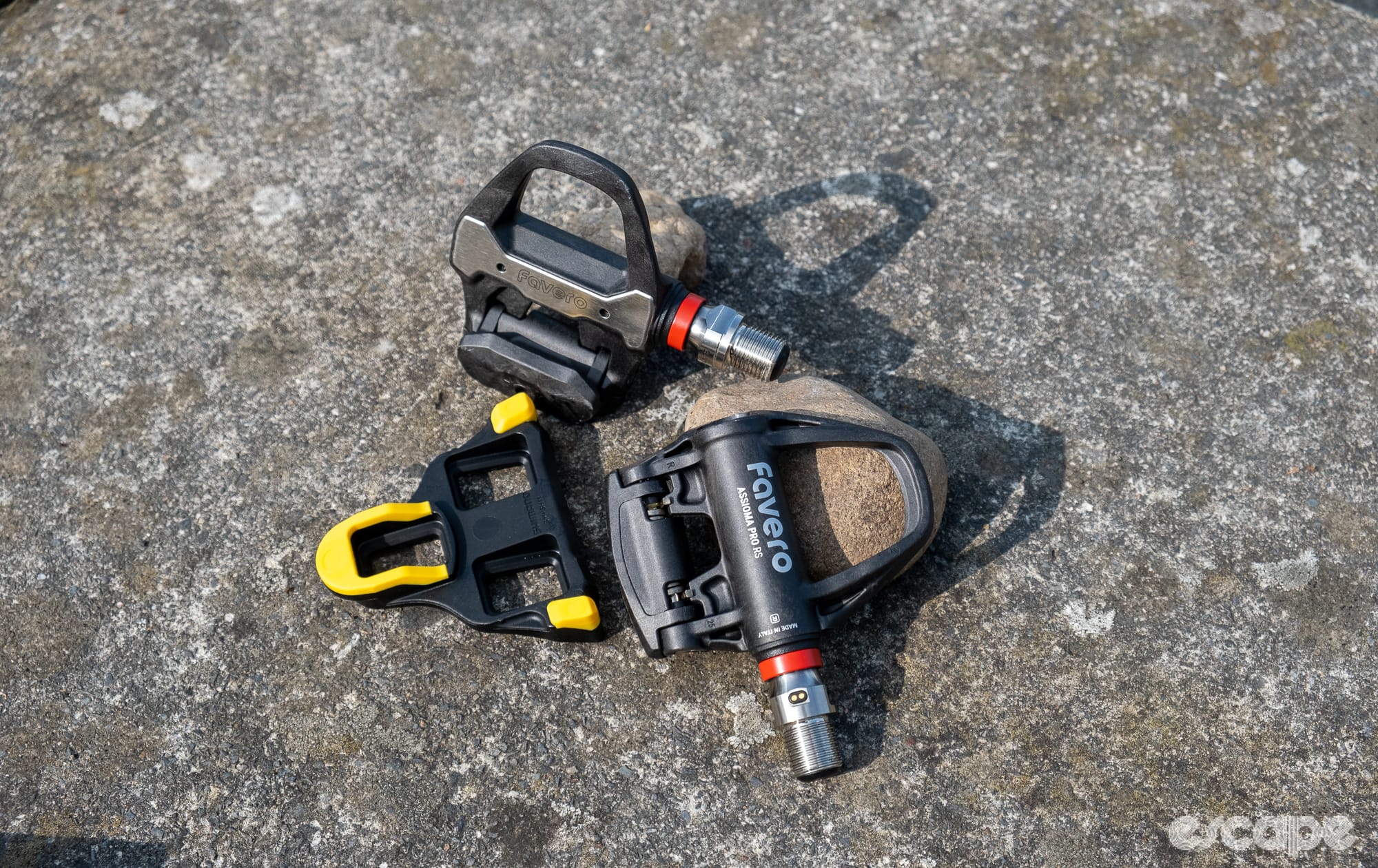
The PRO RS is Favero’s dual-sided road pedal — same Pro spindle as the PRO MX, but in a Shimano SPD-SL body. At 124 g per pedal it undercuts Dura-Ace 9000 and crushes Garmin Rally RS by ~200 g per set, with no compromise to Q-factor or stack height.

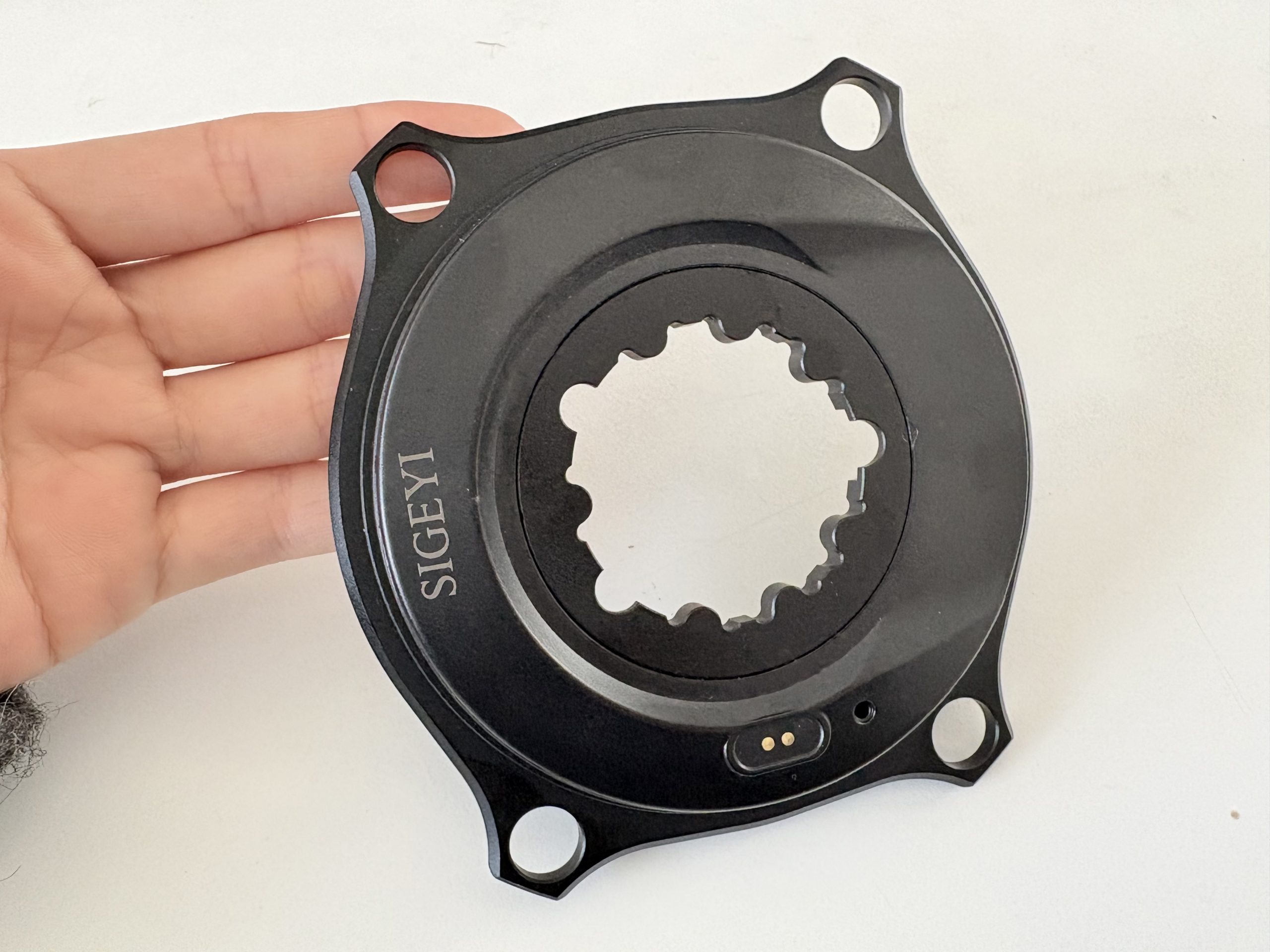
Sigeyi brings carbon-fiber dual-sided power cranks to the mid-price market. Tested against the Quarq DZero and the Magene P515, it lands in an interesting middle ground.

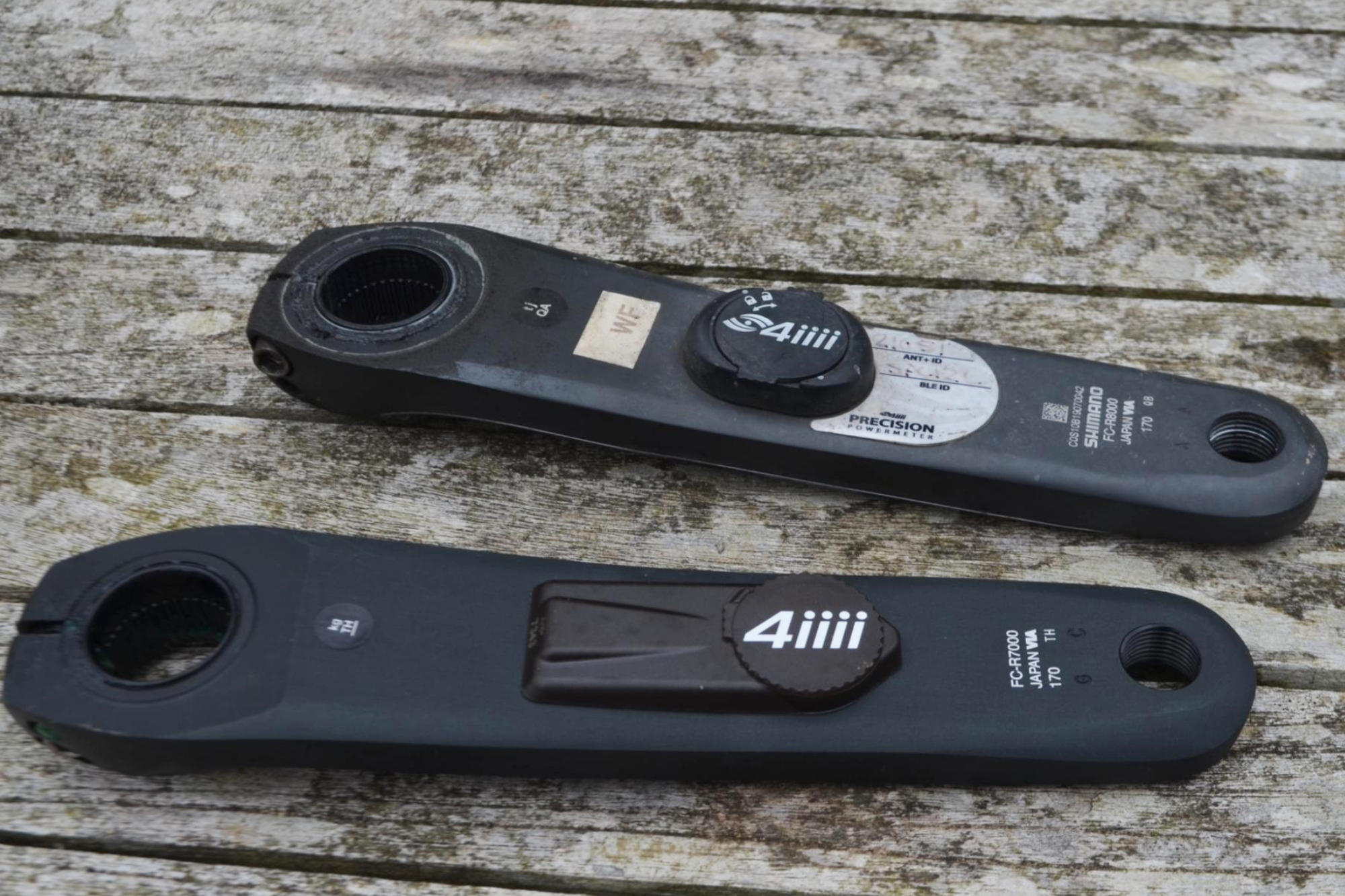
The third-generation 4iiii left-only power meter delivers ±0.5% accuracy at a price that beats every crank-based competitor.

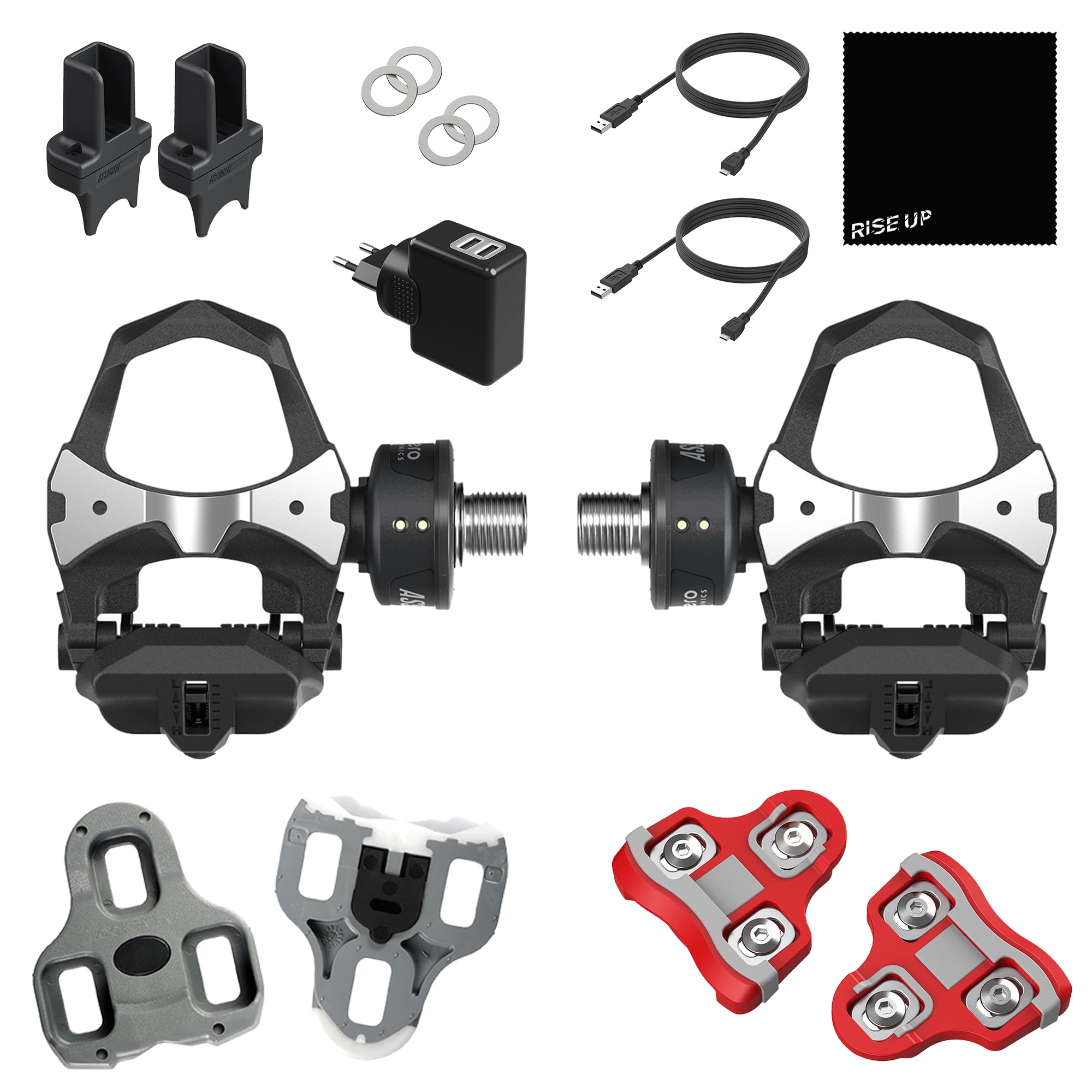
The Assioma DUO remains the reference pedal-based power meter: rechargeable, dual-sided, and accurate enough for pro-level training.

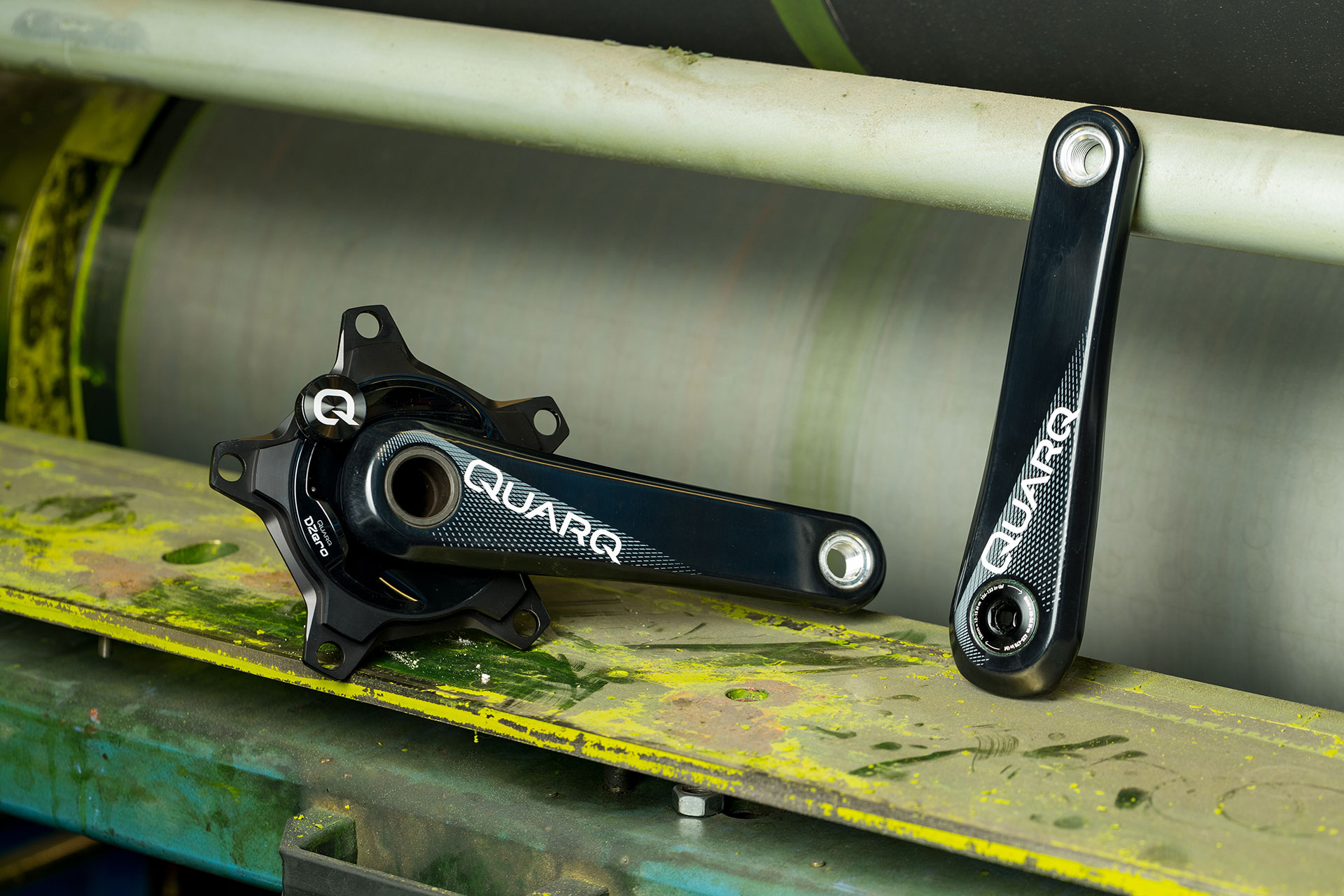
SRAM’s Quarq DZero delivers dual-sided power from a hidden spider, with 200-hour battery life and ANT+/BLE in a weather-sealed package.

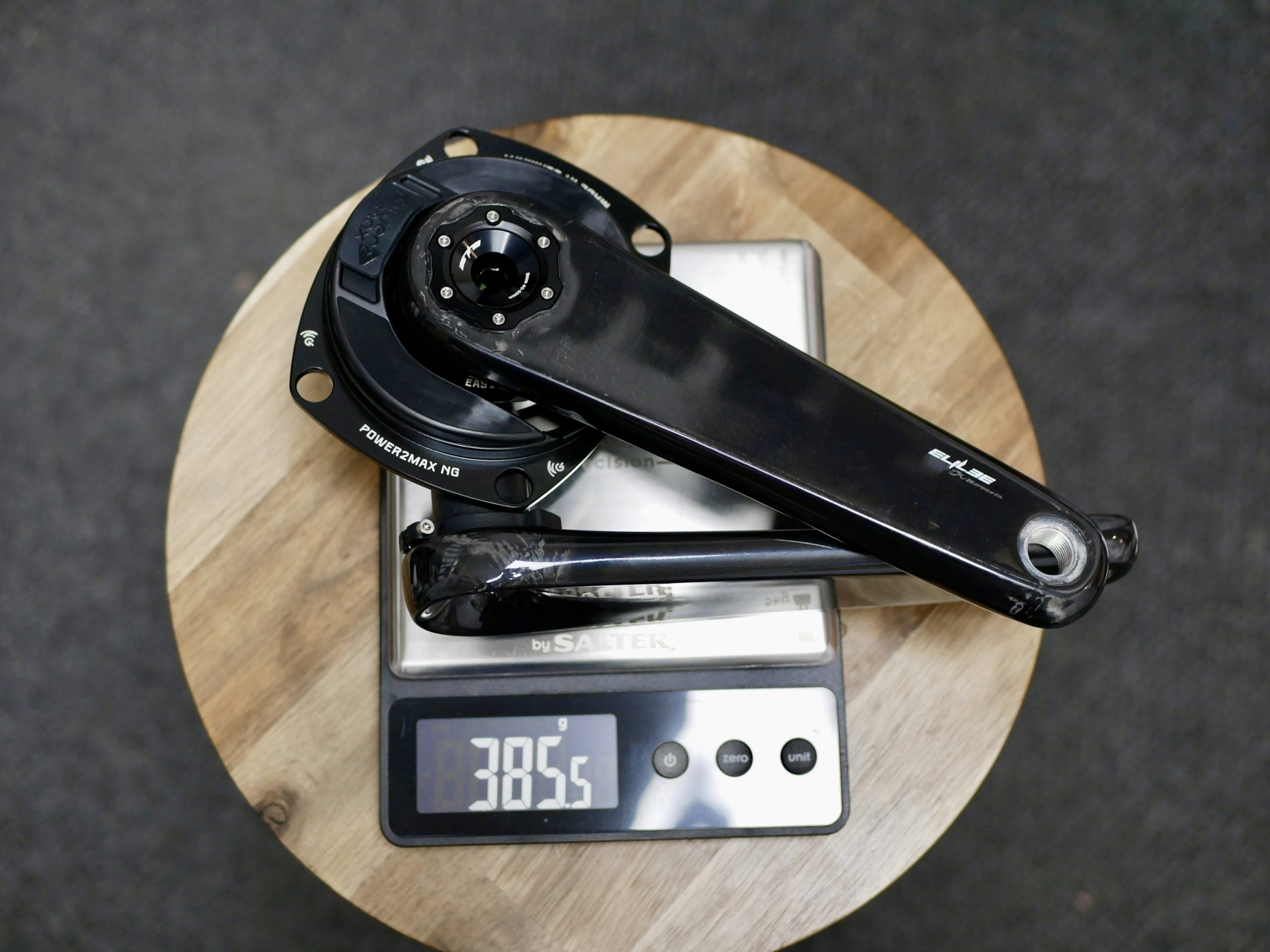
Power2Max's PM-Dual offers ±1.5% accuracy with left/right balance at $799 — undercutting Favero and Garmin by $300. Does the cost-saving come with real compromises?

Wahoo’s SPD-SL power pedal brings dual-sided measurement, replaceable batteries, and cycling dynamics to a more accessible price point.