Reviews
Every review at JoyVelo is grounded in a protocol — a defined test methodology with reference devices, repeatable conditions, and quantitative outputs that you can verify in JoyAnalyze. No marketing-driven scoring, no vague impressions, no OEM-spec retreads.
Reviews
Independent, protocol-level reviews of cycling hardware. Bike computers, power meters, radar lights, smart trainers, pedals, and more.

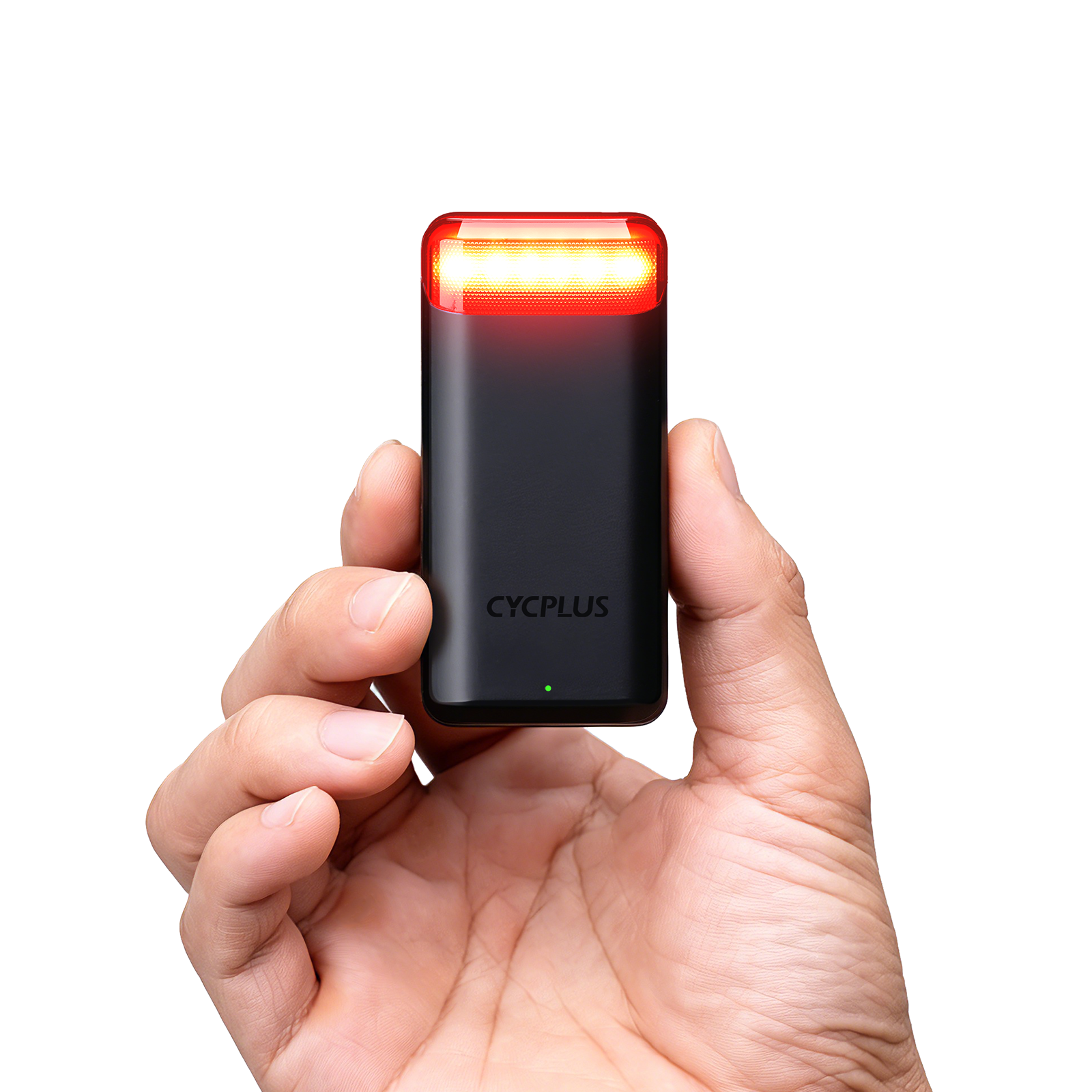
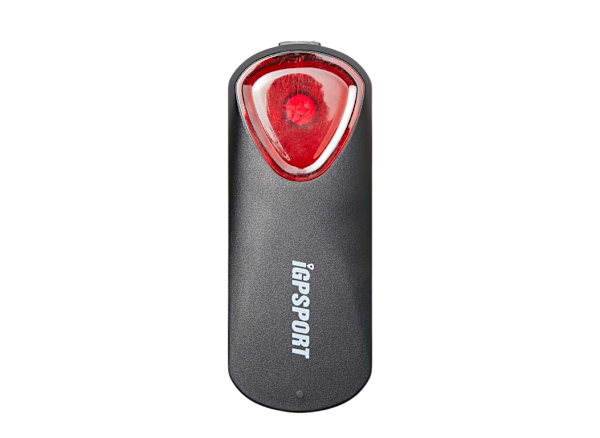
Cheapest bike radar on the market at $89. 40° beam, USB-C, ANT+ radar + light, brake light, ANT+ light control disable option. JoyVelo internal testing on 20+ km of road reveals over 20 false positives, missed vehicles, and ghost cars. The radar is fundamentally broken in real-world conditions and should not be sold. JoyVelo internal testing, 3 weeks, 100+ km of mixed road + suburban + urban.

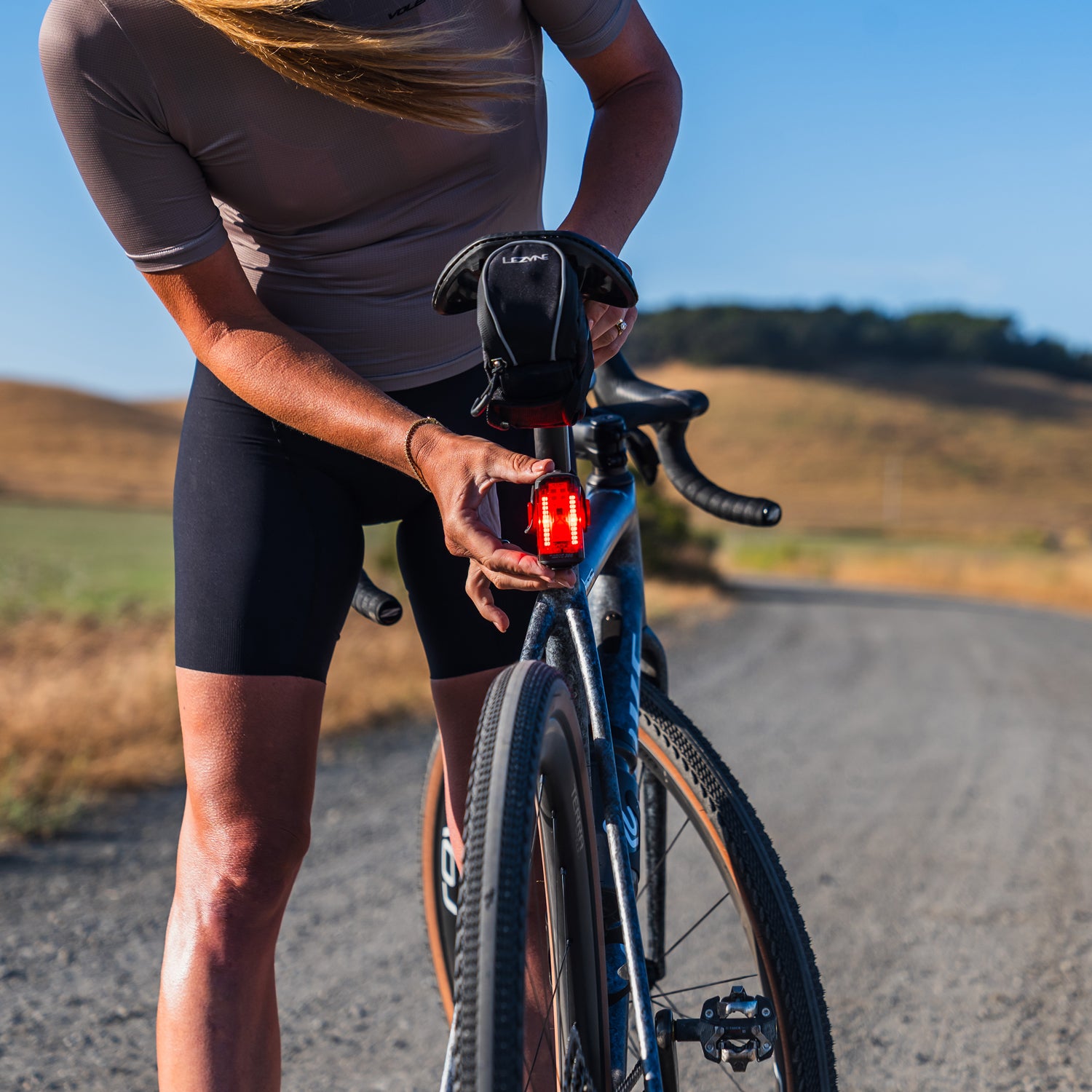
180g rear light + ANT+ radar. $180 radar / $125 front light / $280 combo. 146m detection (verified), 35° beam (vs Garmin 40°), 0 false positives in 3 radar trouble spots, threat persistence on slow-moving cars, brake light (sensor-based), 300 lumens solid max, 20h battery (claimed), Lezyne Strip Drive strap mount (no quarter-turn, so NOT compatible with Garmin third-party mounts). JoyVelo internal testing, 3 weeks, mixed road + suburban.

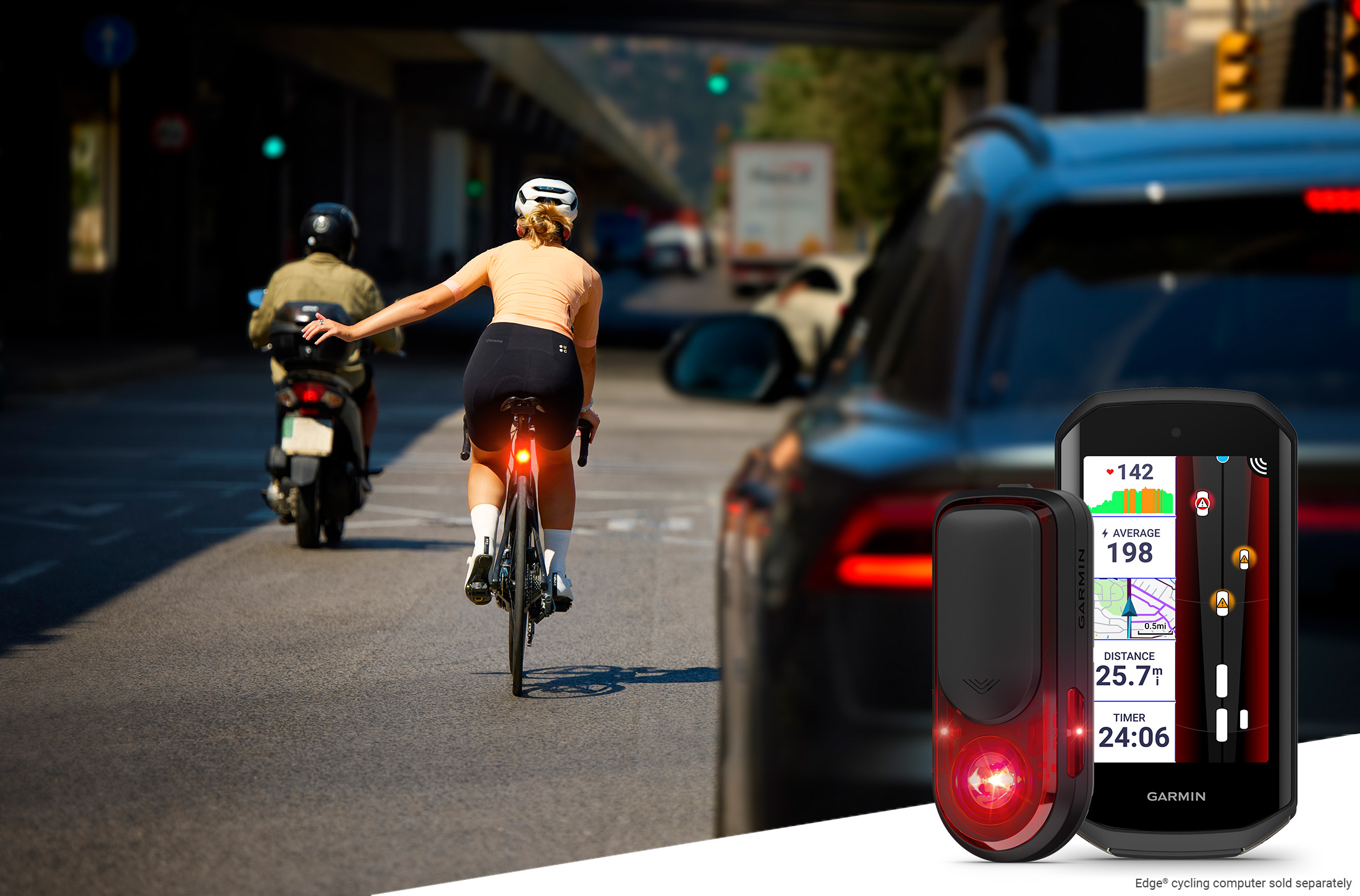
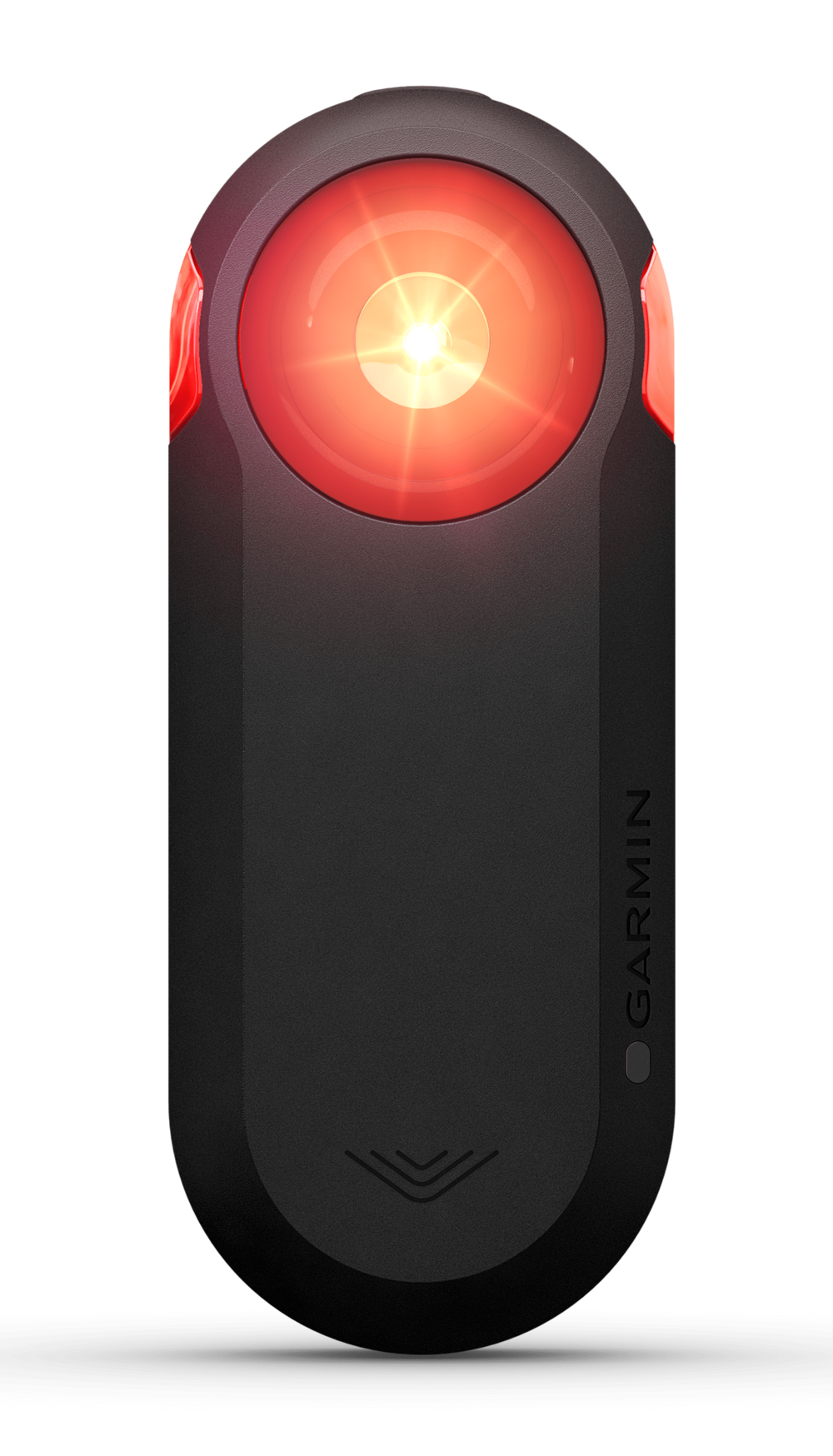
Replaces the 6-year-old RTL 515. USB-C finally. 170m official detection range (verified to 224m in drone-validated testing). 60° beam angle. Same-speed tracking is best-in-class. Lane detection + vehicle classification on Edge X40/X50 (Secure Bluetooth, EU mandate). No false positives in 6 weeks of real-world riding. Radar-only mode gives 25h battery. User-replaceable battery via T2 Torx. $299 (up from $199). JoyVelo internal testing, 6 weeks, 200+ km road + 100+ km MTB + multiple bus-route tests.

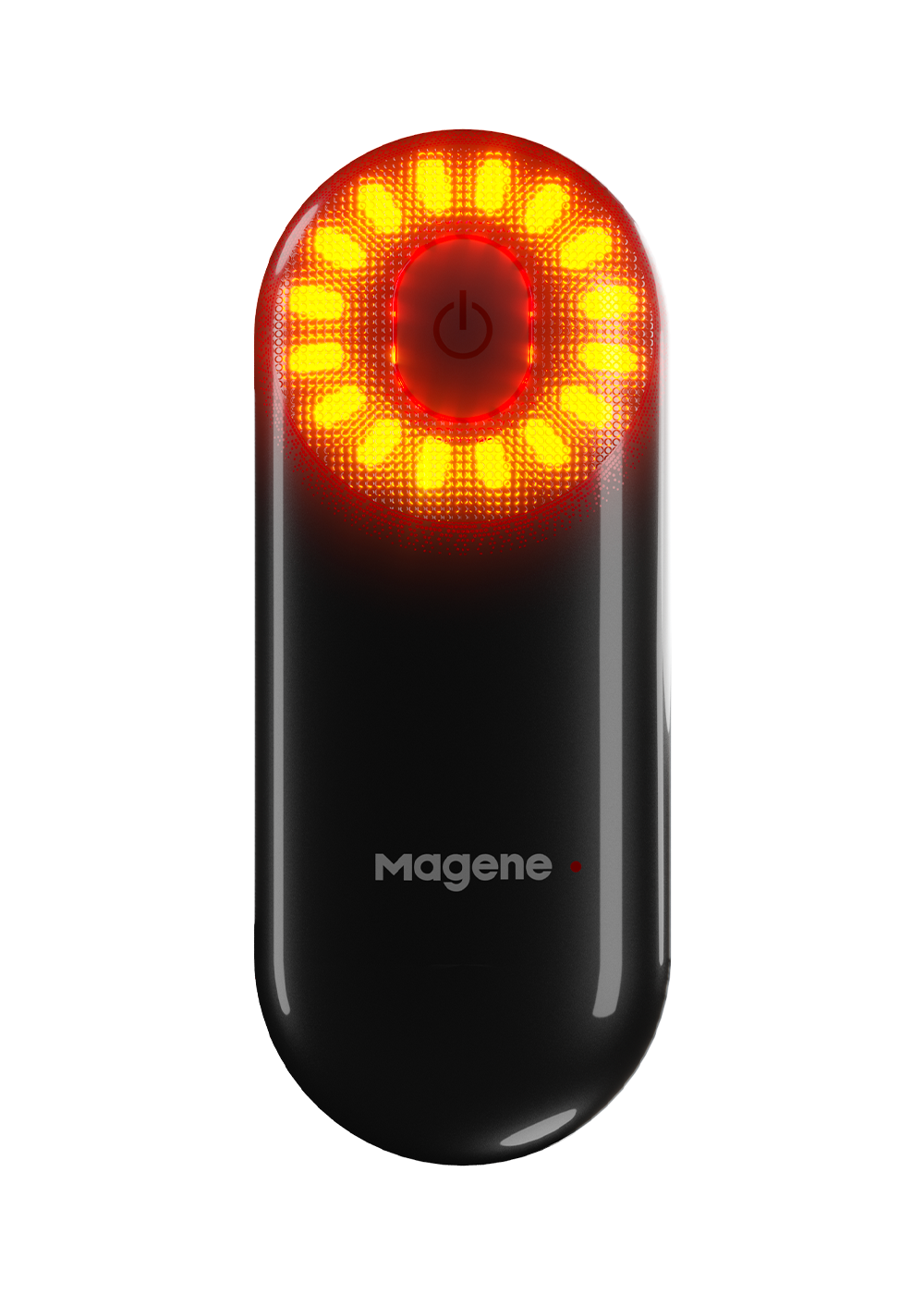
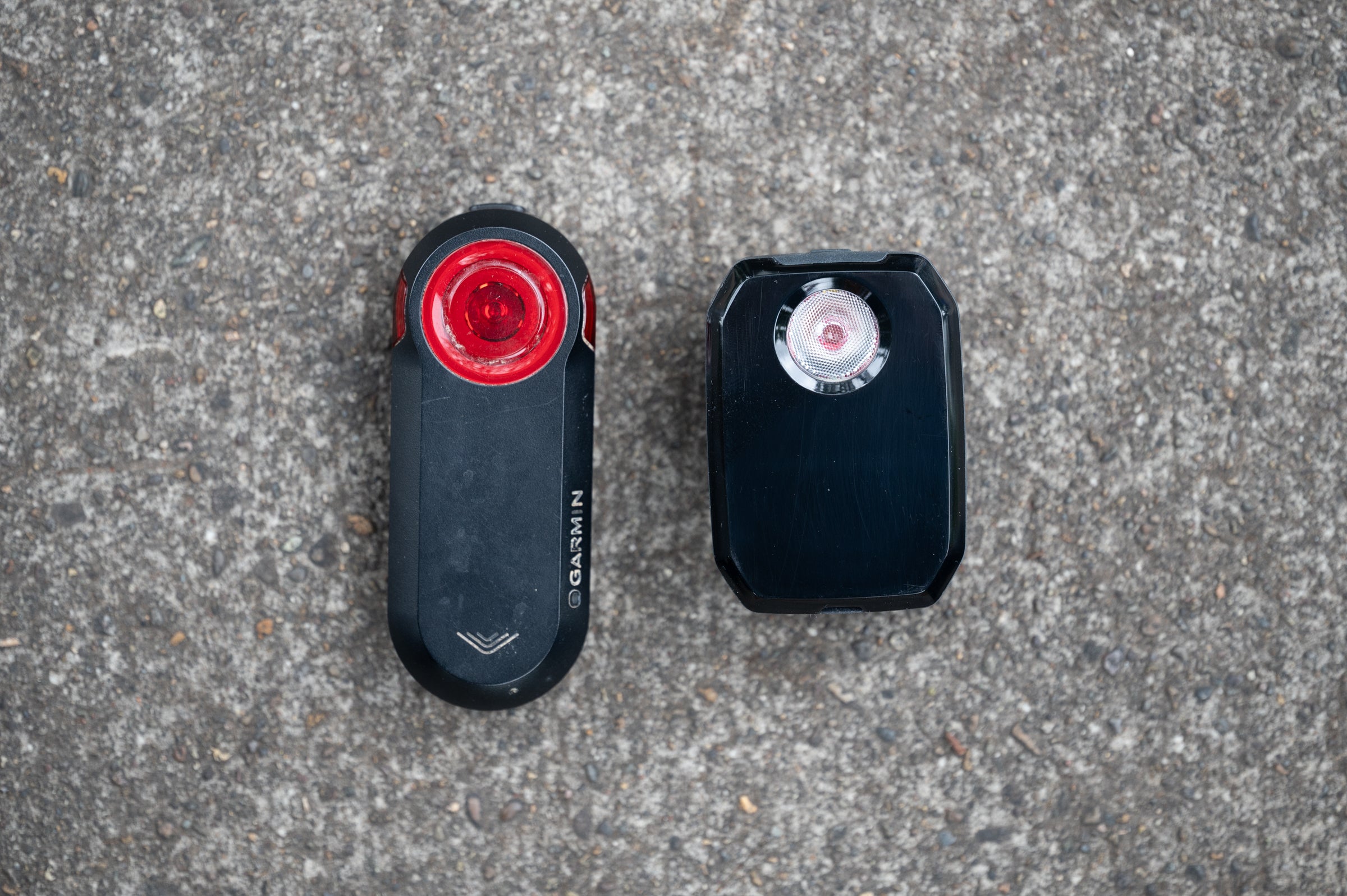
First non-Garmin bike radar. $129 (vs Garmin $200-300), 140m detection, ANT+ radar + light, brake light, auto sleep, 99g, USB-C, 5-7h real-world battery, works with all Garmin-compatible head units and Connect IQ data fields. JoyVelo internal testing, 3 weeks, mixed road + suburban.

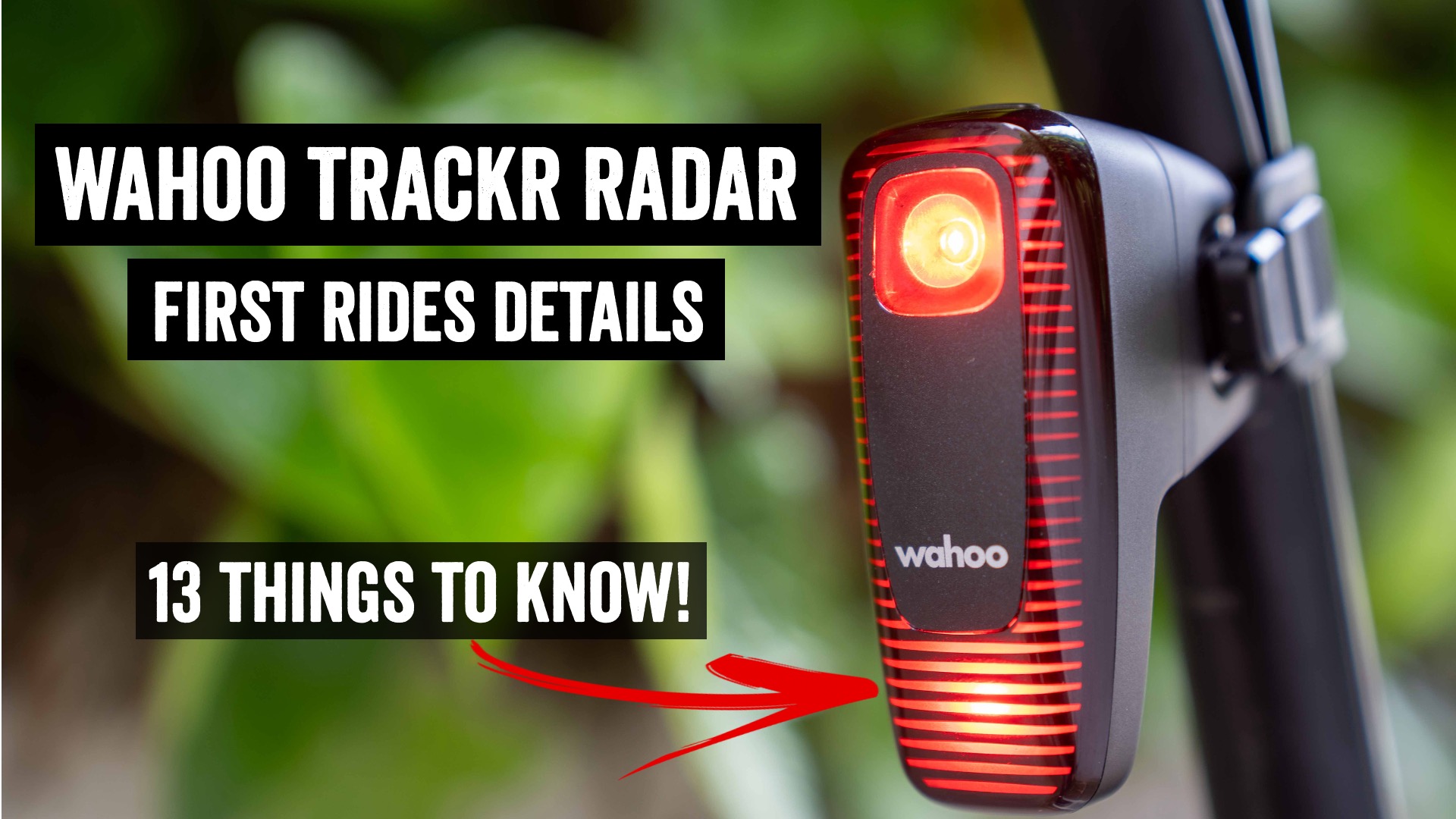
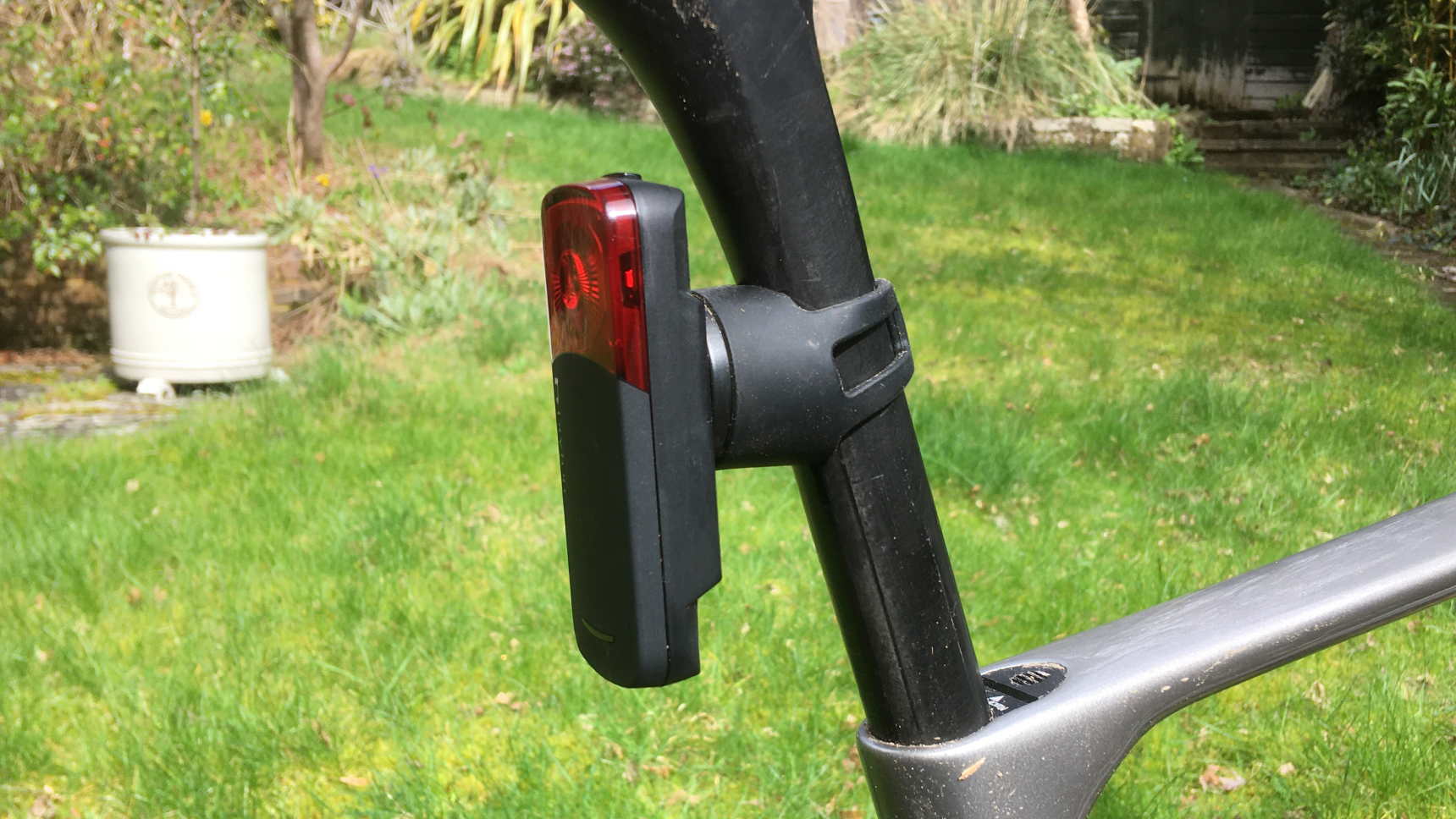
First Wahoo radar. $199, 150m detection (vs Garmin RTL 515 140m), USB-C, 99g, 35° beam (vs Garmin 40°), ANT+ radar + ANT+ light, brake mode, side-LED visibility, 0 false negatives in 1 week of real-world testing. 19h solid / 12h peloton / 6h day flash / 5h night flash (claimed). The biggest miss: the quarter-turn mount is 1mm thicker than Garmin, breaking 10 years of third-party mount ecosystem compatibility.

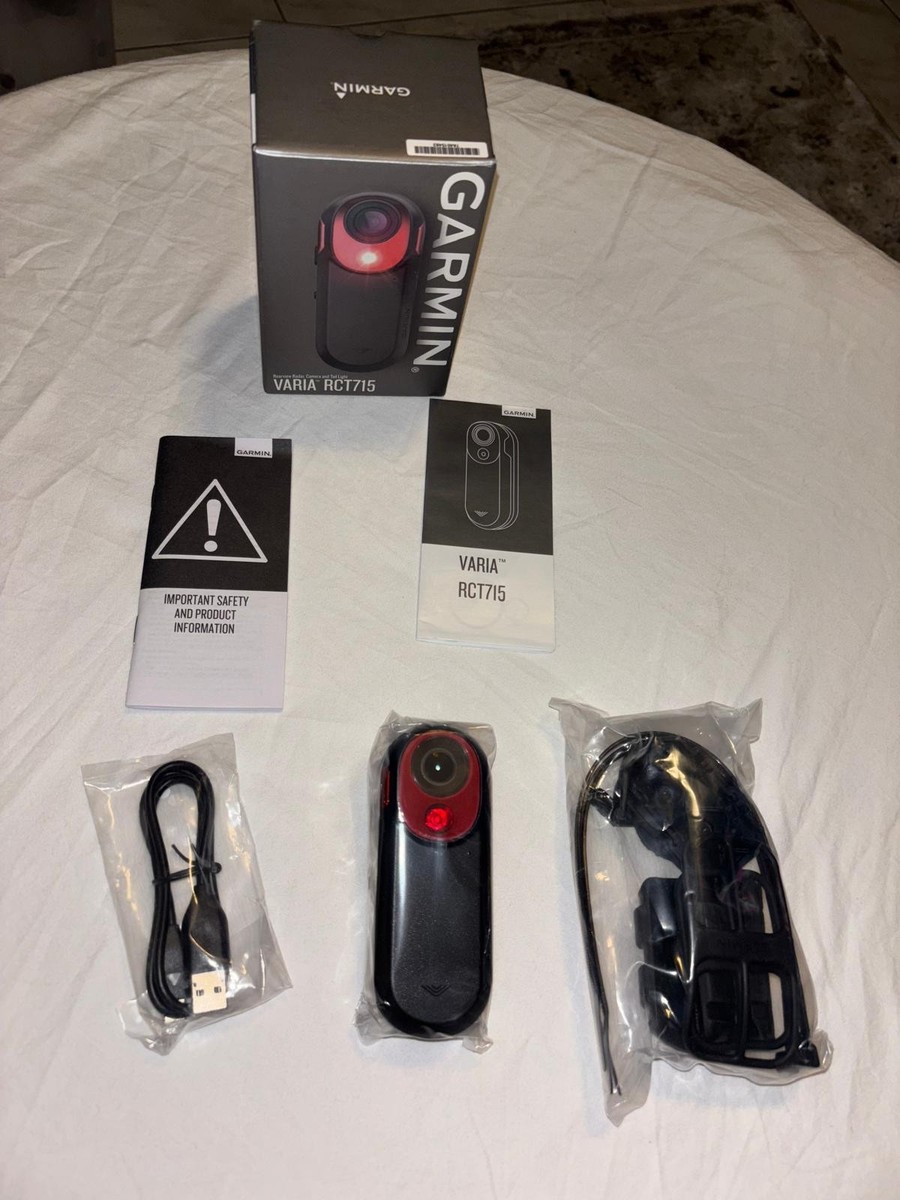
Radar + 1080p camera + tail light in a single unit. $399 launch, 147g (2x RTL 515), 4-10h battery depending on camera mode, Micro SD storage, USB-C, ANT+ radar + light + Bluetooth + Wi-Fi. The radar is best-in-class (same RTL 515 chipset). The camera is subpar: no image stabilization, 720p/1080p options, poor low-light performance, no lens protection. The Varia app UX is poor. The 16GB SD card is too small for 1080p recording. JoyVelo internal testing, 3 weeks.

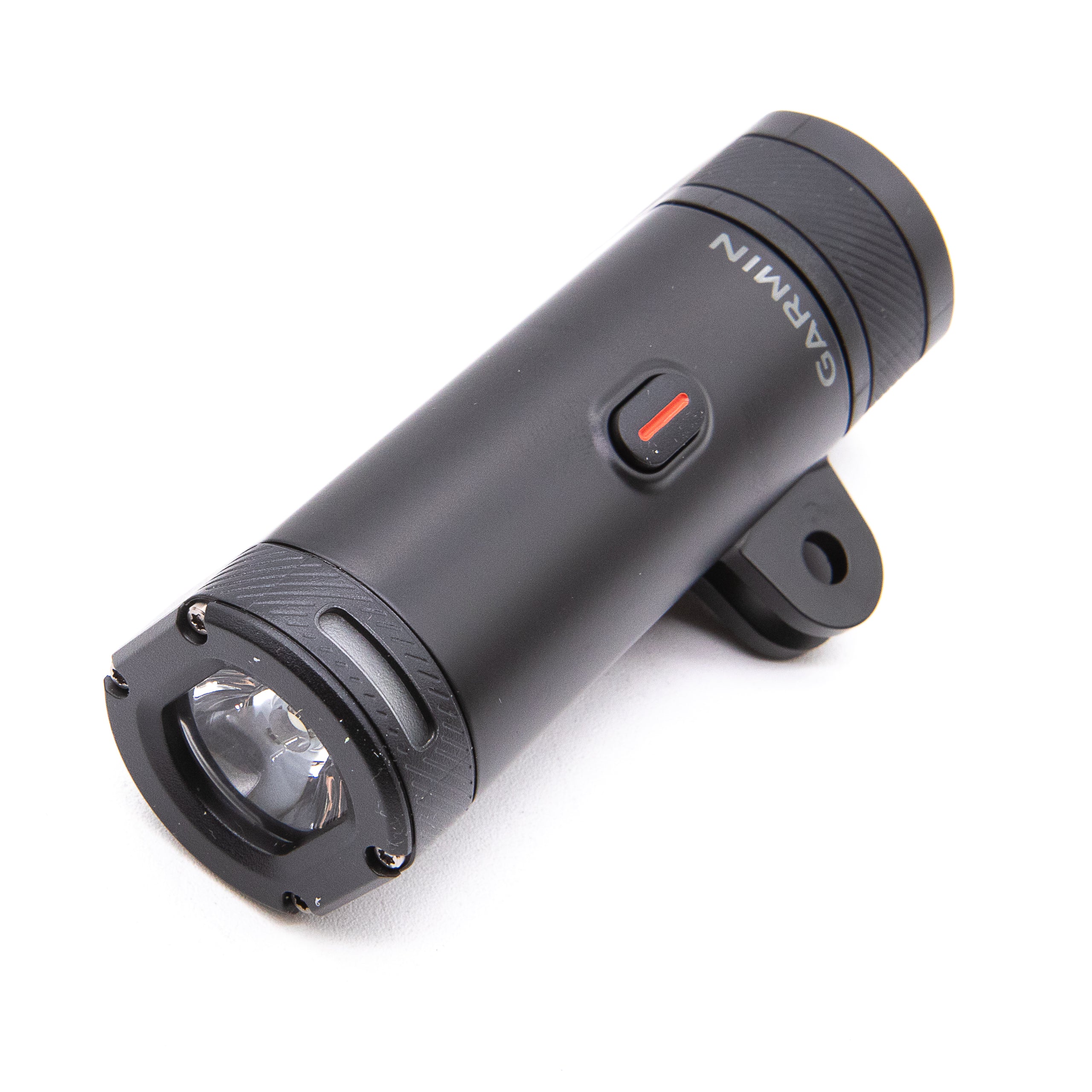
The Garmin Varia UT800 delivers 800 lumens with Edge auto-brightness integration. 1.5h on high, IPX7, $199. Still the smart headlight benchmark in 2026.

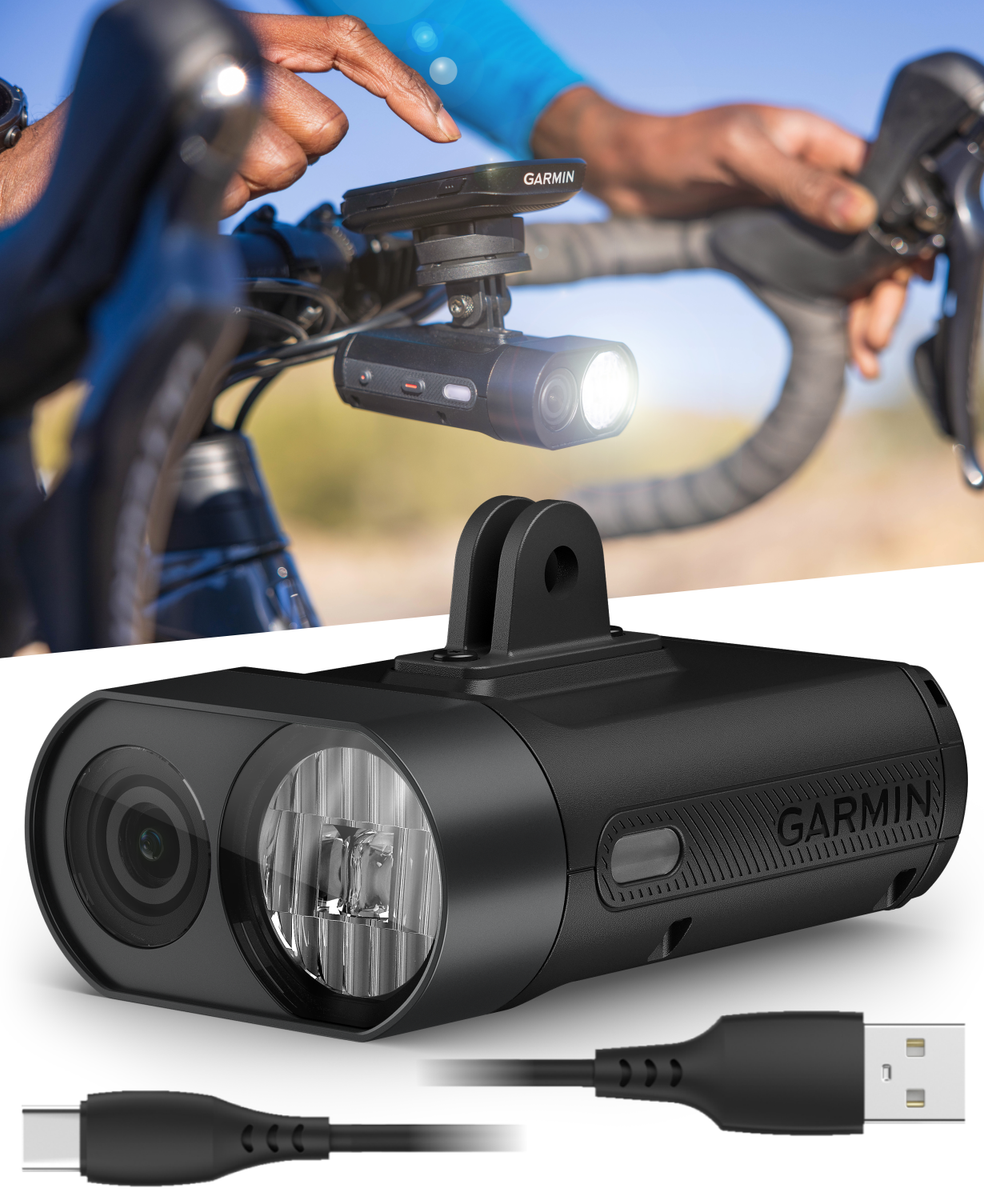
Garmin's 2026 Varia Vue is the first cycling headlight with a built-in 4K camera and incident detection. 600 lumens, auto-recording, and incident auto-save. $799.

iGPSPORT's first rear radar includes a 1080p camera at a $249 price point. Three weeks of testing shows it is the most affordable radar-camera combo on the market.'

Bryton's first rear radar focuses on Garmin compatibility and long battery. Four weeks of testing shows it is a credible mid-range option.'
Garmin's flagship rear radar now records 1080p video continuously. Three months of daily commuting shows it is the most complete rear-end safety system on the market.'

No camera, no fuss. The RTL515 is the radar-and-light combo that has been keeping road cyclists safe for years, and it is still the value pick.

Trek's CarBack is the first credible challenger to Garmin's Varia RTL515 in the radar tail light category. After 3,000 km, here's the comparison.

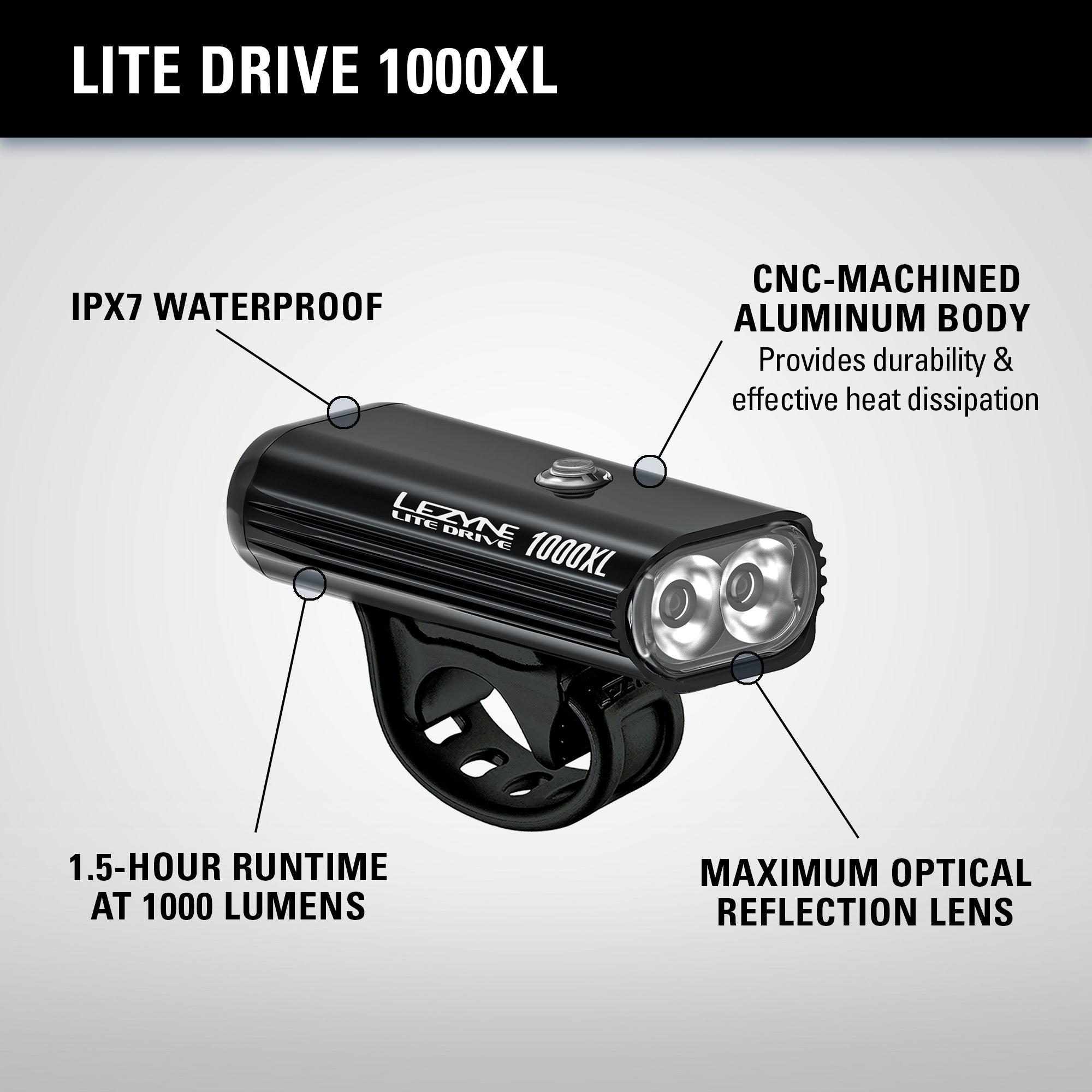
Lezyne's flagship front light hits 1000 lumens at $99 — undercutting Garmin and Bontrager by 50%. Does the price savings come with real compromises?