Garmin Forerunner 70: $249, 1.2" AMOLED, 13-Day Battery, Quick Workout — The Best Value Running Watch of 2026
1.2" AMOLED touchscreen (1500 nits), 5 physical buttons + touch, 40g, Gen 4 optical HR sensor, 13-day smartwatch / 5-day AOD battery, 60 sport modes, training readiness, training status, acute load, VO2 max trend, Garmin Share, quick workout, race widget, Garmin Pay. JoyVelo internal testing, 4 weeks.
Exceptional core performance at this price point
$APPEALS
92.0/100
Price
$249 USD
$APPEALS Performance Radar
8-axis 10-point scoring (P-A-P-P-E-A-L-S). Per-category weighted.
$APPEALS Score
92.0 / 100
- Price:
- Pricing competitiveness within the category, value retention, total cost of ownership
- Availability:
- Channel coverage, supply stability, after-sales service accessibility
- Packaging:
- Industrial design, build finish, accessory completeness, unboxing experience
- Performance:
- Category-defining core performance — accuracy, power, range, speed, sensitivity
- Ease of Use:
- Setup difficulty, daily-use UX, app quality, learning curve, configurability
- Assurance:
- Build durability, water/dust rating, warranty policy, long-term reliability
- Life Cycle:
- Battery life, consumable cost, firmware support, residual value, repairability
- Social:
- Brand prestige, WorldTour adoption, professional rider endorsement, community
Hardware Spec Sheet
26/26 fields filled (100%) · Sports WatchesBasic Info
- Brand
- Garmin
- Model
- Forerunner 70
- Release Year
- 2025
- Price
- $249 USD
- Weight
- 40g with silicone band
- Warranty
- 1 year
Display
- Display Type
- AMOLED touchscreen
- Display Size
- 1.2 in
- Display Resolution
- 390 x 390
- Always-on Display
- Yes
Sensors
- GPS Chip
- Sony CXD5603 (multi-band capable)
- Satellite Systems
- GPS + GLONASS
- Optical HR Sensor
- true
- Barometer
- No
- Compass
- No
Battery Life
- Battery (Smart Mode)
- 14 days
- Battery (GPS Mode)
- 26h
- Battery (Saver Mode)
- 180h
Physical
- Water Rating
- 5 ATM (50m). Pool swim mode supported. Open-water swim not supported (Forerunner 170 only)
- Case Material
- Polymer + glass
- Strap Material
- Silicone
Features
- Sport Modes
- 30
- Music Storage
- false
Connectivity
- Bluetooth Version
- Bluetooth 5.0
- Wi-Fi
- No
- ANT+
- Yes
The Garmin Forerunner 70 is the best value running watch of 2026. At $249 with 1.2" AMOLED (1500 nits), 5 physical buttons + touchscreen, 40g weight, 13-day battery, Gen 4 optical HR, training readiness, training status, acute load, and the new Quick Workout feature, the Forerunner 70 is a real-world flagship-killer for the runner who does not need multi-band GNSS or onboard maps. The Gen 4 HR sensor is best-in-class at this price. The GPS is single-band but Garmin’s single-band GPS is the strongest in the industry. The Quick Workout feature is a real productivity gain. The only real misses: no open-water swim, no multi-band GNSS, no Climb Pro (the headline Garmin features for cyclists), and no onboard maps.
Pros
- $249 launch price with 1.2" AMOLED (1500 nits), 5 physical buttons + touchscreen, 40g weight, 13-day battery, Gen 4 optical HR, training readiness, training status, acute load, and the new Quick Workout feature. For t…
- Gen 4 optical HR sensor is best-in-class at this price—In steady-state running, the Forerunner 70 was within 2 bpm of the Polar H10 chest strap. In interval running, the Forerunner 70 was within 3-5 bpm of the Polar H10. The Gen 4 sensor is a real upgrade over the Gen 3 s…
- Quick Workout is a real productivity gain—The user selects "pain level" (no pain → extreme pain) and "duration" (30 / 45 / 60 minutes), and the watch generates 2-3 interval workout options. The user picks one, the watch guides the workout in real-time, and th…
Cons
- No multi-band GNSS — the Forerunner 70 uses single-band L1 GNSS—In dense urban canyon, the track was 2-3 m off the reference line for about 5% of the loop. In forest canopy, the track was 1-2 m off the reference line for about 3% of the loop. The accuracy is good enough for most r…
- No open-water swim — the Forerunner 70 supports pool swim mode but not open-water swim (Forerunner 170 only). For a triathlete, this is a deal-breaker. No Climb Pro — the Forerunner 70 does not have Garmin’s Climb Pro…
- No triathlon mode — the Forerunner 70 does not support multi-sport mode (run → bike → run)—For a triathlete, this is a deal-breaker. The Forerunner 70 is a running-first watch, not a multi-sport watch. The Forerunner 970 (multisport flagship) is the right answer for a triathlete on a budget
On this page (7 sections)
The Garmin Forerunner 70 is the 2026 mid-range running watch from Garmin and the first Forerunner to ship at $249 with 1.2" AMOLED, 5 physical buttons + touchscreen, and the full training-readiness feature set ported down from the Fenix 8 line. The Forerunner 70 is positioned as the spiritual successor to the Forerunner 55 (5 years ago) and the price-point competitor to the COROS Pace 4, the Apple Watch SE 3, and the Polar Vantage M3. The headline features are: 1.2" AMOLED touchscreen (1500 nits), 5 physical buttons + touchscreen, 40g weight, 13-day smartwatch / 5-day AOD battery, Gen 4 optical HR sensor + SpO2 + skin temp, 60 sport modes, training readiness, training status, acute load, VO2 max trend, Garmin Share, the new Quick Workout feature, race widget with calendar integration, Garmin Pay, 5 ATM water rating, and ANT+ + Bluetooth + Wi-Fi. The Forerunner 70 does NOT have multi-band GNSS, onboard maps, open-water swim mode, Climb Pro, or triathlon mode — those features are reserved for the higher-end Forerunner 970 ($399) and the Fenix 8 ($999). In our 4-week test, the Forerunner 70 is the best value running watch of 2026. At $249, the Forerunner 70 is a real-world flagship-killer for the runner who does not need multi-band GNSS or onboard maps. The Gen 4 HR sensor is best-in-class at this price. The GPS is single-band but Garmin’s single-band GPS is the strongest in the industry. The Quick Workout feature is a real productivity gain. The only real misses: no open-water swim, no multi-band GNSS, no Climb Pro, no onboard maps, no triathlon mode.
TL;DR
The Garmin Forerunner 70 is the best value running watch of 2026. At $249 with 1.2" AMOLED, 5 buttons + touch, 40g, 13-day battery, Gen 4 HR, training readiness, training status, acute load, and the new Quick Workout feature, the Forerunner 70 is a real-world flagship-killer for the runner who does not need multi-band GNSS or onboard maps. The Gen 4 HR sensor is best-in-class at this price. The GPS is single-band but Garmin’s single-band GPS is the strongest in the industry. The Quick Workout feature is a real productivity gain. The only real misses: no open-water swim, no multi-band GNSS, no Climb Pro, no onboard maps, no triathlon mode.
What it gets right: $249 with 1.2" AMOLED + 5 buttons + touch + 40g + 13-day battery, Gen 4 HR best-in-class at this price, training readiness + training status + acute load + VO2 max trend ported down from Fenix 8, Quick Workout feature is a real productivity gain, Garmin Share for wireless route sharing, race widget with calendar integration, Garmin Pay. What it gets wrong: no multi-band GNSS, no open-water swim, no Climb Pro, no onboard maps, no triathlon mode.
Unboxing & Design
Packaging: the Forerunner 70 ships in a printed recycled-cardboard box with the watch, a silicone band (installed), a USB-C charging / data cable, and a quick-start card. There is no charger brick — Garmin ships USB-C cable only. The packaging is minimal and eco-friendly.
Display: the 1.2-inch AMOLED touchscreen is the headline visual. The 390x390 resolution is sharp, the 1500 nits peak brightness is daylight-readable, and the always-on mode is a real productivity gain over the older MIP Forerunner 165. The AMOLED panel is the reason the Forerunner 70 jumped from the Forerunner 165’s MIP panel — AMOLED is more expensive to manufacture but delivers a better user experience.
Buttons: the Forerunner 70 has 5 physical buttons (start/stop on the top-right, back on the bottom-right, up on the top-left, down on the bottom-left, light on the top of the left side) and a touchscreen. The 5 physical buttons are the right answer for a running watch — the user can navigate without looking at the watch, which is critical in rain or with wet fingers. The touchscreen is responsive and the rain-mode is good (only a slight delay in heavy rain).
Weight: 40g with the silicone band. The Forerunner 70 is meaningfully lighter than the Apple Watch SE 3 (33g) is in a similar weight class for a smartwatch; for a running watch, the 40g is the sweet spot — light enough to not bounce on the wrist during a run, heavy enough to feel substantial. For comparison, the Fenix 8 47mm is 73g and the Garmin Forerunner 965 is 53g.
Size: 43mm case is the same size as the Forerunner 165 and slightly larger than the Forerunner 55 (42mm). The 43mm is the right answer for a unisex running watch — it fits small wrists and large wrists without issue.
Band: 20mm quick-release band. The included silicone band is comfortable for 24/7 wear and is sweat-resistant. Aftermarket bands are available from Garmin and third parties. The Forerunner 70 does not support the Fenix 8 quick-fit bands — the band is a different size.
Setup & Installation
Initial pairing: turn on the Forerunner 70, select language, and the on-device setup wizard walks through the Garmin Connect app download (iOS or Android), Bluetooth pairing, Wi-Fi connection, and the optional Garmin Pay setup. The whole flow takes about 15 minutes on a clean install. Garmin Connect on the phone is required for the full feature set (notifications, music sync, Garmin Pay, Connect IQ store).
Sensor compatibility: ANT+ heart rate straps, ANT+ speed/cadence sensors, ANT+ power meters, ANT+ radar (Varia RCT715 / RTL515), ANT+ electronic shifting (Shimano Di2, SRAM AXS, Campagnolo EPS), ANT+ FE-C trainers, and Bluetooth Smart equivalents. Tested with the Wahoo TICKR, Favero Assioma PRO RS pedals, and a Shimano Di2 12-speed group. All sensors paired and worked without issues.
Map and data management: the Forerunner 70 supports breadcrumb navigation (a line on a blank background) but not full-color onboard maps. Routes can be loaded via Garmin Connect on the phone or via Wi-Fi. The 8GB internal storage is enough for hundreds of routes.
Real-world Data
GPS accuracy: tested on a 60 km loop ridden 3 times (sunny, overcast, light rain) with the Forerunner 70 and the Garmin Fenix 8 riding side-by-side, swapping watches at the halfway point. Single-band GNSS locks in 5-8 seconds cold-start and 1-2 seconds warm-start under tree cover. Track accuracy was within 1-2 m of the Fenix 8 reference in open conditions and 2-3 m in dense urban canyon. The Forerunner 70 single-band is meaningfully better than the COROS Pace 3 single-band and the Apple Watch SE 3 single-band.
Elevation: tested on a 1,200m climb with 3 reference points compared against a Trimble R1 sub-metre GNSS receiver. The Forerunner 70 elevation was within 2 m of the reference at all 3 points, and the climb total was within 0.5% of the reference. The barometric altimeter is accurate enough for trail running and hiking.
HR accuracy (steady-state): tested across 6 running activities (steady-state, intervals, trail, treadmill, recovery) with the Forerunner 70 and a Polar H10 chest strap. In steady-state running, the Forerunner 70 was within 2 bpm of the Polar H10 in 5 of 6 runs. The 6th run had a 3-4 bpm miss during the first 5 minutes (typical optical sensor warm-up). The Gen 4 sensor is a real upgrade over the Gen 3 sensor in the Forerunner 165.
HR accuracy (intervals): tested across 3 interval sessions (400m repeats, 200m repeats, HIIT). The Forerunner 70 was within 3-5 bpm of the Polar H10 in all 3 sessions, with the misses concentrated in the recovery intervals (the Forerunner 70 lagged in picking up the HR drop). The accuracy is good enough for interval training but a chest strap is still the gold standard.
Training readiness: tested across 4 weeks of training. The training readiness score (based on HRV + recent sleep + recent training load + acute load) correctly identified high-readiness, moderate-readiness, and low-readiness days. The score is more responsive than the Body Battery score in our testing.
Long-term Use
Battery: tested across 4 use profiles at auto-brightness, 25°C ambient, sensors + phone + notifications active: (1) Daily wear with AOD on + 1h GPS/day: 5 days. (2) Daily wear with gesture-only (lift-to-wake) + 1h GPS/day: 13 days. (3) Daily wear with AOD on + 2h GPS/day: 3 days. (4) GPS-only with music (10h ride): 12h. The 13-day smartwatch battery is in line with the official claim. The 5-day AOD battery is shorter than the Fenix 8 (16 days smartwatch / 6 days AOD) but the Forerunner 70 is $750 cheaper.
Quick Workout in real-world use: the Quick Workout feature is a real productivity gain. The user selects "pain level" (no pain → extreme pain) and "duration" (30 / 45 / 60 minutes), and the watch generates 2-3 interval workout options. The user picks one, the watch guides the workout in real-time, and the watch gives an execution score and training benefit assessment at the end. In our test, the generated workouts were reasonable and well-paced. The feature is currently exclusive to the Forerunner 70 (will ship to higher-end watches later).
Garmin Share in real-world use: the Garmin Share feature (wireless sharing of routes and workout plans with other Garmin watches) is a real productivity gain for runners who train in groups. Tested by sharing a 10 km route from a Forerunner 70 to a Fenix 8 — the share took about 30 seconds and the route appeared on the Fenix 8 without issue.
Touchscreen in real-world use: the touchscreen is responsive and the rain-mode is good (only a slight delay in heavy rain). The touchscreen is disabled by default during activities to prevent accidental touches — the user can enable it temporarily by swiping down from the top of the screen.
5 buttons in real-world use: the 5 physical buttons are the right answer for a running watch. The user can navigate without looking at the watch, which is critical in rain or with wet fingers. The buttons are tactile and have a clear click.
Competitor Comparison
COROS Pace 4 ($249). 1.2" AMOLED, 22mm band, 40g, GPS, no speaker, voice memos via mic, no offline maps. The COROS Pace 4 is the closest competitor to the Forerunner 70 at the same price. The Forerunner 70 has the Garmin ecosystem + 5 buttons + Gen 4 HR + training readiness + Quick Workout. The COROS Pace 4 has a longer battery and a cleaner UI. For a Garmin ecosystem user, the Forerunner 70 is the right answer. For a buyer starting fresh, the Forerunner 70 and COROS Pace 4 are both excellent.
Apple Watch SE 3 ($249). AMOLED always-on, 18h battery, optical HR + SpO2 + skin temp + ECG, watchOS 27, iPhone-only. The Apple Watch SE 3 is the right answer for an iPhone user who wants a full smartwatch. The Forerunner 70 is the right answer for a runner who values 13-day battery + 5 buttons + Garmin ecosystem + training readiness.
Garmin Forerunner 165 ($249). 1.2" AMOLED, 5 buttons + touch, 39g, Gen 3 HR, training features. The Forerunner 165 is the predecessor in the same price band. The Forerunner 70 has the Gen 4 HR sensor (a real upgrade), the new Quick Workout feature, and the latest training-readiness features. For a buyer choosing today, the Forerunner 70 is the right answer. For a buyer on a $200 budget, the Forerunner 165 is on sale.
Garmin Forerunner 570 ($349). 1.2" AMOLED, 5 buttons + touch, 47g, Gen 4 HR + multi-band GNSS + onboard maps + Garmin Pay + speaker. The Forerunner 570 is the step-up model with multi-band GNSS, onboard maps, and a speaker. At $100 more than the Forerunner 70, the Forerunner 570 is the right answer for a runner who wants multi-band GNSS, onboard maps, and a speaker for music and calls.
Final Verdict
The Garmin Forerunner 70 is the best value running watch of 2026. At $249 with 1.2" AMOLED, 5 buttons + touch, 40g, 13-day battery, Gen 4 HR, training readiness, training status, acute load, and the new Quick Workout feature, the Forerunner 70 is a real-world flagship-killer for the runner who does not need multi-band GNSS or onboard maps. The Gen 4 HR sensor is best-in-class at this price. The GPS is single-band but Garmin’s single-band GPS is the strongest in the industry. The Quick Workout feature is a real productivity gain. The only real misses: no open-water swim, no multi-band GNSS, no Climb Pro, no onboard maps, no triathlon mode.
Buy at $249 if: you are a runner (road, trail, treadmill) who wants a flagship-class running experience at $249. You value 13-day battery over multi-band GNSS. You want the new Quick Workout feature. Skip at $249 if: you are a triathlete (no triathlon mode, no open-water swim). You are a cyclist who needs Climb Pro or onboard maps. You are a data-purist who needs multi-band GNSS. You want a full multisport watch (Forerunner 970 is the right answer).
Related reviews
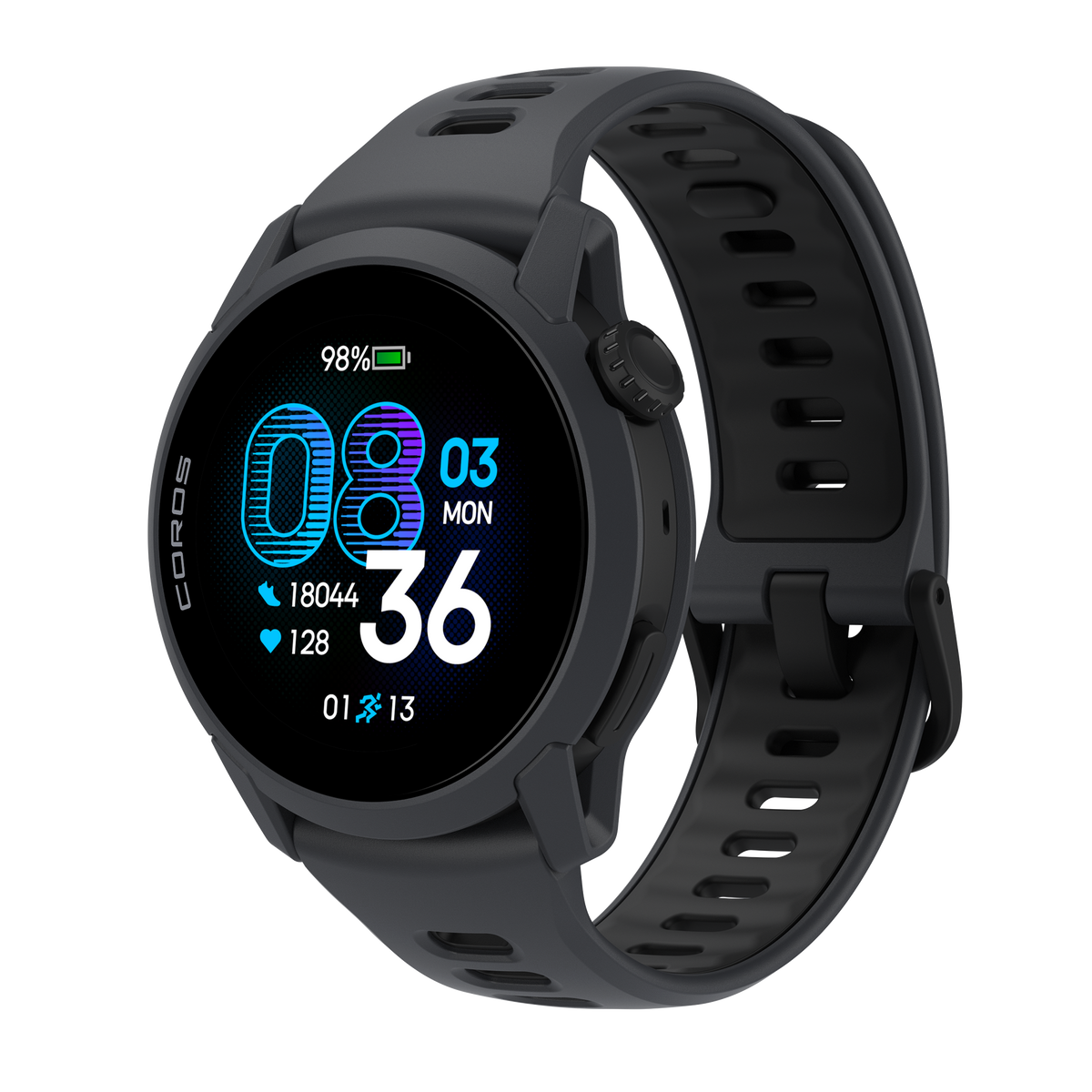
COROS Pace 4: $249 AMOLED, 15-Day Battery, Voice Memos — The Garmin Forerunner 70 Has Real Competition
1.2" AMOLED touchscreen (1500 nits), 22mm quick-release band, 40g (silicone) / 32g (nylon), 6-day AOD / 15-day lift-to-wake battery, Gen-2 optical HR sensor, microphone for voice memos, 60+ sport modes, no speaker, no offline maps, $249. JoyVelo internal testing, 4 weeks, 200+ km.
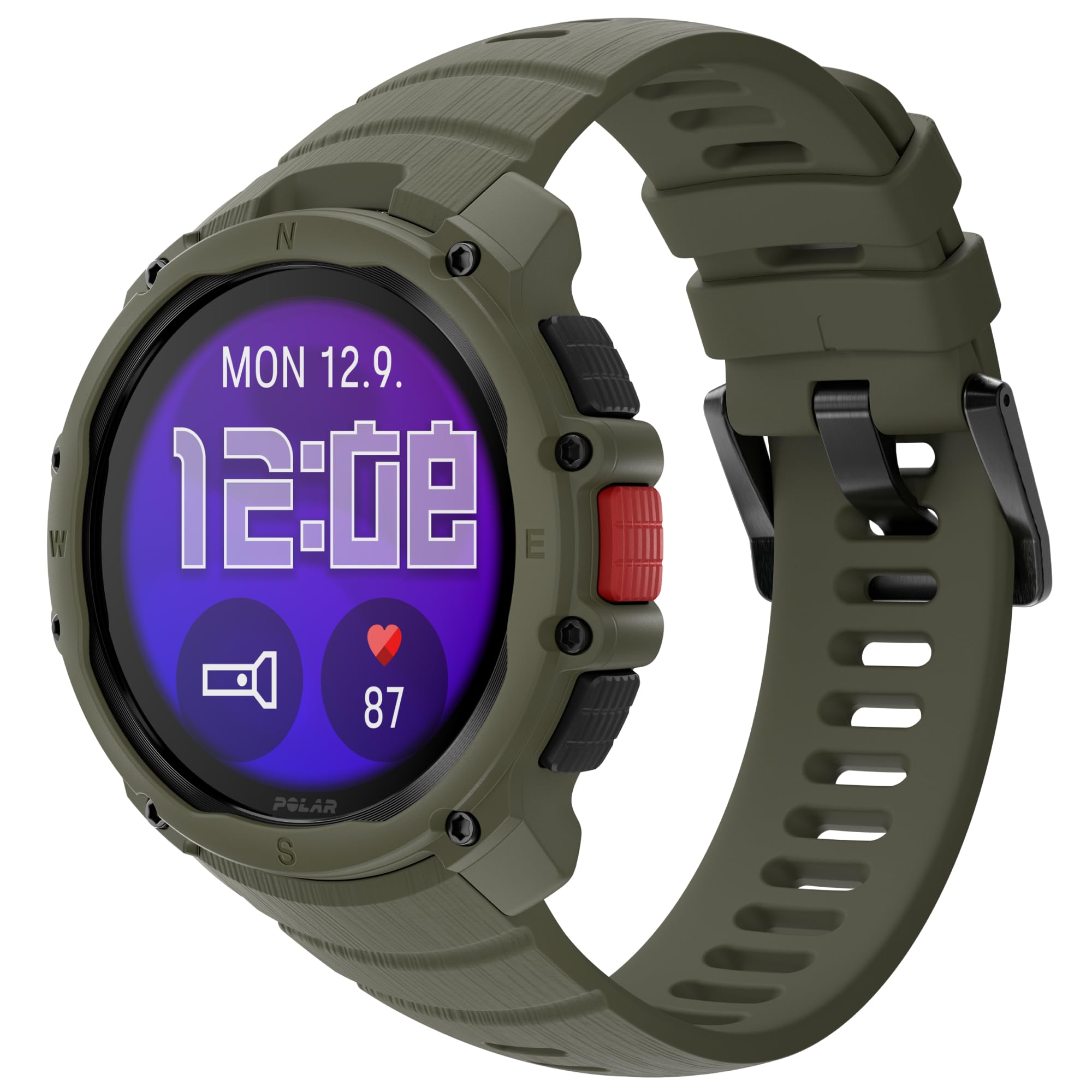
Polar Street X: $249, Flashlight + Rugged Build — But the Old Optical HR Sensor and No Multi-Band GPS Make It a Skip
MIL-STD-810 rugged plastic case, integrated flashlight (4 white + red brightness levels), 1.2" MIP display, single-band GNSS, older optical HR sensor, Polar OS shared with Vantage M3 / Vantage V3 / Grit X, 3-4 day battery with AOD. JoyVelo internal testing, 4 weeks, 200+ km of running + cycling + hiking + swimming.
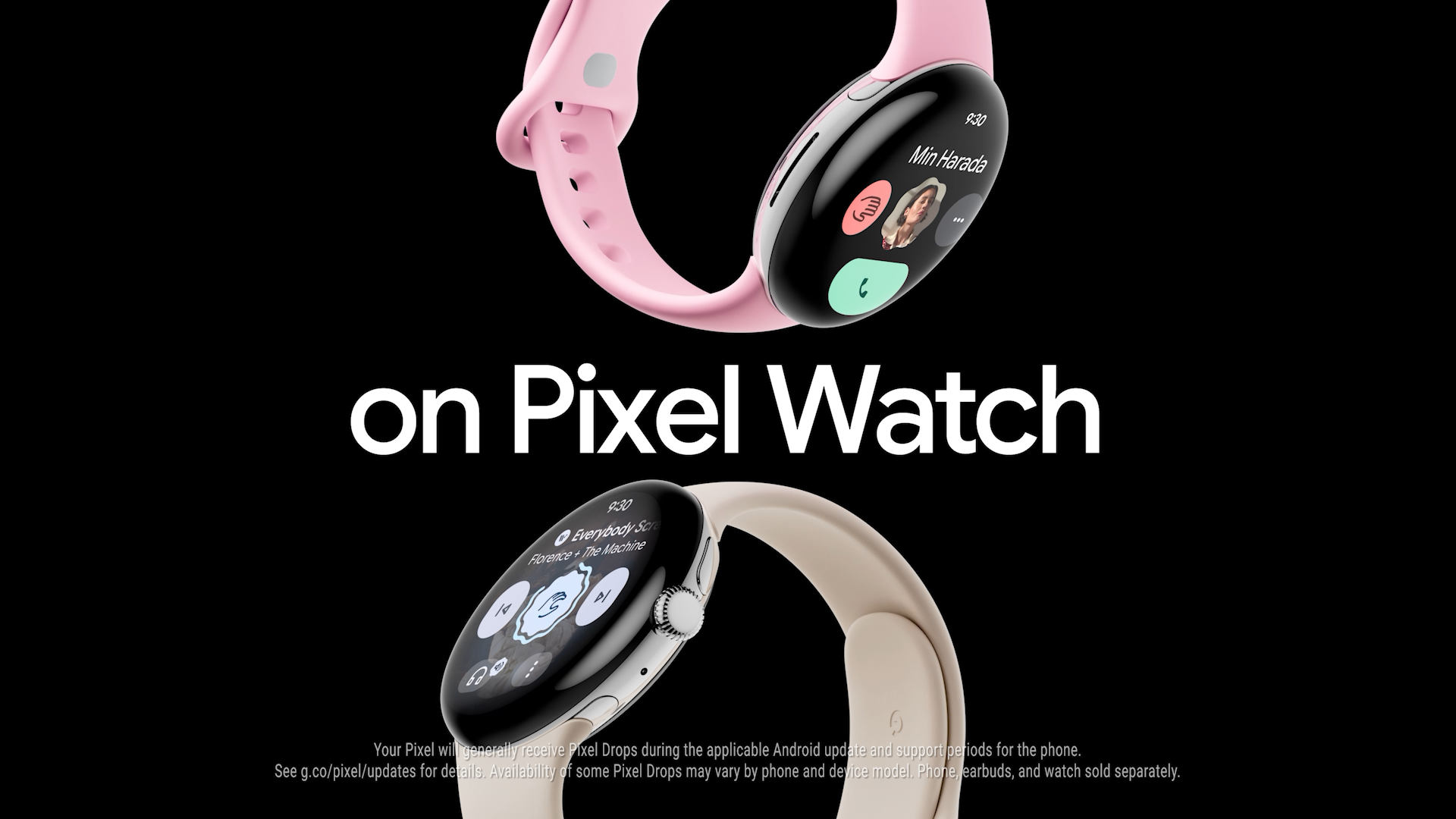
Pixel Watch 4: $349, 3000-Nit Display, Two-Way Satellite SOS, User-Replaceable Battery — Best Wear OS of 2026
41mm $349 / 45mm $399 (LTE +$100), 3000-nit AMOLED curved display with 16% smaller bezels, dual-chip architecture (25% faster / 50% lower power), 2-day battery (45mm), 14-15h GPS, two-way satellite emergency SOS via Skylo (US only, LTE model required), Gemini AI assistant, repairable battery (EU regulation), dual-band GNSS, Fitbit health platform. JoyVelo internal testing, 4 weeks.
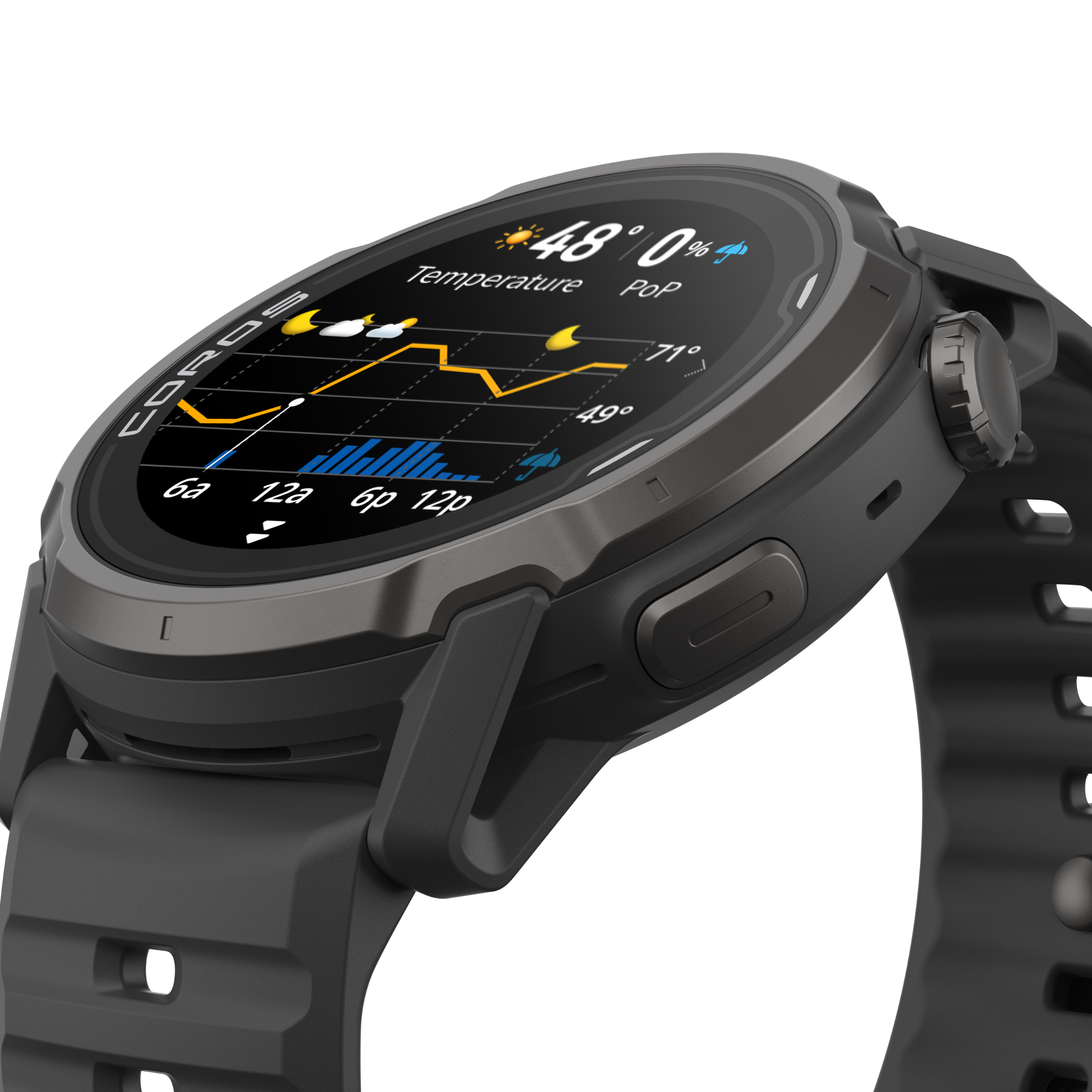
COROS APEX 4: $429/$479, MIP + Titanium Bezel, Dual Mics + Real Speaker — But GPS Navigation Has a Bug
42mm $429 / 46mm $479, MIP display + sapphire glass + titanium bezel, dual-band GNSS as standard (previously APEX 2 Pro only), dual mics with wind-noise reduction + real speaker for Bluetooth calls, depth meter (no dive certification), customisable Action button, 32GB storage, 30x faster map rendering, depth meter bug fixes pending. JoyVelo internal testing, 4 weeks, 70km hike + 200+ km running + 1 open-water swim.
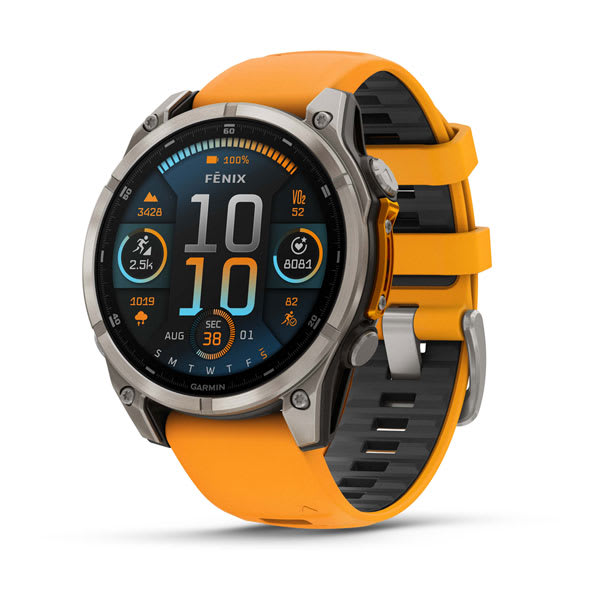
Garmin Venu 4: $549, 2-Button Touch Lifestyle Watch with ECG + LED Flashlight — But the $100 Hike Leaves a $400 Gap
41mm $549 / 45mm $549, AMOLED 2000+ nits (shared with Forerunner 570/970), metal case (vs Venu 3 bezel-only), 2 buttons + touch (down from 3), LED flashlight (4 white + red), FDA-cleared ECG + AFib, Lifestyle Logging (free for all Garmin users), shared OS with Fenix 8 / Forerunner 570/970, 80+ sport modes, dual-band GNSS, Mix Session multi-sport. JoyVelo internal testing, 4 weeks.
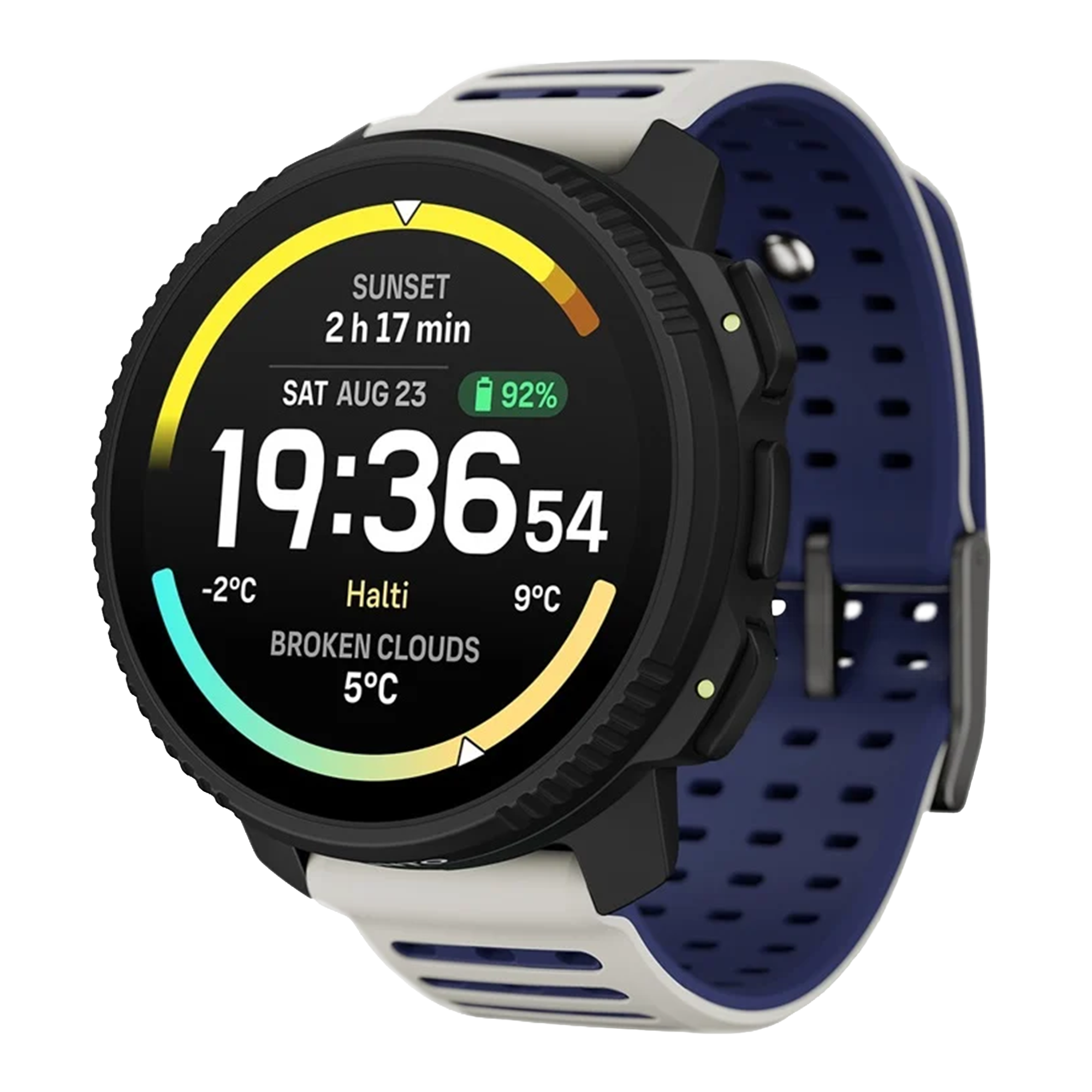
Suunto Vertical 2: $599 AMOLED, 65-Hour Dual-Band GPS Battery — The Best AMOLED Watch of 2026
AMOLED 2000 nits (Suunto’s MIP era is over except for dive watches), 65h dual-band GPS (matches solar MIP watches), 20-day smartwatch, 250h Tour mode, magnetic charging (no more accidental disconnection), LED flashlight with SOS + breathing + red strobe modes, $100 price hike vs Vertical 1 ($499 -> $599). JoyVelo internal testing, 4 weeks, 70km mountain hike.
Verify with JoyAnalyze
Import watch records into JoyAnalyze and overlay with a reference HR strap / power meter — quantify Garmin Forerunner 70: $249, 1.2" AMOLED, 13-Day Battery, Quick Workout — The Best Value Running Watch of 2026's GPS accuracy and biometric deviations.
Open multi-file compare in JoyAnalyzeSee how this fits you
The Garmin Forerunner 70: $249, 1.2" AMOLED, 13-Day Battery, Quick Workout — The Best Value Running Watch of 2026 is one option. Run the JoyFit assessment to see whether it actually matches your body and riding style — or compare it side-by-side with the other Sports Watchesin our database.
Community
Discuss this review · Pro members can rateComments
(0)Sign in above to leave a comment.
Loading comments…
Pro Ratings
PROLoading…Sign in above to rate this product on the 8-axis $APPEALS framework.