JoyVelo
Back to News
Industryindustry4 min read

UCI Tightens Anti-Doping Protocols for 2026: Biological Passport Updates

The UCI has updated its biological passport and anti-doping protocols for 2026. New thresholds for testosterone and hemoglobin levels aim to catch sophisticated doping.

UCI anti-doping protocol updates for 2026Industry

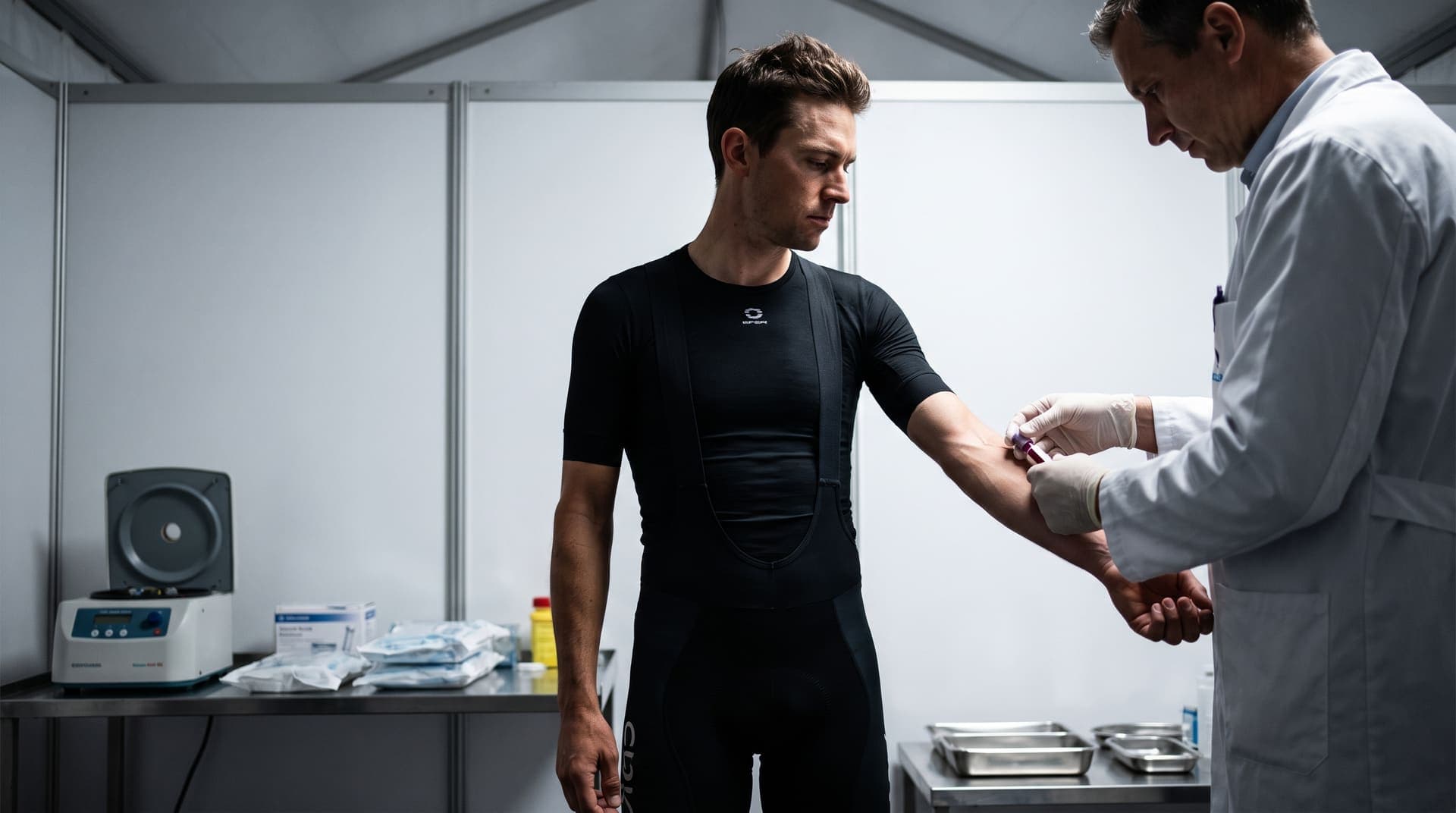
The UCI has updated its biological passport and anti-doping protocols for 2026, effective January 1. The changes target increasingly sophisticated doping methods that have evaded detection.

What's newLower testosterone threshold: Now 4:1 testosterone-to-epitestosterone (T/E) ratio (vs. 6:1 previously)Hemoglobin ceilings: Lowered by 0.5 g/dL across all categoriesCarbon isotope ratio testing: Expanded to detect synthetic testosterone useAtypical Finding protocol: Faster review and follow-upAthlete Biological Passport (ABP) v3.0: New statistical model with better sensitivity to micro-dosing

Why it mattersThe lower thresholds are designed to catch athletes who previously stayed within legal limits by using sophisticated doping protocols. The expanded carbon isotope testing is particularly important for detecting synthetic testosterone, which has historically been hard to detect in low doses.

Who it affectsAll UCI-registered athletes (WorldTour, ProTeam, Continental, U23, Junior). Amateur and masters athletes not registered with UCI are unaffected but should follow their national federation's rules.

ControversyThe lower thresholds have drawn criticism from athletes and advocacy groups who argue the new limits could trigger false positives for athletes with naturally elevated testosterone levels (a rare but documented condition). The UCI has countered that the new thresholds are based on population-level data and the ABP v3.0 algorithm accounts for individual variation.

Comments

Sign in with your JoyVelo account to join the conversation. Comments will open once you sign in.

Sign in to comment