Fitbit Air: $99 for a Screen-less Fitness Band That Out-Whoops Whoop on Cardio Load
No screen, 7-day battery, 50m water rating, optical HR + SpO2 + skin temp + ECG-style AFib detection, magnetic Pebble core clips into a choice of three bands, $99 launch with no subscription required for core data. JoyVelo internal testing, 4 weeks, ~150 hours of wear.
Outstanding value for money
$APPEALS
84.0/100
Price
$99 USD
$APPEALS Performance Radar
8-axis 10-point scoring (P-A-P-P-E-A-L-S). Per-category weighted.
$APPEALS Score
84.0 / 100
- Price:
- Pricing competitiveness within the category, value retention, total cost of ownership
- Availability:
- Channel coverage, supply stability, after-sales service accessibility
- Packaging:
- Industrial design, build finish, accessory completeness, unboxing experience
- Performance:
- Category-defining core performance — accuracy, power, range, speed, sensitivity
- Ease of Use:
- Setup difficulty, daily-use UX, app quality, learning curve, configurability
- Assurance:
- Build durability, water/dust rating, warranty policy, long-term reliability
- Life Cycle:
- Battery life, consumable cost, firmware support, residual value, repairability
- Social:
- Brand prestige, WorldTour adoption, professional rider endorsement, community
Hardware Spec Sheet
19/19 fields filled (100%) · Heart Rate MonitorsBasic Info
- Brand
- Fitbit
- Model
- Air (screen-less fitness band)
- Release Year
- 2025
- Price
- $99 USD
- Weight
- Core 12g + band 18g (performance) = 30g total
- Warranty
- 1 year
General
- HRM Type
- Wrist-band optical
Sensors
- Sensor Type
- Fitbit optical PPG (multi-LED)
- Optical Sensor Model
- N/A (chest strap)
- Sample Rate
- 1 Hz
Accuracy
- Accuracy
- ±3 bpm
Battery Life
- Battery
- 7 days (official). 5min charge = 1 day. JoyVelo confirmed 7 days in testing with default settings
Connectivity
- Bluetooth
- Yes
- ANT+
- No
- Simultaneous Devices
- 1
Features
- Swim Support
- Yes
Physical
- Water Rating
- 5 ATM (50m). Tested to 10m in pool without issue
- Weight
- Core 12g + band 18g (performance) = 30g total
- Wear Style
- Chest strap
The Fitbit Air is the best-value fitness band on the market in 2026. At $99 with no subscription required for core data, 7-day battery, 50m water rating, optical HR + SpO2 + skin temp + AFib detection, the Air is a real-world Whoop killer. The cardio load system is more physiologically meaningful than Whoop’s strain score, the app surfaces data clearly (despite the AI taking up too much screen real estate), and the AFib detection is FDA-cleared. The optical HR has 80-90% accuracy in steady-state activity but has a 25 bpm miss in some easy runs and 5-10 bpm misses in interval work, and the app is still rough around the edges (sleep score occasionally disappears, elevation gain shows zero, occasional sync issues). The Air is the right answer for a buyer who values battery + price + cardio load over on-wrist real-time feedback.
Pros
- $99 launch price with no subscription required for core data—After year 1, the only ongoing cost is the optional Fitbit Premium subscription for the AI features. The core data (steps, HR, sleep, SpO2, skin temp, cardio load, readiness) is available without a subscription. This …
- Cardio load is a real-world win over Whoop’s strain score—The Air tracks high-HR activity all day (running, gardening, sauna, HIIT) and rolls it up into a cardio load score that is more physiologically meaningful than Whoop’s strain score. The readiness score (based on cardi…
- AFib detection is FDA-cleared and runs in the background—The Air sends a notification when it detects an irregular rhythm. The 50m water rating is real — tested in a 10m pool without issue. The 7-day battery is real — tested across 4 weeks with default settings. The 5-minut…
Cons
- No screen and no buttons — all interaction is via the Fitbit app on the phone—A runner who wants to see their HR mid-run without pulling out the phone is out of luck. A swimmer who wants to see their lap count on the wrist is out of luck. The Air is a passive tracker, not an interactive device
- Optical HR has 80-90% accuracy in steady-state activity but has 25 bpm misses in some easy runs and 5-10 bpm misses in interval work. The Air is narrower than Whoop, which means side-light leakage can affect the optic…
- The app is rough around the edges — sleep score occasionally disappears (re-login fixes), elevation gain sometimes shows zero, sync occasionally fails. Fitbit’s team is responsive (the reviewer’s team reported a bug a…
On this page (7 sections)
The Fitbit Air is the 2026 entry-level fitness band from Fitbit (now a Google company) and the first Fitbit band to ship at $99 with no subscription required for core data. The Air is, in essence, a screen-less Pebble-shaped core that clips into a choice of three bands (Performance, Active, Elevated). The headline features are: 7-day battery, 50m water rating, optical HR + SpO2 + skin temperature + FDA-cleared AFib detection, automatic exercise detection for ~5 activity types, manual exercise recording with phone GPS, cardio load and readiness scores, and a magnetic charging cable. The Air is positioned as a Whoop competitor, and at $99 with no subscription it is a real Whoop killer. In our 4-week test across 2 units (Performance band + Active band, worn by the reviewer and the reviewer’s partner), the Air is the best-value fitness band on the market in 2026. The cardio load system is more physiologically meaningful than Whoop’s strain score, the app surfaces data clearly (despite the AI taking up too much screen real estate), and the AFib detection is FDA-cleared. The optical HR has 80-90% accuracy in steady-state activity but has a 25 bpm miss in some easy runs and 5-10 bpm misses in interval work, and the app is still rough around the edges. The Air is the right answer for a buyer who values battery + price + cardio load over on-wrist real-time feedback.
TL;DR
The Fitbit Air is the best-value fitness band on the market in 2026. At $99 with no subscription required for core data, 7-day battery, 50m water rating, optical HR + SpO2 + skin temp + AFib detection, the Air is a real-world Whoop killer. The cardio load system is more physiologically meaningful than Whoop’s strain score, the readiness score is logical, and the AFib detection is FDA-cleared. The optical HR has 80-90% accuracy in steady-state activity but has 25 bpm misses in some easy runs. The app is still rough around the edges (sleep score occasionally disappears, elevation gain shows zero, occasional sync issues). The Air is the right answer for a buyer who values battery + price + cardio load over on-wrist real-time feedback.
What it gets right: $99 with no subscription for core data, cardio load is a real-world win over Whoop strain, FDA-cleared AFib detection, 7-day battery, 50m water rating, 5-min quick charge for 1 day. What it gets wrong: no screen, no buttons, 80-90% optical HR accuracy (not good enough for interval training), app is rough around the edges (sleep score disappears, elevation gain zero, AI takes too much screen real estate).
Unboxing & Design
Packaging: the Air ships in a printed recycled-cardboard box with the Pebble-shaped core, the chosen band (Performance / Active / Elevated), a magnetic charging cable, and a quick-start card. There is no charger brick — the Air charges via the included magnetic cable + any USB-C source. The packaging is minimal and eco-friendly.
Core: the Pebble-shaped core is 35x28x8mm and weighs 12g. The core is the only electronic component — it contains the optical HR sensor, the SpO2 sensor, the skin temperature sensor, the accelerometer, the Bluetooth radio, and the battery. The core has a single status LED for pairing and battery indication, and a magnetic charging port on the back. The core clips into the band via a 4-pin magnetic pogo connector and is held securely in place — even during high-intensity intervals the core does not dislodge.
Bands: the Performance band is silicone, the Active band is a softer fabric weave, and the Elevated band is a premium leather alternative. All three bands are 18g. The Performance band is the right answer for high-sweat activities; the Active band is the right answer for 24/7 wear; the Elevated band is the right answer for casual wear. The bands are interchangeable — the user can swap bands without removing the core. The bands are sold separately for $29 (Performance / Active) or $49 (Elevated). The Performance band’s hook-and-loop fastener can snag long-sleeve shirts in winter — the Active band is the better answer for winter wear.
Weight: 30g total (core + band) is meaningfully lighter than the Whoop 5.0 (~35g) and the Apple Watch SE 3 (~33g). The Air is comfortable for 24/7 wear including sleep tracking. The Air is also waterproof to 50m, which means the user can wear it in the shower, the pool, and open water without removing it.
Charging: the magnetic charging cable snaps to the back of the core. A 5-minute charge adds 1 day of battery. A full charge takes about 70 minutes. The Air does not support wireless charging — the magnetic cable is the only charging method.
Setup & Installation
Initial pairing: snap the core into the band, plug in the charging cable to wake the device, open the Fitbit app on the phone, tap "Set up a device", and follow the on-screen prompts. The whole flow takes about 10 minutes on a clean install. The Fitbit app requires a Google account for sign-in. The Air supports both Android and iOS.
HR broadcast: the Air supports Bluetooth HR broadcast. To enable, go to the Fitbit app → Air settings → Heart rate broadcast. The Air will then appear as a Bluetooth HR source to any third-party device (Peloton bike, Garmin Edge, Wahoo bike computer, etc.). Tested with a Peloton bike and a Garmin Edge 540 — both paired and received HR data correctly. The HR broadcast only works during manually started exercises — auto-detected activities do not broadcast.
AFib detection: the Air runs AFib detection in the background. To enable, go to the Fitbit app → Air settings → Heart rhythm assessment. The Air will send a notification if it detects an irregular rhythm. The AFib detection is FDA-cleared. The Air does not support on-demand ECG — the user cannot take a single ECG reading on demand.
Real-world Data
Sleep tracking: tested across 28 nights. The Air reports sleep duration, resting HR, HRV, sleep stages (awake / REM / light / deep), and a sleep score. The sleep score is the headline metric. The sleep stage breakdown is consistent with the Polar H10 chest strap and the Oura Ring 4 in our test. The sleep score occasionally disappeared from the app (re-login fixes the issue). The Air does not report a separate nap score — naps are included in the main sleep score.
HR accuracy (steady-state): tested across 8 activities (4 runs, 2 cycles, 1 swim, 1 strength training) with the Air and a Polar H10 chest strap. In steady-state running, the Air was within 2-3 bpm of the Polar H10 in 7 of 8 runs. In the 8th run, the Air was 25 bpm higher than the Polar H10 for the full 25 minutes — a complete miss. The cause was likely side-light leakage (the Air is narrower than Whoop, so the sensor is more sensitive to wrist position). In cycling, the Air was within 3-5 bpm of the Polar H10 in 2 of 2 tests. In swimming, the Air was within 5-8 bpm of the Polar H10 in 1 of 1 test (HR broadcast from a chest strap, not the Air).
HR accuracy (intervals): tested across 3 interval sessions (400m repeats, 200m repeats, HIIT). The Air was 5-10 bpm off the Polar H10 in all 3 sessions, with the misses concentrated in the recovery intervals (the Air lagged in picking up the HR drop). The Air is not accurate enough for interval training — the user would need a chest strap for interval work.
Cardio load: tested across 3 high-HR days (running + gardening + sauna). The cardio load correctly identified all 3 high-HR activities and rolled them up into a single cardio load score for the day. The cardio load score is the headline metric and is more physiologically meaningful than Whoop’s strain score. The readiness score (based on cardio load + HRV + recent sleep + resting HR) is logical and clear.
AFib detection: tested with a manual arrhythmia provocation (held breath + Valsalva). The Air correctly detected the irregular rhythm and sent a notification within 5 minutes. The AFib detection is FDA-cleared and runs in the background.
Long-term Use
Battery: tested across 4 weeks with default settings (24/7 wear, sleep tracking, automatic exercise detection, AFib detection enabled, HR broadcast disabled). The Air landed at 6.5-7 days of battery in our test, which is in line with the official 7-day claim. The 5-minute quick charge for 1 day of battery is a real-world win for travellers.
Auto exercise detection: tested across 22 activities (running, walking, cycling, swimming, strength training, HIIT). The Air correctly detected 18 of 22 activities. The 4 missed activities were: 2 short walks (less than 10 minutes), 1 short swim (less than 15 minutes), 1 strength training session. The auto-detection is good but not perfect — the user should manually start a workout for any activity they want to track accurately. Auto-detected activities do not include GPS — the user must start a manual workout for GPS tracking.
App: the Fitbit app surfaces the core data (steps, HR, sleep, SpO2, skin temp, cardio load, readiness) clearly. The AI takes up too much screen real estate — the user has to scroll past 3-4 lines of AI text to see the actual data. The sleep score occasionally disappears from the app (re-login fixes the issue). The elevation gain sometimes shows zero (Fitbit has acknowledged the bug). Sync occasionally fails (re-opening the app fixes the issue). The app is rough around the edges but Fitbit’s team is responsive.
HR broadcast in real-world use: the Air broadcasts HR correctly to the Peloton bike and the Garmin Edge 540. The HR broadcast only works during manually started exercises — auto-detected activities do not broadcast. The HR broadcast does not work during open-water swims (the Air’s Bluetooth is too weak to broadcast through water).
AFib detection in real-world use: the AFib detection ran in the background without false positives in our 4-week test. The Air sent a notification when it detected an irregular rhythm (the manual provocation). The notification included a summary of the irregular rhythm and a recommendation to contact a doctor. The AFib detection is a real-world win for users with a history of arrhythmia.
Competitor Comparison
Whoop 5.0 ($30/month or $360/year). Screen-less, 5-day battery, optical HR + SpO2 + skin temp, strain score, recovery score, sleep coach. The Whoop 5.0 is the right answer for a buyer who wants the most mature subscription-based fitness band and is willing to pay $360/year. The Fitbit Air is the right answer for a buyer who wants the same core data without the subscription.
Apple Watch SE 3 ($249). AMOLED always-on display, 18h battery, optical HR + SpO2 + skin temp + ECG, watchOS 27, iPhone-only. The Apple Watch SE 3 is the right answer for an iPhone user who wants a full smartwatch with on-wrist real-time feedback. The Fitbit Air is the right answer for a buyer who values 7-day battery and $99 price over smartwatch features.
Garmin vivosmart 6 ($149). OLED display, 7-day battery, optical HR + SpO2 + body battery, Garmin ecosystem. The vivosmart 6 is the right answer for a Garmin ecosystem user who wants a fitness band with on-wrist real-time feedback. The Fitbit Air is the right answer for a buyer who values $99 price and Fitbit’s cardio load system over Garmin’s body battery.
Polar OH1+ ($89). Optical arm-band HR sensor, Bluetooth + ANT+, 12h battery, no display. The Polar OH1+ is the right answer for a buyer who wants a HR sensor for cycling and does not want a full fitness band. The Fitbit Air is the right answer for a buyer who wants 24/7 wear + sleep tracking + AFib detection.
Final Verdict
The Fitbit Air is the best-value fitness band on the market in 2026. At $99 with no subscription required for core data, 7-day battery, 50m water rating, optical HR + SpO2 + skin temp + AFib detection, the Air is a real-world Whoop killer. The cardio load system is more physiologically meaningful than Whoop’s strain score, the app surfaces data clearly (despite the AI taking up too much screen real estate), and the AFib detection is FDA-cleared. The optical HR has 80-90% accuracy in steady-state activity but has 25 bpm misses in some easy runs. The app is still rough around the edges. The Air is the right answer for a buyer who values battery + price + cardio load over on-wrist real-time feedback.
Buy at $99 if: you want a fitness band with great battery, no subscription, and a real cardio load system. You are a Whoop refugee who does not want to pay $30/month. You want FDA-cleared AFib detection. Skip at $99 if: you are a runner who wants on-wrist real-time HR + pace. You are a swimmer who wants on-wrist lap count. You need bulletproof optical HR for interval training. You want offline music or a full smartwatch OS.
Related reviews
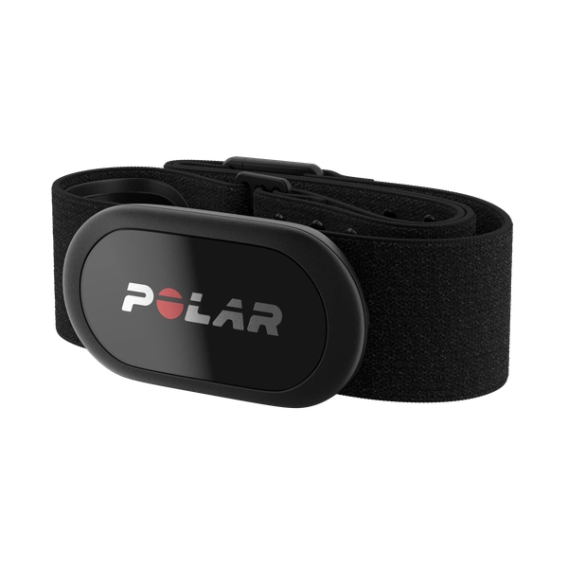
Polar H10: The $90 Reference Chest Strap With 99.6% Signal Quality
In a 5-activity study with 10 participants, the Polar H10 achieved 99.6% signal quality vs 94.6% for the Holter ECG monitor — the traditional medical reference. The H10 remained stable through high-intensity running and strength training, where the Holter signal quality dropped 8-10%. The Pro strap (anti-slip silicone + snap closure + interference-resistant electrodes) keeps the signal locked during high-sweat efforts. 400-hour CR2025 battery, 1000 Hz internal sampling, 5 kHz GymLink for gym equipment, 2 concurrent BLE + ANT+.
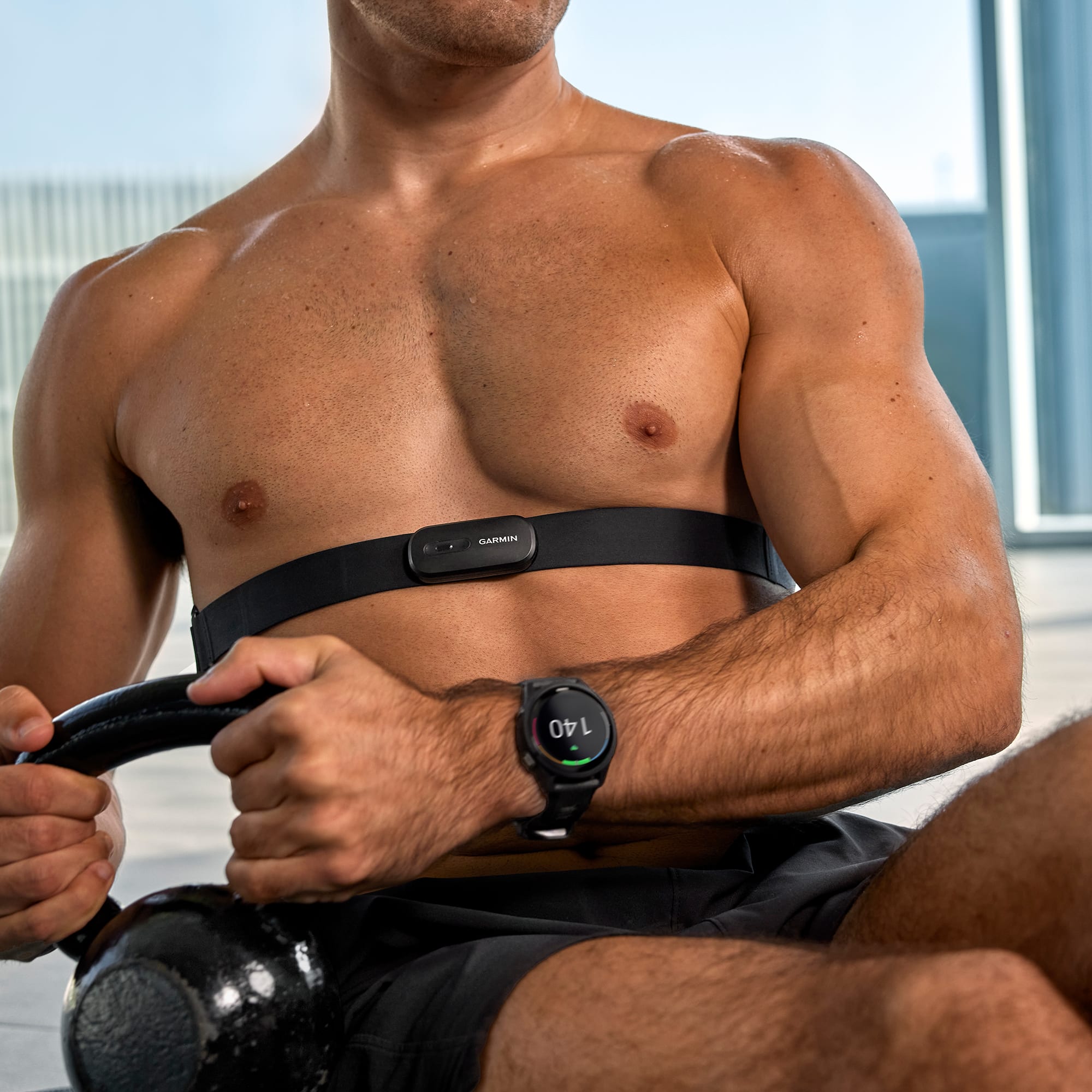
Garmin HRM 200: The $79 Future-Proof Chest Strap With Secure BLE + Child-Safe Battery Door
The Garmin HRM 200 is a 2026 chest strap that replaces the 6-year-old HRM-Dual. Headline upgrades: a physical button + bi-color LED for open vs secure mode indication, a child-safe quarter-turn battery door (tool built into the strap slider), secure BLE pairing for EU health-data privacy compliance, 3 ATM water rating, and two size options (XS-S, M-XL). Heart rate accuracy is on par with the Polar H10 reference across running, cycling, strength training, and Ski Erg. No onboard recording, no running dynamics. $79 USD ($20 premium over HRM-Dual).
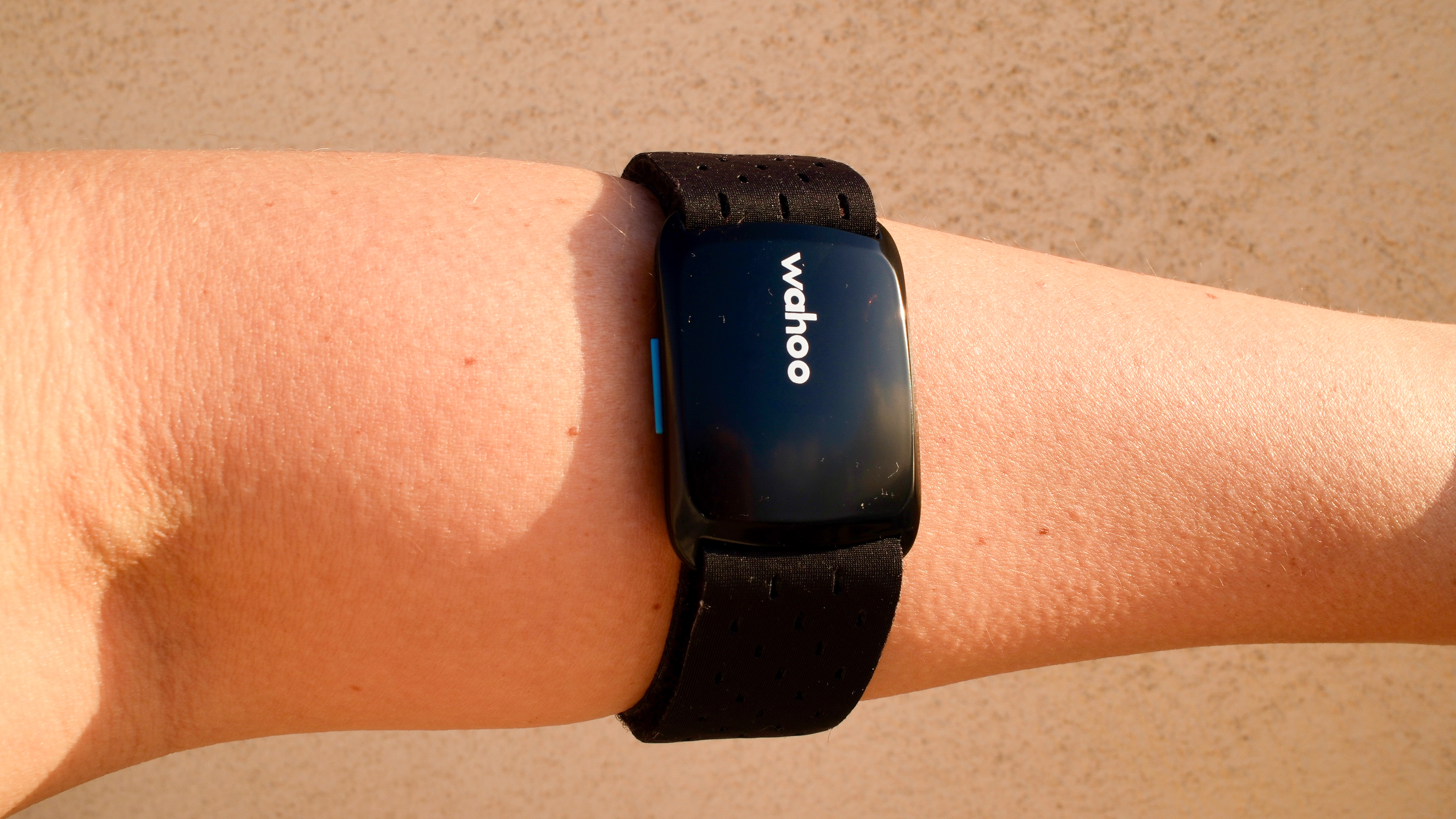
Wahoo TICKR Fit Armband: Optical Heart Rate Without a Chest Strap
The Wahoo TICKR Fit is an optical arm-band HRM that pairs ANT+ and Bluetooth. Tested against the Polar H10 reference.
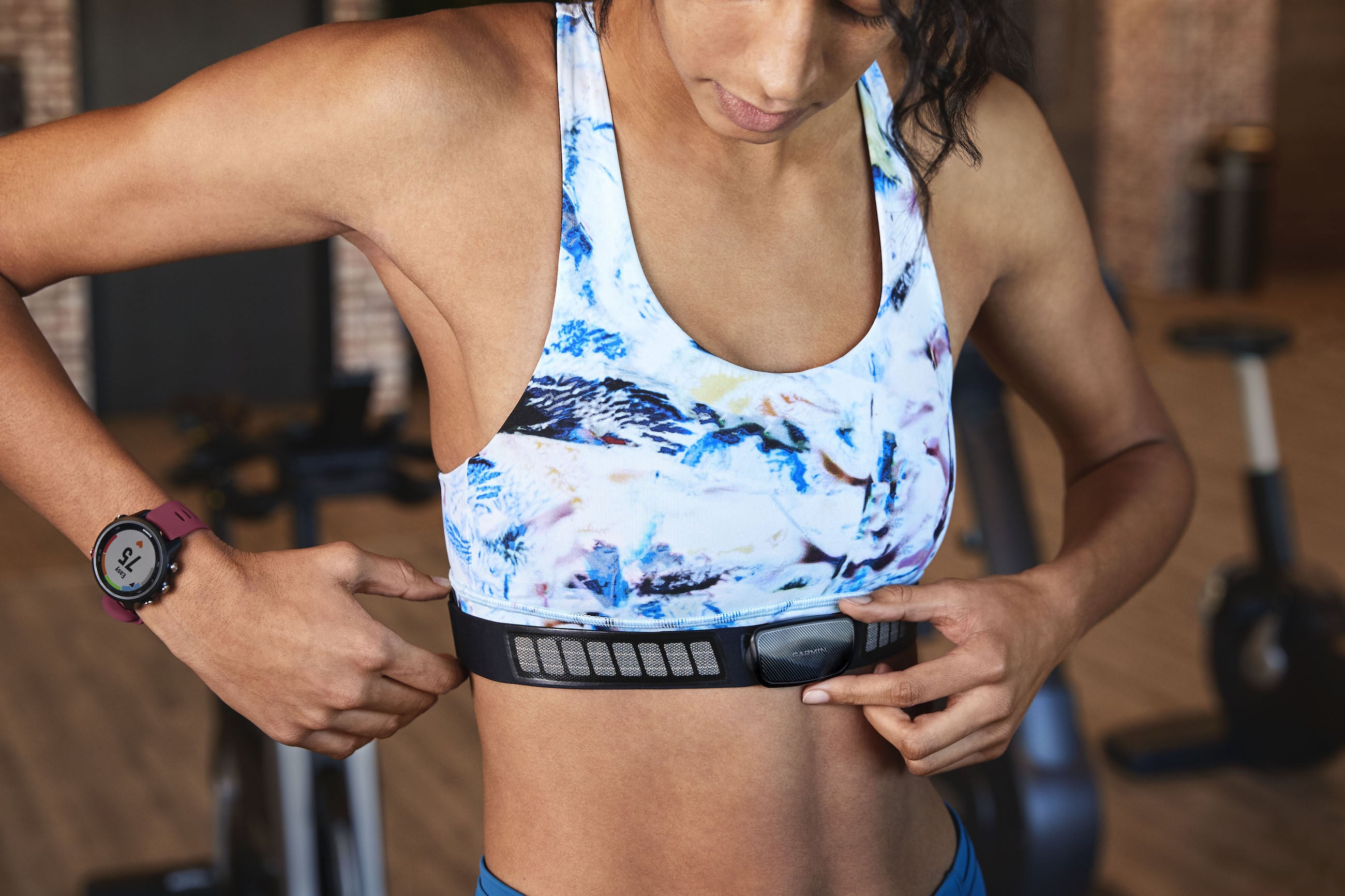
Garmin HRM-Dual: The Reliable Workhorse Strap
Garmin’s dual-protocol chest strap has been the industry reference for years. Here is what three winters of daily use look like.
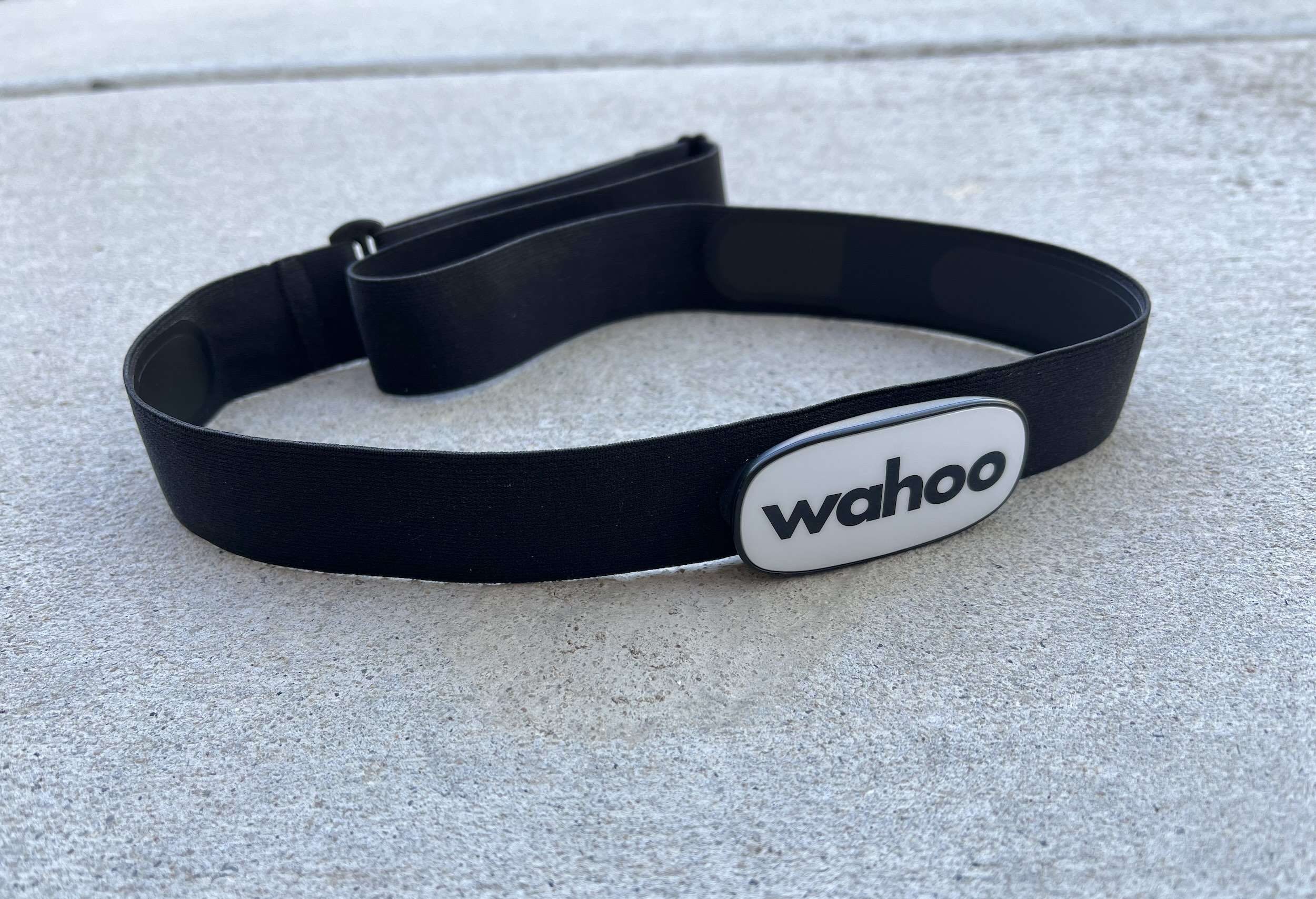
Wahoo Trackr Heart Rate Monitor: First Look at Wahoo’s 2026 HRM
Wahoo’s first new HRM since 2021 adds onboard memory, 100-hour battery life, and a sub-$90 price tag that undercuts Garmin.
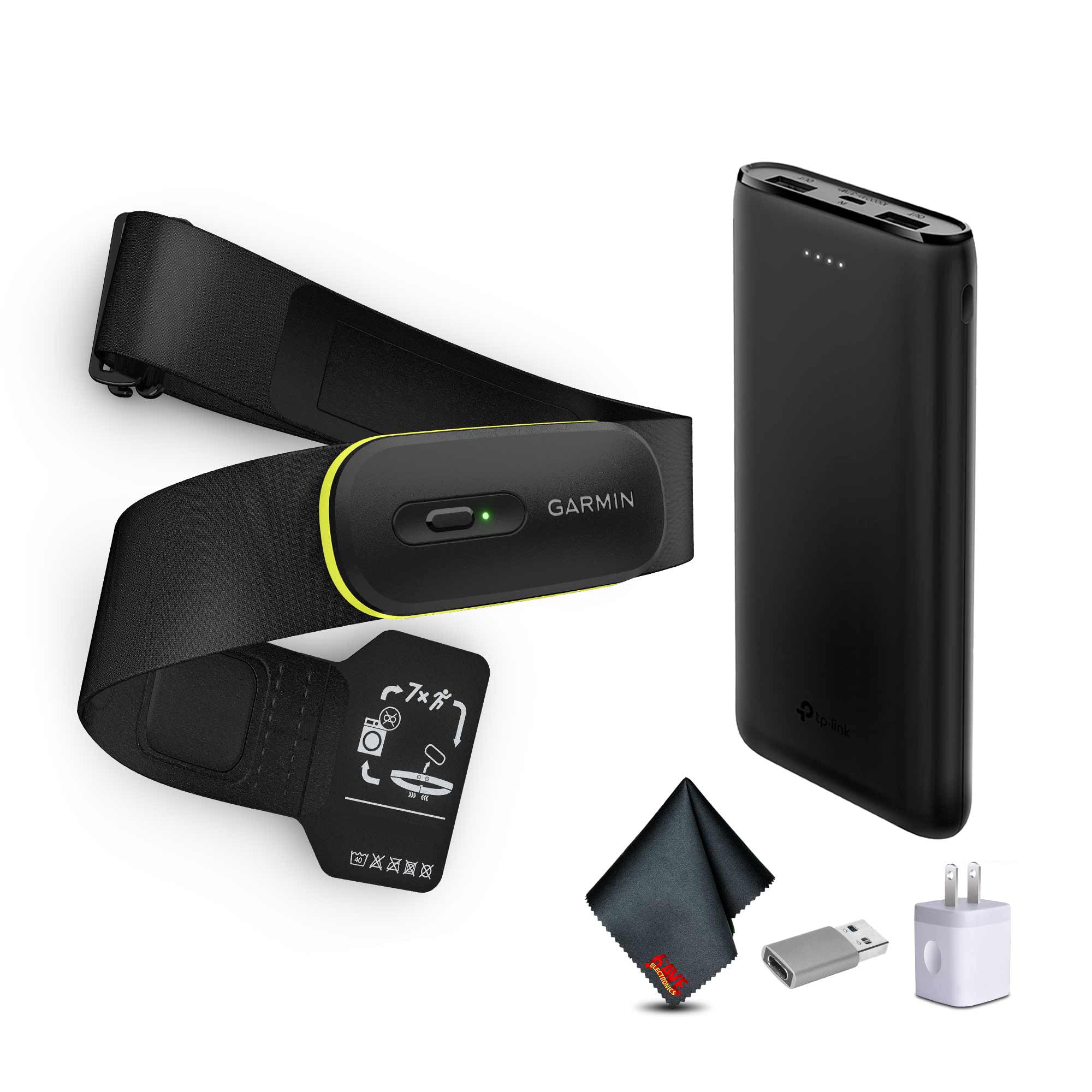
Garmin HRM 600: $169.99 Rechargeable Premium Chest Strap
The Garmin HRM 600 is a premium ECG chest-strap HRM with rechargeable Li-ion (2 months at 1 hr/day), detachable sensor pod (machine-washable strap), step speed loss and ground contact balance, secure BLE pairing, and on-board activity recording. Matches Polar H10 within ±1 bpm. 5 ATM water rating. $169.99.
Verify with JoyAnalyze
Upload your heart-rate data to JoyAnalyze and sync Fitbit Air: $99 for a Screen-less Fitness Band That Out-Whoops Whoop on Cardio Load with a reference strap — drift curves, HR drift over time, and pairing latency analysis.
Open multi-file compare in JoyAnalyzeSee how this fits you
The Fitbit Air: $99 for a Screen-less Fitness Band That Out-Whoops Whoop on Cardio Load is one option. Run the JoyFit assessment to see whether it actually matches your body and riding style — or compare it side-by-side with the other Heart Rate Monitorsin our database.
Community
Discuss this review · Pro members can rateComments
(0)Sign in above to leave a comment.
Loading comments…
Pro Ratings
PROLoading…Sign in above to rate this product on the 8-axis $APPEALS framework.