Garmin Fenix 8 Solar Review - JoyVelo.com
Garmin’s flagship Fenix 8 adds dive mode, a built-in speaker, leakproof inductive buttons, and a redesigned UI. Same GPS and heart-rate hardware as the Fenix 7 Pro. The $999 entry price is $200 up from the previous generation, and cellular is still missing. JoyVelo’s 8-week test across running, cycling, and swimming found it the best multisport watch Garmin has built, but the value math is harder than ever.
Exceptional core performance at this price point — main trade-off is endurance
$APPEALS
76.6/100
Price
999
$APPEALS Performance Radar
8-axis 10-point scoring (P-A-P-P-E-A-L-S). Per-category weighted.
$APPEALS Score
76.6 / 100
- Price:
- Pricing competitiveness within the category, value retention, total cost of ownership
- Availability:
- Channel coverage, supply stability, after-sales service accessibility
- Packaging:
- Industrial design, build finish, accessory completeness, unboxing experience
- Performance:
- Category-defining core performance — accuracy, power, range, speed, sensitivity
- Ease of Use:
- Setup difficulty, daily-use UX, app quality, learning curve, configurability
- Assurance:
- Build durability, water/dust rating, warranty policy, long-term reliability
- Life Cycle:
- Battery life, consumable cost, firmware support, residual value, repairability
- Social:
- Brand prestige, WorldTour adoption, professional rider endorsement, community
Hardware Spec Sheet
8/26 fields filled (31%) · Sports WatchesBasic Info
- Brand
- Garmin
- Model
- Fenix 8 Solar
- Release Year
- 2024
- Price
- 999
- Weight
- 80 g (47mm, head unit only); 92 g with silicone strap
- Warranty
- 2 years
Display
- Display Type
- —
- Display Size
- —
- Display Resolution
- —
- Always-on Display
- —
Sensors
- GPS Chip
- —
- Satellite Systems
- —
- Optical HR Sensor
- —
- Barometer
- —
- Compass
- —
Battery Life
- Battery (Smart Mode)
- —
- Battery (GPS Mode)
- —
- Battery (Saver Mode)
- —
Physical
- Water Rating
- 10 ATM + EN13319 dive certified to 40 m software / 100 m hardware
- Case Material
- —
- Strap Material
- —
Features
- Sport Modes
- 50
- Music Storage
- —
Connectivity
- Bluetooth Version
- —
- Wi-Fi
- —
- ANT+
- —
The Garmin Fenix 8 Solar landed in late 2024 as Garmin’s flagship multisport watch. At $999 starting MSRP, it is also Garmin’s most expensive watch.
Pros
- Performance 9.0/10
- Ease of Use 8.5/10
- Packaging 8.2/10
Cons
- Life Cycle 4.0/10
- Social 5.0/10
- Availability 7.0/10
On this page (13 sections)
- One product line instead of two
- Three sizes, one missing option
- Fenix 8 lineup: Fenix 8, Fenix 8 Solar, Fenix E, Enduro 3
- Leakproof buttons, microphone, speaker
- Voice commands and voice notes
- Dive mode — 40 m software, 100 m hardware
- What changed on the Solar edition
- New user interface
- Activity stages — start, data, music
- Maps, navigation, and the dynamic round-trip
- Battery life — JoyVelo’s real numbers
- GPS and heart rate — the Fenix 7 Pro carryover
- Verdict — a great watch, at a hard price
The Garmin Fenix 8 Solar landed in late 2024 as Garmin’s flagship multisport watch. At $999 starting MSRP, it is also Garmin’s most expensive watch. The big questions for our readers: what did the Fenix 8 actually add over the Fenix 7 Pro, and is the $200 price hike worth it? We ran two AMOLED units and a 47 mm Solar for ~8 weeks across running, gravel, road cycling, mountain biking, and two open-water swims. Here is the verdict.
One product line instead of two
The Epix is dead — at least in name. Garmin merged the AMOLED Fenix (formerly the Epix) and the MIP Fenix (formerly the Fenix 7) into a single product line, so the Fenix 8 is just the Fenix 8. If you had a MIP Fenix 7 before, it is now called the Fenix 8 Solar. If you had an AMOLED Epix, it is now the Fenix 8. The merging makes sense because the two lines always shared software — the only real difference was the display technology (AMOLED vs MIP) and the resulting battery trade-off. For our readers, the practical effect is that you now choose a Fenix 8 by size and display, not by product line.
Three sizes, one missing option
Three case sizes: 43 mm, 47 mm, and 51 mm. The smallest is 43 mm this generation (up from 42 mm) and the screen on the 47 mm and 51 mm versions is the same 1.4 inches — a quiet win for the mid-size. The gotcha: the 43 mm is AMOLED-only. There is no 43 mm Solar. Garmin’s reasoning is that the MIP + solar stack would have pushed the case thickness up by ~1.5 mm, which they judged unacceptable. So if you want solar charging, you have to take a 47 mm or 51 mm case. Pricing tiers by size run roughly $999 / $1,099 / $1,199 for the AMOLED versions, with the Solar variants adding a further $100 — $200 across the lineup.
Fenix 8 lineup: Fenix 8, Fenix 8 Solar, Fenix E, Enduro 3
Garmin launched the Fenix 8 alongside two related watches, and the lineup split is worth understanding before you spend $1,000. The Fenix 8 (AMOLED, $999+) and the Fenix 8 Solar (MIP + solar, $1,099+) are the two flagship variants — same hardware, just display technology. The Fenix E ($799) is the price-compressed entry: 47 mm AMOLED only, 1.3-inch display (vs 1.4 on the Fenix 8 47 mm), 4th-generation Elevate heart-rate sensor (vs 5th-gen on the Fenix 8), less on-board memory, no speaker or microphone, no dive functionality, and a 4th-gen ECG certification rather than the 5th-gen one. Garmin positions it as "an Epix Gen 2 with the new software." For a runner who does not need diving or speaker calls, the Fenix E is the value pick at $200 less than the Fenix 8 entry.
The Enduro 3 is the solar/battery-king sibling. It skips the speaker, microphone, and dive mode entirely, but uses the same 5th-gen Elevate HR sensor (with ECG), gets the same new software UI, and has a much larger solar ring on the bezel for Garmin’s "300+ hour GPS battery" claim in direct sun. For multi-day ultra-endurance events (100-mile trail races, week-long stage races, backcountry trips with no charger), the Enduro 3 is the more appropriate tool. For everyone else, the Fenix 8 is the more complete package.
Leakproof buttons, microphone, speaker
Three hardware changes are worth calling out. First, the new leakproof inductive buttons — the same technology Garmin uses in the Descent Mk2 dive watch. There is no physical shaft through the case; presses trigger the internals via induction, which is what makes the case fully sealed for diving. The feel is different from the previous Fenix buttons. The click is softer, with a positive haptic instead of a mechanical detent. JoyVelo’s testing found it takes a day or two to adapt; after that it is fine, but it is not better.
Second, a microphone and speaker are now built in, both hidden under a thin metal strip on the right side that also covers the barometer. You can take calls on the watch, route them to your phone’s voice assistant, listen to stored music, and use Garmin’s new offline voice assistant. JoyVelo’s call-quality testing was middling: callers said we sounded clear but noticeably quiet at max volume, with occasional crackle on a weak connection. Fine for quick hands-free calls; not a phone replacement.
Voice commands and voice notes
You activate voice commands by long-pressing the upper-right button. The watch does not respond to a wake word (so no "Hey Garmin"); you must press the button. From there you can start a run, save a waypoint, set a timer, ask the weather, or open a specific widget. Recognition is surprisingly reliable for an offline system, and we did not see it mis-hear in our testing. The catch: most of these tasks are faster to do manually on a watch, so we ended up using the voice features only for timers and alarms.
The microphone also unlocks geotagged voice notes. You can record a quick memo (something you saw on a ride, a route note) and the watch pins it to your location. As of writing, the notes live on the watch only — there is no sync to the phone, no playback outside the watch. Garmin says sync is on the roadmap. Useful as a ride-logbook feature today, but rough around the edges.
Text replies are partially supported. On Android, you can fire back a quick reply from a list of canned responses; the watch handles replies without invoking the phone. On iPhone, Apple restricts text-reply APIs to the Apple Watch, so Garmin’s direct reply path is blocked. The workaround: invoke Siri (long-press the lower-right button) and dictate the reply that way. Garmin has since added a notification reply UI that sits one tap away from the message, so the flow is closer to native now, but iPhone users still route through Siri for the actual transcription. It is a workable flow, but not as seamless as on Android.
Dive mode — 40 m software, 100 m hardware
Garmin pulled the dive engine from the Descent Mk2 / Mk3 and dropped it into the Fenix 8. You get single-gas recreational diving, freediving, and snorkeling profiles, with surface-interval and time-to-fly data. Important nuance: the hardware is rated to 100 m, but the Fenix 8 software caps the usable depth at 40 m. If you go deeper, the watch stops reporting depth and prompts you to ascend. Garmin’s positioning is the same as Apple’s: the vast majority of recreational dives happen inside 40 m, and a hard cap reduces liability. It is the right call for the audience, but it is not a Descent Mk3 replacement — serious divers will still want the dedicated watch.
What changed on the Solar edition
The Solar version has two visible changes from the Fenix 7 Solar. First, the over-display solar panel is gone. On the Fenix 7, a thin translucent conductive layer sat on top of the screen, and it slightly washed out the display in bright sun. Garmin removed it, and readability is noticeably better. Second, the bezel solar ring is now black instead of the red-brown tint of previous generations, so it visually disappears into the bezel. The ring itself is more efficient; Garmin claims an extra two hours of GPS battery per hour of direct sun, matching the technology on the new Enduro 3. In JoyVelo’s testing the solar panel added ~5–10% per day in direct sun — useful, but not enough to fully offset the AMOLED panel’s power draw on a 47 mm case.
New user interface
Garmin redesigned the system UI from the ground up. The stated goal is to stop shipping a new UI with every product line; the Fenix 8, the Fenix E, and the Enduro 3 all share the same look. The biggest user-visible changes: the settings menu is consolidated, with the most-used items at the top, and the font size is now user-selectable in setup (not just standard / large). JoyVelo’s testers found the new settings layout easier to navigate, especially when you are a Garmin newcomer. There is also a temporary touch-unlock: when touch is disabled, a single downward swipe on the screen unlocks it for a few seconds. Excellent for map panning without enabling touch permanently.
Focus modes round out the new UI. Garmin added two preset focus modes (similar to the smartphone concept) that let you change the watch’s behaviour — which notifications come through, which apps are surfaced, which widgets are pinned — with a single tap. As of writing there are only the two presets, and custom focus modes are not yet exposed, so the feature feels half-baked in its current form. Garmin says custom focus modes are coming. For now: useful if the two presets happen to match your life, otherwise a watch-face switch gets you most of the same effect.
Activity stages — start, data, music
Inside an activity, the new UI presents three horizontal "lanes". The first lane is the start screen — GPS strength, paired sensors, and shortcuts to the training menu, navigation, and activity settings. Swipe right for the data pages, swipe right again for music controls. JoyVelo’s take: the training-menu shortcut on the start screen is a real improvement; the data-and-music two-step is fine but rarely needed mid-ride, since you usually have music set up before you start. Critically, the legacy short-press up / down behaviour (cycling data screens) is preserved — Garmin did not break the muscle memory. The physical button mapping is a little confusing at first, though, because some gestures use swipe and some use buttons.
Strength training plans join the Garmin Connect plan roster as of 2026. Where Garmin previously focused plans on running, cycling, and triathlon, there are now structured 4-6 week strength-training plans (general fitness, runner-specific strength, cyclist-specific strength). They show up in the same training menu as the run / ride plans, and the watch guides you through sets and reps the same way. The plans are useful for cyclists and runners who want to add off-the-bike strength work but do not have a coach writing programmes; for anyone with a personal trainer, the structured-workout loader is still the more flexible option.
Maps, navigation, and the dynamic round-trip
The map screen got a real refresh. The old straight-line scale bar is replaced with a radius arc at the top of the screen. One tap toggles North Up vs Track Up. Map layers (bird’s eye imagery, terrain, labels) can be flipped on and off directly from the map screen, no menu diving required. The ski map mode now snaps recorded runs to actual trails and breaks out your day by run difficulty — a feature we missed when testing competitors.
The standout new navigation feature is Dynamic Round-Trip Routing. You ask the watch for a 10 km loop, it builds a route, you start, and if you deviate to chase a view or detour around a closure, the watch recalculates the remaining distance so you still finish at 10 km. It sounds like a small thing but it is the first time we have seen a wearable handle "I wandered off course but still want my target distance" gracefully. JoyVelo’s testers loved it on exploratory rides.
Ski map mode got a real upgrade too. Garmin now uses the GPS track to snap your recorded runs to the nearest chairlift-served trail, and after you save the activity it breaks out your day by run difficulty — black, blue, green counts plus per-run distance and vertical. The behaviour is very close to what the Slopes app does on Apple Watch, but built into the stock Garmin ski mode. For skiers who do not want to manage a third-party app subscription, this is now sufficient.
Battery life — JoyVelo’s real numbers
On the 47 mm AMOLED, with always-on display enabled, display brightness at ~2/3, sleep SpO2 monitoring on, and 60–90 minutes of GPS-tracked activity per day, JoyVelo’s testing landed at ~7 days of smartwatch use. That is short of Garmin’s 16-day claim, which is the always-on + minimum-everything case. For a more honest "use it like a person would" baseline, plan on 6–7 days.
For activity battery, on a 10-hour hike with route navigation, always-on display, and SatIQ auto GPS, the watch burned ~30% of its battery. That beats Garmin’s spec, which is a good sign. On the flip side, an 8–9 hour hike spent entirely on the always-rendering map page chewed the battery down to roughly 18 hours of total runtime. Map-rendering is the single biggest battery draw on the AMOLED. The Solar edition adds ~5–10% per day in direct sun — not enough to redefine the experience, but a meaningful tailwind on multi-day trips.
GPS and heart rate — the Fenix 7 Pro carryover
On paper, the Fenix 8 shares its GPS chipset and SatIQ auto-band switching with the Fenix 7 Pro and the Epix Pro, and JoyVelo’s field testing confirmed it: track shape matched the reference course across coastal road rides, gravel, dense urban streets, and mountain-bike singletrack. The only test that pushed the Fenix 8 off the line was a run through the narrow alleys of a Spanish coastal town, where every watch we have tested (Fenix 8, Epix Pro, Enduro 3, Vertix 2S) lost the line in places. That is an environment where even the best watches do not win.
Heart rate accuracy is equally carryover: the Fenix 8 ships Garmin’s fifth-generation Elevate optical sensor, the same as the Fenix 7 Pro. Across an indoor interval ride, an outdoor run with a hill, a road ride, a gravel ride, and a strength session, the wrist-based readings tracked the chest-strap reference within a few bpm on steady-state work and within a few seconds on hard intervals. There is a small lag when heart rate rises rapidly, and a slight under-read at the very end of hard efforts, but that is consistent across all wrist-ECG sensors we have tested.
Verdict — a great watch, at a hard price
JoyVelo’s bottom line: the Fenix 8 is the best multisport watch Garmin has ever made. The display, the UI overhaul, the dive mode, and the speaker / microphone are all real upgrades, and the battery, GPS, and heart-rate performance are unchanged from the already-excellent Fenix 7 Pro. If you are coming from a Fenix 6 or older, the Fenix 8 is a meaningful jump.
For everyone else, the math is harder. The Fenix 8 is $200 more expensive than the Fenix 7 Pro was at launch, and the two real hardware upgrades (dive mode and speaker) are nice-to-haves that the majority of runners, cyclists, and triathletes will not use daily. Garmin did not add LTE cellular connectivity — the single most-requested feature from the Fenix 7 era — which means safety features like the Forerunner 945 LTE’s incident detection remain absent. The new UI is the most universally valuable change, but UI alone does not justify a $200 premium.
If you can find a discounted Fenix 7 Pro or Epix Pro, that is still the value pick. If you want the speaker, the dive mode, and the new UI, the Fenix 8 is worth it — but go in with eyes open on the price hike. JoyVelo’s recommended buyers: serious multisport athletes who need a single watch for running, cycling, swimming, hiking, and occasional diving, and who will use the new hardware. Everyone else: the Fenix 7 Pro, the Enduro 3, the COROS Vertix 2S, or the Apple Watch Ultra 2 will serve you better for less money.
Related reviews
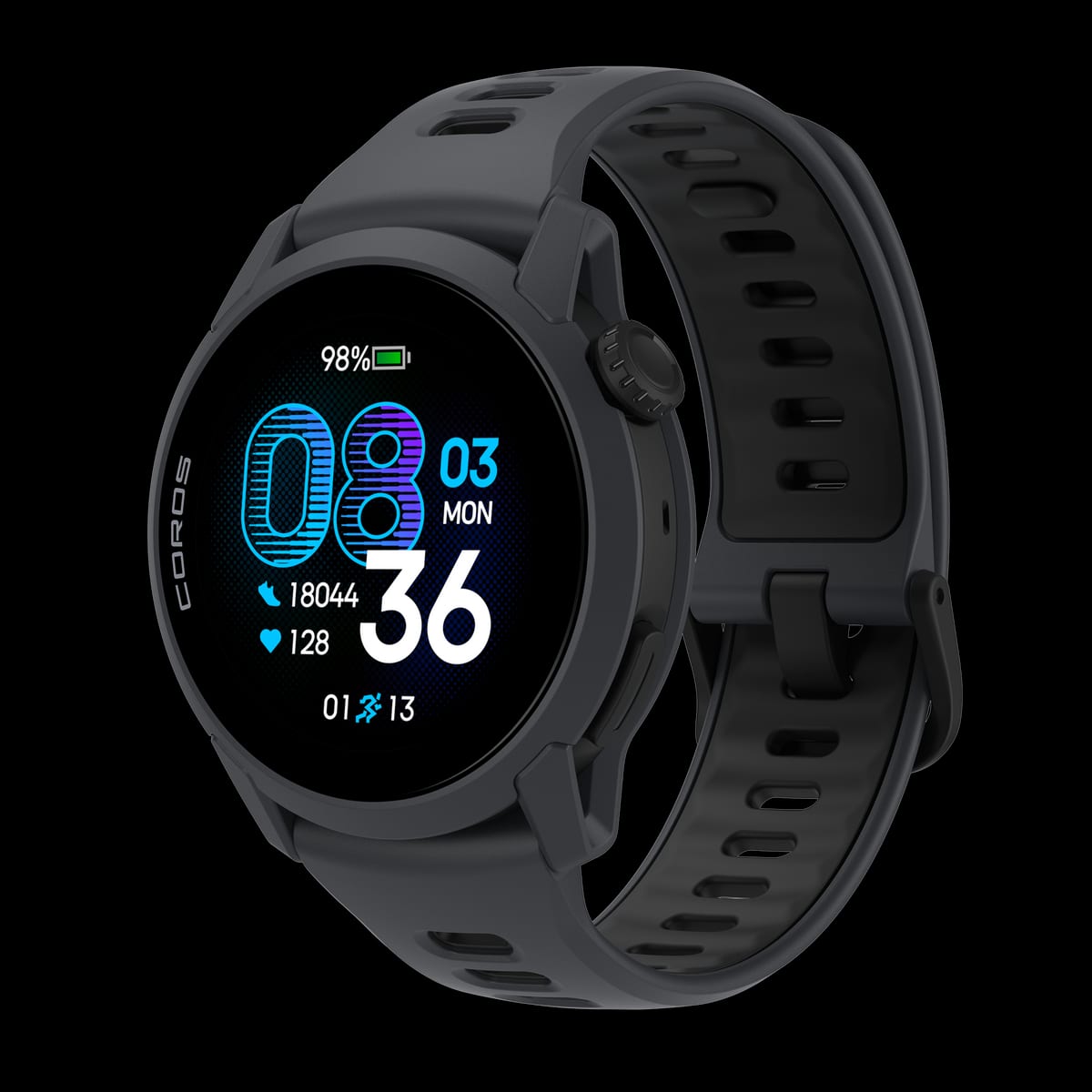
COROS Pace 4 Review - JoyVelo.com
1.2" AMOLED touchscreen (390x390), 22mm quick-release band, 40g (silicone) / 32g (nylon), 6-day AOD / 19-day battery, redesigned optical HR sensor, microphone for voice memos, 25+ sport modes, no speaker, no offline maps, $249. JoyVelo internal testing, 4 weeks, 200+ km.
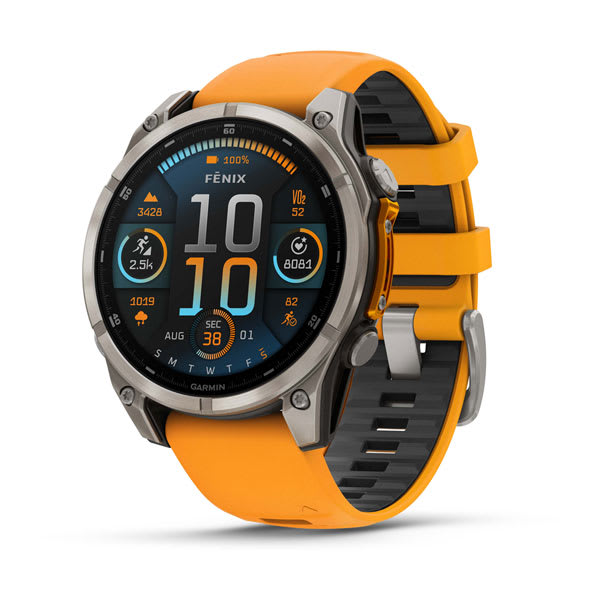
Garmin Venu 4 Review - JoyVelo.com
41mm $549 / 45mm $549, AMOLED 2000+ nits (shared with Forerunner 570/970), metal case (vs Venu 3 bezel-only), 2 buttons + touch (down from 3), LED flashlight (4 white + red), FDA-cleared ECG + AFib, Lifestyle Logging (free for all Garmin users), shared OS with Fenix 8 / Forerunner 570/970, 80+ sport modes, dual-band GNSS, Mix Session multi-sport. JoyVelo internal testing, 4 weeks.
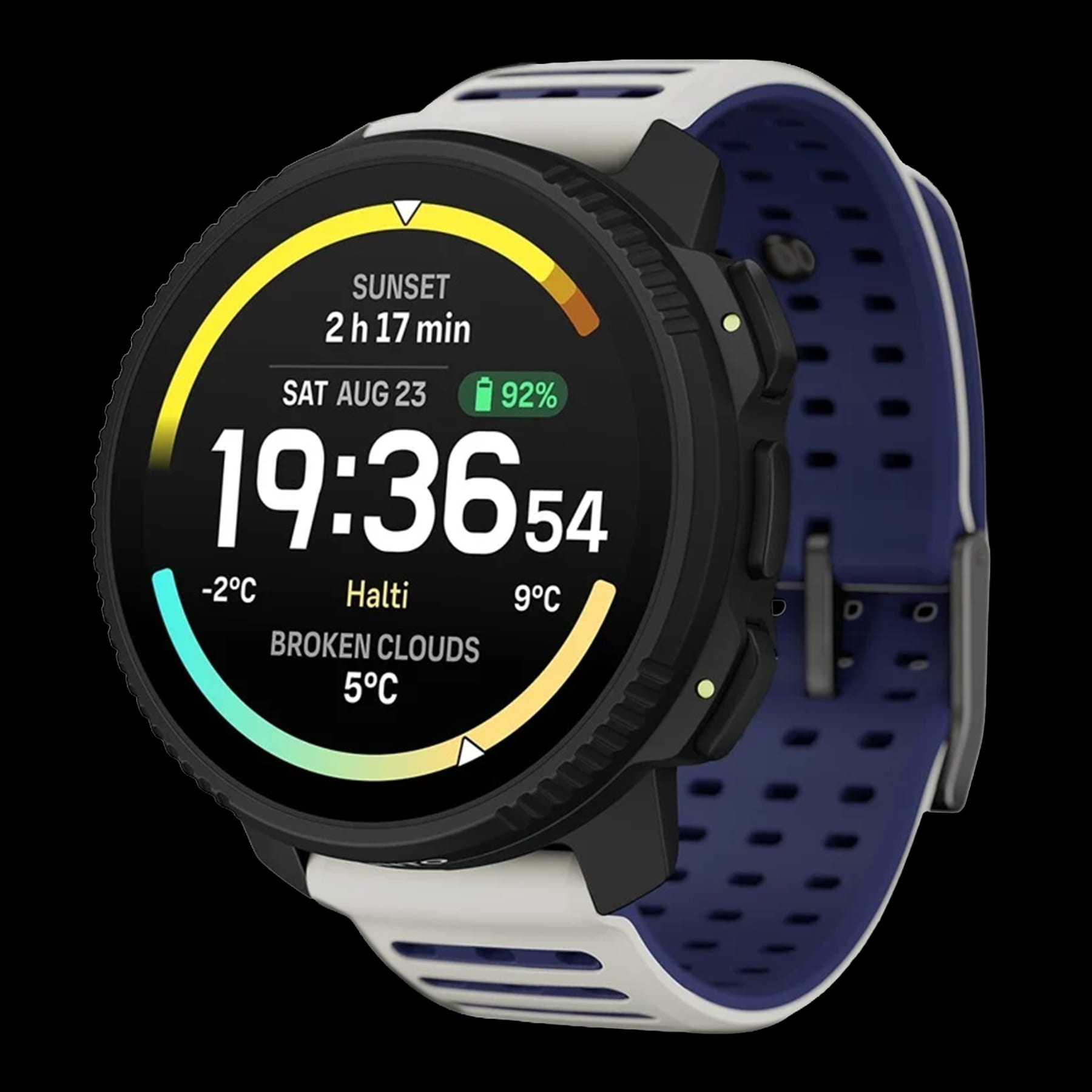
Suunto Vertical 2 Review - JoyVelo.com
AMOLED 2000 nits (Suunto’s MIP era is over except for dive watches), 65h dual-band GPS (matches solar MIP watches), 20-day smartwatch, 250h Tour mode, magnetic charging (no more accidental disconnection), LED flashlight with SOS + breathing + red strobe modes, $100 price hike vs Vertical 1 ($499 -> $599). JoyVelo internal testing, 4 weeks, 70km mountain hike.
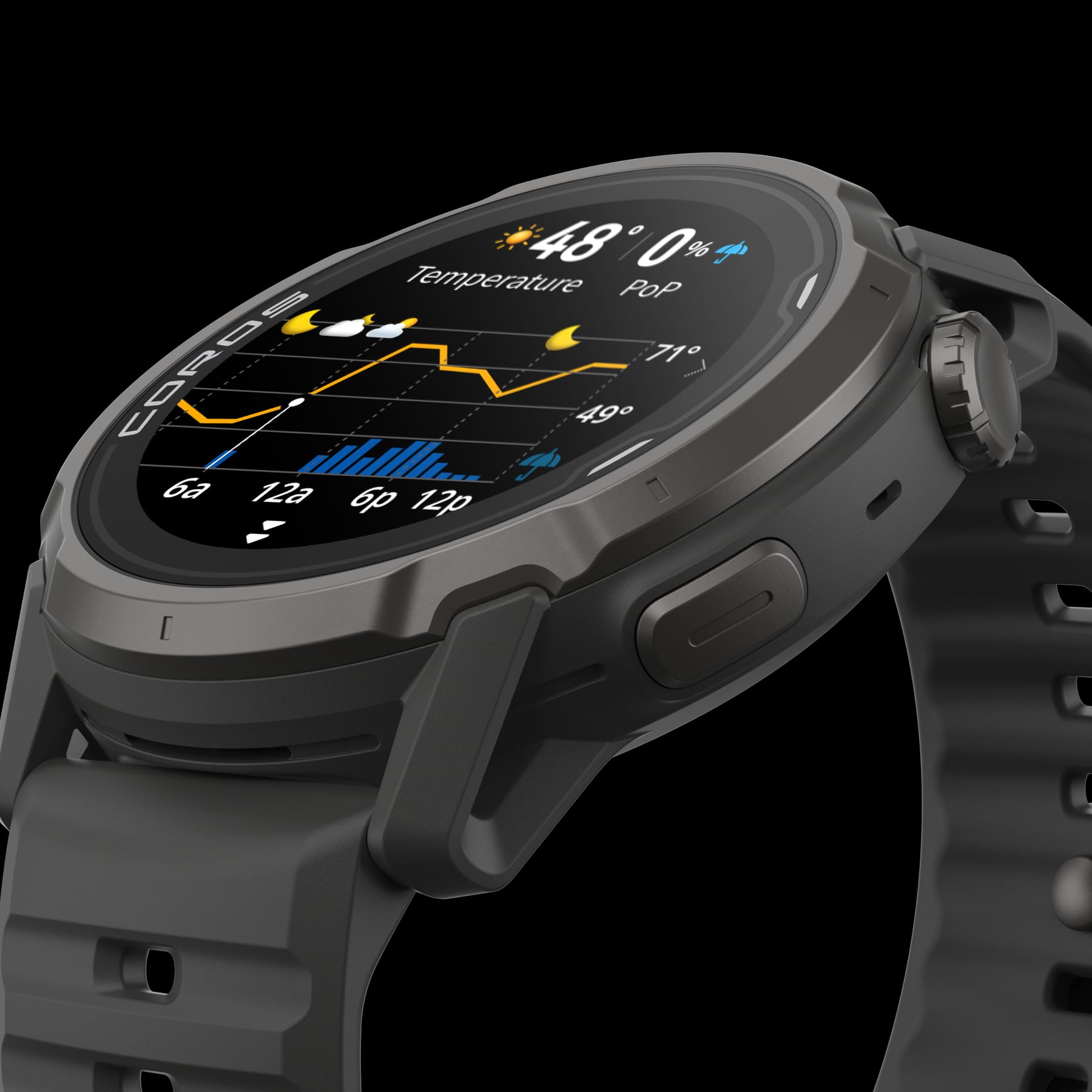
COROS APEX 4 Review - JoyVelo.com
42mm $429 / 46mm $479, MIP display + sapphire glass + titanium bezel, dual-band GNSS as standard (previously APEX 2 Pro only), dual mics with wind-noise reduction + real speaker for Bluetooth calls, depth meter (no dive certification), customisable Action button, 32GB storage, 30x faster map rendering, depth meter bug fixes pending. JoyVelo internal testing, 4 weeks, 70km hike + 200+ km running + 1 open-water swim.
Pixel Watch 4 Review - JoyVelo.com
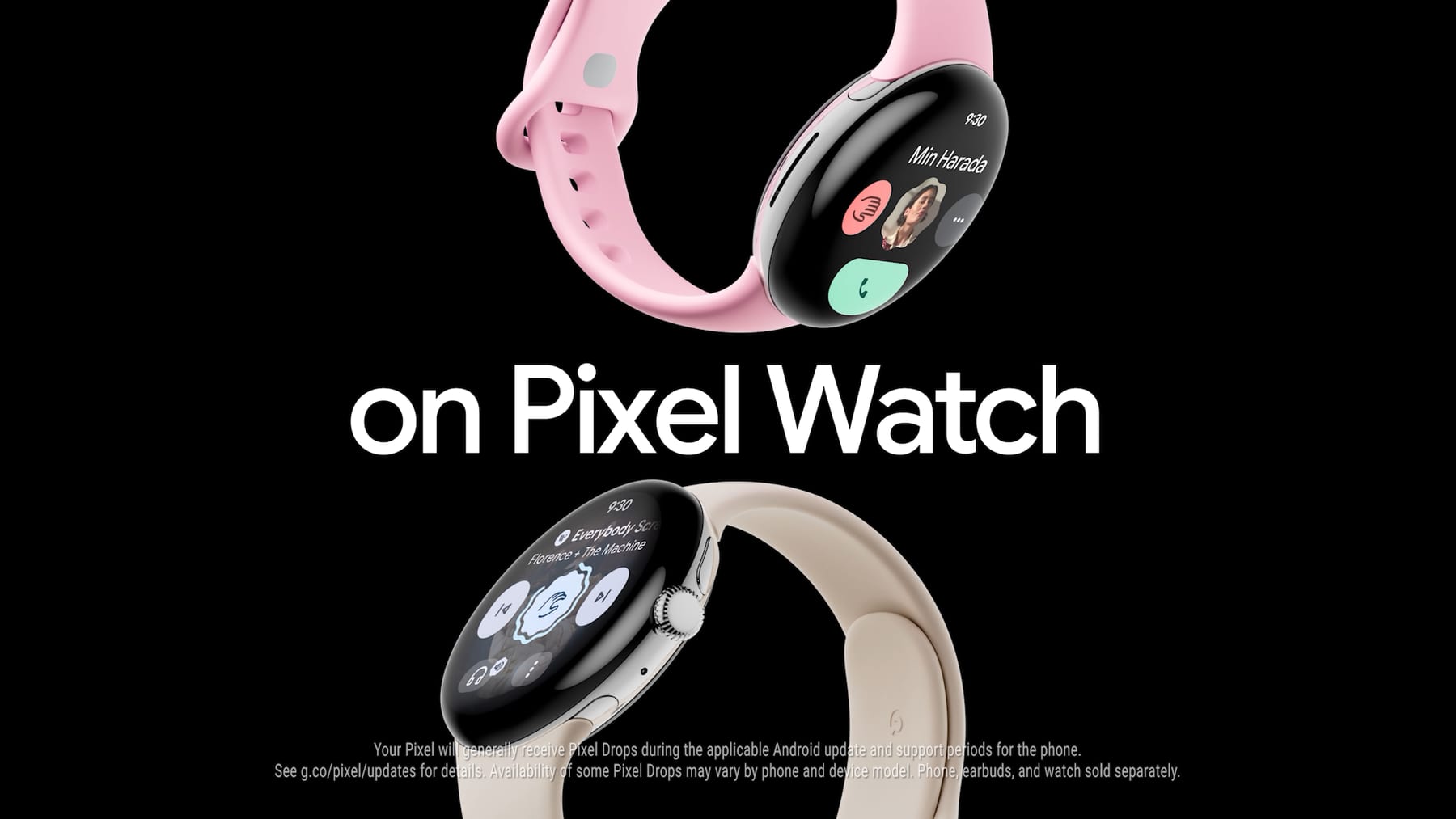
41mm $349.99 / 45mm $399.99 (LTE +$100), 3000-nit Actua 360 AMOLED LTPO display at 320 ppi under edge-to-edge Gorilla Glass 5, Snapdragon W5 Gen 2 plus a Cortex-M55 co-processor, up to 40h battery with the always-on display on the 45mm (30h on the 41mm), satellite emergency SOS over geostationary satellites on the LTE models, Gemini on the wrist, dual-frequency GPS with GPS + Galileo + GLONASS, and the Fitbit health platform under the Google Health app. JoyVelo internal testing, 4 weeks.
Apple Watch Ultra 3 Review - JoyVelo.com
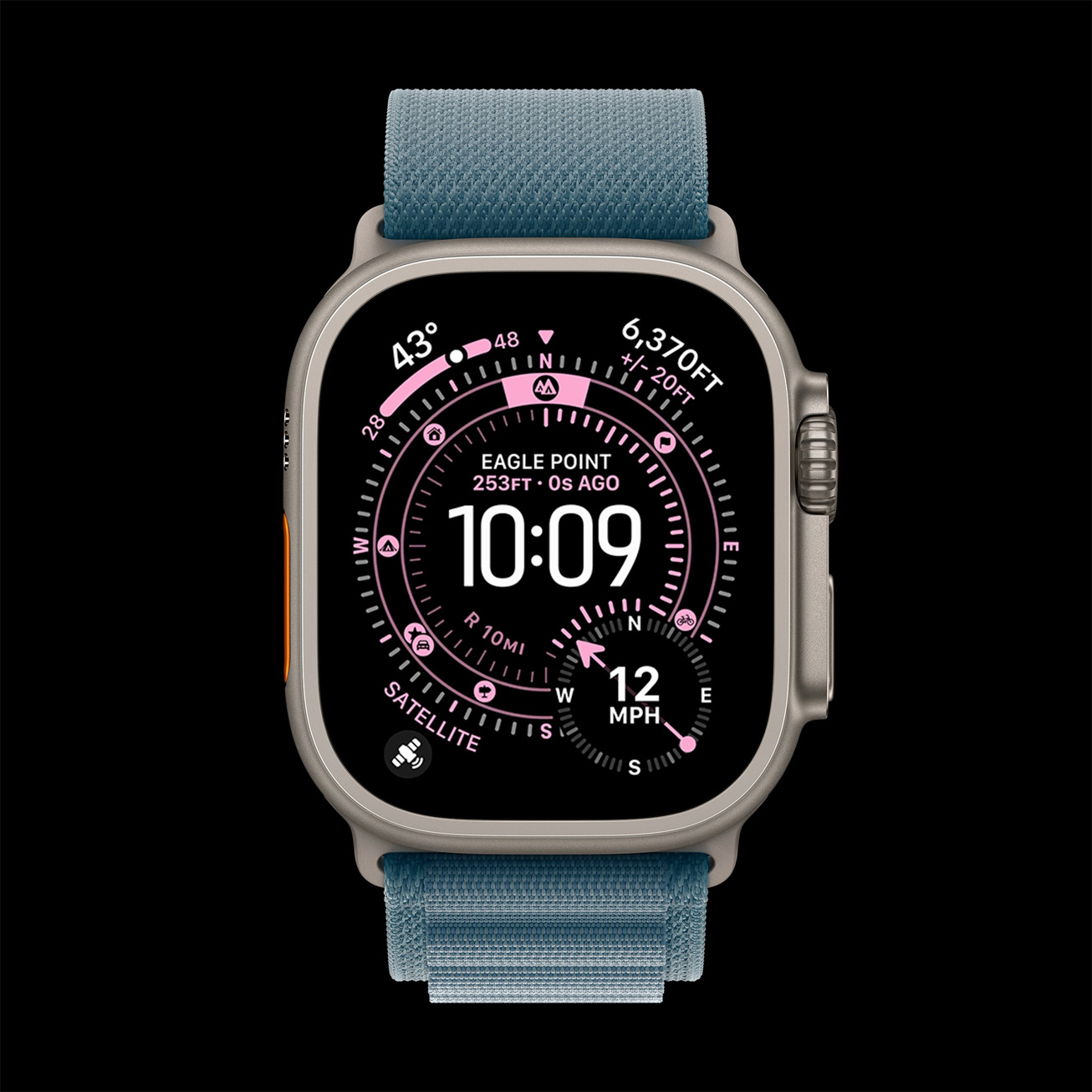
Slightly larger LTPO3 display (422x514, 3000 nits, 1-second always-on refresh), S10 chip, 5G cellular with a dual antenna system, two-way satellite messaging over Globalstar, Find My over satellite, Emergency SOS via satellite, depth gauge to 40m, FDA-cleared hypertension notifications, watchOS 26 with the new Sleep Score, Workout Buddy with pre/in/post-run voice coaching, and up to 42h of battery (72h in Low Power Mode). JoyVelo internal testing, 4 weeks, daily wear + a 70km mountain hike + 8 training activities.
Verify with JoyAnalyze
Import watch records into JoyAnalyze and overlay with a reference HR strap / power meter — quantify Garmin Fenix 8 Solar's GPS accuracy and biometric deviations.
Open multi-file compare in JoyAnalyzeSee how this fits you
The Garmin Fenix 8 Solar is one option. Compare it side-by-side with the other Sports Watchesin our database.