Reviews
Independent, protocol-level reviews of cycling hardware. Bike computers, power meters, radar lights, smart trainers, pedals, and more.
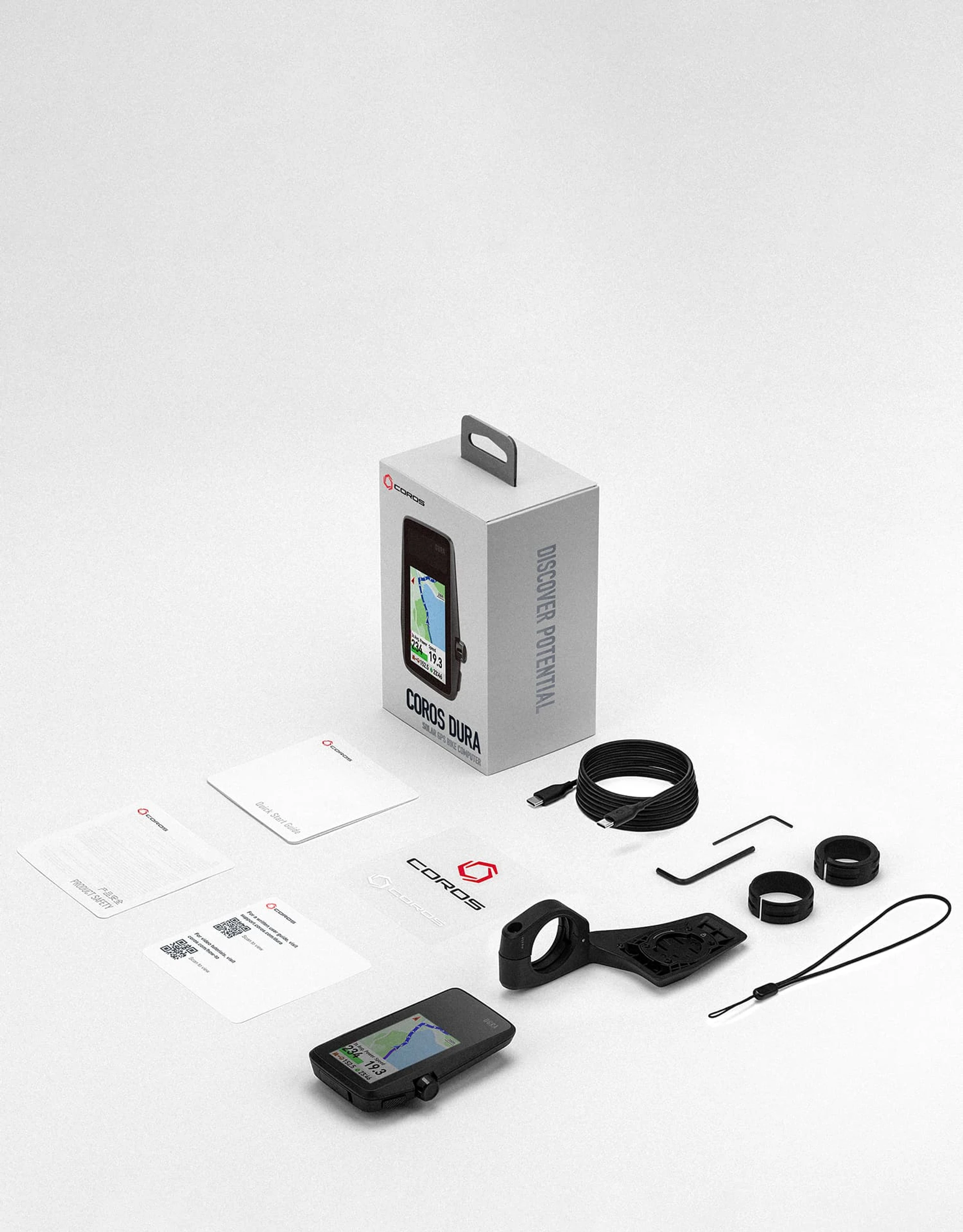
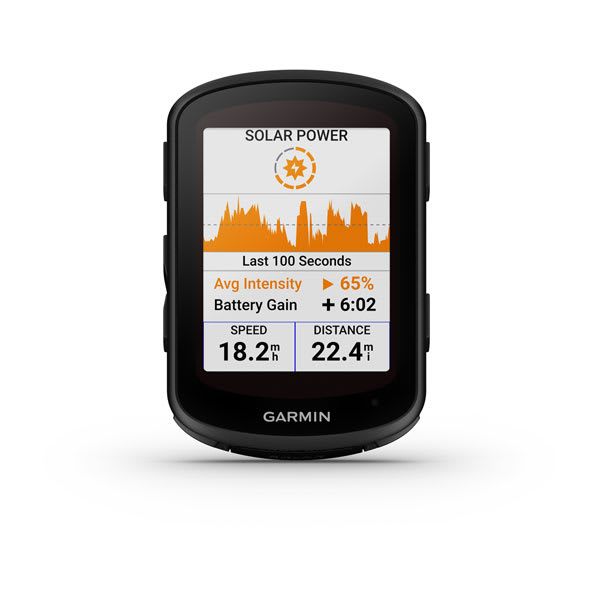
Is the flagship solar-charging bike computer worth the premium? A 600km brevet and 5,000km of mixed riding put it through its paces.
The mid-range Edge 540 punches above its weight with multi-band GNSS, 26-hour battery, and the same software as the flagship 1040.
The Binavi Air brings a 2.2" color display, ANT+/BT, and 18-hour battery to $129. The cheapest real bike computer in 2026.
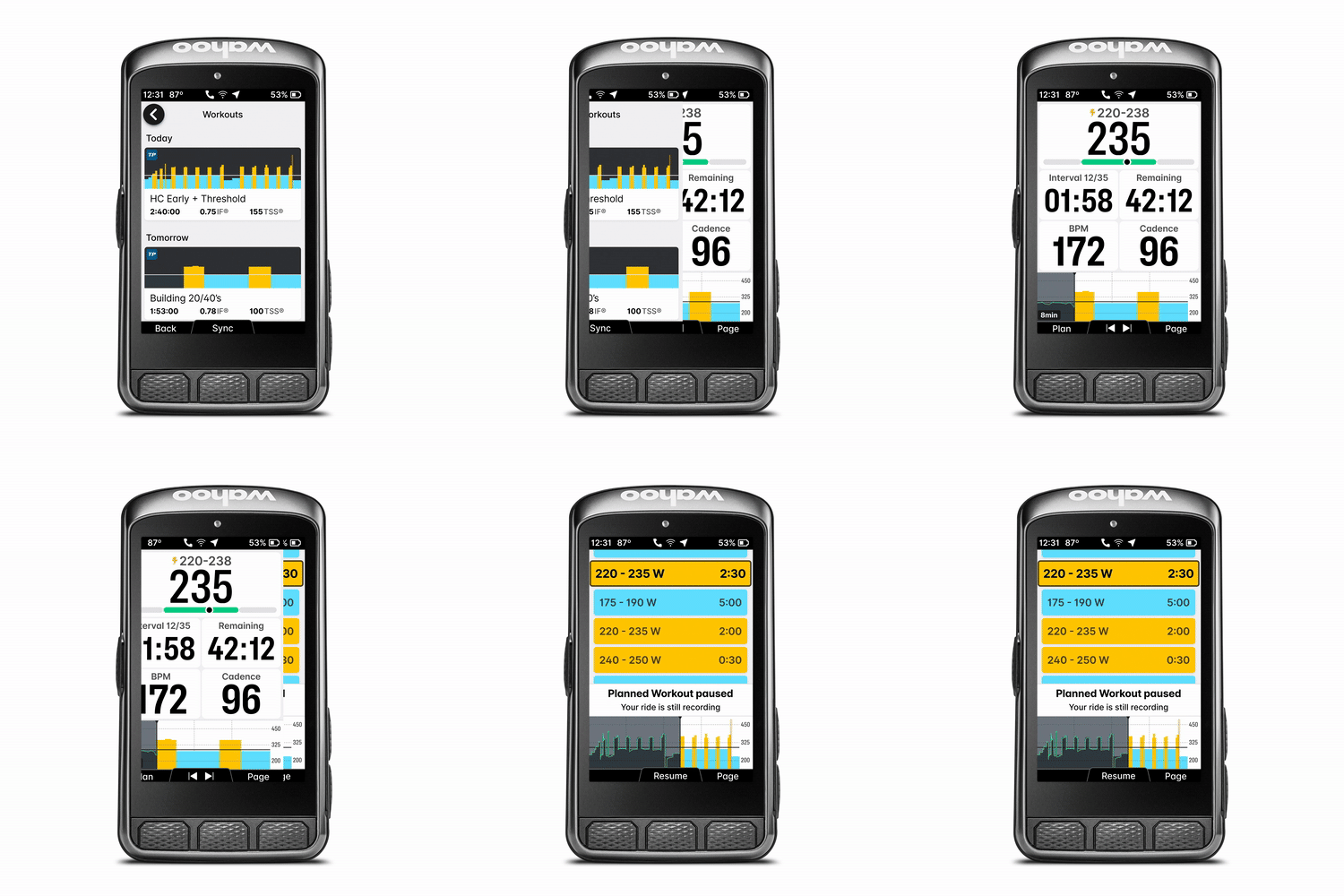
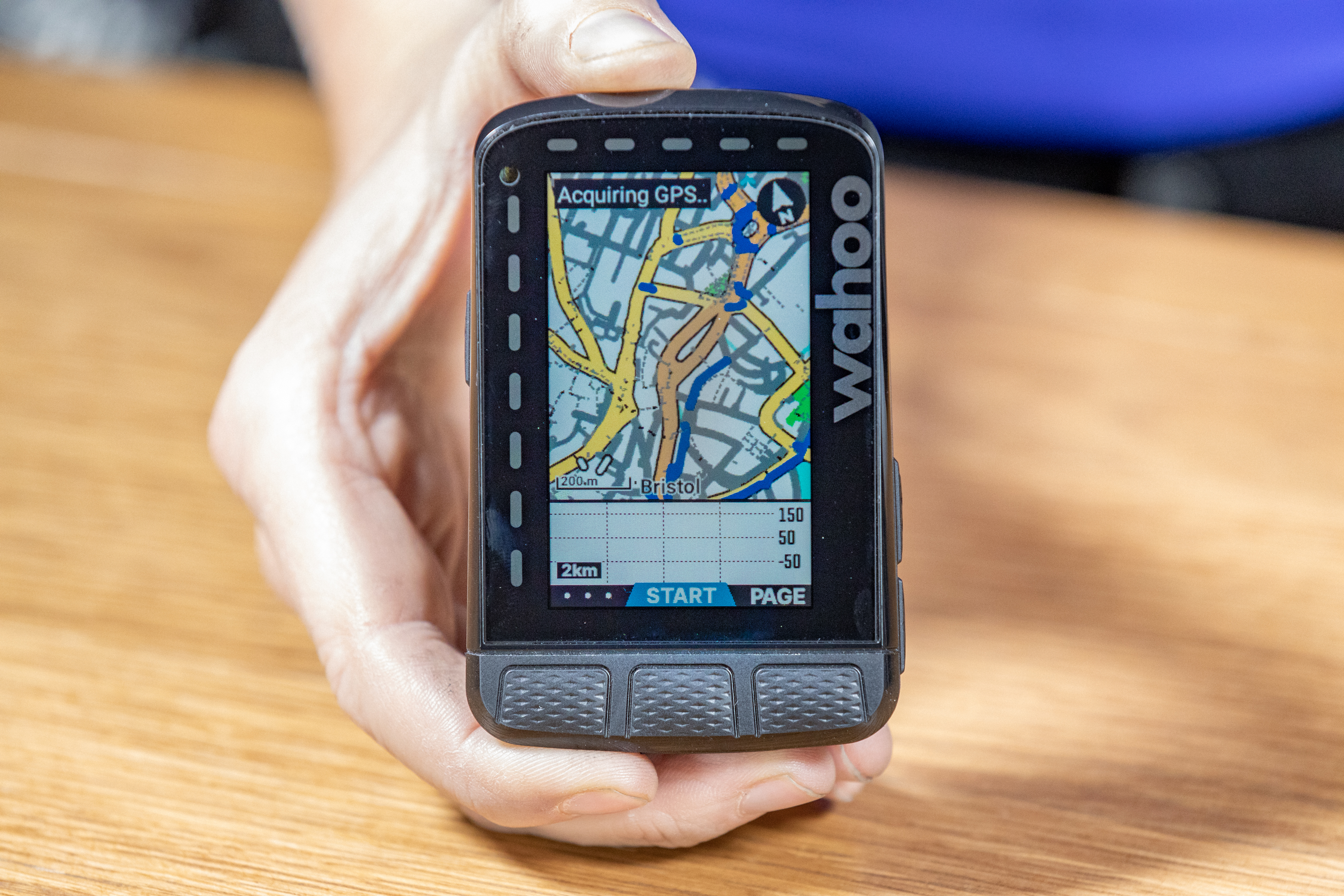
Wahoo’s second-generation Roam brings dual-band GPS, 17-hour battery, and a color touchscreen that challenges the Edge 540 head-on.
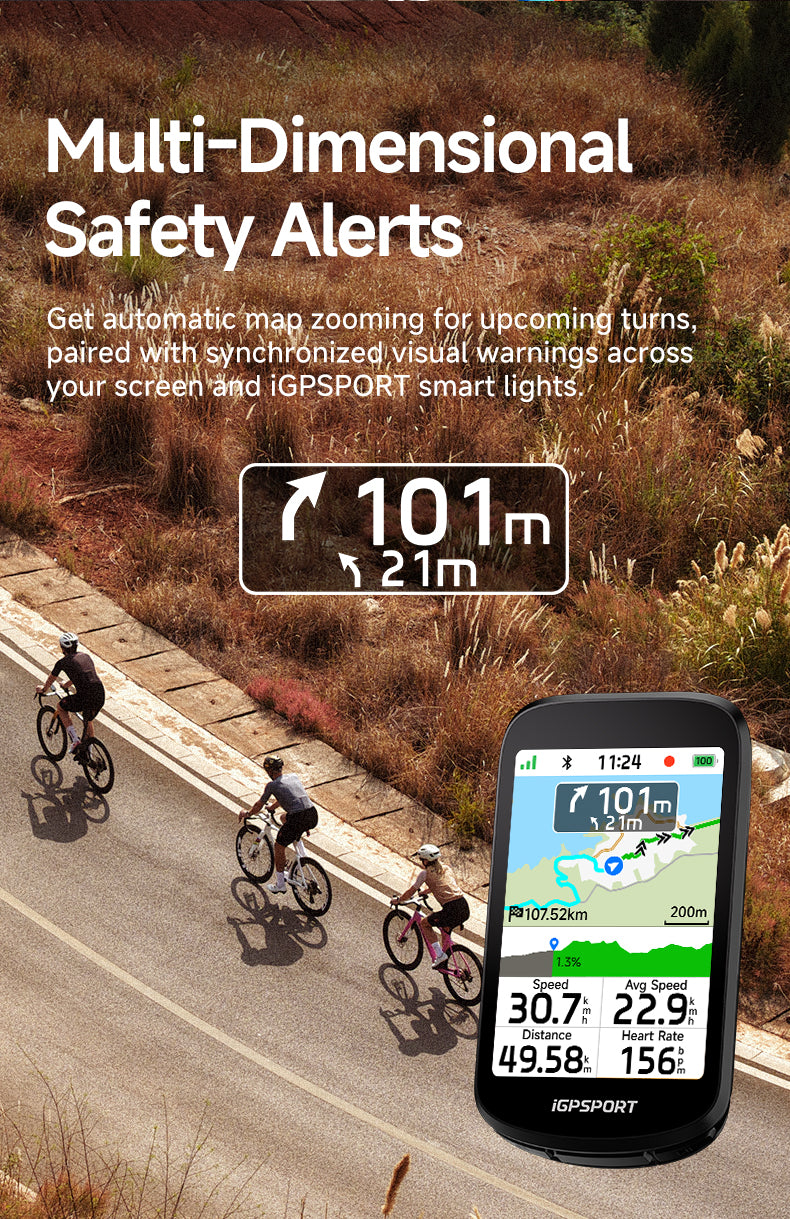
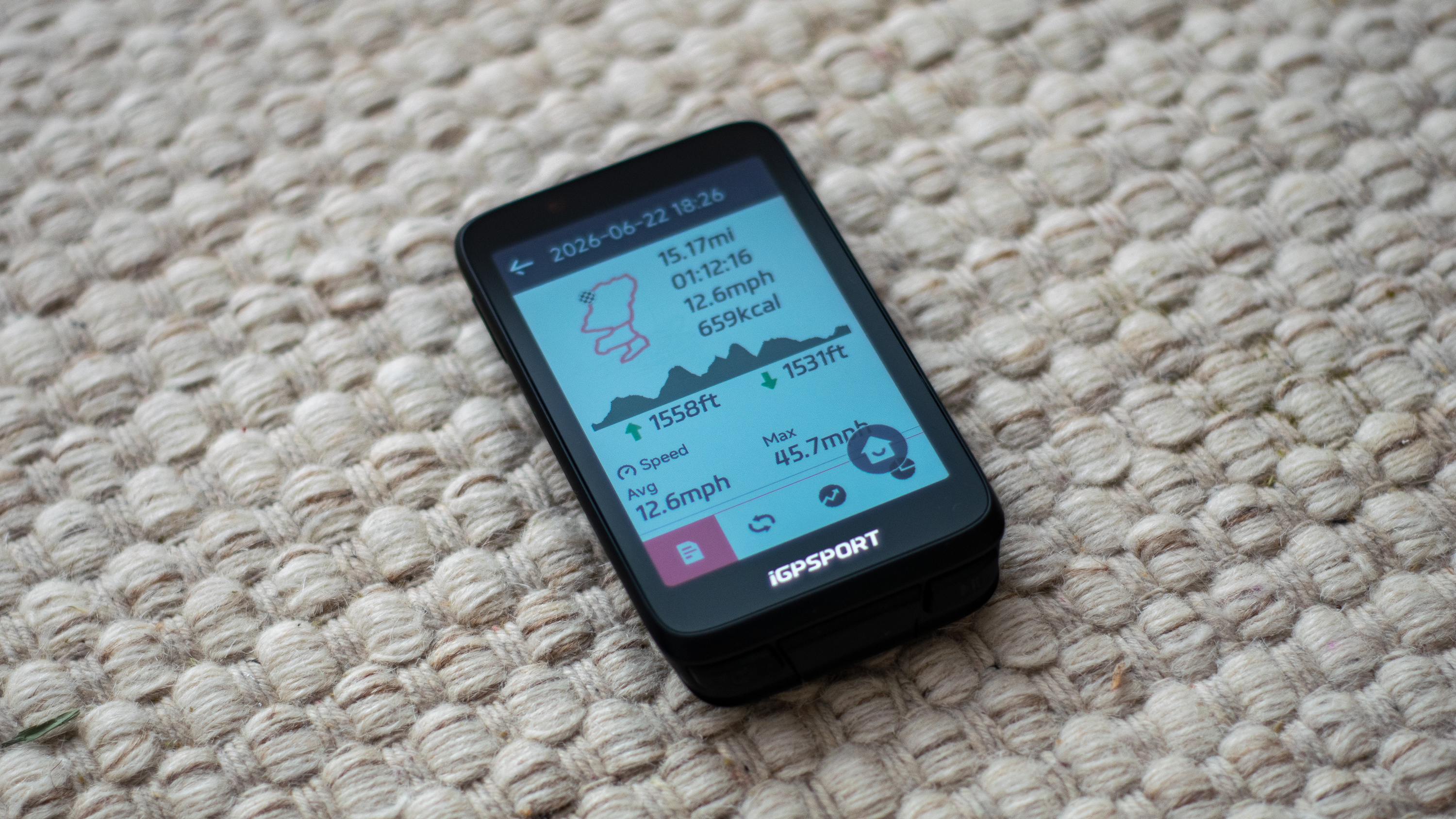
The iGPSPORT BSC500 brings a 2.6" color touchscreen, multi-band GNSS, solar charging, and 28-hour battery to $279.
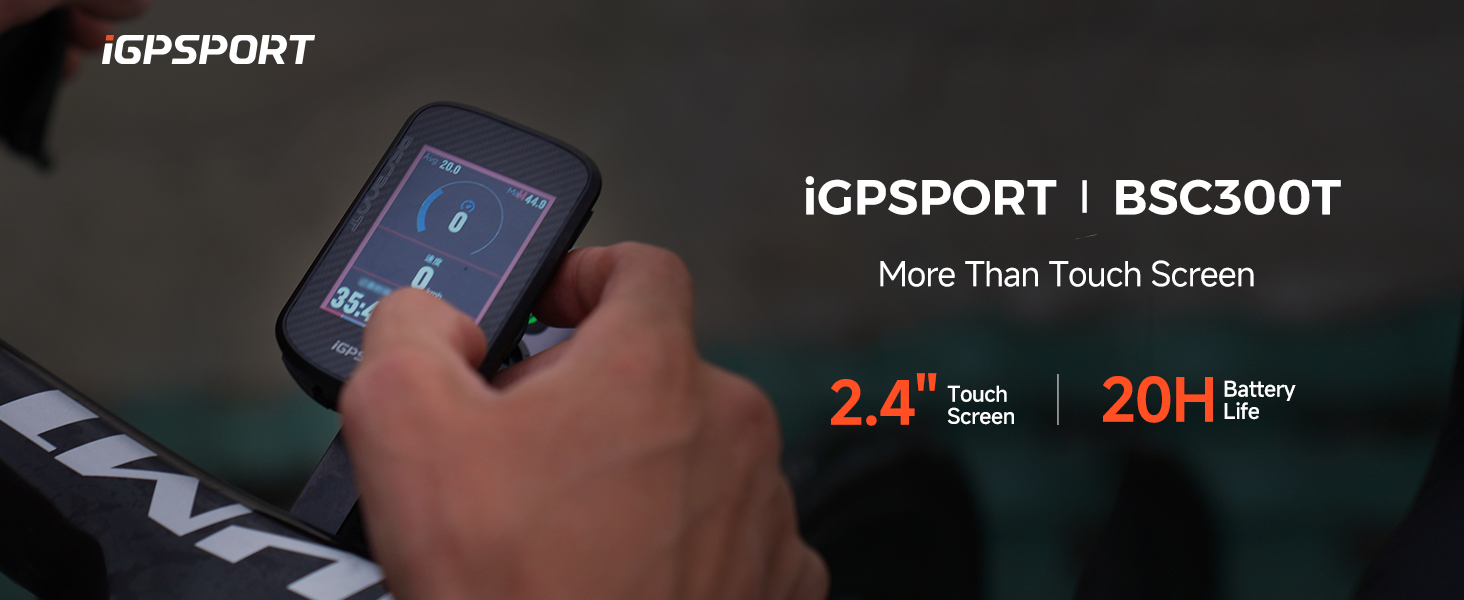
The iGPSPORT BSC300T brings a 2.4" color touchscreen, offline maps, and 22-hour battery to $229. A strong Bryton competitor.
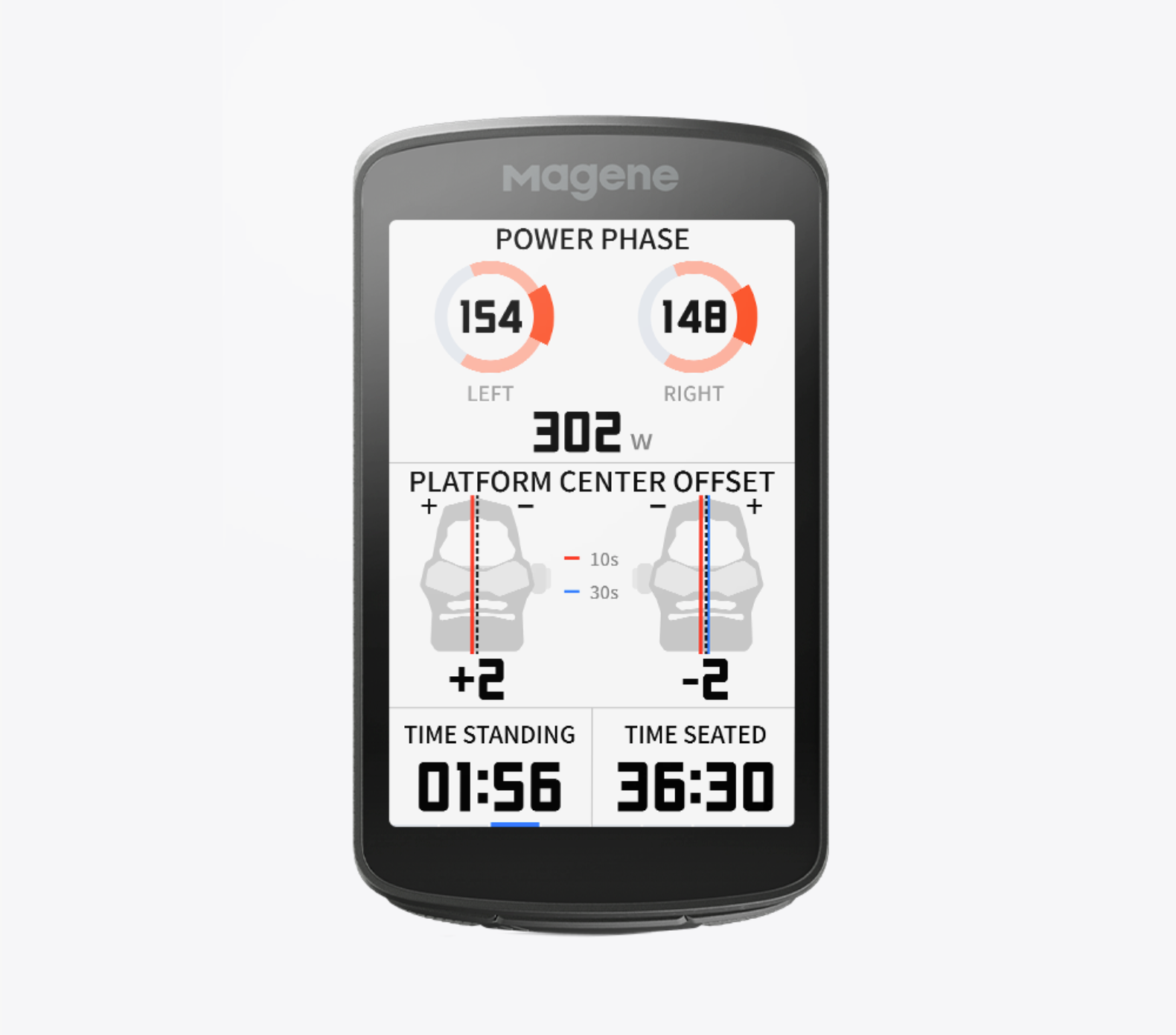
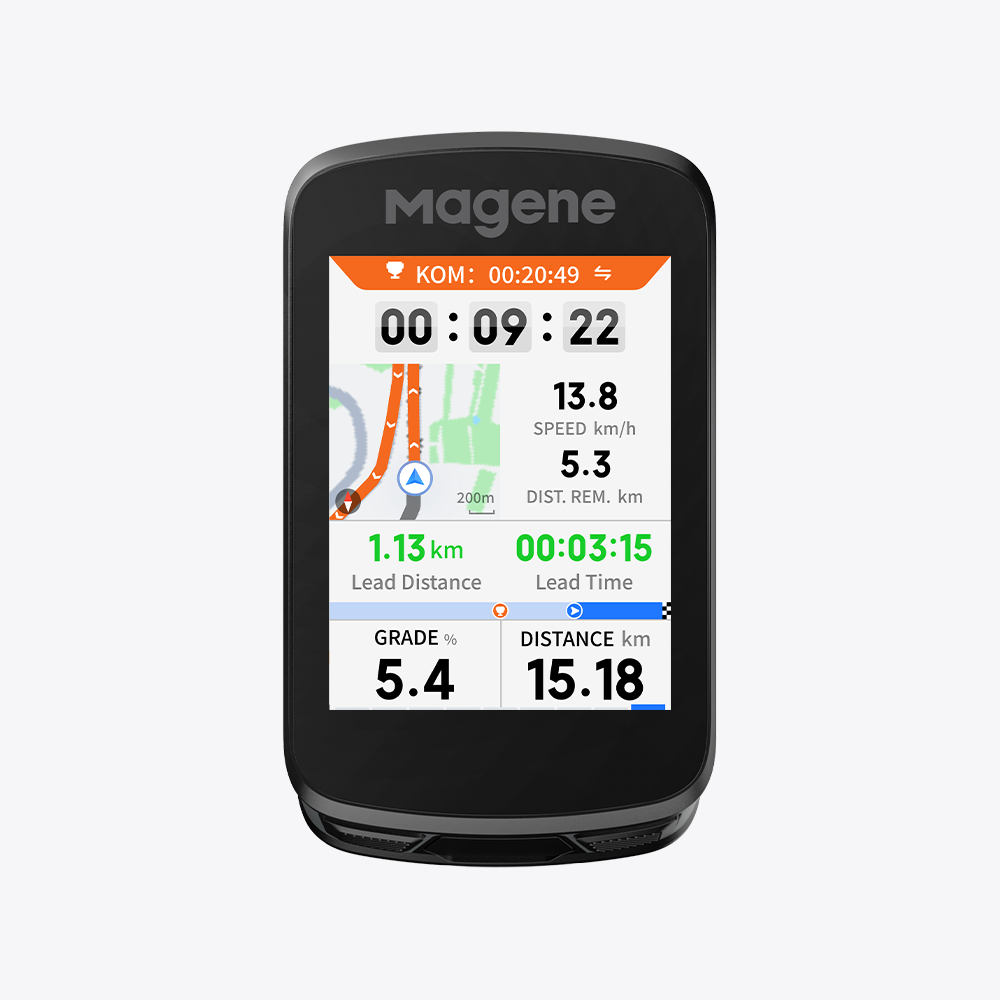
The Magene C606 brings color touchscreen, ANT+/BT, and 20-hour battery to a $199 price. The new budget benchmark.
The Magene C706 brings a 2.8" color touchscreen, multi-band GNSS, and 25-hour battery to a $329 price. A serious Wahoo competitor.
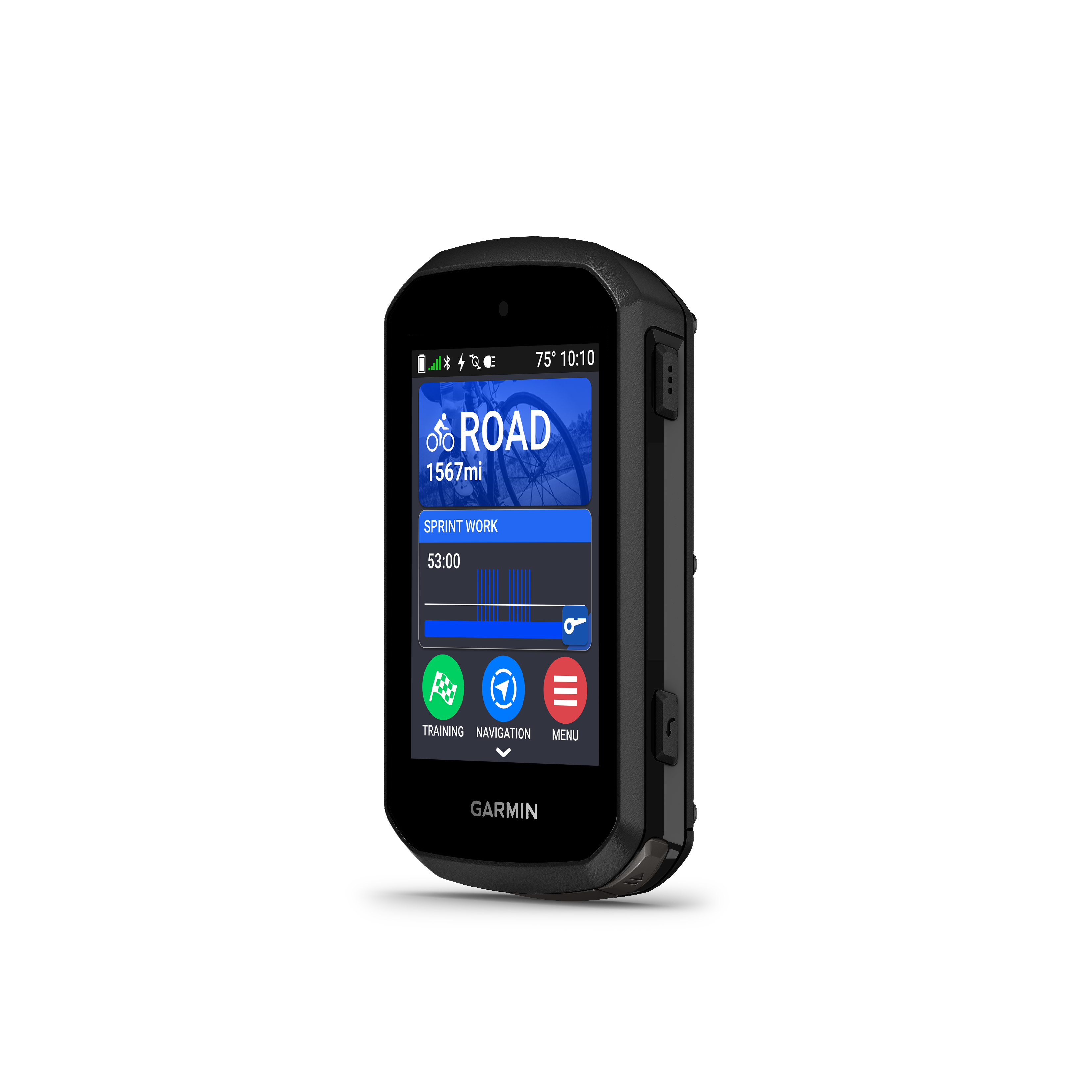
The Edge 550 brings multi-band GNSS, color touchscreen, and Garmin Connect to a $349 price. The new entry-level benchmark.
The Edge 850 brings Edge 1050 navigation, GroupRide, and multi-band GNSS to a $499 price. After 1,500 km, here's the comparison.
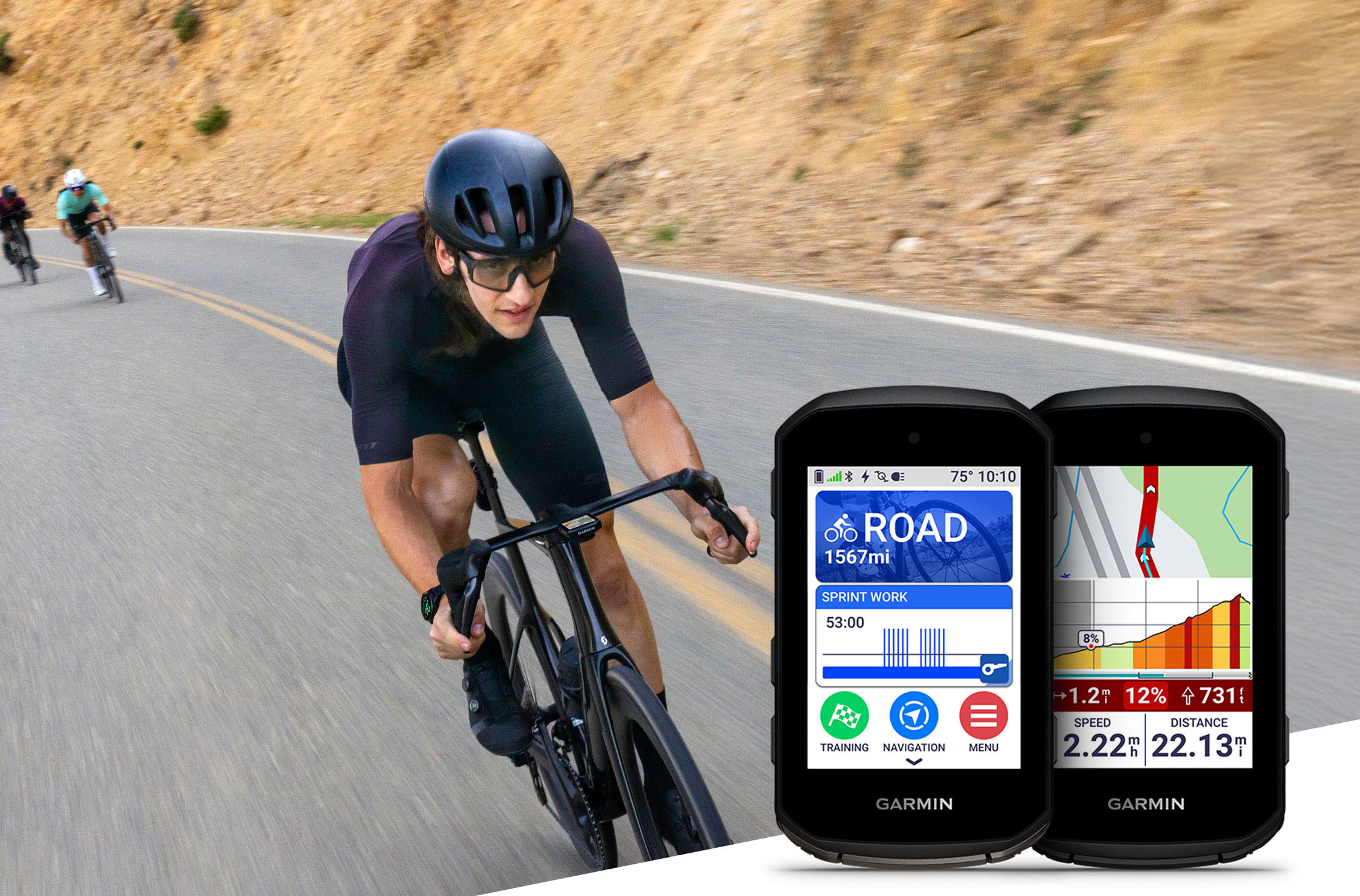
The Edge 1050 replaces the 1040 Solar with a brighter 3.5" LCD, new GroupRide features, and Garmin Pay. After 2,000 km of mixed use, here's the verdict.
Hammerhead's third-gen head unit has the brightest screen, fastest maps, and best route planning of any bike computer. After 4,000 km in sun, rain, and snow, here's the verdict.
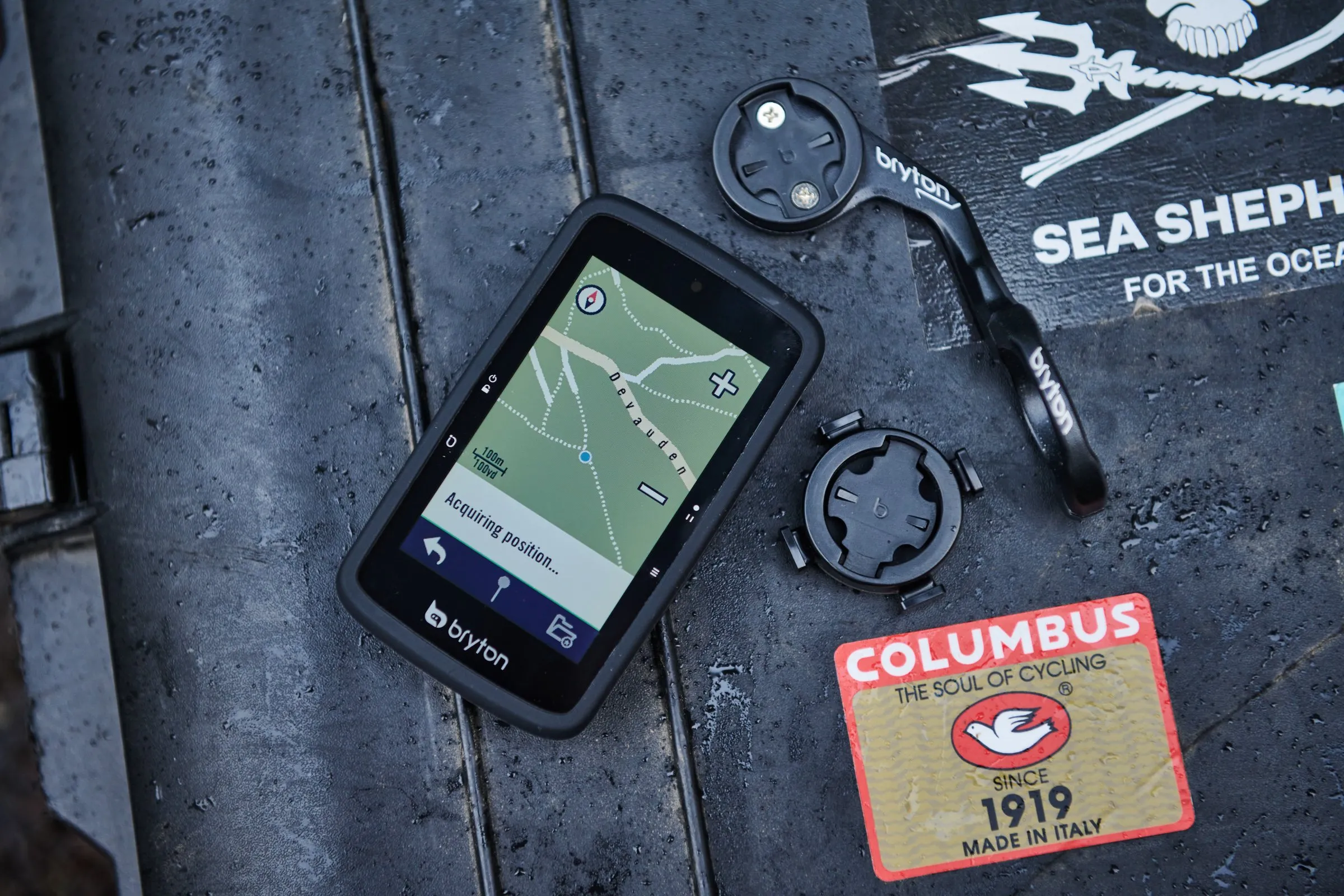
Bryton's new flagship is half the price of Garmin's Edge 1050, with comparable screen, GPS, and battery. After 2,500 km of testing, here's where it wins and loses.