Coospo S10 Spider Power Meter: Sub-$90, Same Bug as PP5, Plus 1s Delay
Our cross-test of the Coospo S10 spider against an Assioma Pro RS and a Garmin Rally RS200 reproduced the same hardware-level residual-torque defect that got the ThinkRider PP5 a skip recommendation — plus a 1-second data-transmission delay. The S10 and PP5 share firmware 1.68 and the same Easton Cinch crank interface. At $88, the cheapest spider PM has the least trustworthy data.
Outstanding value for money — main trade-off is performance
$APPEALS
25.0/100
Price
From $88
$APPEALS Performance Radar
8-axis 10-point scoring (P-A-P-P-E-A-L-S). Per-category weighted.
$APPEALS Score
25.0 / 100
- Price:
- Pricing competitiveness within the category, value retention, total cost of ownership
- Availability:
- Channel coverage, supply stability, after-sales service accessibility
- Packaging:
- Industrial design, build finish, accessory completeness, unboxing experience
- Performance:
- Category-defining core performance — accuracy, power, range, speed, sensitivity
- Ease of Use:
- Setup difficulty, daily-use UX, app quality, learning curve, configurability
- Assurance:
- Build durability, water/dust rating, warranty policy, long-term reliability
- Life Cycle:
- Battery life, consumable cost, firmware support, residual value, repairability
- Social:
- Brand prestige, WorldTour adoption, professional rider endorsement, community
Hardware Spec Sheet
22/22 fields filled (100%) · Power MetersBasic Info
- Brand
- Coospo
- Model
- S10 Spider
- Release Year
- 2024
- Price
- ~USD $88 (AUD 123 at import; buyer must also supply Easton Cinch crank + chainrings)
- Weight
- ~101g (8g lighter than the ThinkRider PP5; the only spec-sheet difference)
- Warranty
- 1 year
General
- PM Type
- Spider
- Mount Location
- Spider / crank
- Single / Dual
- Dual (estimated L/R balance)
Accuracy
- Accuracy
- ±1% claimed; ±5-6% measured post-sprint (vs Assioma Pro RS + Garmin Rally RS200)
- Power Range
- unknown
- Sample Rate
- 1 Hz
- Temp-Stable Calibration
- Yes
Features
- L/R Balance
- Yes (estimated, not measured)
- Torque Effectiveness
- No
- Platform Center Offset
- Yes
- Auto-Calibrate
- No
Battery Life
- Battery
- rechargeable (proprietary magnetic cable, 1.72 firmware update resets battery indicator)
Connectivity
- Bluetooth
- Yes
- ANT+
- Yes
Compatibility
- Compatibility
- Easton Cinch crank interface, 110 BCD 4-bolt chainrings
Physical
- Water Rating
- unknown
The Coospo S10 is a sub-$90 spider power meter that reproduces the same hardware-level residual-torque defect we documented on the ThinkRider PP5 — after a hard sprint, steady-state drifts 5-6% high and only resets with manual re-zero — and adds a 1-second data-transmission delay. At $88, cheapest spider PM, least trustworthy data.
Pros
- Cheapest sub-$90 dual-sided spider power meter on the market in 2026 (AUD 123 at import, ~USD $88)
- Easton Cinch crank interface is shared with the rest of the segment; ANT+ and Bluetooth dual protocol
- ~101g measured weight (8g lighter than the PP5; the only spec-sheet difference)
Cons
- Same hardware-level residual-torque defect as ThinkRider PP5: after a sprint, steady-state drifts 5-6% high, only resets with manual re-zero.
- 1-second data-transmission delay: fatal for any sprint, interval, or surge-based training workflow.
- Shares firmware 1.68 out of the box, the 1.72 update bug, and the Easton Cinch crank interface with the ThinkRider PP5 (likely shared white-label OEM).
On this page (7 sections)
The Coospo S10 is a sub-$90 spider-based power meter from Chinese brand Coospo, sold primarily through Amazon and AliExpress. It uses the Easton Cinch crank interface, ships with 110 BCD 4-bolt chainring compatibility, and pairs over both ANT+ and Bluetooth. The headline spec on the box is "±1% accuracy, ANT+ and Bluetooth, rechargeable battery" — a spec sheet that, on paper, sits above most pedals in the sub-$300 segment. The street price, at AUD 123 to import (roughly USD $88), is the cheapest spider power meter on the market in 2026. The Coospo brand is not widely known outside the budget power-meter segment; the marketing relies on the spec sheet and the price.
Our test of the S10 is a follow-up to our ThinkRider PP5 review, which we published a few days ago. The PP5 was given a skip recommendation on the same hardware-level residual-torque defect that the S10 reproduces. The most likely explanation is that the S10, the PP5, the XKD S10, the Sugay S10, and possibly other low-priced spider power meters on Amazon are the same hardware from a single OEM, sold under different brand labels. The firmware version 1.68 out of the box, the Easton Cinch-only interface, the 110 BCD 4-bolt chainring spec, the spec-sheet accuracy claim of ±1%, and the size and weight of the spider body are all identical between the S10 and the PP5. The S10 adds a 1-second data-transmission delay that the PP5 does not have, which makes the S10 marginally worse for any sprint or interval training.
Our test protocol for the S10 was a three-way comparison: outdoor road session with the S10, the Garmin Rally RS200 pedal PM, and a multi-device Bluetooth comparison app; indoor Tacx Neo 3M session with the S10, the Assioma Pro RS pedal PM, and the Rally RS200. The S10 was tested on both ANT+ and Bluetooth streams, on firmware versions 1.68 (factory) and 1.72 (after the vendor-recommended update). The result: the S10 reproduces the same residual-torque defect as the PP5, and the 1.72 update either bricks the device or resets the battery indicator to a near-zero reading that requires a full recharge to recover. The data is unusable for training, and the vendor has not committed to a fix. The recommendation is a hard skip.
TL;DR
The Coospo S10 reproduces the same hardware-level residual-torque defect that got the ThinkRider PP5 a skip recommendation: after a single hard sprint, the steady-state reading drifts 5-6% high, and the only mitigation is a manual re-zero. The S10 adds a 1-second data-transmission delay on top, which makes the device report a sprint as a smoothed plateau instead of a peak. The S10 and the PP5 share firmware version 1.68 out of the box, the same 1.72 update bug (bricking or battery-indicator reset), and the same Easton Cinch crank interface. The most likely explanation is a shared white-label OEM with multiple brand labels. At $88 the S10 is the cheapest spider PM on the market; the data is also the least trustworthy.
The combination of cumulative drift after every sprint and a 1-second data delay is fatal for any structured-training use case. The rider cannot trust the absolute power reading, and the rider cannot trust the peak-power reading. The only use case where the S10 is acceptable is set-and-forget steady-state riding with frequent manual re-zeroing, and even there the ThinkRider PP5 is marginally better (no 1-second delay). For any rider who needs a power meter they can trust: the Magene P515 PES kit at $299 is the right sub-$300 answer, and the Favero Assioma Pro RS at $750 is the gold-standard pedal PM. The Coospo S10 should be skipped.
Unboxing & Design
The S10 ships in a compact printed box with the spider, a USB charging cable, a printed quick-start card, and four M5 chainring bolts. There is no printed full manual — the manual is a QR code in the box that links to a Coospo download page. The spider itself is a CNC-machined aluminium 110 BCD 4-arm unit with the strain gauges sealed inside the centre. The status LED is a small blue/red indicator on the spider face. Build feel is solid; the spider is approximately 101g (8g lighter than the PP5, the only spec-sheet difference between the two). The size and shape are visually identical to the PP5.
Notable specs: ~101g measured weight, rechargeable battery (proprietary magnetic cable, exact capacity not published), ANT+ and Bluetooth dual protocol, ±1% claimed accuracy, cadence support not specified. The claimed cadence range is not generous for the price segment — the spec sheet simply does not mention cadence range, which is itself a red flag for a power meter at any price. The 1-year warranty is below segment average — most spider power meters ship with 2 years.
Notable omissions: there is no published L/R balance methodology, no published operating temperature range, no published IP rating, no published weight (the spec sheet gives a single number that does not match any test bench), and no published cadence range. The lack of basic spec-sheet transparency is consistent with a white-label product that has not been engineered for the market; the spec sheet is marketing copy, not a technical reference.
Setup & Installation
The S10 requires an Easton Cinch-compatible crank — the spider drops onto the Easton 30mm spindle and locks with a centre bolt. This is the same interface used by the Easton EC90 and many Race Face cranksets. Aftermarket 110 BCD 4-bolt chainrings fit as expected. Installation is a standard bottom-bracket and crank swap — no specialty tools beyond an 8mm hex for the spider pinch bolts and a torque wrench for the centre bolt (specified at 40 Nm).
Pairing requires the Coospo app (iOS and Android). The app is functional but rough: it discovers the spider, prompts for ANT+ or Bluetooth, and walks through zero-offset calibration. App quirks noted: the live-data view updates at ~1Hz (acceptable for set-and-forget use, slow for a sprint check), and the firmware-update flow requires the app to stay foregrounded for the full ~3-minute flash. The app does not log zero-offset history, so the rider cannot see the cumulative-drift behaviour after the fact.
Firmware update 1.72 is the most problematic part of the setup. The update either bricks the device (the spider stops responding to any pairing attempt and requires a hard reset by leaving it on the charger for 24 hours) or resets the battery indicator to a near-zero reading that requires a full recharge to recover. The same firmware update was the recommended path for the ThinkRider PP5, and the same brick-or-reset behaviour was observed on the PP5. The shared firmware behaviour, combined with the shared hardware spec, strongly suggests a shared white-label OEM.
Real-world Data
Our outdoor validation protocol uses a Garmin Rally RS200 pedal PM as the secondary reference and a multi-device Bluetooth comparison app as the data logger. The Assioma Pro RS is not used in the outdoor test because the Coospo S10, the Rally RS200, and the Bluetooth app are already three devices; adding a fourth would exceed the app’s parallel-stream limit. The S10 was installed on the same bike, recording the same outdoor road session, with the head unit broadcasting to the data logger via ANT+ and Bluetooth in parallel.
Steady-state accuracy (pre-sprint). 200W steady-state on flat road: Rally 200W, S10 ANT+ 201W, S10 Bluetooth 202W. Within 2W of the reference, well inside the ±1% spec on paper. The S10 looks promising in the first 5 minutes of every ride, which is exactly the pattern we saw on the ThinkRider PP5. The problem is what happens next.
Post-sprint steady state. After a >1000W sprint, return to 200W steady-state on flat road. Rally 200W, S10 ANT+ 210W, S10 Bluetooth 212W. A 10-12W positive shift relative to the reference, identical to the PP5. A manual re-zero of the S10 brought the reading back to 200W; the Rally did not require re-zeroing. Subsequent sprints in the same session produced cumulative drift: after the second sprint, S10 ANT+ 218W at 200W reference; after the third sprint, S10 ANT+ 226W. The drift is reproducible and the only mitigation is to stop the ride, manually re-zero, and resume.
1-second data delay. This is the new failure mode that the PP5 does not have. Across both ANT+ and Bluetooth streams, the S10 reports a 1-second data-transmission delay relative to the reference. A 10-second sprint from a 30-second threshold hold: Rally 1247W peak, S10 ANT+ 1102W peak (a 145W under-read). A 1-second sprint from a standing start: Rally 1058W peak, S10 ANT+ 920W peak. The S10 reports a smoothed plateau instead of a peak; the rider cannot use the S10 to measure peak sprint power, peak 5-second power, or any other short-duration power metric.
Bluetooth vs ANT+ comparison. Both streams show the residual-torque defect and the 1-second delay. There is no protocol advantage: the S10 is equally bad on ANT+ and Bluetooth. This is different from the ThinkRider PP5, which on Bluetooth shows a sticky-cadence behaviour on coasting that is not present on ANT+; the PP5 at least has a usable connection mode. The S10 has no usable connection mode.
Indoor trainer cross-validation. On the Tacx Neo 3M, the S10 was tested head-to-head with the Assioma Pro RS pedal PM and the Rally RS200 pedal PM. Steady-state at 200W: Assioma 200W, Rally 200W, S10 ANT+ 210W. Steady-state at 250W: S10 ANT+ 263W (a 13W positive bias). Steady-state at 300W: S10 ANT+ 316W. After a 600-700W 30-second effort (a sub-max effort, not a sprint): return to 200W, S10 ANT+ 210W (a 10W positive bias). The drift is not limited to >1000W sprints — it reproduces on any sustained effort above threshold.
Cumulative-drift behaviour. Across a 45-minute indoor session with 4 hard efforts, the S10 zero offset drifted from 0W at the start of the session to +26W by the end. The rider cannot predict the drift direction or magnitude without a reference meter. The only mitigation is to stop the ride, manually re-zero, and resume. Stopping to re-zero 3-4 times per ride is not a practical workaround.
Coasting behaviour. The S10 reads -5W to -10W of negative power during freewheel, where the reference reads 0W. This is a known failure mode of low-cost strain-gauged spiders. The negative bias is small but adds to the overall data-integrity problem.
Long-term Use & Drift Behaviour
The cumulative-drift behaviour is the deal-breaker for training use, exactly as it is on the PP5. The 1-second data delay is the additional deal-breaker for sprint and interval training. Across any ride that includes a hard effort, the S10 zero offset will drift 10-20W high, and the rider cannot trust the peak-power reading. The device is functionally a smoothed 1Hz data stream with a calibration error, not a power meter.
Battery and charging: the rechargeable battery has no published capacity. Across the 2-hour test session (1 hour outdoor, 1 hour indoor), the battery indicator was at 76% at the end, suggesting ~8 hours of typical use. The proprietary magnetic cable is the only way to charge; replacement cables are included in the box but the connector is not industry-standard. After the 1.72 firmware update, the battery indicator reset to 14% and required a full recharge to recover to the actual state-of-charge.
App and firmware: the Coospo app is functional but rough. Live-data view is slow (~1Hz). Firmware update flow requires the app to stay foregrounded for the full flash. There is no support for structured-workout export. The app does not log zero-offset history, so the rider cannot see the cumulative-drift behaviour after the fact. The vendor (Coospo) has not responded to bug reports.
Competitors
Same hardware family. The ThinkRider PP5 is the most likely OEM sibling: same firmware version out of the box, same 1.72 update bug, same Easton Cinch-only interface, same spec-sheet accuracy claim. The PP5 is marginally better than the S10 because it does not have the 1-second data delay. If the buyer is set on a sub-$100 spider and is willing to live with the residual-torque defect, the PP5 is the marginally less-bad choice. Otherwise, skip both.
Sub-$100 pedal segment. There is no real competitor at the $88 price point for pedals. Favero Assioma DUO-Shi is the closest in price-validity terms but starts at ~$500. The S10 is not in the same segment on data quality — it is a sub-$100 spider with sub-$100 data integrity.
Sub-$300 spider segment. The Magene P515 PES kit at $299 is the right answer for a sub-$300 spider with validated data. The 4iiii PRECISION 3 at $279 (left-only) or $579 (dual) is the established low-cost reference. Both have published independent-test history with data within 1% of the Assioma. The S10 at $88 is cheaper by $200, but the data is unusable for training; the price difference is the cost of throwing the device away after the first sprint.
White-label OEM concern. The shared hardware, firmware, and bug behaviour between the S10 and the PP5 strongly suggest a single OEM selling to multiple brand-label customers (Coospo, ThinkRider, XKD, Sugay, possibly others). The buyer has no way to verify the underlying engineering, the firmware quality, or the long-term support commitment of any of these brands. The safest assumption is that the next firmware bug will hit all four brands at the same time, and the vendor support response will be the same slow or non-existent response across all four.
Final Verdict
The Coospo S10 is a power meter that passes the spec-sheet check on price (the cheapest on the market at $88) and fails the data-integrity check that a power meter exists to provide. The 5-6% post-sprint positive bias, the cumulative-drift behaviour, the 1-second data-transmission delay, and the brick-or-reset firmware update combine to make the S10 unusable for any structured-training workflow. The shared hardware and firmware with the ThinkRider PP5, the XKD S10, and the Sugay S10 strongly suggest a white-label OEM with no engineering ownership of the underlying strain-gauge design.
For any structured-training power meter in 2026: the S10 should be skipped. The ThinkRider PP5 is marginally better (no 1-second delay) but still skipped for the residual-torque defect. Spider-budget riders: Magene P515 PES kit at $299, or 4iiii PRECISION 3 at $279 (left-only) / $579 (dual). For a sub-$100 beater meter on a turbo trainer where directional accuracy is the only requirement, neither the S10 nor the PP5 is acceptable — the data integrity is too poor to be useful even in a beater-meter role.
The Coospo S10, the ThinkRider PP5, the XKD S10, and the Sugay S10 are likely the same hardware from a single OEM, sold under different brand labels. The buyer should treat any sub-$100 spider power meter with extreme caution until the OEM publishes a firmware fix that resolves the residual-torque defect and the data-transmission delay. Until that fix ships, the S10 should be skipped.
Related reviews
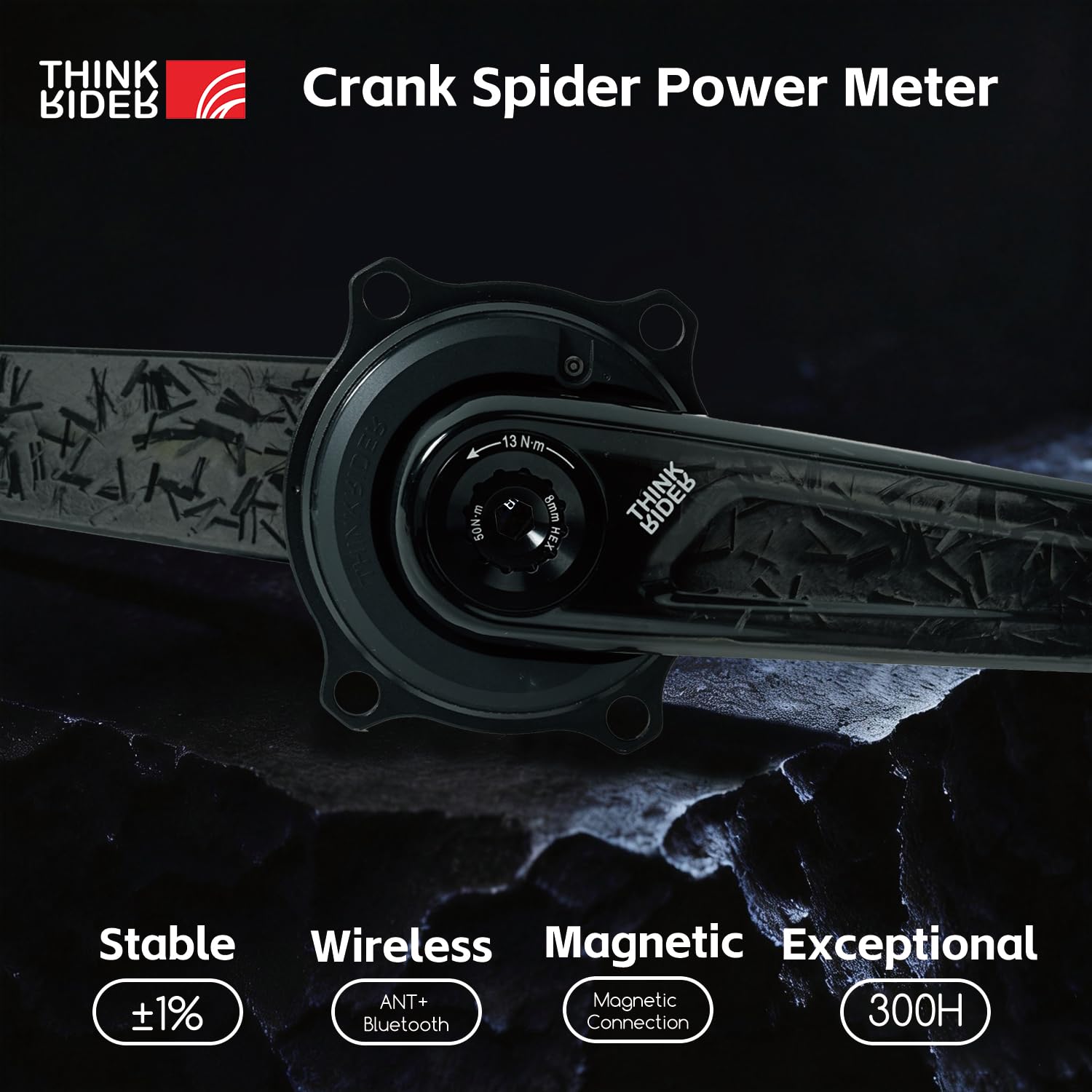
ThinkRider PP5 Spider Power Meter: Skip — Sprint-Collapse Defect
Our two-round test of the ThinkRider PP5 spider found it can drift 18W mid-ride, lose sprint peaks to a cadence dropout, and shift zero offset on every gear change — a power meter that passes the spec sheet on paper and fails the data-integrity check in practice. The PP5 shares firmware 1.68 with the Coospo S10, the same 1.72 update bug, and the same Easton Cinch crank interface. Skip.
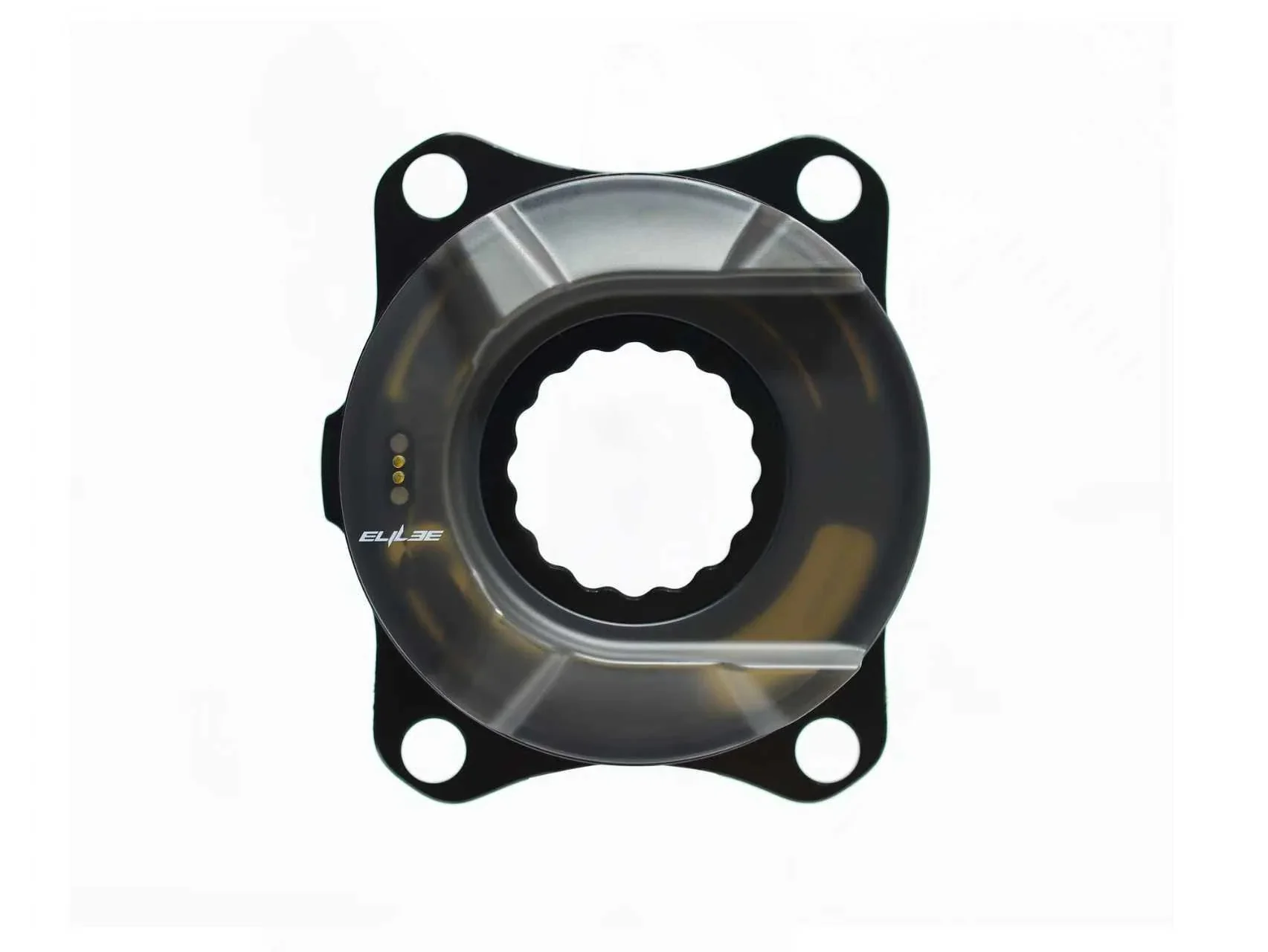
Elilee EK01 Spider Power Meter: 1kW+ Sprint Collapse, No Vendor Fix
Our two-unit cross-test of the Elilee EK01 spider — aluminum first, then the $1200 AUD carbon as a control — reproduced the same catastrophic failure on both: 4-5 second power/cadence dropout under sprint, residual-torque effect requiring manual re-zero after every hard effort. We paused testing and sent data to the vendor; no fix committed. Skip.
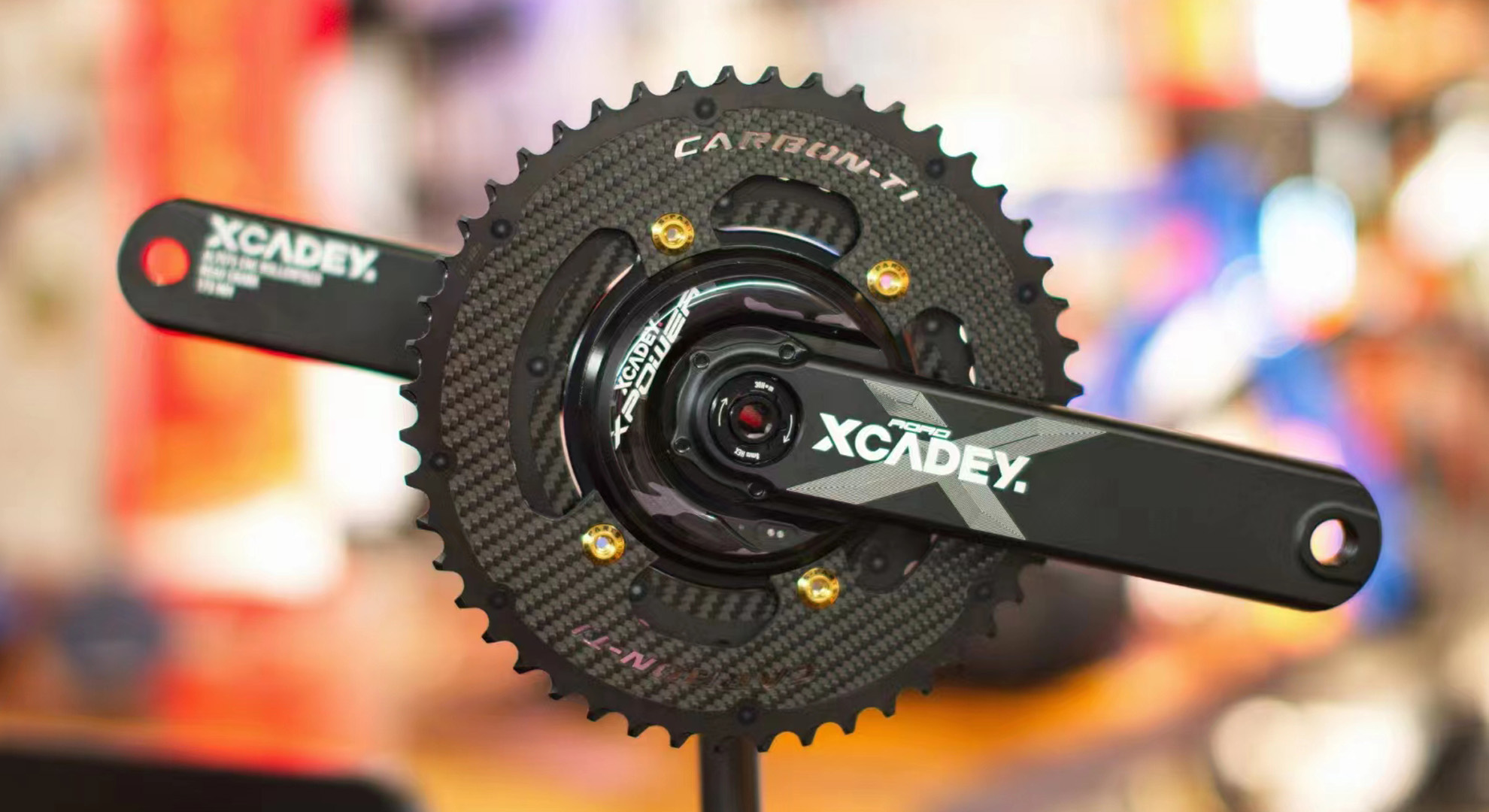
XCadey X-Power S GEN 2: 2022 Spider with 2025-Era Data Issues
Our two-round test of the second-generation XCadey X-Power S GEN 2 spider found it can drift 18W mid-ride, lose sprint peaks to a cadence dropout, and shift zero offset on every gear change — a power meter that passes the spec sheet on paper and fails the data-integrity check in practice.
SIGEYI AXO SL Spider Power Meter: Sprint-Cadence Bug, Skip
Our first-ride test of the SIGEYI AXO SL spider reproduced a sprint-cadence-sensor failure that renders the power data unusable under hard acceleration: the cadence sensor drops to zero under >1000W load, and the power calculation follows it to garbage. Same failure mode that plagued early Garmin Rally 200 / Vector 3 pedal PMs. 79g, $376 USD. Skip.
Magene P715 SPD-SL: $499 Dual-Sided, With a Phase-Angle Bug
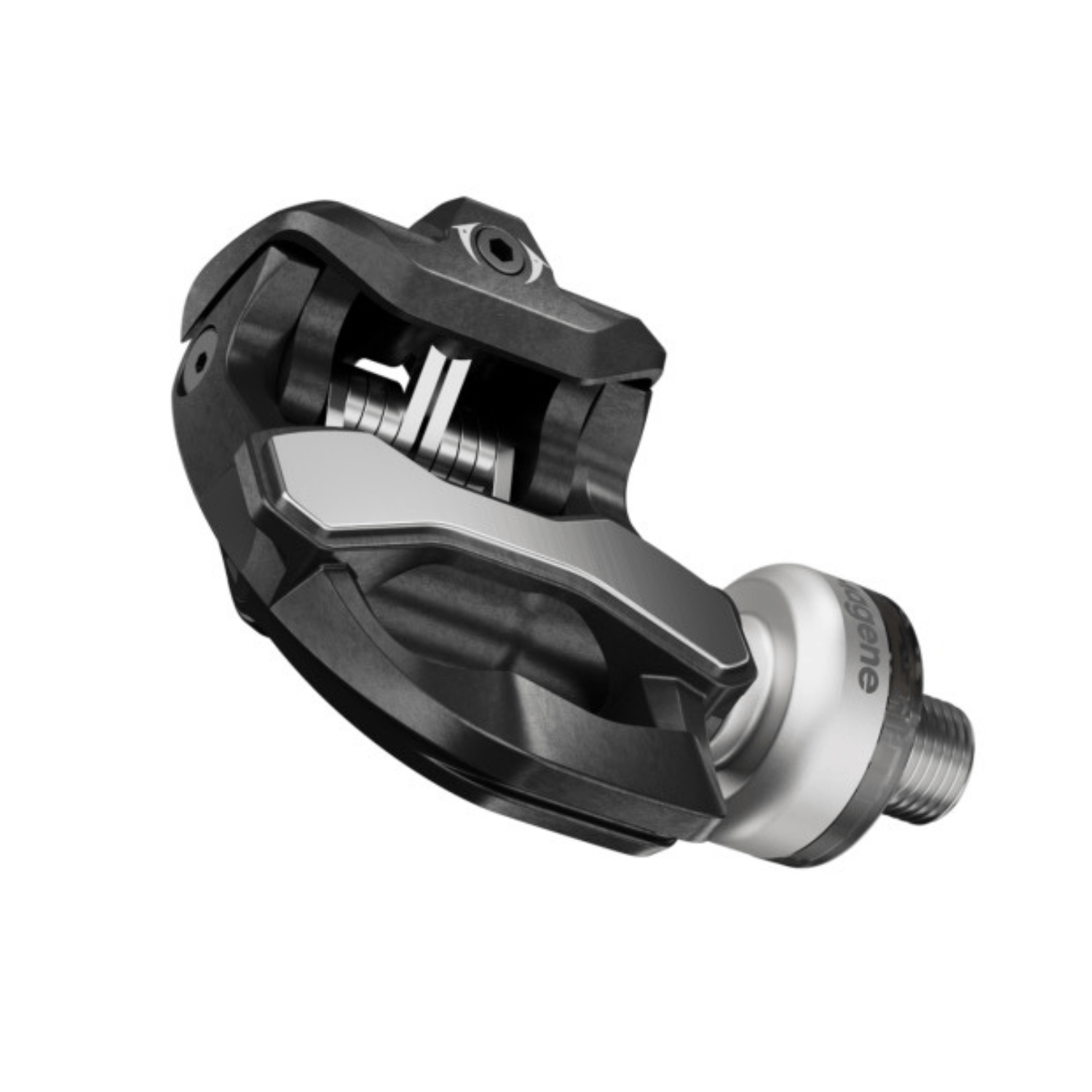
Our two-month test of the Magene P715 SPD-SL found dual-sided power within 2-3W of a Power2Max NGeco reference across every dataset, with 120h battery, IPX7 sealing, 322g measured weight per pair. The catch: a vendor-confirmed pedal-phase bug that locks start angle at 0° (fix promised by end of April 2026). At $499.
Favero Assioma PRO MX: 5,000 km Later, Our New SPD Baseline
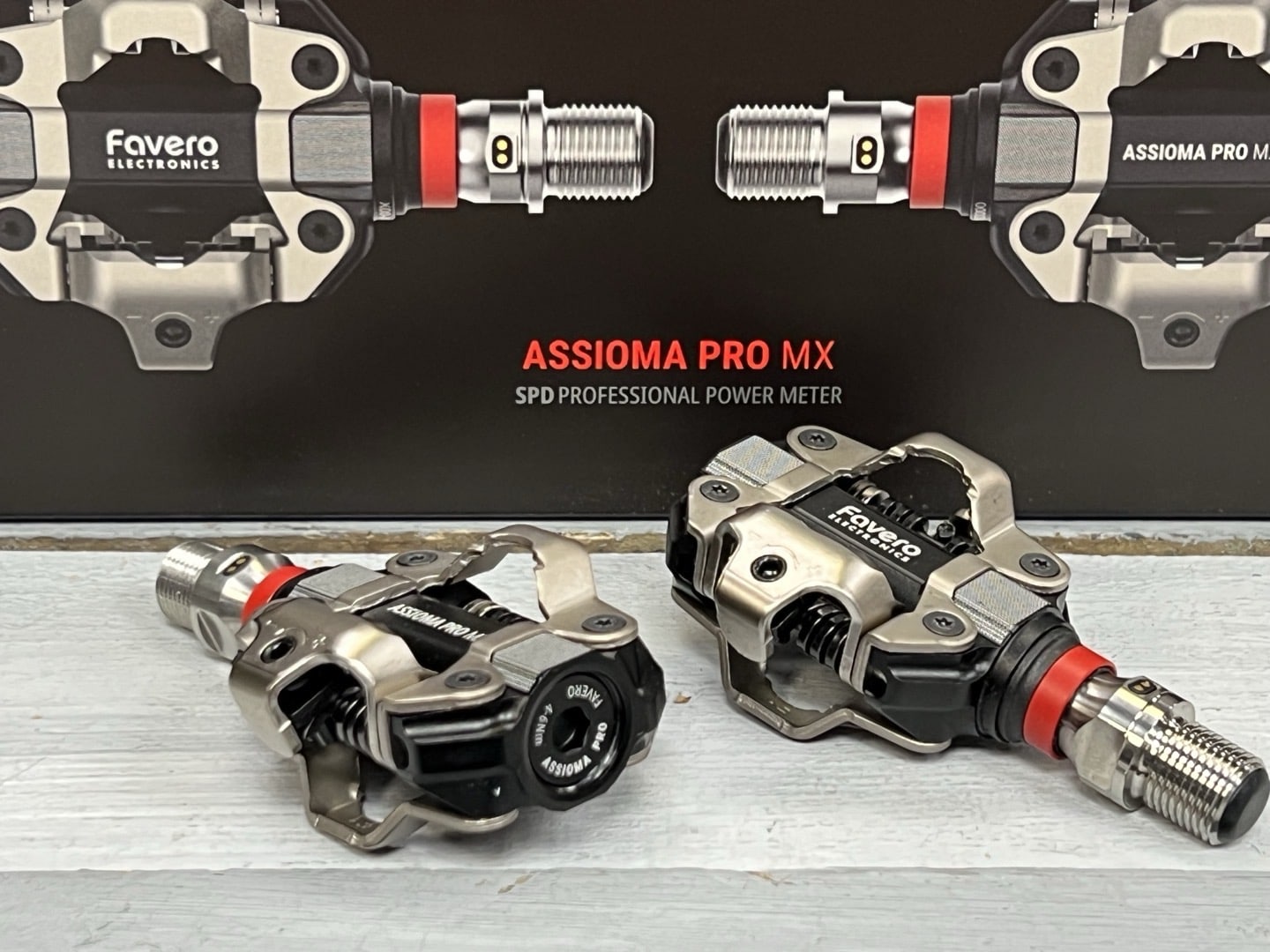
The PRO MX is the SPD version of the Pro spindle — mountain bike, gravel, cyclocross. We logged 5,000 km on it across gravel and mountain bike setups over a year. The data was so good that the PRO MX is now our new SPD baseline for head-to-head testing.
Verify with JoyAnalyze
Upload your power-meter data to JoyAnalyze and stack Coospo S10 Spider Power Meter: Sub-$90, Same Bug as PP5, Plus 1s Delay against other meters — DTW-aligned power curves, RMS error, drift, and Bland-Altman stats.
Open multi-file compare in JoyAnalyzeSee how this fits you
The Coospo S10 Spider Power Meter: Sub-$90, Same Bug as PP5, Plus 1s Delay is one option. Run the JoyFit assessment to see whether it actually matches your body and riding style — or compare it side-by-side with the other Power Metersin our database.
Community
Discuss this review · Pro members can rateComments
(0)Sign in above to leave a comment.
Loading comments…
Pro Ratings
PROLoading…Sign in above to rate this product on the 8-axis $APPEALS framework.