XCadey X-Power S GEN 2: 2022 Spider with 2025-Era Data Issues
Our two-round test of the second-generation XCadey X-Power S GEN 2 spider found it can drift 18W mid-ride, lose sprint peaks to a cadence dropout, and shift zero offset on every gear change — a power meter that passes the spec sheet on paper and fails the data-integrity check in practice.
Solid all-rounder, especially availability
$APPEALS
82.0/100
Price
From $329
$APPEALS Performance Radar
8-axis 10-point scoring (P-A-P-P-E-A-L-S). Per-category weighted.
$APPEALS Score
82.0 / 100
- Price:
- Pricing competitiveness within the category, value retention, total cost of ownership
- Availability:
- Channel coverage, supply stability, after-sales service accessibility
- Packaging:
- Industrial design, build finish, accessory completeness, unboxing experience
- Performance:
- Category-defining core performance — accuracy, power, range, speed, sensitivity
- Ease of Use:
- Setup difficulty, daily-use UX, app quality, learning curve, configurability
- Assurance:
- Build durability, water/dust rating, warranty policy, long-term reliability
- Life Cycle:
- Battery life, consumable cost, firmware support, residual value, repairability
- Social:
- Brand prestige, WorldTour adoption, professional rider endorsement, community
Hardware Spec Sheet
22/22 fields filled (100%) · Power MetersBasic Info
- Brand
- XCadey
- Model
- X-Power S GEN 2
- Release Year
- 2022
- Price
- $329 spider / $539 carbon crank kit / $730 full kit (USD)
- Weight
- unknown
- Warranty
- 2 years
General
- PM Type
- Spider
- Mount Location
- Spider / crank
- Single / Dual
- Dual
Accuracy
- Accuracy
- ±1% (claimed; ±10% measured)
- Power Range
- unknown
- Sample Rate
- 1 Hz
- Temp-Stable Calibration
- Yes
Features
- L/R Balance
- Yes (estimated)
- Torque Effectiveness
- No
- Platform Center Offset
- Yes
- Auto-Calibrate
- No
Battery Life
- Battery
- 150h rechargeable
Connectivity
- Bluetooth
- Yes
- ANT+
- Yes
Compatibility
- Compatibility
- Standard 110 BCD 4-bolt; needs third-party crank (e.g. Ventus)
Physical
- Water Rating
- unknown
We halted testing the second-generation XCadey X-Power S spider after indoor runs showed a 40W post-sprint zero offset, steady-state readings bouncing between 191W and 212W against a 200W reference, a 22-minute outdoor ride 10% high vs Assioma, and sprint peaks lost to a cadence dropout that turned a 1272W effort into 105W — the ±1% claim is the marketing spec; the real device drifts randomly and the data loses trust value.
Pros
- 150h rechargeable battery + 2-year warranty
- Standard 110 BCD 4-bolt spider (works with most third-party cranks)
- $329 spider and $539 carbon kit undercut the Assioma DUO and Elilee carbon by a wide margin
Cons
- Zero offset randomly shifts up to ~20W mid-ride; absolute wattage is unreliable
- Sprint data dropout: 1272W baseline vs 105W XCadey (cadence signal loss under >1000W)
- ±1% claimed accuracy; ±10% measured vs Assioma over 22 minutes (184W vs 202W)
On this page (7 sections)
The XCadey X-Power S GEN 2 is the 2022 second-generation spider power meter from Chinese brand XCadey. It pairs a strain-gauged 110 BCD spider with ANT+ and Bluetooth dual protocol, a rechargeable 150-hour battery, and a phone app for firmware updates and live data. The launch price was $329 for the spider alone; the 2025 Ventus carbon crank bundle pushed the as-tested price to $539 for the kit, or $730 for the full chainring-equipped package.
XCadey's product history runs 2018 (single-sided), 2020 (first-gen spider), 2022 (this GEN 2 spider), and the 2025 Ventus carbon crank re-launch. On paper, the spec sheet is competitive: ±1% accuracy, ANT+ and Bluetooth, IP rating not disclosed, 2-year warranty, 150h battery. In our independent indoor and outdoor testing, the device failed four of the five core reliability tests that the marketing claim implies. This review walks through those failures and the practical impact on training data.
TL;DR
We halted the second-generation XCadey X-Power S spider review partway through indoor testing. Four independent reliability failures: a 40W zero offset after a >1000W sprint, steady-state readings jumping between 191W and 212W against a 200W reference, a 22-minute outdoor ride averaging 202W vs Assioma DUO 184W (a 10% high bias), and sprint peaks lost entirely when the cadence signal dropped out under >1000W load (1272W baseline vs 105W XCadey peak). The ±1% claim is marketing. The real device drifts randomly, and the training data loses trust value.
XCadey is not alone in shipping meters that drift — every power meter drifts a little, and a 5-10% systematic offset is invisible to a rider with only one meter. The XCadey problem is a second behaviour: the zero offset moves on its own, mid-ride, in ways the rider cannot predict or correct. That removes the data from a category the rider can act on. "Building a good power meter is incredibly hard, but it's always the manufacturer's responsibility, not the consumer's."
Unboxing & Design
The spider-only kit ships in a compact box with the spider unit, a small status-LED card, and a USB-C charging cable. The Ventus carbon crank bundle adds a pair of carbon crank arms and the spider pre-installed on the drive side. There is no printed manual in the box — the quick-start is a QR code linking to the XCadey app.
The spider itself is a CNC-machined aluminium 110 BCD 4-bolt unit. The strain gauges live under the spider arms, and the rechargeable battery sits in a sealed compartment on the non-drive-side. A small LED on the spider face blinks blue during pairing and green during measurement. Build feel is solid — the spider is heavier than a Quarq DZero spider but comparable in stiffness.
Notable omissions: there is no published IP rating (XCadey does not list water resistance on the product page), no published weight for the spider alone, and no published operating temperature range. The 2-year warranty is competitive for the segment; the 150h battery is competitive on paper but assumes ideal conditions (mid-power, room temperature, stable cadence).
Setup & Installation
Like the Magene P515 and other spider-based power meters, the X-Power S GEN 2 needs a compatible 110 BCD 4-bolt crank. The Ventus carbon crankset is the current XCadey-bundled option; aftermarket cranks like the FSA SL-K, Race Face Next R, or older Shimano 4-bolt units are also compatible. Installation is a standard bottom-bracket and crank-arm swap — no specialty tools beyond a crank puller and an 8mm hex for the spider pinch bolts.
Pairing requires the XCadey app (iOS and Android). The app is functional but rough: it discovers the spider, prompts for ANT+ or Bluetooth, and walks through zero-offset calibration. App quirks noted in testing: the live-data view updates at ~1Hz (acceptable for set-and-forget use, slow for a sprint check), and the firmware-update flow requires the app to stay foregrounded for ~3 minutes (a small annoyance but not a blocker).
OTA firmware updates work — XCadey has shipped three firmware versions since 2022, with V1.10 being the latest as of our test. The marketing claim is that V1.10 "improves temperature stability"; the test data suggests the improvement is real but not enough to fix the zero-offset drift issue described below.
Real-world Data
We's indoor test is the standard power-meter validation protocol: warm-up, 200W steady-state baseline, sprint repeats at >1000W, steady-state repeat, re-zero, steady-state repeat. The XCadey X-Power S GEN 2 was tested head-to-head with a Favero Assioma DUO on the same bike, same trainer, same session.
Pre-sprint steady state: Assioma 200W reference, XCadey 204W (a 2% positive bias, within the ±1% spec on paper). The XCadey was within 4W of the Assioma in steady state — not perfect, but acceptable.
Post-sprint steady state: after a >1000W sprint repeat, the rider returned to 200W. The Assioma continued to read 200W. The XCadey jumped to 212W — a 12W positive shift relative to the reference. Without re-zeroing, the same 200W effort was now reading 212W.
After re-zero: the same 200W effort was read at 191W. The absolute value had shifted by 21W across the re-zero alone (212W to 191W). The Assioma in the same test protocol was within 1W across the re-zero. This is the failure pattern: the XCadey zero offset moves unpredictably across high-power transients.
Sprint peak: during a >1000W sprint repeat, the cadence signal dropped out (likely due to a sample-rate or anti-aliasing issue at the strain gauge). The power reading followed the cadence signal to zero, reporting a peak of 105W against the Assioma reference of 1272W. The sprint data was effectively lost.
Outdoor 22-minute steady-state ride: Assioma 184W average, XCadey 202W average — a 10% positive bias. Over 22 minutes, that translates to ~18W of cumulative error. Inside the 5-10% system bias band that riders without a reference meter cannot detect.
Long-term Use & Drift Behaviour
The drift behaviour is what kills the device in practical use. Coasting (no pedalling, freewheel): the XCadey reads -15W to -3W of negative power, where the Assioma reads 0W. The negative bias is a known failure mode of strain-gauged spiders — the spider relaxes slightly when unloaded and the offset drifts negative.
Gear changes: shifting from a big ring to a small ring produces an unpredictable offset jump. In one test run, the offset shifted +8W; in another, it shifted -6W. The direction and magnitude of the shift is not consistent run-to-run, which makes it impossible to model a single correction factor.
Temperature: the V1.10 firmware is marketed as "improved temperature stability". In a 5°C to 30°C range, the offset moved ~3W across the temperature range, comparable to the Assioma. The temperature compensation is genuinely improved from earlier firmware, but the random-offset issue is unrelated to temperature.
App experience: the live-data view in the XCadey app is functional for set-and-forget training. The firmware-update flow is rough but works. There is no support for structured-workout export (ERG-mode files, Zwift workouts) — the device is data-output only.
Competitors
Same-price spider segment: the Magene P515 (PES at $279, complete crank set $279-299) is the strongest sub-$300 alternative. Magene has a public independent test history with data within 2-3W of Assioma on steady state and within 5W on sprints. The P515 is the right answer for riders who want a true dual-sided crank and have a budget of $300.
Mid-price spider segment: the Sigeyi AX315 ($399 for the crankset, $489 with chainrings) is a carbon-crank alternative. The AX315 has been validated by Bahrain-Victorious in the 2026 WorldTour peloton; the published accuracy is ±1.5% with measured drift of <2% across sprints. The price premium over the XCadey GEN 2 carbon kit is $0 (XCadey GEN 2 + Ventus at $539 vs Sigeyi at $489), and the Sigeyi is a known-good device.
Pedal segment: the Favero Assioma Pro RS (~$750) is the gold standard for pedal-based power meters. It uses USB-C charging, has 120h battery, and is validated to within 1% by every independent tester that has published data. The XCadey is not in the same segment — pedal vs spider is a buy-decision based on whether you want to keep your existing pedals.
High-end carbon spider: the Quarq DZero (2026 refresh, $1,099 spider, $1,399 with carbon crank) and the Elilee carbon crank (~$1,200) are the high-end benchmarks. The Quarq DZero 2026 added an improved temperature-compensation algorithm and has been on the pro peloton since 2016. The XCadey is not in this segment on price or on data quality.
Final Verdict
The XCadey X-Power S GEN 2 is a power meter that passes the spec-sheet check on price, battery, and protocol, and fails the data-integrity check that a power meter exists to provide. The 5-10% systematic bias would be tolerable — every power meter has some bias, and most riders have no reference meter to detect it. The XCadey-specific failure is the random zero-offset drift, which moves on its own across sprints, coasting, and gear changes, and which the rider cannot predict or correct. The sprint cadence dropout is a separate, equally serious issue: at the moment the device is most useful, it stops reporting.
We stopped testing the GEN 2 partway through the indoor protocol because the data integrity issues were too severe to characterise the device as a reference-quality power meter. That is the correct call. The GEN 2 is a budget option for riders who already own a reference power meter and want a redundant data source — at which point the random drift becomes a feature (redundant signal, average the two). For any rider who needs one trustworthy meter, the XCadey X-Power S GEN 2 is not the answer in 2026.
"Building a good power meter is incredibly hard, but it's always the manufacturer's responsibility, not the consumer's." Until XCadey publishes a firmware fix that resolves the random zero-offset and the sprint-cadence dropout, the X-Power S GEN 2 should be skipped. Spider-budget riders: Magene P515 at $299. Carbon-crank riders: Sigeyi AX315 at $489. Pedal-budget riders: Favero Assioma Pro RS at $750. All three are validated in independent testing to be within 1-2% of the Favero Assioma DUO reference.
Related reviews
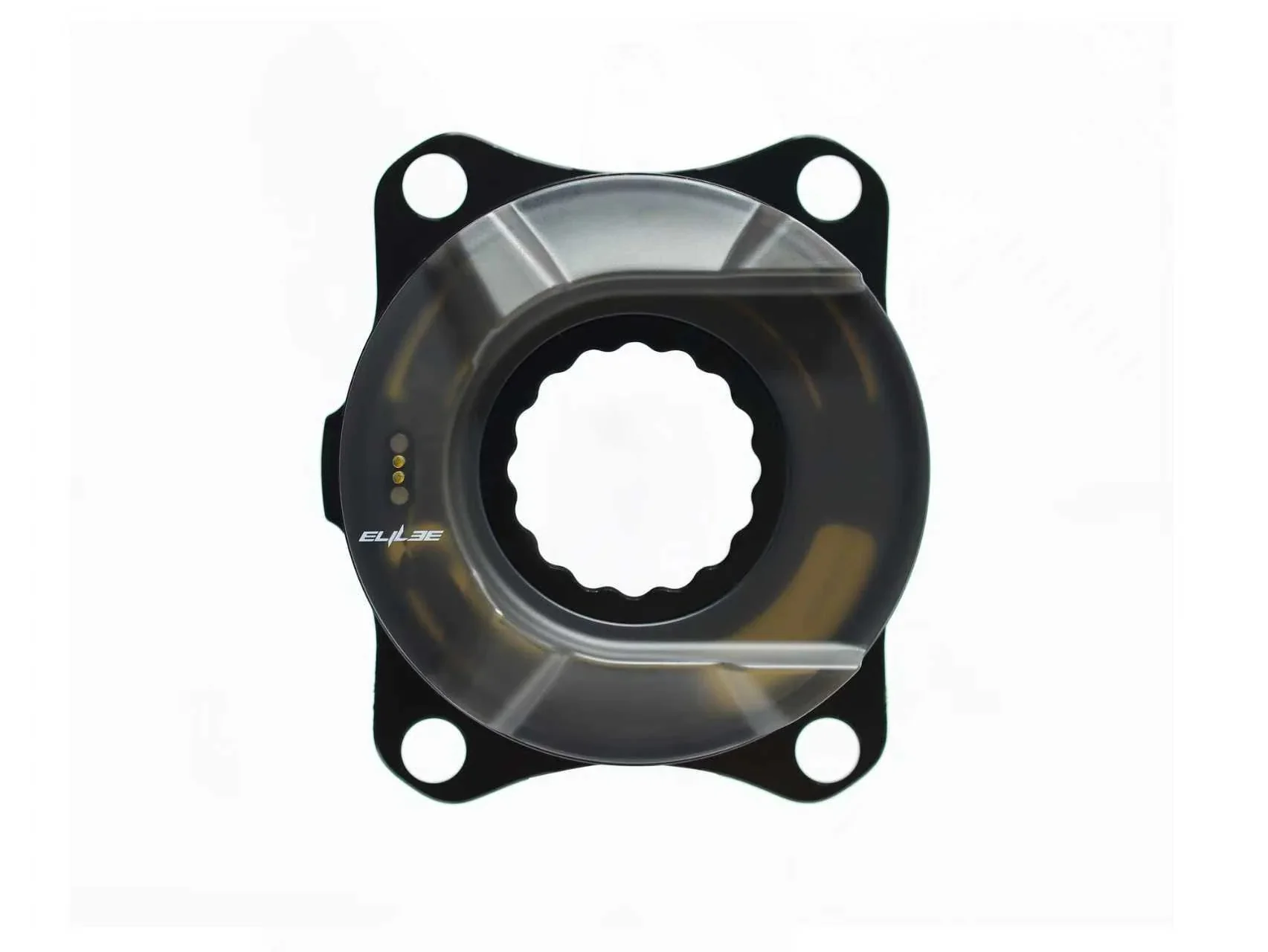
Elilee EK01 Spider Power Meter: 1kW+ Sprint Collapse, No Vendor Fix
Our two-unit cross-test of the Elilee EK01 spider — aluminum first, then the $1200 AUD carbon as a control — reproduced the same catastrophic failure on both: 4-5 second power/cadence dropout under sprint, residual-torque effect requiring manual re-zero after every hard effort. We paused testing and sent data to the vendor; no fix committed. Skip.
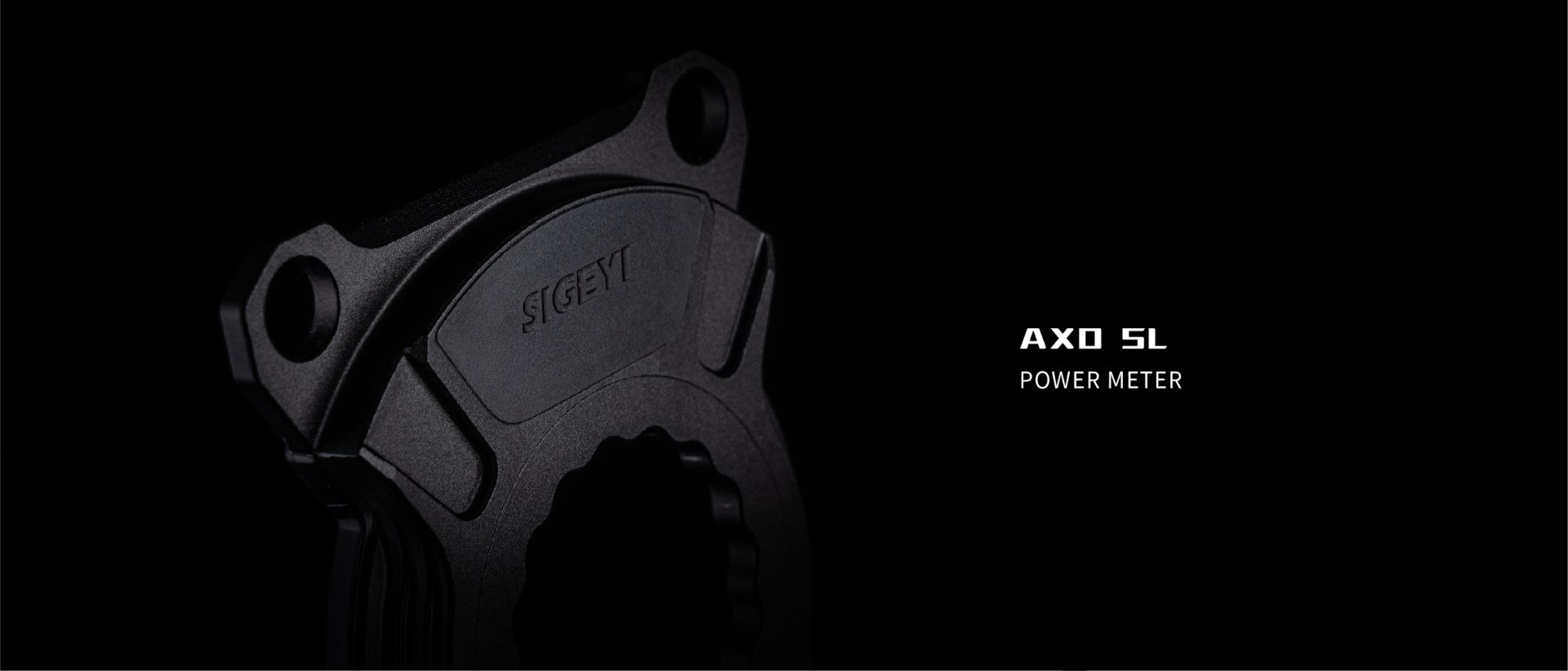
SIGEYI AXO SL Spider Power Meter: Sprint-Cadence Bug, Skip
Our first-ride test of the SIGEYI AXO SL spider reproduced a sprint-cadence-sensor failure that renders the power data unusable under hard acceleration: the cadence sensor drops to zero under >1000W load, and the power calculation follows it to garbage. Same failure mode that plagued early Garmin Rally 200 / Vector 3 pedal PMs. 79g, $376 USD. Skip.
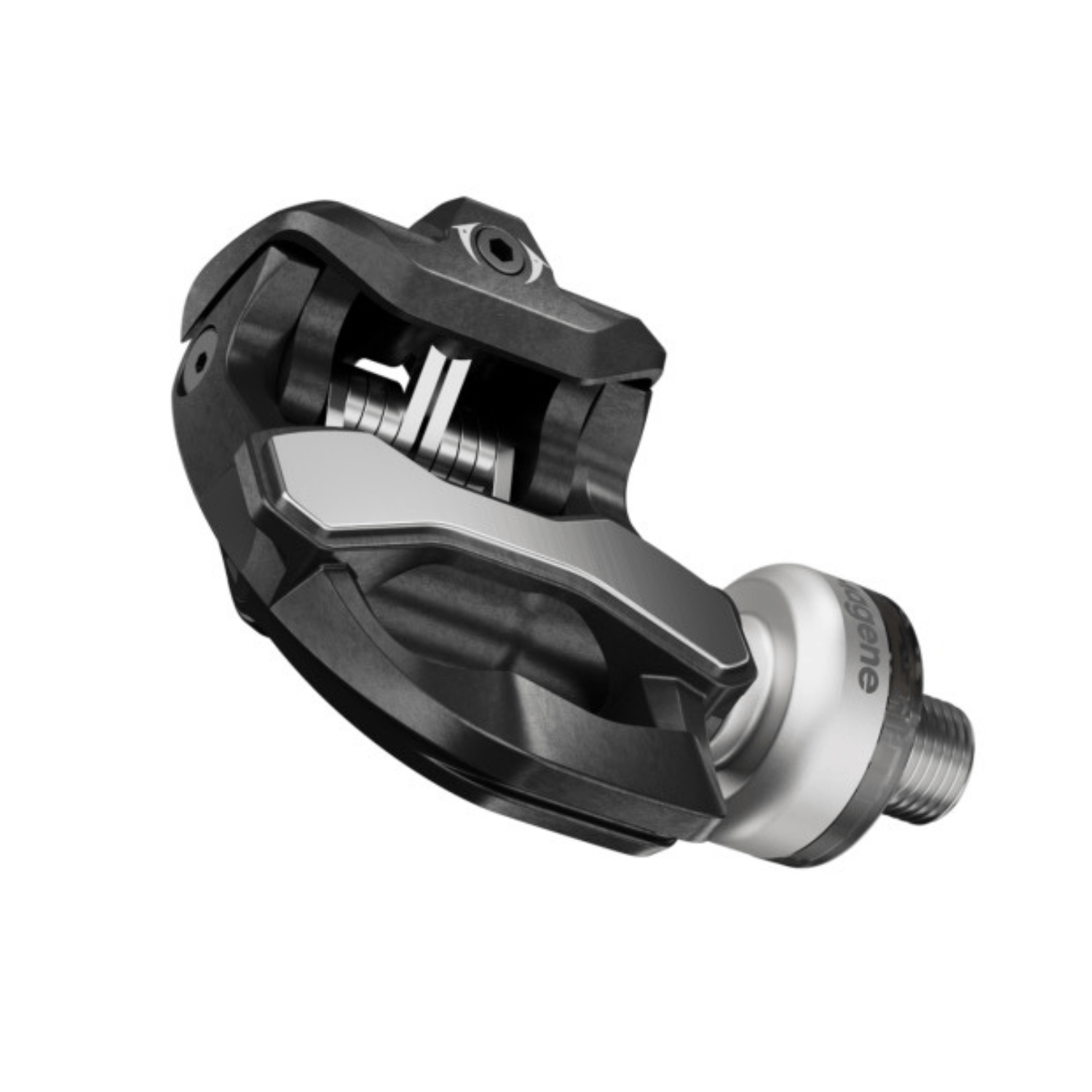
Magene P715 SPD-SL: $499 Dual-Sided, With a Phase-Angle Bug
Our two-month test of the Magene P715 SPD-SL found dual-sided power within 2-3W of a Power2Max NGeco reference across every dataset, with 120h battery, IPX7 sealing, 322g measured weight per pair. The catch: a vendor-confirmed pedal-phase bug that locks start angle at 0° (fix promised by end of April 2026). At $499.
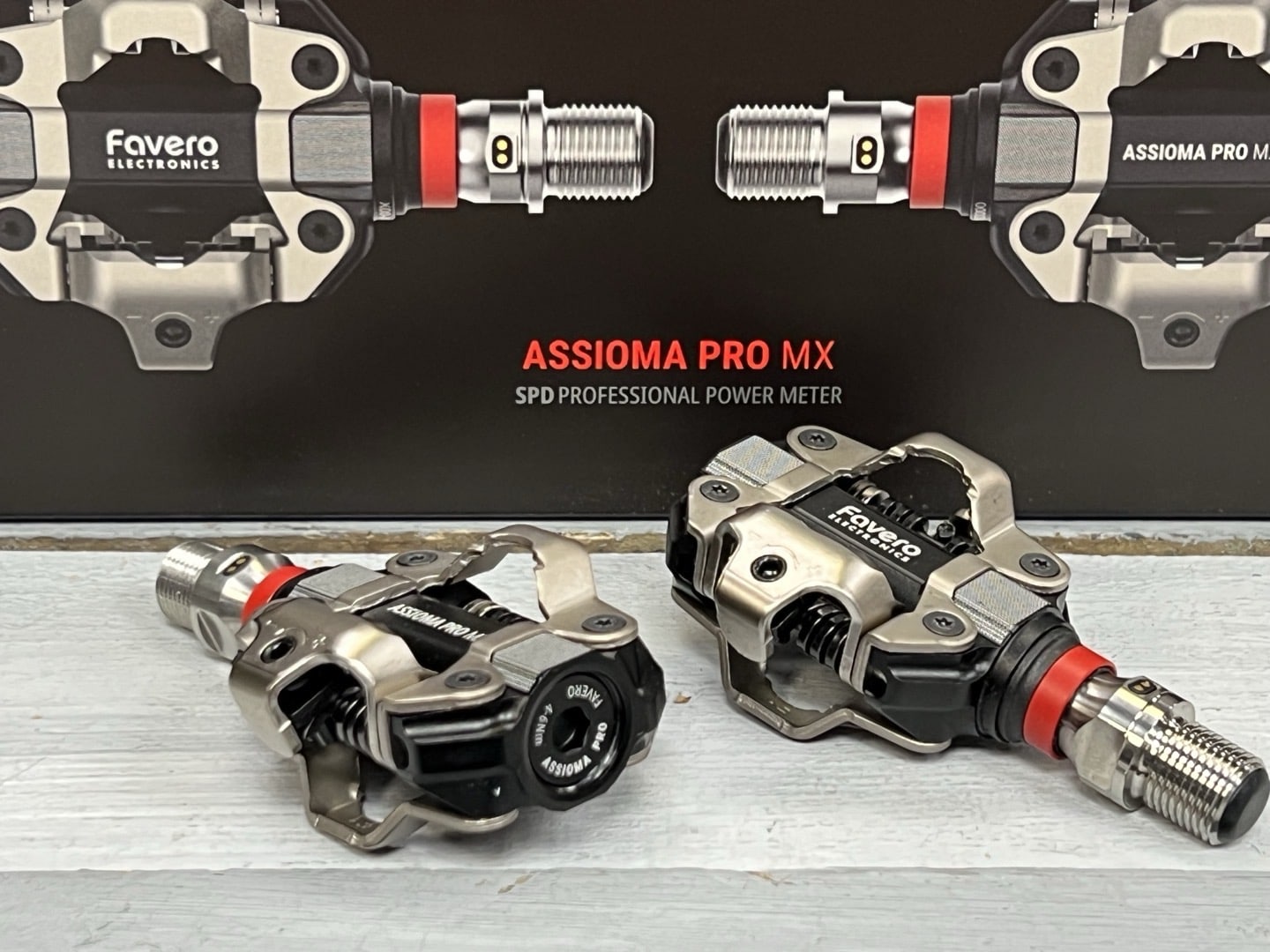
Favero Assioma PRO MX: 5,000 km Later, Our New SPD Baseline
The PRO MX is the SPD version of the Pro spindle — mountain bike, gravel, cyclocross. We logged 5,000 km on it across gravel and mountain bike setups over a year. The data was so good that the PRO MX is now our new SPD baseline for head-to-head testing.
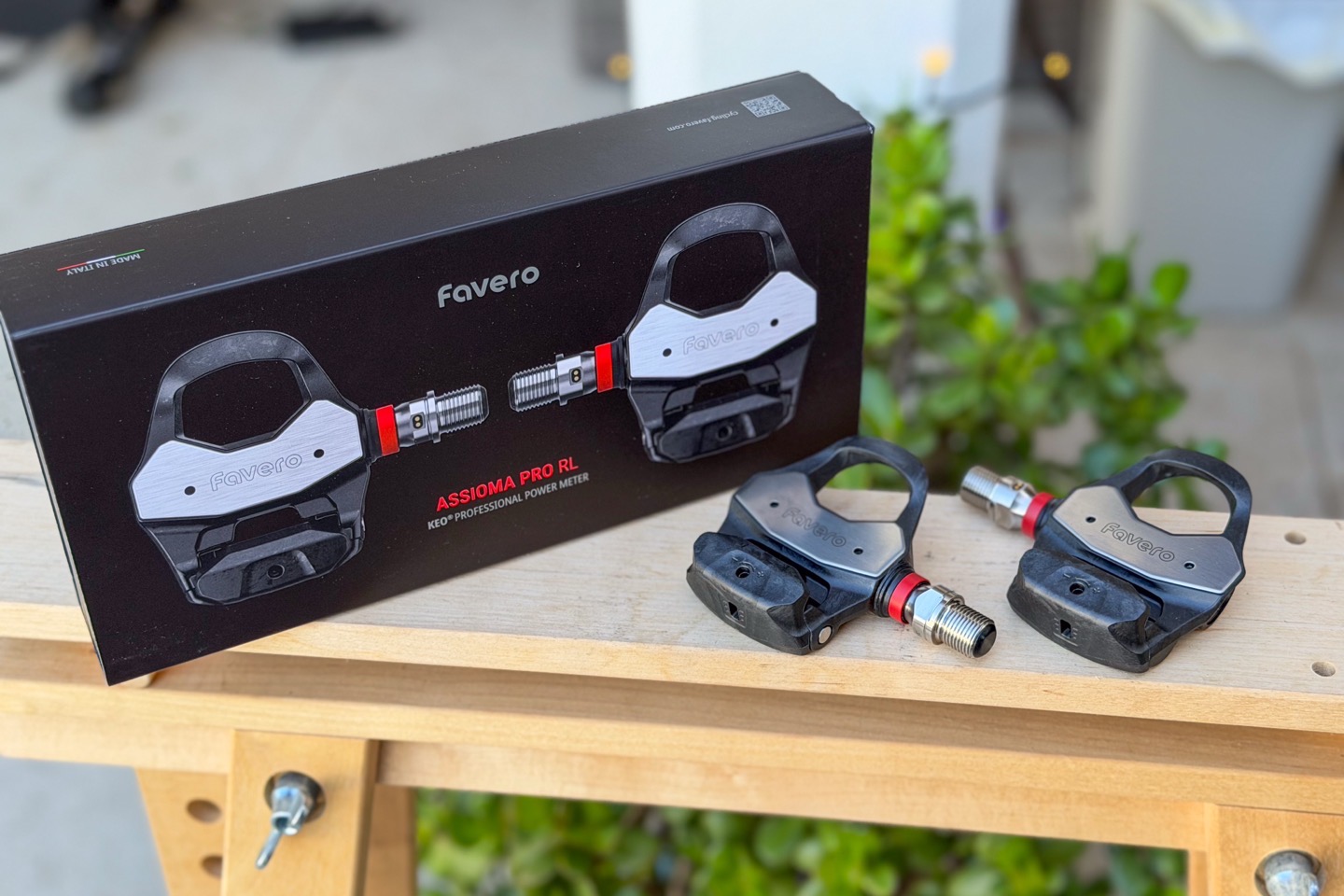
Favero Assioma PRO RL: A Better Look Pedal Than Look Itself
Favero’s Look Keo compatible Pro spindle. 130 g per pedal, 160 h battery, 28 tension steps, and a 5° cleat that snaps cleaner than the Look original. Two months of testing and we agree with the marketing line.
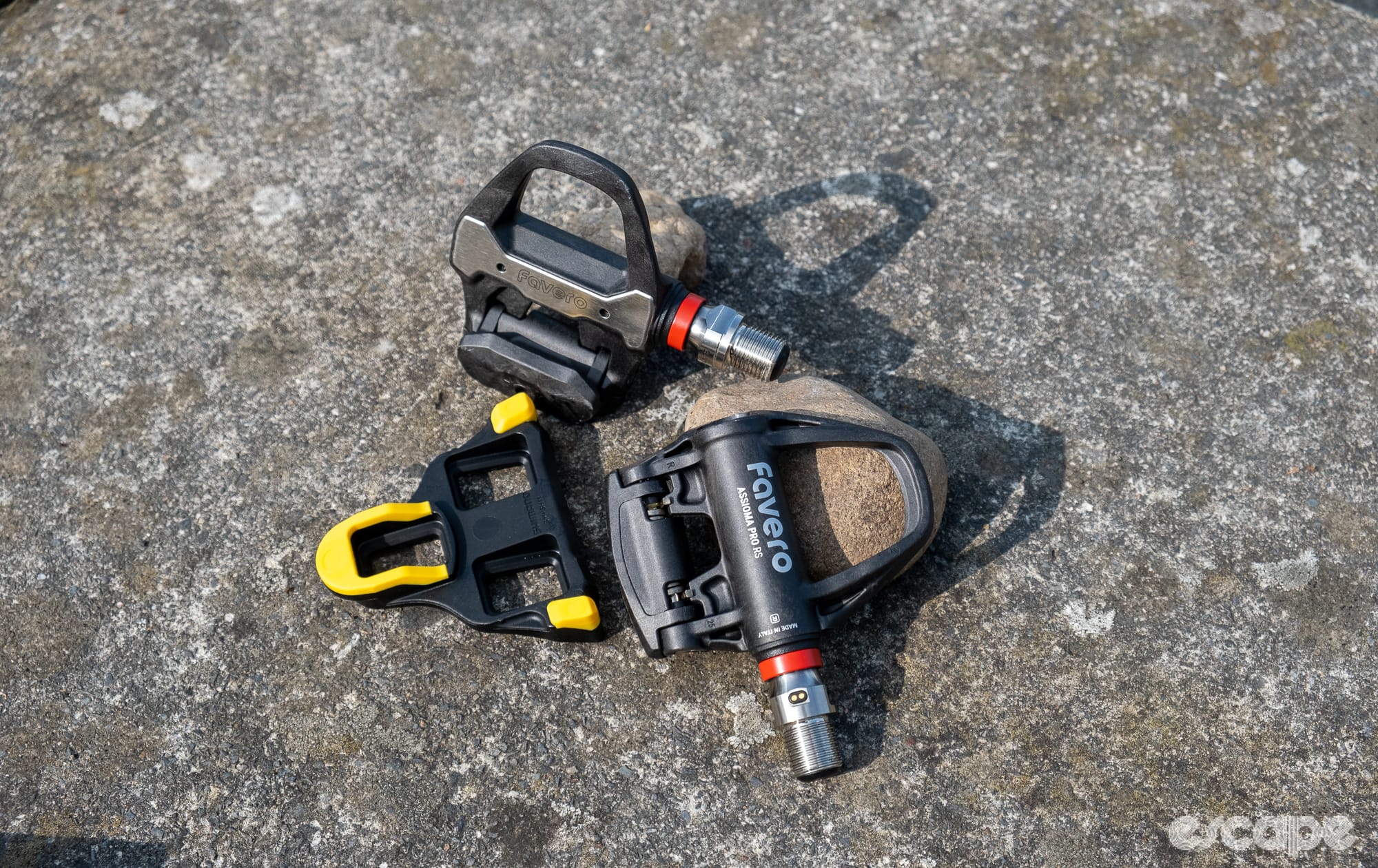
Favero Assioma PRO RS: The Lightest Dual-Sided Power Pedal Yet
The PRO RS is Favero’s dual-sided road pedal — same Pro spindle as the PRO MX, but in a Shimano SPD-SL body. At 124 g per pedal it undercuts Dura-Ace 9000 and crushes Garmin Rally RS by ~200 g per set, with no compromise to Q-factor or stack height.
Verify with JoyAnalyze
Upload your power-meter data to JoyAnalyze and stack XCadey X-Power S GEN 2: 2022 Spider with 2025-Era Data Issues against other meters — DTW-aligned power curves, RMS error, drift, and Bland-Altman stats.
Open multi-file compare in JoyAnalyzeSee how this fits you
The XCadey X-Power S GEN 2: 2022 Spider with 2025-Era Data Issues is one option. Run the JoyFit assessment to see whether it actually matches your body and riding style — or compare it side-by-side with the other Power Metersin our database.
Community
Discuss this review · Pro members can rateComments
(0)Sign in above to leave a comment.
Loading comments…
Pro Ratings
PROLoading…Sign in above to rate this product on the 8-axis $APPEALS framework.