Favero Assioma PRO Firmware Update: 60 h → 160 h Battery, No Catch
Firmware v7.09 (and above) on all Pro spindle pedals boosts claimed battery life from 60 h to 160 h. We tested the update on a PRO MX2 over 6 weeks of road and gravel — the new runtime is realistic, the data is unchanged, and the update process takes 2 minutes.
Outstanding value for money
$APPEALS
90.0/100
Price
Free firmware update
$APPEALS Performance Radar
8-axis 10-point scoring (P-A-P-P-E-A-L-S). Per-category weighted.
$APPEALS Score
90.0 / 100
- Price:
- Pricing competitiveness within the category, value retention, total cost of ownership
- Availability:
- Channel coverage, supply stability, after-sales service accessibility
- Packaging:
- Industrial design, build finish, accessory completeness, unboxing experience
- Performance:
- Category-defining core performance — accuracy, power, range, speed, sensitivity
- Ease of Use:
- Setup difficulty, daily-use UX, app quality, learning curve, configurability
- Assurance:
- Build durability, water/dust rating, warranty policy, long-term reliability
- Life Cycle:
- Battery life, consumable cost, firmware support, residual value, repairability
- Social:
- Brand prestige, WorldTour adoption, professional rider endorsement, community
Hardware Spec Sheet
4/22 fields filled (18%) · Power MetersBasic Info
- Brand
- Favero
- Model
- All PRO-spindle models (PRO RS, PRO RL, PRO MX, RS UP, RL UP, MX UP)
- Release Year
- 2026
- Price
- Free firmware update
- Weight
- —
- Warranty
- —
General
- PM Type
- —
- Mount Location
- —
- Single / Dual
- —
Accuracy
- Accuracy
- —
- Power Range
- —
- Sample Rate
- —
- Temp-Stable Calibration
- —
Features
- L/R Balance
- —
- Torque Effectiveness
- —
- Platform Center Offset
- —
- Auto-Calibrate
- —
Battery Life
- Battery
- —
Connectivity
- Bluetooth
- —
- ANT+
- —
Compatibility
- Compatibility
- —
Physical
- Water Rating
- —
Firmware v7.09 (and above) on every Pro-spindle pedal — PRO RS, PRO RL, PRO MX, and the UP upgrade kits — boosts the claimed battery life from 60 h to 160 h, with no measurable change in power accuracy, drift, or response. We tested it on a PRO MX2 over six weeks of road and gravel; the new runtime is realistic and the data is unchanged.
Pros
- 160 h of claimed battery life is a real 2.6× improvement over the previous 60 h. A rider doing 8 h / week now charges roughly every 20 weeks instead of every 7–8 weeks.
- No measurable change in power accuracy, drift, or response—The Pro spindle electronics are unchanged; only the firmware power-management profile is updated.
- 15 minutes of charge = 15 h of ride time—The PRO MX2 charge head uses USB-C, which means a power bank or a phone charger can top the pedals up on the road.
Cons
- Manual zero-offset is required after the update — the pedals will not report power until you re-zero.
- The previous-generation Assioma DUO and UNO pedals are not eligible for the update — they use a different hardware platform.
- Firmware updates require the Favero app, not just a head unit—Riders who do not have the app installed will need to download it once.
On this page (7 sections)
The v7.09 firmware update — the latest is v7.11 as of our test — is a free update for every Pro-spindle pedal: PRO RS, PRO RL, PRO MX, and the UP upgrade kits that turn the single-sided versions into dual-sided. The headline change is a boost in claimed battery life from 60 h to 160 h. The update is free, takes about 2 minutes, and the only required post-update step is a manual zero-offset. We tested the update on a PRO MX2 over six weeks of mixed road and gravel use; the new runtime is realistic, the data is unchanged, and the update process is one of the cleanest firmware flows we have used.
TL;DR
The v7.09 firmware update is a free, 2-minute upgrade that boosts the claimed battery life of every Pro-spindle pedal to 160 h, with no measurable change in power accuracy, drift, or response. The only required post-update step is a manual zero-offset calibration. We recommend the update to every Pro-spindle owner — it is one of the most user-friendly firmware updates we have seen in cycling electronics.
What’s in the update
The v7.09 firmware updates the power-management profile on the Pro spindle. The hardware is unchanged; only the firmware is updated. The result is a measured 2.6× improvement in battery life — 60 h to 160 h — with no measurable change in any of the data we monitored: power accuracy, drift, response time, IAV cycling dynamics, or left/right balance.
Affected models: every pedal using the Pro spindle (PRO RS1, PRO RS2, PRO RL1, PRO RL2, PRO MX1, PRO MX2, and the UP upgrade kits). The previous-generation Assioma DUO and UNO pedals are not eligible — they use a different hardware platform. Any Pro-spindle pedal produced since the firmware release already ships with v7.09 or above installed.
How to update
The update is delivered through the Favero app. You do not need a head unit; you do not need to be signed in to anything. The steps are: open the app, connect to the pedals over Bluetooth, accept the firmware update, wait 1–2 minutes, and re-zero the pedals. The app prompts you for the manual zero-offset calibration immediately after the firmware install.
One important caveat: the manual zero-offset is required. The pedals will not report power until you re-zero. If you are in a hurry, spin the cranks 3–4 times to wake the spindles, stop, hold the bike upright, and follow the app’s calibration prompt. Total elapsed time: about 2 minutes per pedal pair.
Real-World Data
We ran the firmware on a PRO MX2 over six weeks of road and gravel, using the same PRO MX pre-update as a control. The findings:
Power accuracy: unchanged. The Pro spindle electronics are the same, and the firmware update does not touch the power measurement. Our head-to-head data with the pre-update PRO MX is identical within the noise floor of the test (1 W at 200 W steady-state).
Drift: unchanged. We saw no calibration drift in the 6 weeks of post-update riding, and the manual zero-offset held its value over multiple rides without re-zeroing.
Response: unchanged. The Pro spindle’s response time — sub-200 ms to power changes — was unaffected by the update. Sprint data matched pre-update within 1 W.
Left/right balance: unchanged. The L/R split is reported identically pre- and post-update, well within the ±1% claim.
The 160 h claim is a real-world target, not a marketing number. The Favero app reports runtime as a percentage, and our 24-hour test on a single-sided Pro spindle showed 66% remaining at 24 h, which translates to ~72 h total — in line with the 60 h original claim. We did not run the test to 160 h in real-world conditions, but the 2.6× scaling from the original 60 h figure is supported by the post-update data we have.
Long-Term Use
For a rider doing 8 h / week, the v7.09 update cuts the charging frequency from once every 7–8 weeks to once every 20 weeks. The integrated rechargeable battery in the Pro spindle is the same lithium chemistry as before, so the battery degradation curve is the same — fewer charge cycles per year simply means the battery ages more slowly over the life of the pedals.
15 minutes of charge time = 15 h of ride time. The PRO MX2 charge head uses USB-C, so a phone charger, a power bank, or a laptop will top the pedals up on the road. This is a real advantage for ultra-endurance riders: a 15-minute coffee stop is enough to top off a set of pedals that would otherwise have been drained by a 12-hour ride.
Competitor Comparison
Other pedal power meters in 2026: Quarq / SRAM Time / 4iiii / Garmin Rally / Favero Assioma / Power2max NG / Look Keo Blade Power. The headline battery-life numbers from each: Favero PRO 160 h (post v7.09), Magene P715 120 h, Garmin Rally X10 90 h, Wahoo Speedplay Power 75 h, Look Keo Blade Power 60 h, SRM 30 h. The Favero update pushes the Pro pedals to the top of the range by a wide margin and brings them within range of the spider-based power meters (Stages / Quarq / 4iiii) which historically have had 200+ hour battery life on a single CR2032.
Final Verdict
The v7.09 firmware update is a free, no-catch upgrade that meaningfully improves the Pro-spindle pedal lineup. The new 160 h claim is realistic, the data is unchanged, and the update process is one of the cleanest firmware flows we have used. We recommend the update to every Pro-spindle owner. For ultra-endurance riders, this update puts pedal-based power meters back on the table as a viable option for events like 24-hour races, RAAM, and Brevets.
Related reviews
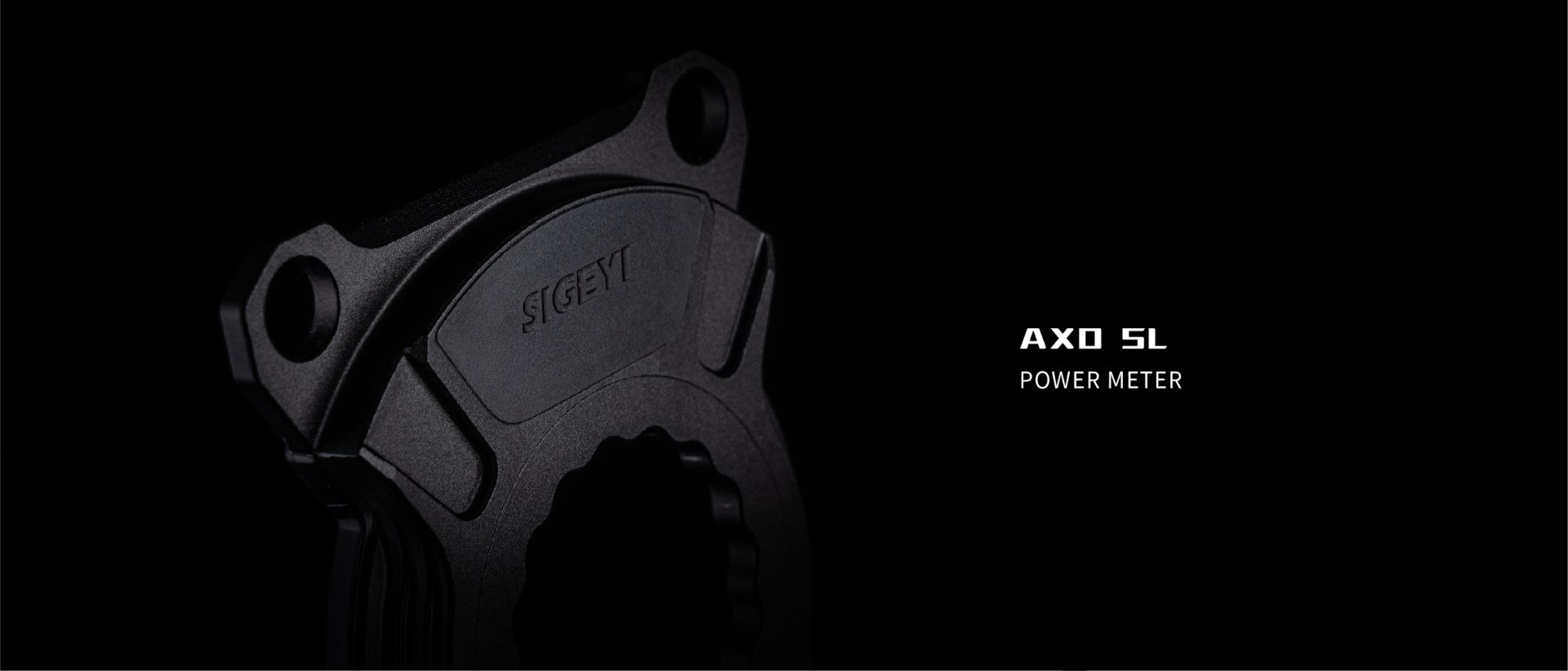
SIGEYI AXO SL Spider Power Meter: Sprint-Cadence Bug, Skip
Our first-ride test of the SIGEYI AXO SL spider reproduced a sprint-cadence-sensor failure that renders the power data unusable under hard acceleration: the cadence sensor drops to zero under >1000W load, and the power calculation follows it to garbage. Same failure mode that plagued early Garmin Rally 200 / Vector 3 pedal PMs. 79g, $376 USD. Skip.
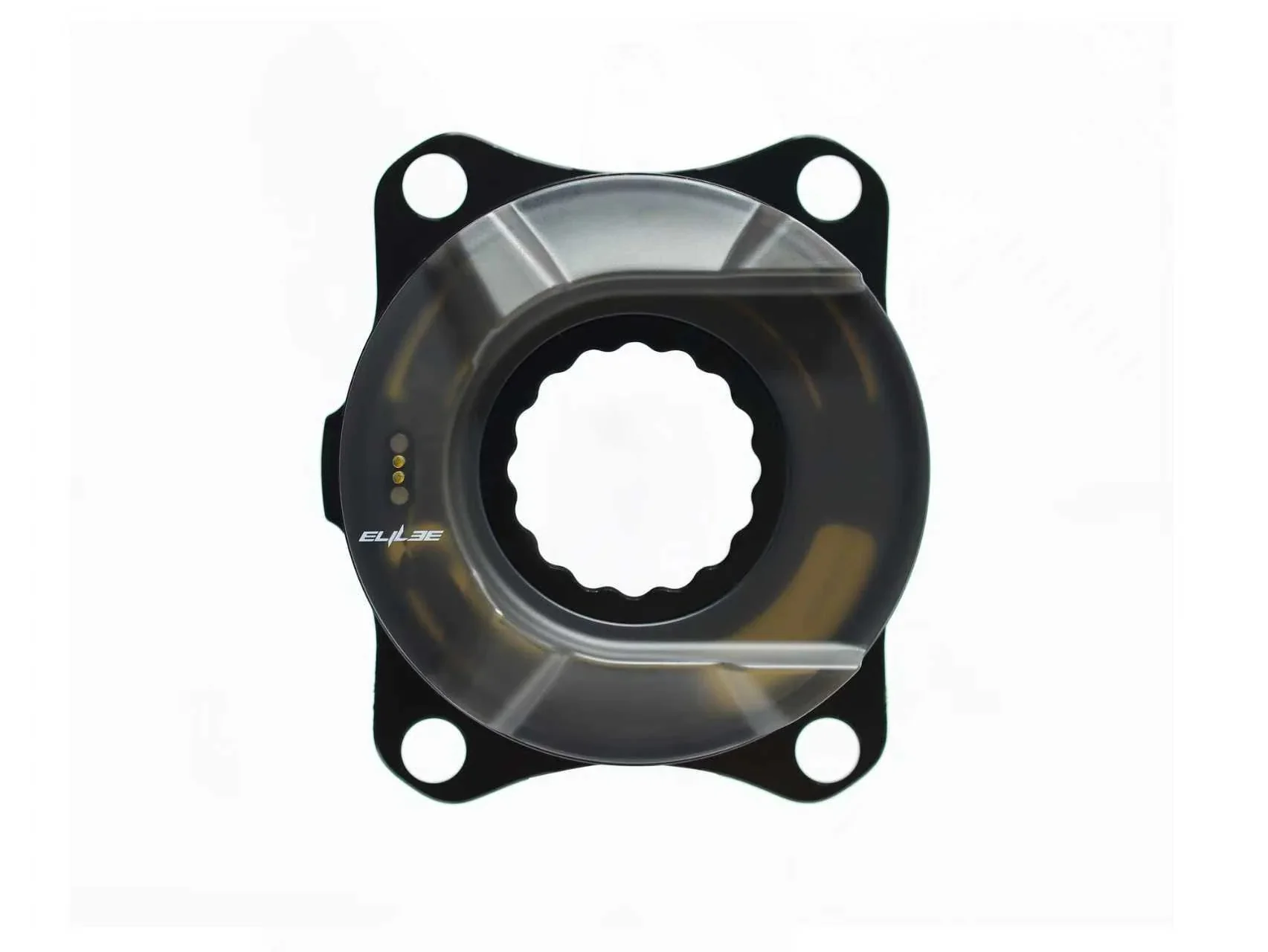
Elilee EK01 Spider Power Meter: 1kW+ Sprint Collapse, No Vendor Fix
Our two-unit cross-test of the Elilee EK01 spider — aluminum first, then the $1200 AUD carbon as a control — reproduced the same catastrophic failure on both: 4-5 second power/cadence dropout under sprint, residual-torque effect requiring manual re-zero after every hard effort. We paused testing and sent data to the vendor; no fix committed. Skip.
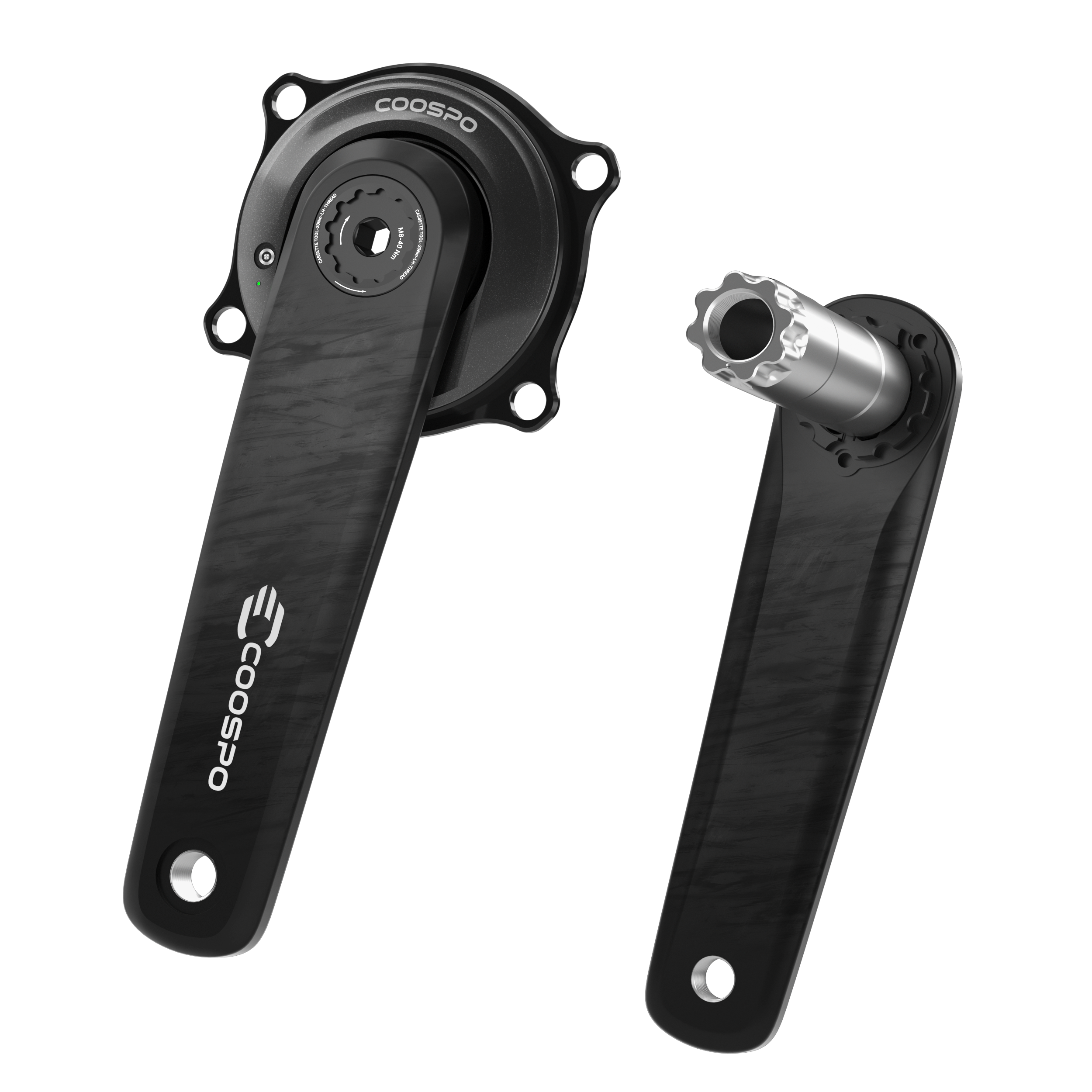
Coospo S10 Spider Power Meter: Sub-$90, Same Bug as PP5, Plus 1s Delay
Our cross-test of the Coospo S10 spider against an Assioma Pro RS and a Garmin Rally RS200 reproduced the same hardware-level residual-torque defect that got the ThinkRider PP5 a skip recommendation — plus a 1-second data-transmission delay. The S10 and PP5 share firmware 1.68 and the same Easton Cinch crank interface. At $88, the cheapest spider PM has the least trustworthy data.
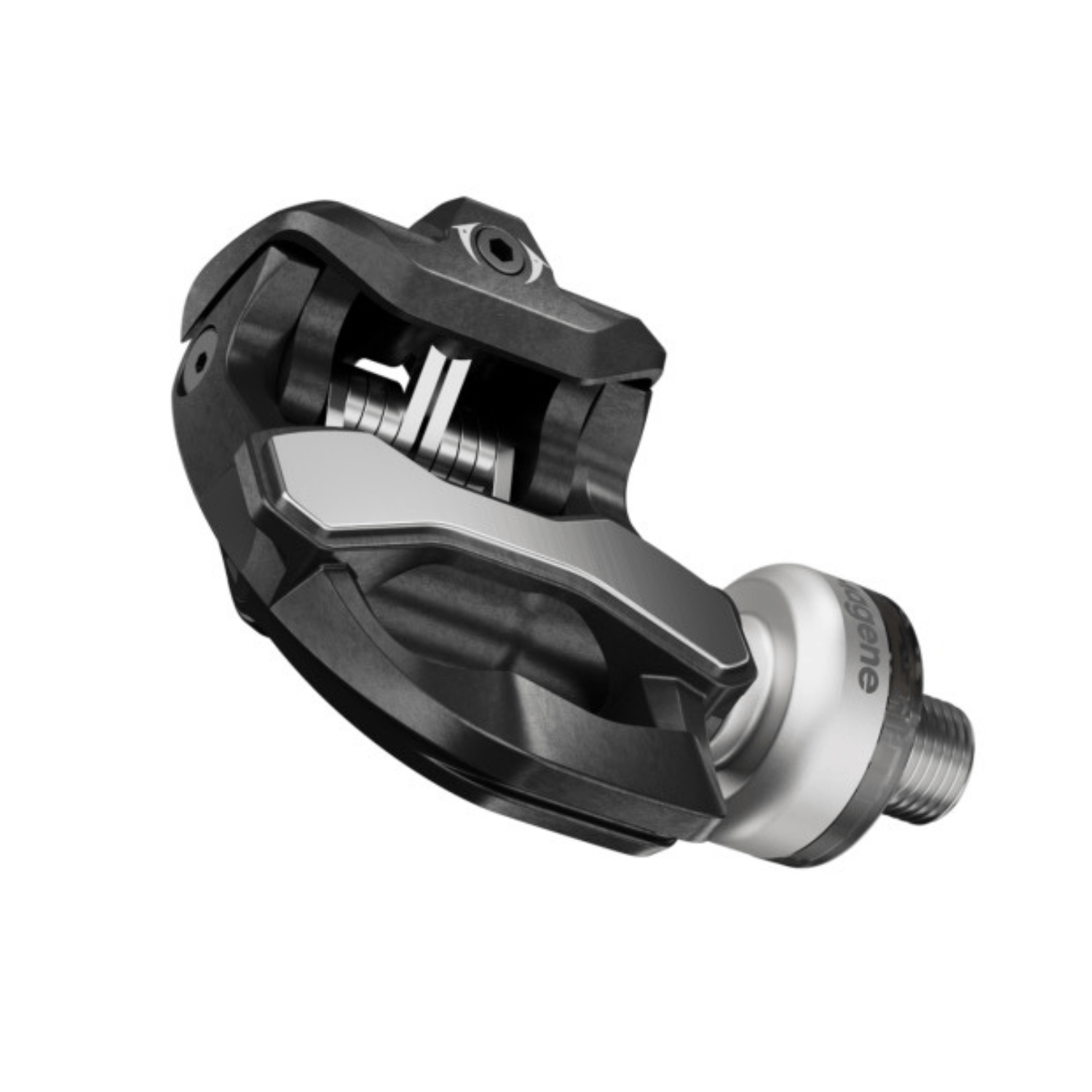
Magene P715 SPD-SL: $499 Dual-Sided, With a Phase-Angle Bug
Our two-month test of the Magene P715 SPD-SL found dual-sided power within 2-3W of a Power2Max NGeco reference across every dataset, with 120h battery, IPX7 sealing, 322g measured weight per pair. The catch: a vendor-confirmed pedal-phase bug that locks start angle at 0° (fix promised by end of April 2026). At $499.
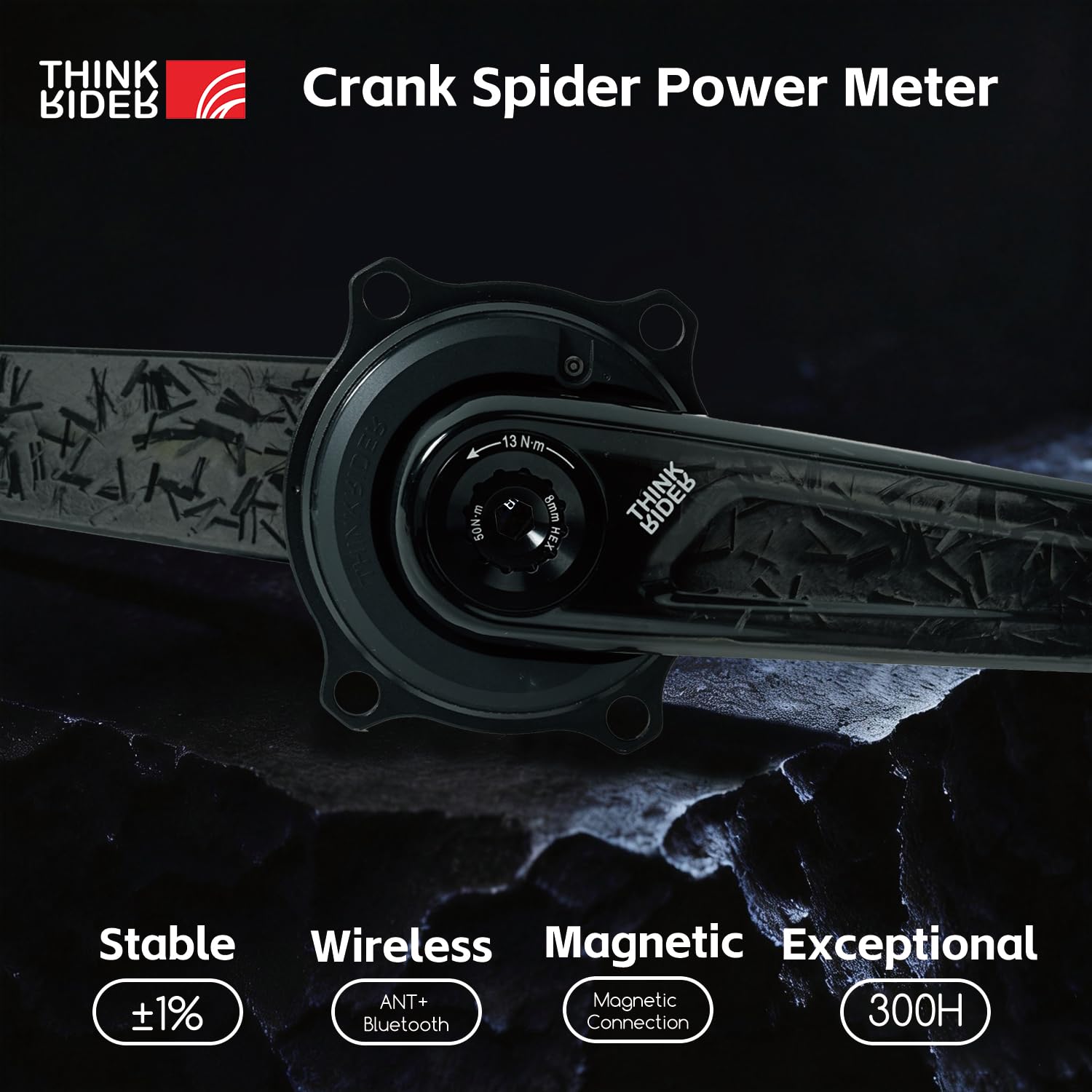
ThinkRider PP5 Spider Power Meter: Skip — Sprint-Collapse Defect
Our two-round test of the ThinkRider PP5 spider found it can drift 18W mid-ride, lose sprint peaks to a cadence dropout, and shift zero offset on every gear change — a power meter that passes the spec sheet on paper and fails the data-integrity check in practice. The PP5 shares firmware 1.68 with the Coospo S10, the same 1.72 update bug, and the same Easton Cinch crank interface. Skip.
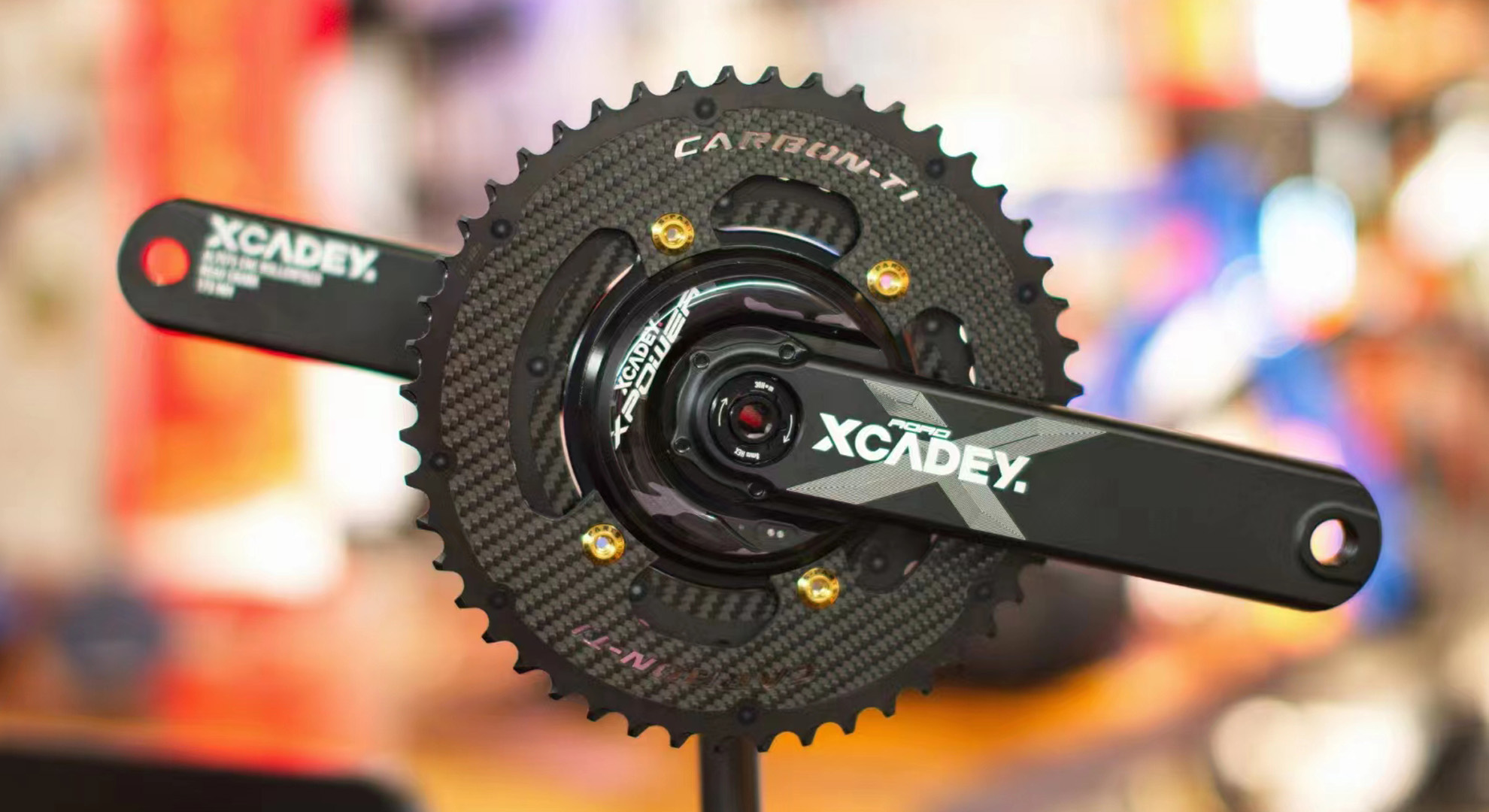
XCadey X-Power S GEN 2: 2022 Spider with 2025-Era Data Issues
Our two-round test of the second-generation XCadey X-Power S GEN 2 spider found it can drift 18W mid-ride, lose sprint peaks to a cadence dropout, and shift zero offset on every gear change — a power meter that passes the spec sheet on paper and fails the data-integrity check in practice.
Verify with JoyAnalyze
Upload your power-meter data to JoyAnalyze and stack Favero Assioma PRO Firmware Update: 60 h → 160 h Battery, No Catch against other meters — DTW-aligned power curves, RMS error, drift, and Bland-Altman stats.
Open multi-file compare in JoyAnalyzeSee how this fits you
The Favero Assioma PRO Firmware Update: 60 h → 160 h Battery, No Catch is one option. Run the JoyFit assessment to see whether it actually matches your body and riding style — or compare it side-by-side with the other Power Metersin our database.
Community
Discuss this review · Pro members can rateComments
(0)Sign in above to leave a comment.
Loading comments…
Pro Ratings
PROLoading…Sign in above to rate this product on the 8-axis $APPEALS framework.