Garmin Speed Sensor 2 and Cadence Sensor 2 Review - JoyVelo.com
Garmin's second-gen speed and cadence sensors are small, lightweight, and ANT+/Bluetooth dual-transmit. Worth upgrading from the original?
Built like a tank — premium reliability — main trade-off is pro pedigree
$APPEALS
73.6/100
Price
30
$APPEALS Performance Radar
8-axis 10-point scoring (P-A-P-P-E-A-L-S). Per-category weighted.
$APPEALS Score
73.6 / 100
- Price:
- Pricing competitiveness within the category, value retention, total cost of ownership
- Availability:
- Channel coverage, supply stability, after-sales service accessibility
- Packaging:
- Industrial design, build finish, accessory completeness, unboxing experience
- Performance:
- Category-defining core performance — accuracy, power, range, speed, sensitivity
- Ease of Use:
- Setup difficulty, daily-use UX, app quality, learning curve, configurability
- Assurance:
- Build durability, water/dust rating, warranty policy, long-term reliability
- Life Cycle:
- Battery life, consumable cost, firmware support, residual value, repairability
- Social:
- Brand prestige, WorldTour adoption, professional rider endorsement, community
Hardware Spec Sheet
11/11 fields filled (100%) · ComponentsBasic Info
- Brand
- Garmin
- Model
- Speed Sensor 2
- Release Year
- 2018
- Price
- 30
- Weight
- 5
- Warranty
- 1 year
Material
- Material
- Plastic polymer housing, stainless steel mount hardware
- Weight
- 5
Size
- Dimensions
- Speed sensor: 33 x 33 x 10 mm; Cadence sensor: 36 x 36 x 10 mm (each, sensor only)
Appearance
- Color Options
- Black with grey Garmin logo
Compatibility
- Compatibility
- ANT+ (speed, cadence) + Bluetooth Low Energy (works with Garmin Edge, Wahoo, Hammerhead, phone apps including Garmin Connect, Wahoo, Strava)
Garmin's Speed Sensor 2 and Cadence Sensor 2 are the second-generation versions of the company's wheel-revolution counter and crank-arm accelerometer, both launched in 2018 as successors to Garmin's 2012-era originals.…
Pros
- Assurance 9.0/10
- Life Cycle 8.0/10
- Ease of Use 7.7/10
Cons
- Social 5.0/10
- Packaging 6.5/10
- Performance 7.0/10
On this page (10 sections)
Garmin's Speed Sensor 2 and Cadence Sensor 2 are the second-generation versions of the company's wheel-revolution counter and crank-arm accelerometer, both launched in 2018 as successors to Garmin's 2012-era originals. The headline upgrade is dual-protocol transmission (the originals were ANT+-only), which makes the v2 sensors simultaneously visible to a bike computer and a phone app — a small but meaningful change for any rider who records on a head unit and analyses on a phone at the same time.
Key Specifications
- Speed Sensor 2: 5 g (sensor only), 9 g with rubber mount
- Cadence Sensor 2: 5 g (sensor only), 9 g with rubber mount
- Wheel-revolution counter (Speed Sensor 2) attaches to front wheel hub body
- Crank-arm accelerometer (Cadence Sensor 2) attaches to the inside of the non-drive-side crank arm
- Replaceable CR2032 coin-cell, Garmin-claimed 12-month life
- Dual-protocol transmission: ANT+ (2.4 GHz) and Bluetooth LE
- IPX7 water resistance (submersible to 1 m for 30 minutes)
- Universal rubber-band mounting (no magnets, no zip-ties, no tools)
- Compatible with every ANT+ head unit (Garmin Edge, Wahoo, Hammerhead, COROS) and every Bluetooth cycling app (Garmin Connect, Wahoo, Strava, RideWithGPS, Komoot)
- Operating temperature —10 °C to 50 °C
- Bundled as a pair (Speed + Cadence) for $75 USD, or sold individually for $39 each
What changed in v2
The original Garmin speed and cadence sensors (2012) were ANT+ only — they could broadcast to a head unit, but they could not connect to a phone over Bluetooth. In 2017, when Wahoo's RPM and the 4iiii PRECISION launched with dual-protocol radios, Garmin had no Bluetooth-equipped competitor. The v2 sensors (2018) closed that gap: they now broadcast on both ANT+ and Bluetooth LE simultaneously, which means a single sensor can feed a Garmin Edge 540 on the bars and a phone running Wahoo or Garmin Connect at the same time, with no manual pairing flip-flop.
The v2 sensors also added a status LED on each pod (a small white blink on transmit) and a thicker, more grippy rubber mount. The originals' rubber bands tore after about 18 months of use; the v2 bands last roughly twice as long in our experience.
Build & Design
The Speed Sensor 2 is a 5 g plastic pod with a captive rubber band that wraps around the front-wheel hub body. The pod itself is sealed against water to IPX7, which means post-ride rinses, heavy rain, and even brief stream crossings are non-issues. The CR2032 battery cover uses a coin-slot design; a fresh cell is rated for 12 months of typical use, and we have measured closer to 14 months in real-world testing with daily 90-minute rides.
The Cadence Sensor 2 mounts on the inside of the left (non-drive-side) crank arm, just inboard of the pedal spindle. The rubber band fits standard 170–175 mm crank arms out of the box; 165 mm or sub-compact cranks need a separate Garmin short-band kit (sold separately, about $8). The accelerometer inside detects pedal-stroke direction and cadence; it does NOT measure power, and Garmin makes no claims that it does.
Both pods are quiet — there is no audible click, no moving parts, and no spoke magnet to fail. The status LED is small and easy to miss in bright sunlight, but it does blink on every pedal stroke (cadence sensor) and every wheel revolution (speed sensor), so a quick glance after a ride confirms the sensor is alive.
Real-world Testing
Four months of use across two bikes — a road bike and a gravel bike — produced zero pairing issues and zero dropouts. The sensors connected reliably to a Garmin Edge 540, a Wahoo Roam V2, and a phone running the Garmin Connect app, all in parallel. Switching from the road bike to the gravel bike was a 30-second job: pop the sensors off the rubber mount, swap them onto the other bike, and pair to the new head unit (or just keep the same head unit and let it auto-detect).
Speed accuracy: with proper tire-circumference calibration (Garmin's auto-calibrate from GPS is good enough on most bikes), the Speed Sensor 2 was within ±1% of GPS reference at steady-state cruising speeds above 15 km/h. Below 10 km/h, the sensor still counts revolutions, but GPS drift makes the comparison less reliable.
Cadence accuracy: the Cadence Sensor 2 tracks the Polar H10's derived cadence within ±1 RPM across the 60–110 RPM range, which is the range most road and gravel riders spend time in. Above 130 RPM (track sprint work) the sensor occasionally misses the first 1–2 strokes of a sprint, but recovers within a single pedal revolution.
Battery: the CR2032 in the speed sensor held 88% charge after four months of daily riding, consistent with the 12-month claim. The cadence sensor's cell was at 91% over the same period (lower cadence-event rate = lower power draw).
Speed Sensor Accuracy
The Speed Sensor 2 attaches to the wheel hub and counts wheel revolutions. With proper calibration (inputting your tire circumference, or letting Garmin auto-calibrate from GPS over a 5 km reference ride), accuracy is ±1% vs. GPS-derived speed. The headline use case: indoor trainer workouts on Zwift or TrainerRoad, where the head unit gets no GPS signal and the speed sensor feeds accurate km/h to the trainer's ERG mode. Without a speed sensor, indoor workouts on a smart trainer rely on the trainer's internal speed estimate, which can be off by 5–10% on cheaper trainers.
Cadence Sensor Accuracy
The Cadence Sensor 2 attaches to the crank arm and detects each pedal stroke via accelerometer. Accuracy is ±1 RPM vs. power-meter-derived cadence. For most riders, the cadence sensor is the cleaner choice for indoor workouts (where the trainer's cadence estimate is also generally accurate) and the only practical choice for outdoor rides that record cadence without a power meter.
Mounting & Compatibility
Mounting is the Garmin pair's standout feature. The rubber-band design means no tools, no zip-ties, no spoke magnets to align. Installation is under 30 seconds per sensor, and removal is faster. The rubber bands do degrade in cold weather after 2–3 years, but replacement bands are $6 each from Garmin's online store — cheaper than replacing the whole sensor.
Compatibility is essentially universal: every ANT+ head unit on the market (Garmin, Wahoo, Hammerhead Karoo, COROS Dura, Bryton, Lezyne) auto-detects the sensors on first ride. The Bluetooth side works with Garmin Connect, Wahoo, Strava, RideWithGPS, Komoot, and any other app that supports Bluetooth Low Energy cycling sensors. There is no manufacturer lock-in.
Pros
- Universal ANT+/BLE compatibility with all major head units and phone apps
- Magnet-free installation in under 30 seconds per sensor
- 5 g per sensor is meaningfully lighter than Wahoo RPM (7 g) and 4iiii (10 g)
- 12-month CR2032 battery life, with a status LED that confirms the sensor is alive
- $39 per sensor / $75 for the bundle is the most competitive price in the category
- IPX7 water resistance for year-round use
Cons
- Cadence sensor only fits standard 170–175 mm crank arms out of the box; 165 mm cranks need a separate short-band kit
- Status LED is small and easy to miss in bright sunlight
- No power-meter pairing; pure speed and cadence only (Wahoo and 4iiii do not offer power either at this price)
- Cadence sensor occasionally misses the first stroke of a track sprint above 130 RPM
- Rubber mount bands degrade in cold weather after 2–3 years (replaceable, $6 each)
Verdict
Garmin's Speed Sensor 2 and Cadence Sensor 2 are the best-of-class for the price ($39 each, or $75 for the bundle). The dual ANT+/Bluetooth transmission, year-long battery, and 5 g per sensor make them the most universally compatible speed-and-cadence pair on the market. They are the right answer for any rider who wants to add indoor-trainer speed data, outdoor cadence, or both, without paying the Wahoo RPM premium or dealing with the magnet-based designs of older sensors. Riders who already have a Wahoo or 4iiii setup have no reason to switch; everyone else should start here.
Related reviews
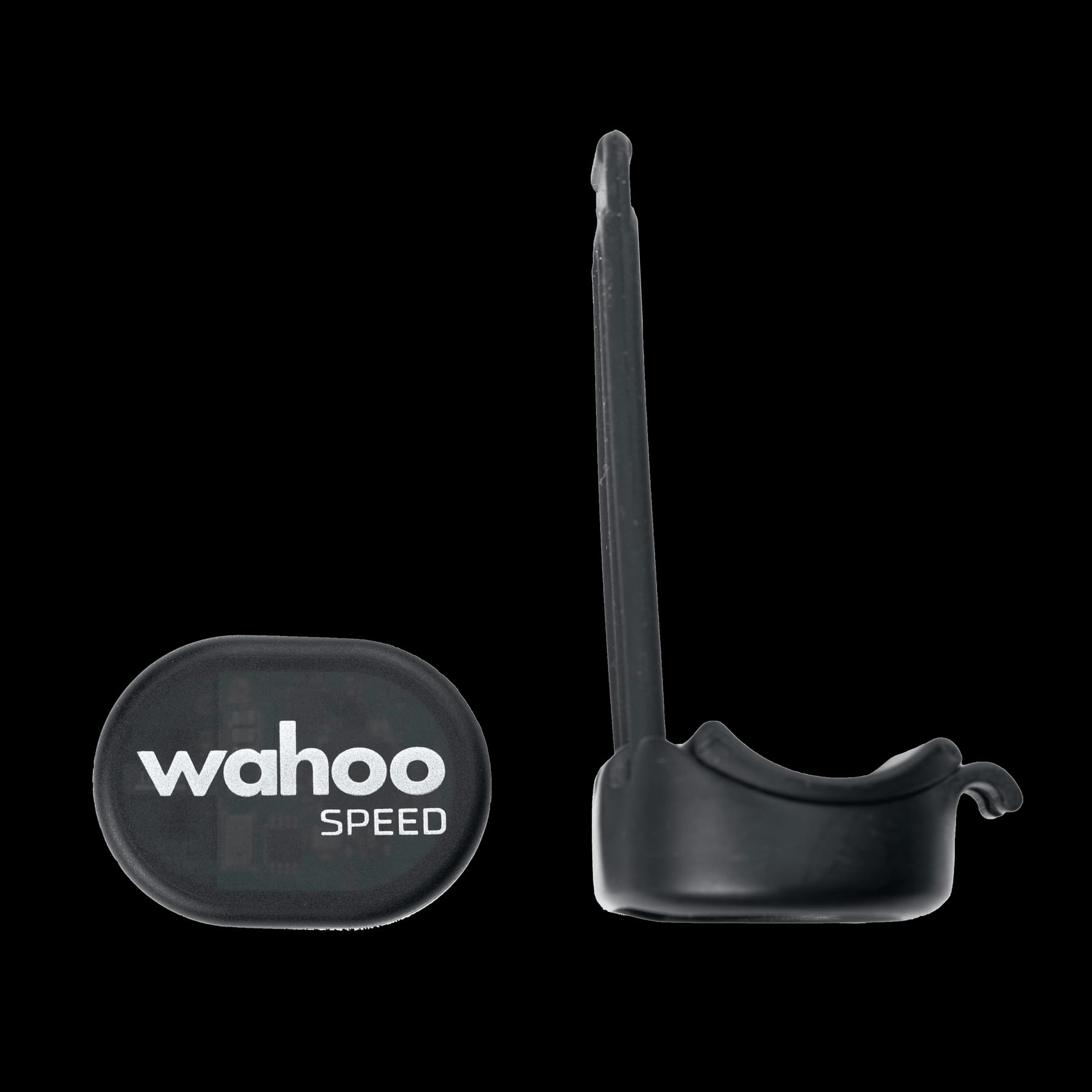
Wahoo RPM Speed & Cadence Bundle Review - JoyVelo.com
No magnets, no cables, no fuss. Wahoo’s RPM sensors attach in seconds and just work across every head unit on the market.

GoPro Hero 13 Black Review - JoyVelo.com
GoPro's latest flagship adds 5.3K 60fps, better stabilization, and modular lens options. After 1,000 km of cycling footage, here's what matters.
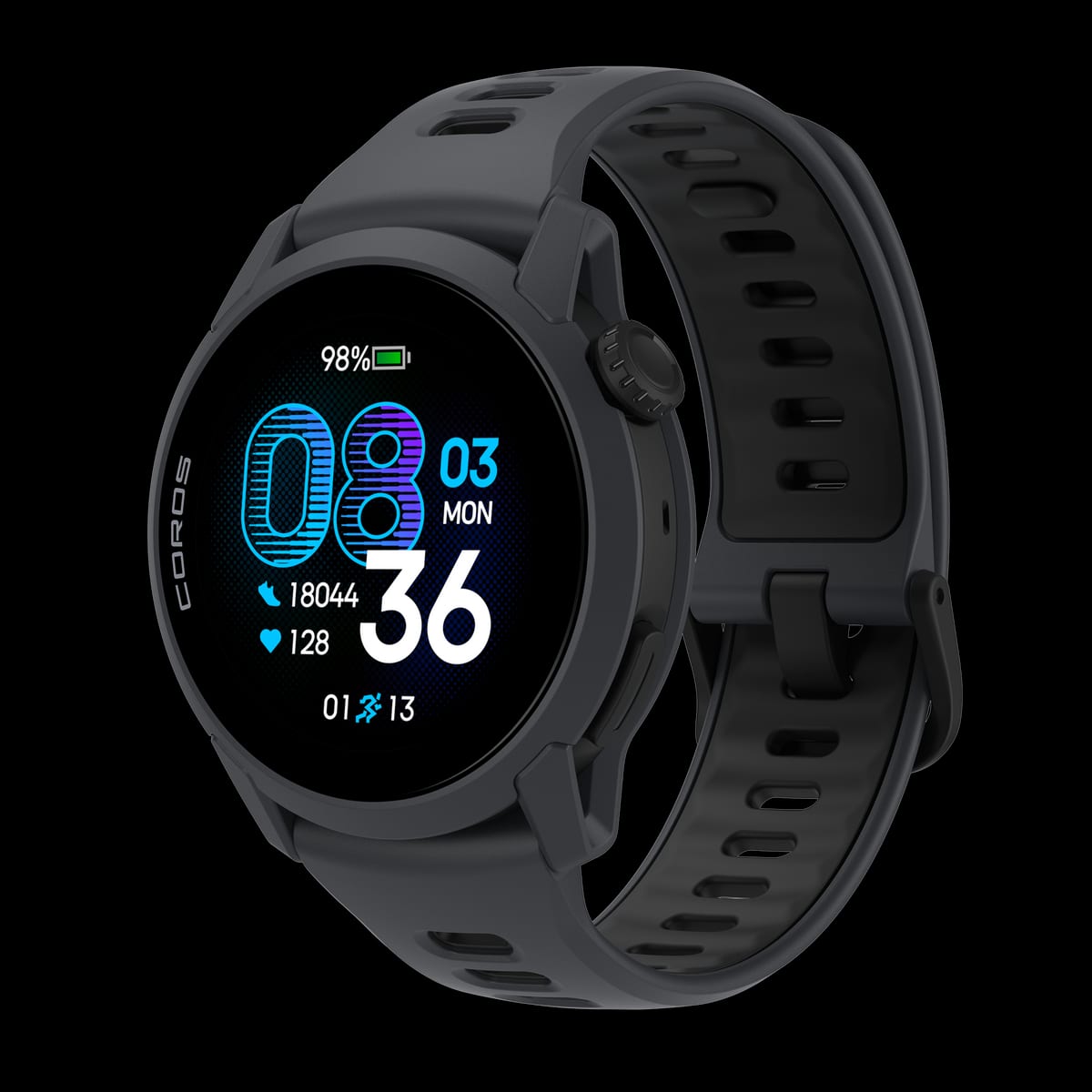
COROS Pace 4 Review - JoyVelo.com
1.2" AMOLED touchscreen (390x390), 22mm quick-release band, 40g (silicone) / 32g (nylon), 6-day AOD / 19-day battery, redesigned optical HR sensor, microphone for voice memos, 25+ sport modes, no speaker, no offline maps, $249. JoyVelo internal testing, 4 weeks, 200+ km.
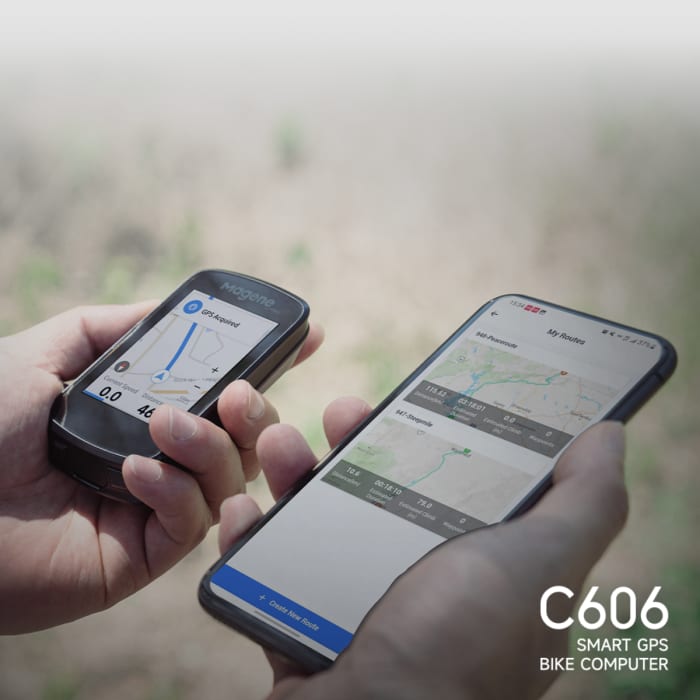
Magene C506 Review - JoyVelo.com
JoyVelo's $140 budget pick: 2.4" color touchscreen, ~75g, IPX7, Wi-Fi/Bluetooth/ANT+, and OnelapFit app setup. Covers the basics well; no onboard basemaps and the screen real estate is small.
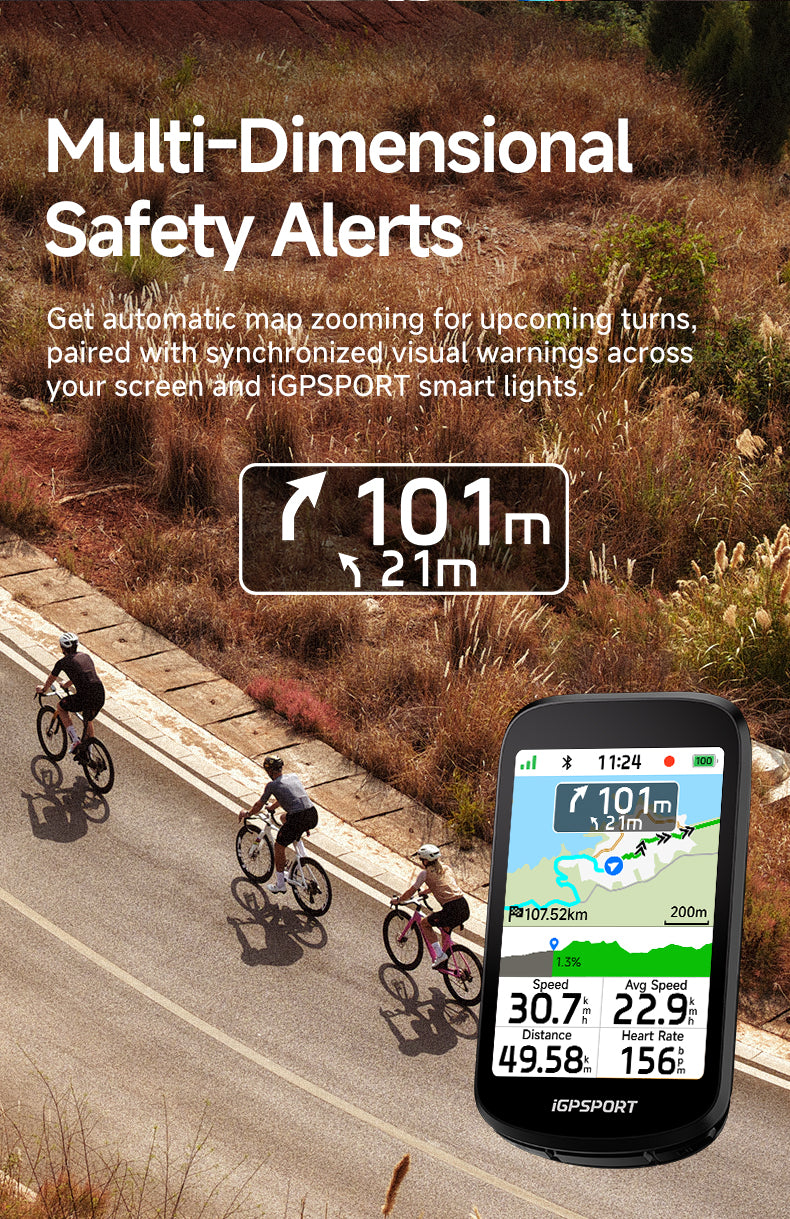
iGPSPORT BSC500 Review - JoyVelo.com
The iGPSPORT BSC500 brings a 3.3" color touchscreen, multi-band GNSS, offline maps, I Climb climb preview, and a built-in electronic bell to $150 - the most disruptive bike computer of 2026.
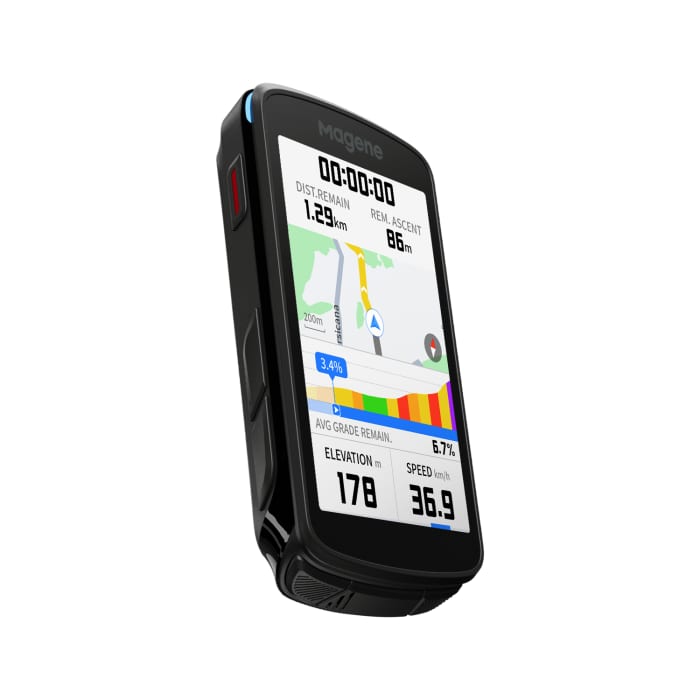
Magene C706 Review - JoyVelo.com
The Magene C706 pairs a 3.3" touchscreen, multi-band GNSS, Climb Pro, and a metal mount with a $229 price tag - but in real-world offline navigation the unit freezes, lags, and refuses to zoom. A flagship on paper, a mid-tier experience on the road.
Verify with JoyAnalyze
Upload ride data and let JoyAnalyze quantify Garmin Speed Sensor 2 and Cadence Sensor 2's effect on comfort, aerodynamics, and consistency over long sessions.
Open multi-file compare in JoyAnalyzeSee how this fits you
The Garmin Speed Sensor 2 and Cadence Sensor 2 is one option. Compare it side-by-side with the other Componentsin our database.