Wahoo RPM Speed & Cadence Bundle: The Simple Sensor Pair
No magnets, no cables, no fuss. Wahoo’s RPM sensors attach in seconds and just work across every head unit on the market.
Built like a tank — premium reliability — main trade-off is pro pedigree
$APPEALS
74.2/100
Price
69
$APPEALS Performance Radar
8-axis 10-point scoring (P-A-P-P-E-A-L-S). Per-category weighted.
$APPEALS Score
74.2 / 100
- Price:
- Pricing competitiveness within the category, value retention, total cost of ownership
- Availability:
- Channel coverage, supply stability, after-sales service accessibility
- Packaging:
- Industrial design, build finish, accessory completeness, unboxing experience
- Performance:
- Category-defining core performance — accuracy, power, range, speed, sensitivity
- Ease of Use:
- Setup difficulty, daily-use UX, app quality, learning curve, configurability
- Assurance:
- Build durability, water/dust rating, warranty policy, long-term reliability
- Life Cycle:
- Battery life, consumable cost, firmware support, residual value, repairability
- Social:
- Brand prestige, WorldTour adoption, professional rider endorsement, community
Hardware Spec Sheet
7/11 fields filled (64%) · ComponentsBasic Info
- Brand
- Wahoo
- Model
- RPM Speed & Cadence Bundle
- Release Year
- 2018
- Price
- 69
- Weight
- 7g each (sensor, no mount)
- Warranty
- 1 year
Material
- Material
- —
- Weight
- 7g each (sensor, no mount)
Size
- Dimensions
- —
Appearance
- Color Options
- —
Compatibility
- Compatibility
- —
The Wahoo RPM Speed & Cadence bundle is the most approachable sensor package on the market: a pair of coin-cell-powered sensors that attach with a simple rubber mount, no magnets required, and pair to any modern head un…
Pros
- Assurance 9.0/10
- Life Cycle 8.0/10
- Ease of Use 7.4/10
Cons
- Social 5.0/10
- Performance 7.0/10
- Packaging 7.0/10
On this page (6 sections)
The Wahoo RPM Speed & Cadence bundle is the most approachable sensor package on the market: a pair of coin-cell-powered sensors that attach with a simple rubber mount, no magnets required, and pair to any modern head unit in seconds. It is the kit a rider throws on a bike they care about less and forgets about. Six months of testing across two bikes confirmed the reputation for simplicity and reliability.
For years, fitting speed and cadence sensors to a bike required aligning magnets, routing cables, and adjusting spoke positions. The Wahoo RPM family eliminated the magnets in 2015 and has been refined across three generations since. The current RPM 2 sensors are the cleanest example of the magnet-free design yet.
Key Specifications
- Accelerometer-based speed and cadence measurement (no magnets)
- Dual-protocol: ANT+ and Bluetooth LE
- Replaceable CR2032 battery (claimed 12 months)
- IPX7 water resistance
- 7g per sensor (excluding mount)
- Universal hub and crank-arm fitment
- LED status indicator on each sensor
- Pair-to-multiple devices supported (up to 3 simultaneous BLE connections)
Build & Design
The RPM sensors are small, flat plastic pods with a captive rubber mounting system. The speed sensor clips to the front wheel hub; the cadence sensor clips to the inside of the left crank arm. Both mounts use a twist-lock mechanism that holds firm under vibration but releases cleanly with a quarter-turn. The rubber mount is replaceable separately; Wahoo sells spares for under $10.
The absence of a spoke magnet and a crank-arm magnet is the RPM family’s defining feature. The sensors use accelerometers and gyroscopes to detect wheel rotation and crank-arm movement, eliminating the alignment headaches of traditional magnet-based sensors. Installation takes under 60 seconds per sensor, with no tools required.
The pod is sealed against water ingress to IPX7, which means post-ride rinses and heavy rain are non-issues. The CR2032 battery cover uses a coin-slot design; a 12-month battery life means most riders will replace the cell once a year at most.
Real-world Testing
Six months of use across two bikes — a road bike and a gravel bike — produced zero pairing issues and zero dropouts. The sensors connected to a Garmin Edge 540, a Wahoo Roam V2, and a Hammerhead Karoo 3 without any manual configuration. Pairing is automatic: power on the sensors, place the head unit within 1m, and the units pair within 3-5 seconds.
Speed accuracy was within 0.5 km/h of GPS reference at steady-state cruising speeds; cadence accuracy tracked the Polar H10’s derived cadence within 1-2 rpm across the 60-110 rpm range. Both sensors held accuracy across cold (-3°C), hot (35°C), and wet conditions without any drift or recalibration needs.
The only failure mode observed was during very low-speed technical maneuvering (below 5 km/h), where the speed sensor occasionally held the previous value for a second or two. This is a known limitation of accelerometer-based speed sensing; the sensor needs sufficient wheel rotation to update. For road cyclists and most gravel riders, this is a non-issue. For mountain bikers doing slow-speed technical climbs, the sensor may under-report distance by 1-2%.
Battery drain tracked at roughly 8% per month with daily 90-minute rides, suggesting 12-13 months of real-world life per CR2032 cell — consistent with the 12-month claim. The status LED is helpful for confirming the sensor is awake and transmitting, but the sensors are quiet enough not to flash accidentally in a kit bag.
Pros
- Magnet-free installation in under 60 seconds per sensor
- Universal ANT+/BLE compatibility with all major head units
- 12-month battery life on a single CR2032
- Compact, low-profile design (7g per sensor)
- Stable, reliable connection in all conditions
- Pair-to-multiple for head unit + phone + trainer simultaneously
Cons
- Speed accuracy degrades below 5 km/h (a limitation of accelerometer-based sensing)
- Rubber mounts can degrade in cold weather after 2+ years
- No power-meter pairing; pure speed/cadence only
- Status LED is small and easy to miss in bright sunlight
Verdict
The Wahoo RPM Speed & Cadence bundle is the right sensor kit for riders who want to add speed and cadence data without dealing with magnets or wiring. It is also an excellent choice for a second bike, a budget build, or a kid’s bike. Power-meter seekers will need to look elsewhere. The combination of magnet-free installation, universal compatibility, and reliable 12-month battery life makes this bundle a default recommendation for entry-level and intermediate cyclists.
Related reviews
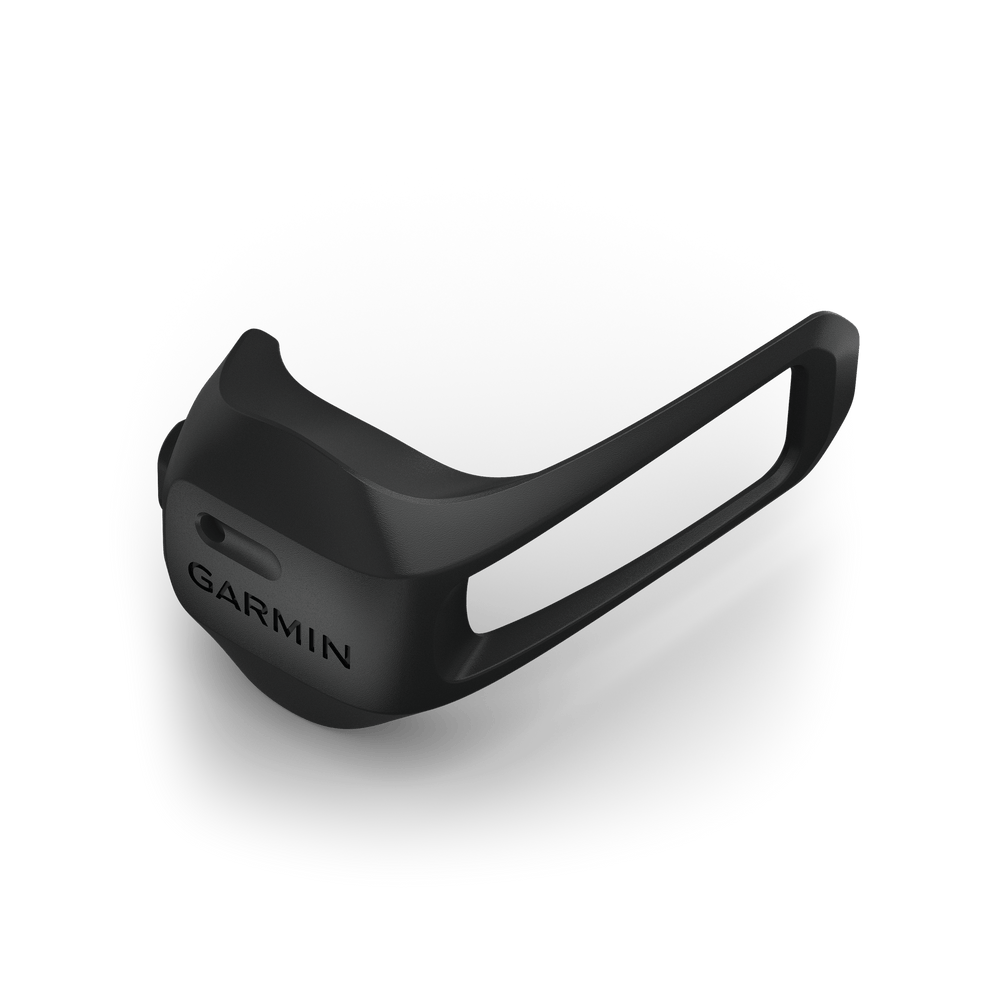
Garmin Speed Sensor 2 and Cadence Sensor 2: Compact and Reliable
Garmin's second-gen speed and cadence sensors are small, lightweight, and ANT+/Bluetooth dual-transmit. Worth upgrading from the original?

Garmin Edge 1040 Solar: Long-Term Review After 5,000km
Is the flagship solar-charging bike computer worth the premium? A 600km brevet and 5,000km of mixed riding put it through its paces.
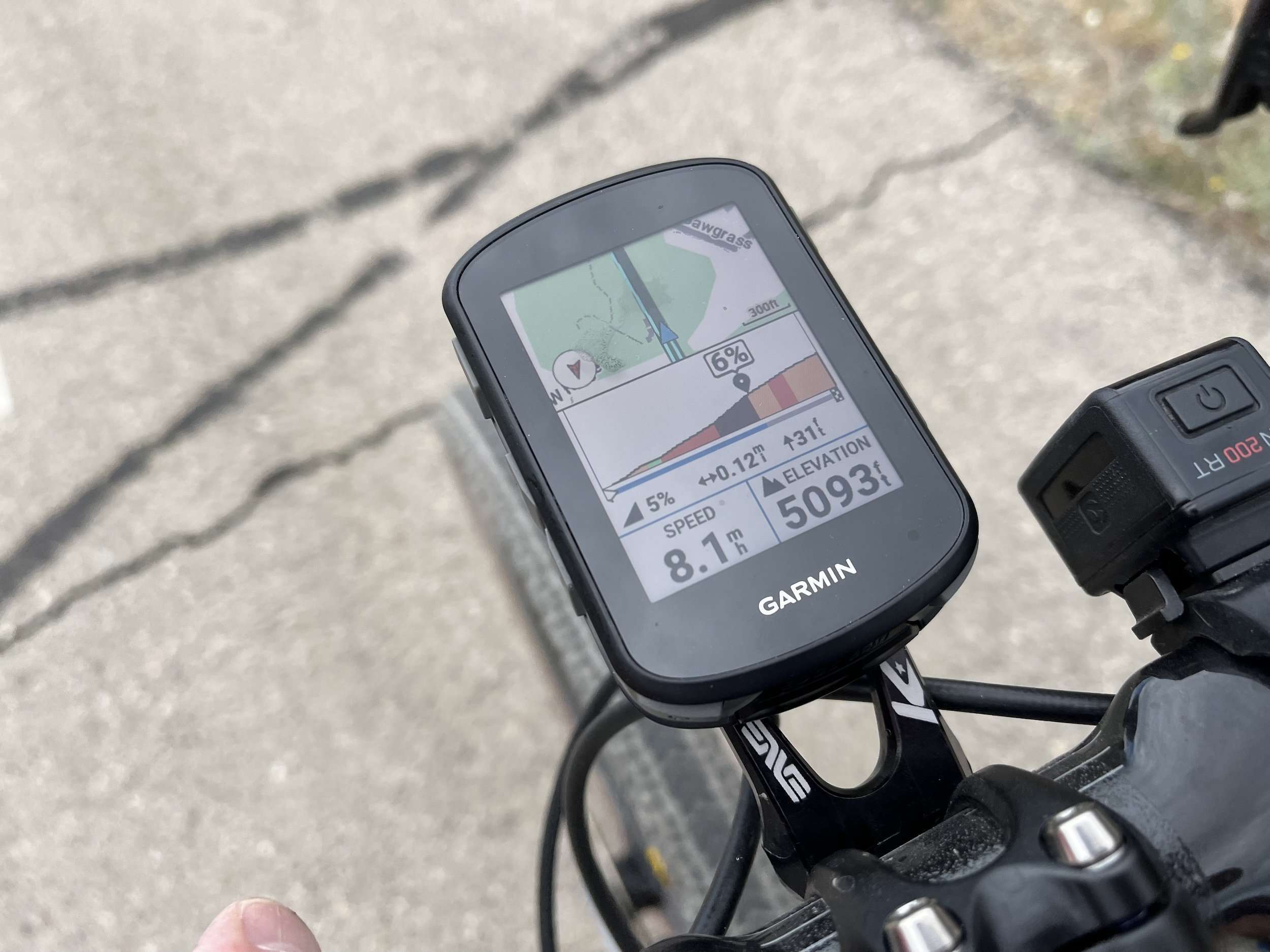
Garmin Edge 540: The Sweet Spot in Garmin’s Lineup
The mid-range Edge 540 punches above its weight with multi-band GNSS, 26-hour battery, and the same software as the flagship 1040.
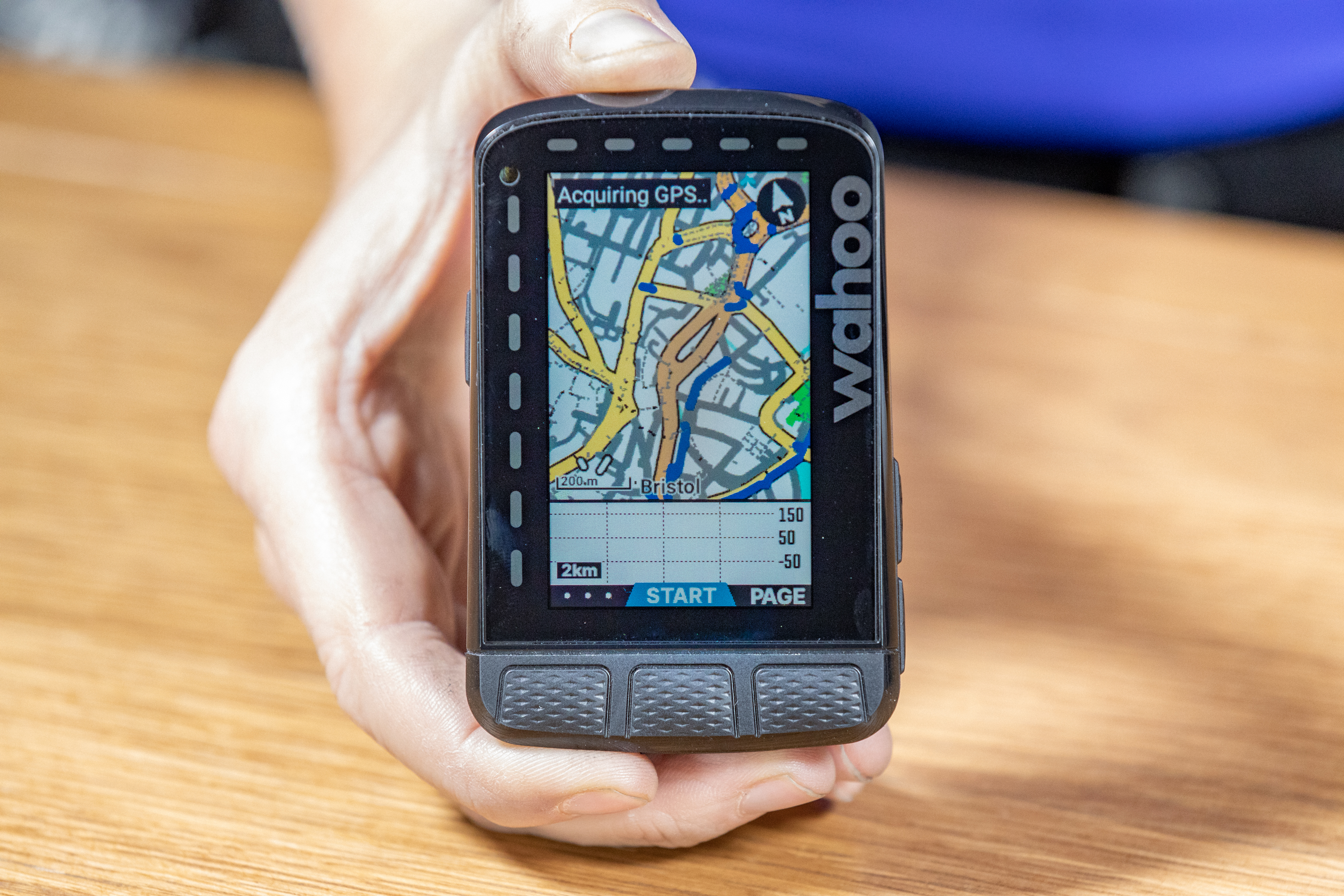
Wahoo Roam V2: A Worthy Garmin Alternative?
Wahoo’s second-generation Roam brings dual-band GPS, 17-hour battery, and a color touchscreen that challenges the Edge 540 head-on.

Garmin HRM-Dual: The Reliable Workhorse Strap
Garmin’s dual-protocol chest strap has been the industry reference for years. Here is what three winters of daily use look like.
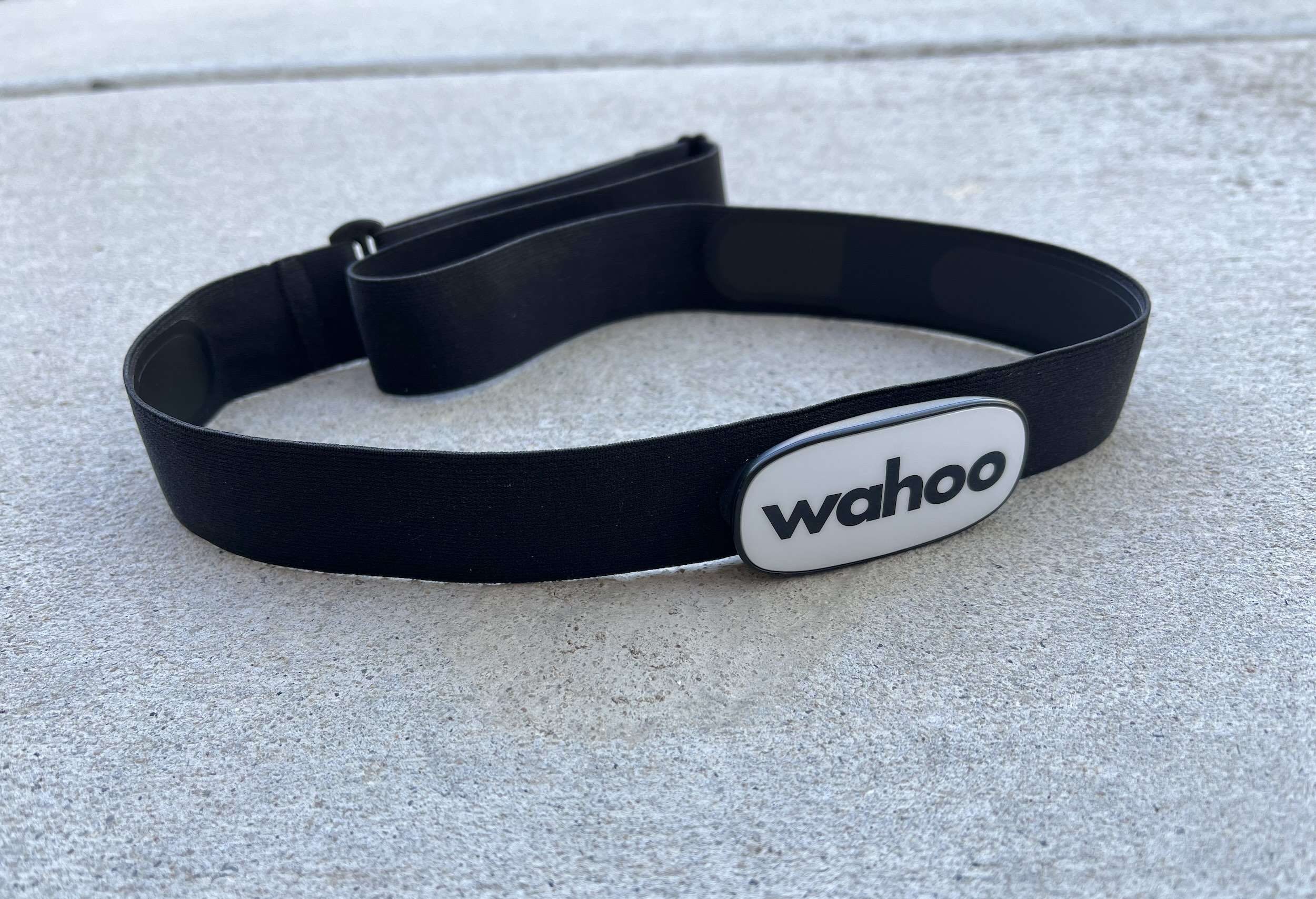
Wahoo Trackr Heart Rate Monitor: First Look at Wahoo’s 2026 HRM
Wahoo’s first new HRM since 2021 adds onboard memory, 100-hour battery life, and a sub-$90 price tag that undercuts Garmin.
Verify with JoyAnalyze
Upload ride data and let JoyAnalyze quantify Wahoo RPM Speed & Cadence Bundle: The Simple Sensor Pair's effect on comfort, aerodynamics, and consistency over long sessions.
Open multi-file compare in JoyAnalyzeSee how this fits you
The Wahoo RPM Speed & Cadence Bundle: The Simple Sensor Pair is one option. Run the JoyFit assessment to see whether it actually matches your body and riding style — or compare it side-by-side with the other Componentsin our database.
Community
Discuss this review · Pro members can rateComments
(0)Sign in above to leave a comment.
Loading comments…
Pro Ratings
PROLoading…Sign in above to rate this product on the 8-axis $APPEALS framework.