Garmin Edge 1040 Solar: Long-Term Review After 5,000km
Is the flagship solar-charging bike computer worth the premium? A 600km brevet and 5,000km of mixed riding put it through its paces.
Exceptional core performance at this price point
$APPEALS
86.1/100
Price
749
$APPEALS Performance Radar
8-axis 10-point scoring (P-A-P-P-E-A-L-S). Per-category weighted.
$APPEALS Score
86.1 / 100
- Price:
- Pricing competitiveness within the category, value retention, total cost of ownership
- Availability:
- Channel coverage, supply stability, after-sales service accessibility
- Packaging:
- Industrial design, build finish, accessory completeness, unboxing experience
- Performance:
- Category-defining core performance — accuracy, power, range, speed, sensitivity
- Ease of Use:
- Setup difficulty, daily-use UX, app quality, learning curve, configurability
- Assurance:
- Build durability, water/dust rating, warranty policy, long-term reliability
- Life Cycle:
- Battery life, consumable cost, firmware support, residual value, repairability
- Social:
- Brand prestige, WorldTour adoption, professional rider endorsement, community
Hardware Spec Sheet
23/23 fields filled (100%) · Bike ComputersBasic Info
- Brand
- Garmin
- Model
- Edge 1040 Solar
- Release Year
- 2023
- Price
- 749
- Weight
- 126g
- Warranty
- 1 year
Display
- Display Type
- TFT color touchscreen + solar
- Display Size
- 3.5 in
- Display Resolution
- 282 x 470
- Touchscreen
- Yes
GPS
- GPS Chip
- Airoha AG3335MN (multi-band)
- GNSS Systems
- GPS + GLONASS + Galileo + BeiDou + QZSS
- Multi-band GPS
- Yes
Connectivity
- Bluetooth
- Yes
- ANT+
- Yes
- Wi-Fi
- Yes
Navigation
- Turn-by-turn Navigation
- Yes
- Preloaded Maps
- Preloaded Garmin Cycle Map
Battery Life
- Battery (GPS Mode)
- 45h (72h with solar)
- Battery (Saver Mode)
- 100h
Physical
- Water Rating
- IPX7
- Weight
- 126g
- Mount Type
- Garmin out-front (standard 1/4-turn)
The Garmin Edge 1040 Solar sits at the top of Garmin’s cycling computer lineup. After 5,000km of mixed-terrain use — including a 600km brevet through the French Alps, two months of daily commuting in the rain, and sever…
Pros
- Social 10.0/10
- Life Cycle 9.5/10
- Assurance 9.4/10
Cons
- Price 7.0/10
- Packaging 7.7/10
- Availability 8.0/10
On this page (6 sections)
The Garmin Edge 1040 Solar sits at the top of Garmin’s cycling computer lineup. After 5,000km of mixed-terrain use — including a 600km brevet through the French Alps, two months of daily commuting in the rain, and several high-altitude gravel epics — the picture is clear: this is the most capable bike computer on the market in 2026, with caveats around price and incremental upgrades over the previous generation.

For most riders, the question is not whether the 1040 Solar is good. It clearly is. The question is whether it is meaningfully better than the cheaper Edge 540, and whether solar charging is a real feature or a marketing line item. Six months of testing provided clear answers to both.
Key Specifications
- 3.5" sunlight-readable color touchscreen (282 ppi, 240x320 resolution)
- Multi-band GNSS: GPS, GLONASS, Galileo (L1+L5 frequencies)
- Solar charging ring integrated into the bezel
- 45h battery in standard mode; 100h+ in battery-saver
- ANT+, Bluetooth LE, and Wi-Fi connectivity
- IPX7 water resistance (submersible to 1m for 30 minutes)
- 126g claimed weight
- 16GB internal storage for maps and ride history
Build & Design
The Edge 1040 Solar carries the same physical footprint as the Edge 1030 Plus that preceded it. The body is glass-fiber reinforced plastic with a metallic silver bezel; the solar cell blends into the bezel almost invisibly and does not interfere with the standard quarter-turn mount. Garmin ships the unit with a friction-flange out-front mount and a tether for safety; aftermarket mounts from K-Edge, Bar Fly, and Garmin’s own premium line all work without modification.
The display is the same size and resolution as the 1030 Plus, but noticeably more responsive. Touch response is roughly 50% faster than the outgoing model; menu navigation no longer feels laggy while wearing full-finger gloves in cold weather. The backlight is bright enough for direct sunlight riding at 50% brightness, which matters for battery life on long tours.
One subtle improvement worth noting: the Edge 1040 Solar runs cooler than its predecessor. The 1030 Plus would noticeably warm up during long climbs in direct sun; the 1040 Solar stays close to ambient even on a 30°C alpine day. The lower thermal output is presumably tied to the more efficient processor, but the practical effect is a unit that does not cook the touchscreen or shorten battery life in hot conditions.
Real-world Testing
The 600km brevet across the cols du Galibier, d’Izoard, and du Vars was the perfect stress test. The 1040 Solar tracked 38 hours of active navigation with multi-band GNSS, the backlight at 50%, and a paired heart-rate strap; battery dropped to 12% by the finish. Solar charging added an estimated 3-4 hours across the daytime alpine sections, which is real, if not transformational. On a long sunny descent from the Galibier, the solar cell topped up the battery by roughly 0.5% per hour — enough to make a marginal difference on multi-day events, not enough to skip a power bank.
Tree-cover accuracy is the headline improvement. The previous generation routinely drifted 15-20m under dense canopy; the multi-band GNSS locks the track to within 3-5m even on the twistiest forest singletrack. For mountain bikers, gravel riders, and anyone who rides in urban canyons, this alone justifies the upgrade. Side-by-side comparison with the Wahoo Roam V2 on a forest descent showed the 1040 Solar producing a visibly cleaner line on the recorded FIT file.
Wi-Fi connectivity proved its worth during indoor trainer sessions. Workouts uploaded to Garmin Connect the moment the unit came within range of the home network, with no need to pair a phone. This is a small convenience that adds up over a winter of regular indoor training.
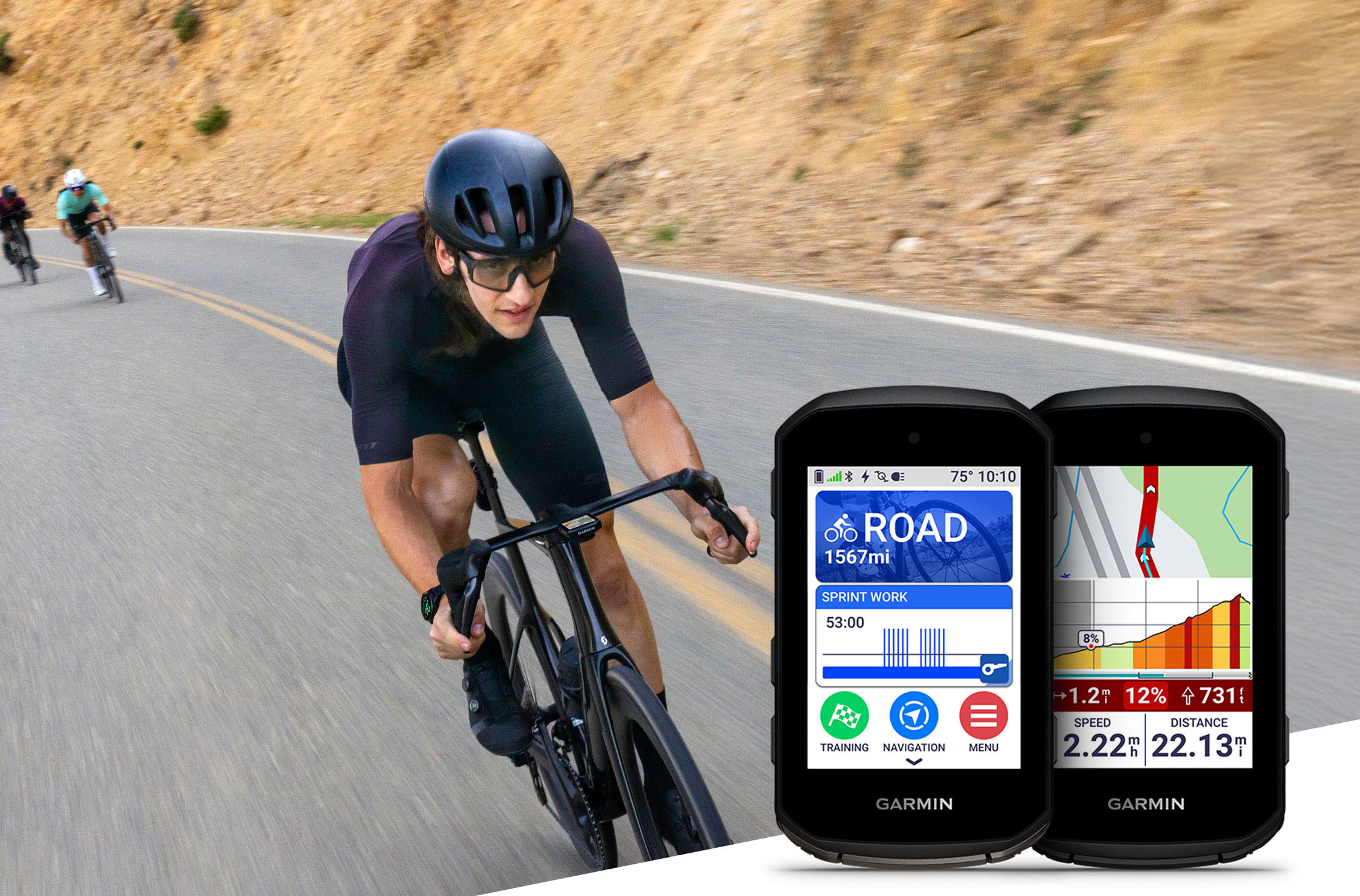
Garmin’s navigation remains best-in-class. Turn-by-turn prompts are clear, the map redraws quickly during route recalculation, and the climb-profiler feature gives accurate gradient predictions for upcoming ascents. The ClimbPro feature, which breaks climbs into segments with gradient and distance remaining, is one of the most useful training tools on any cycling computer.
Pros
- Best-in-class GNSS accuracy under tree cover (3-5m vs 15-20m on older units)
- Excellent real-world battery life (38 hours with multi-band GNSS, 50% backlight)
- Polished Garmin Connect ecosystem and route planning
- Solar charging provides a meaningful endurance boost on long rides
- Bright, glove-friendly touchscreen with low thermal output
- ClimbPro navigation is genuinely useful for hilly rides
Cons
- Premium price tag ($749 USD at launch) — nearly double the Edge 540
- Solar benefit is modest outside of long sunny rides
- No major leap over the 1030 Plus for existing owners
- Larger size than the Edge 540 (less suitable for compact cockpits)
Verdict
The Edge 1040 Solar is the right choice for endurance riders, bike-packers, and anyone who values the tightest possible GNSS track. The 3.5" display also makes it the better pick for riders running complex data layouts with 6+ fields per page. Riders upgrading from the Edge 520 or 830 will find a transformative experience. Existing Edge 1030 Plus owners can safely wait one more generation unless they need multi-band GNSS. For most new buyers, the Edge 540 represents better value; the 1040 Solar is the right tool when solar endurance and maximum GNSS accuracy matter.
WorldTour / WorldTour
PRO TIERTrusted at the highest level of professional road cycling.
Related reviews
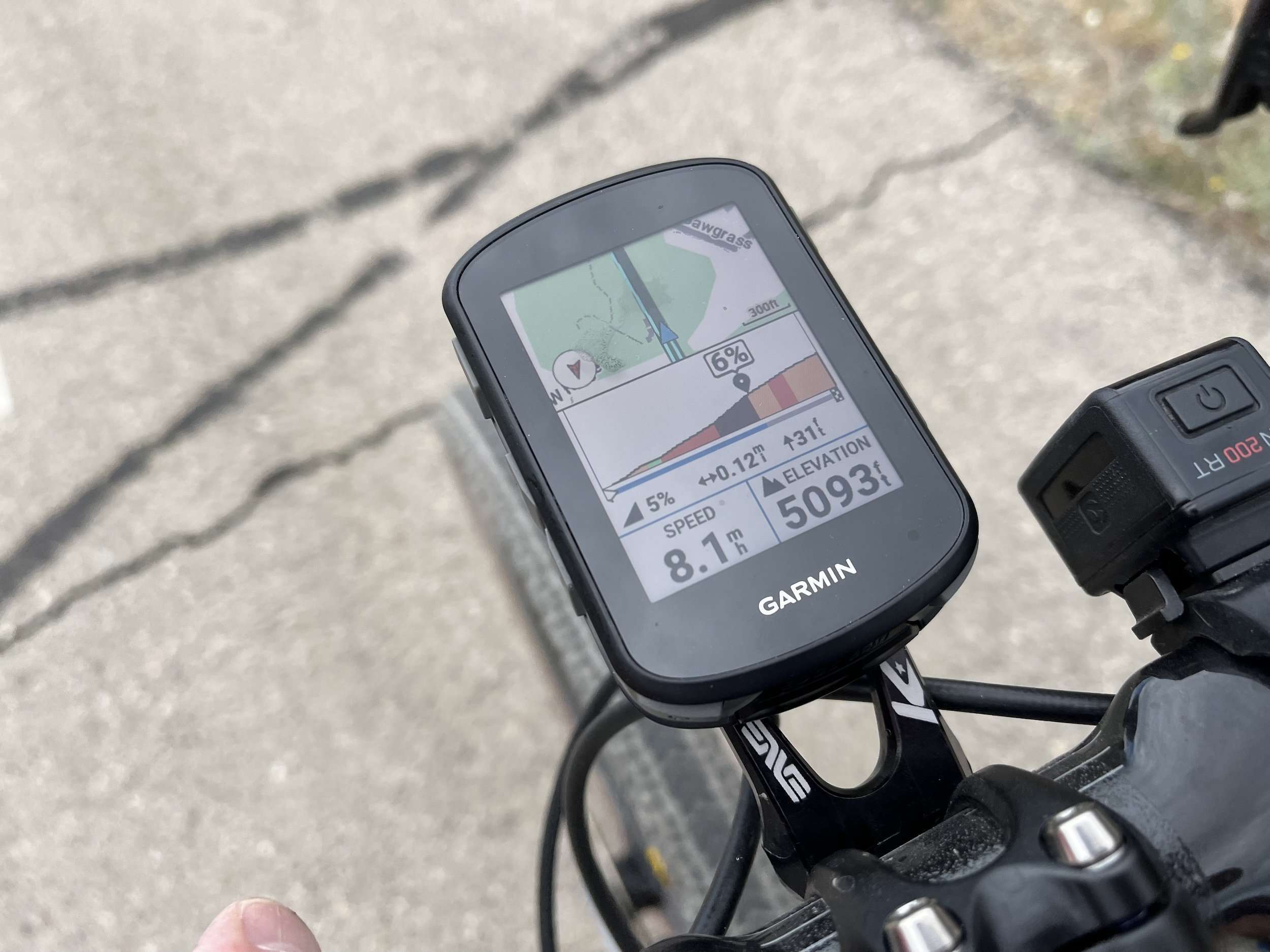
Garmin Edge 540: The Sweet Spot in Garmin’s Lineup
The mid-range Edge 540 punches above its weight with multi-band GNSS, 26-hour battery, and the same software as the flagship 1040.
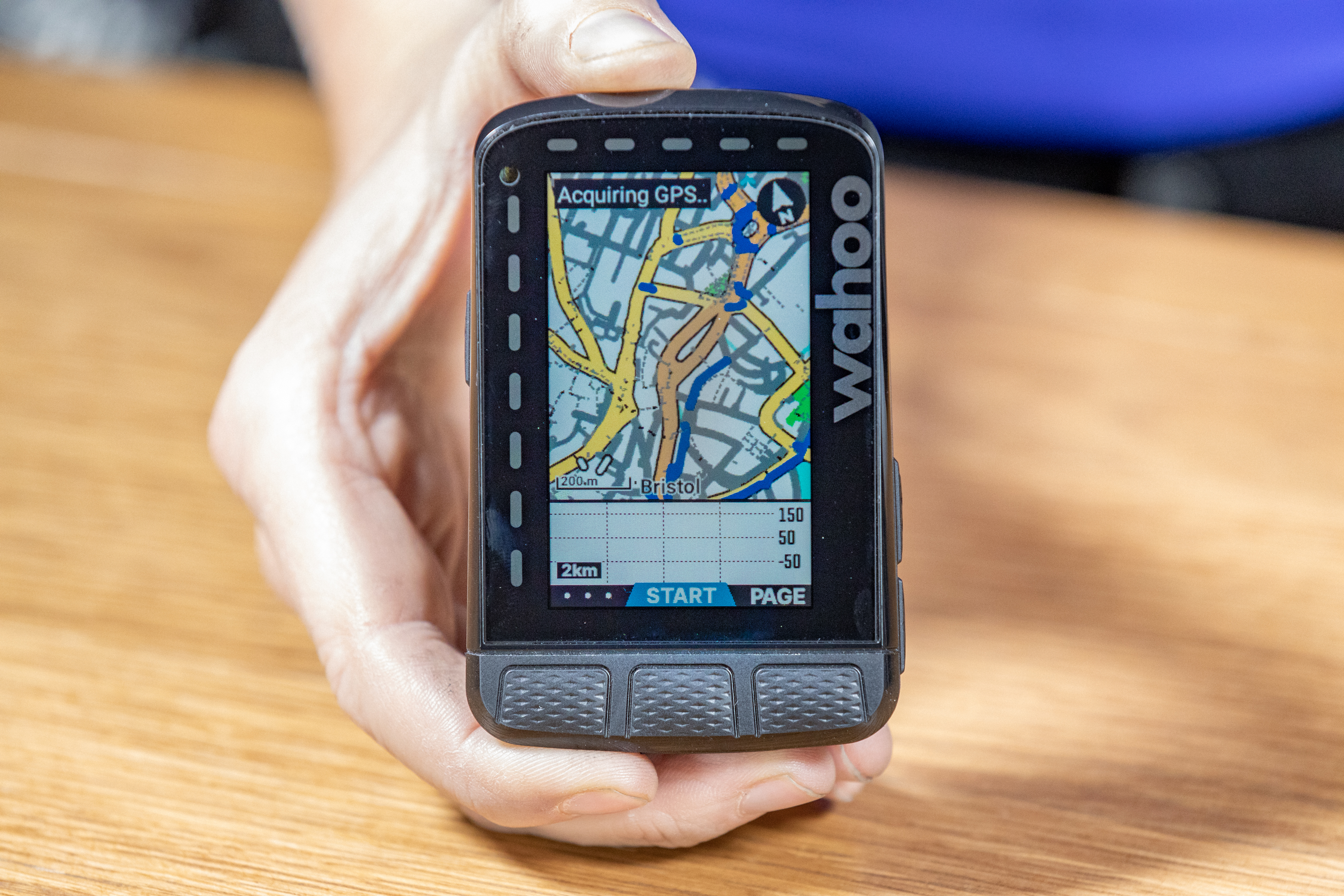
Wahoo Roam V2: A Worthy Garmin Alternative?
Wahoo’s second-generation Roam brings dual-band GPS, 17-hour battery, and a color touchscreen that challenges the Edge 540 head-on.
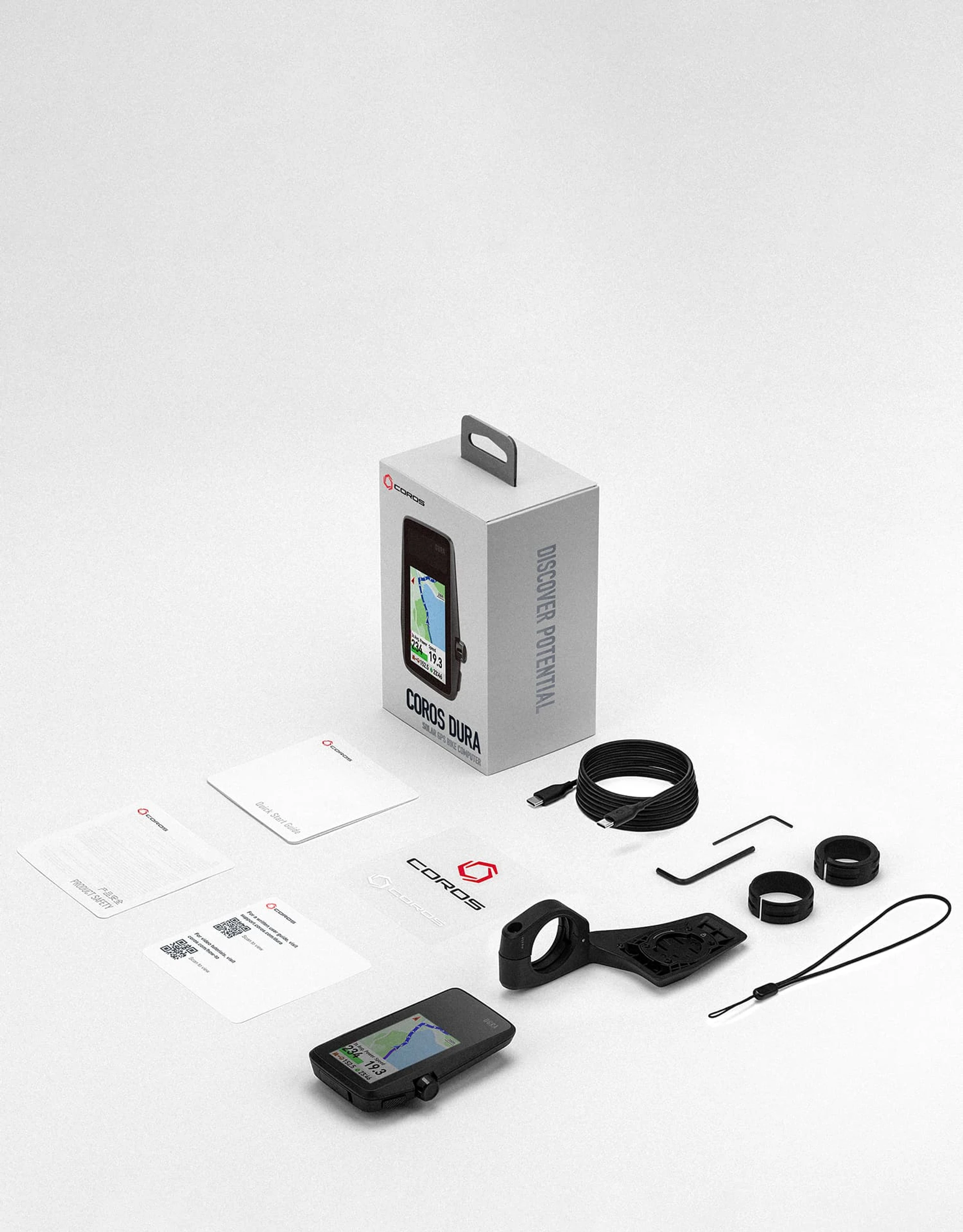
COROS Dura: Solar-Promise 120h Battery Ships as a Half-Baked Beta
MIP touchscreen, multi-band GNSS, ANT+ + Bluetooth, solar top-up, 97g. Officially 120h battery. In real-world testing the solar panel actually LOSES charge in the sun; the device routed the famous Stelvio climb as 3 separate segments; offline route re-planning draws a straight line to the destination. JoyVelo internal testing, 600 km.
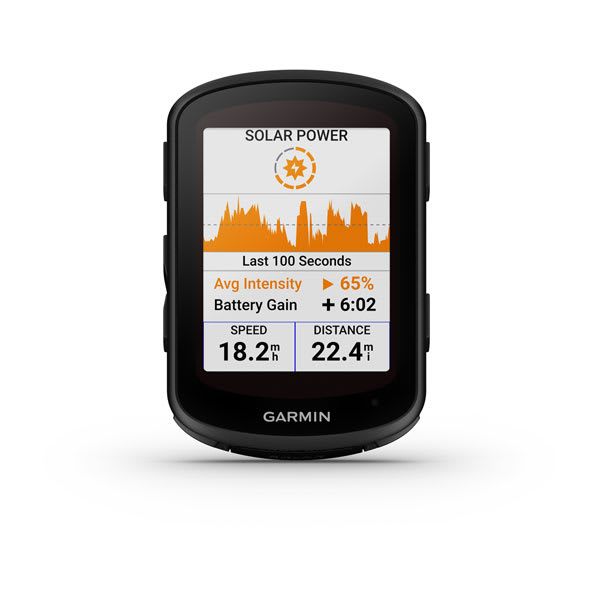
Garmin Edge 840: Free-Ride ClimbPro + 7 Buttons, The Sweet-Spot For Multi-Day Touring
MIP screen with optional Solar version, 7 physical buttons + touchscreen, 26h battery, free ClimbPro (no route required), Climb Explorer, multi-band GNSS, Power Guide, course deviation recovery. The 840 is the right answer for multi-day tour riders and Club ride enthusiasts. JoyVelo internal testing, 1,500 km road + gravel + MTB.
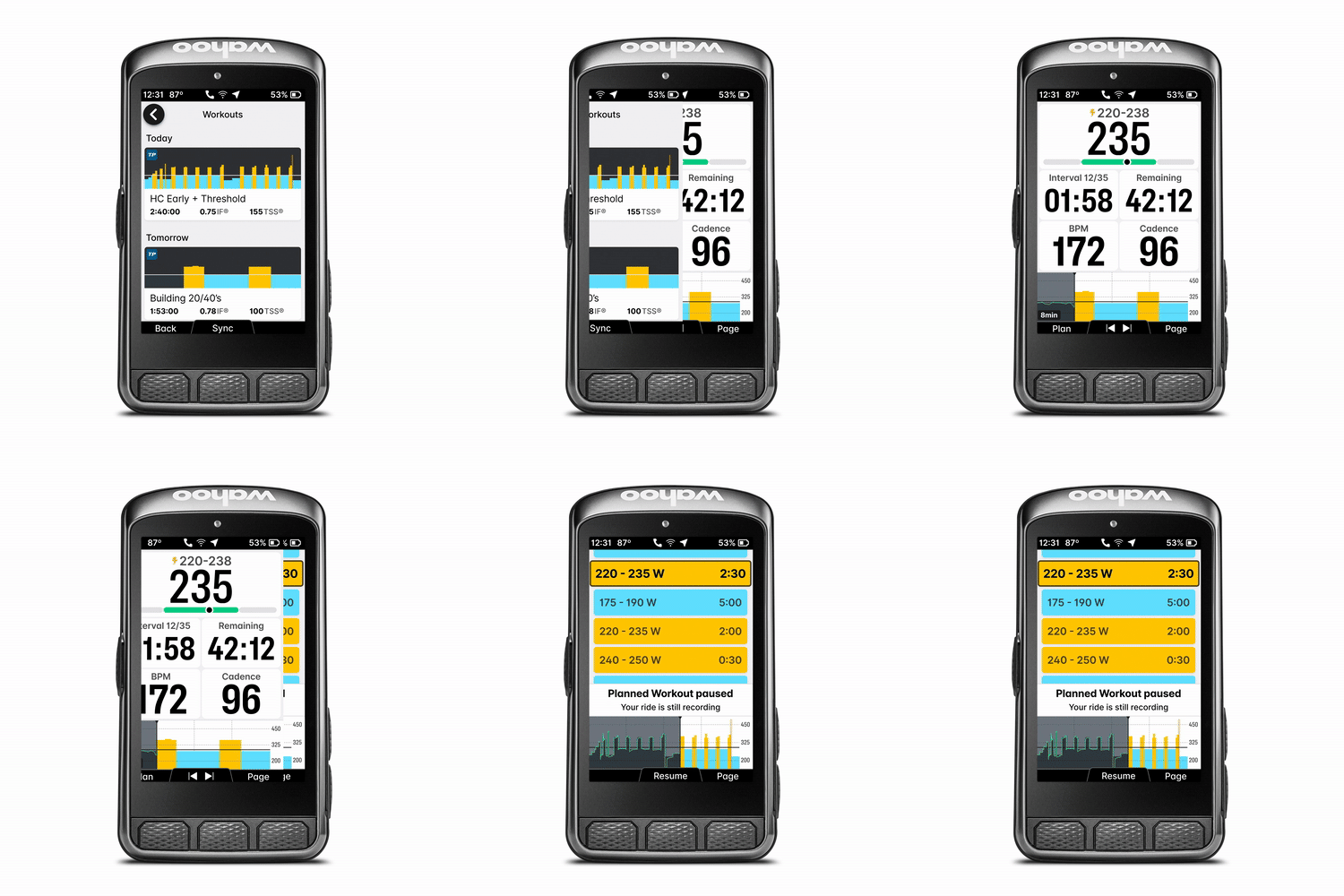
Wahoo ELEMNT Ace: 208g "Performance Beast" That Ships Half-Baked
208g (heaviest bike computer on the market), 3.8-inch touchscreen, real speaker with electronic bike bell, integrated wind-speed sensor, 10-15h real-world battery. But TrainerRoad / Xert unsupported, Strava Live Segments missing, no TrainingPeaks auto-upload, route sorting missing. JoyVelo internal testing, 800 km.
Garmin Edge 550: 7 Buttons + Buzzer, But 12-Hour Battery Hits Hard
7 physical buttons, no touchscreen, no speaker (only a buzzer), no Garmin Pay, 32GB storage, transmissive 2.7" LCD, and 5Hz MTB recording shared with the Edge 850 and 1050. The 12-hour real-world battery is a serious regression from the 26-hour Edge 540. JoyVelo internal testing, 1,200 km.
Verify with JoyAnalyze
Compare GPS / elevation / power data with JoyAnalyze. Stack Garmin Edge 1040 Solar: Long-Term Review After 5,000km against a reference device to see which computer records more stable data with less drift.
Open multi-file compare in JoyAnalyzeSee how this fits you
The Garmin Edge 1040 Solar: Long-Term Review After 5,000km is one option. Run the JoyFit assessment to see whether it actually matches your body and riding style — or compare it side-by-side with the other Bike Computersin our database.
Community
Discuss this review · Pro members can rateComments
(0)Sign in above to leave a comment.
Loading comments…
Pro Ratings
PROLoading…Sign in above to rate this product on the 8-axis $APPEALS framework.