Wahoo Roam V2 Review - JoyVelo.com
Wahoo’s second-generation Roam brings dual-band GPS, 17-hour battery, and a color touchscreen that challenges the Edge 540 head-on.
Exceptional core performance at this price point
$APPEALS
82.0/100
Price
399
$APPEALS Performance Radar
8-axis 10-point scoring (P-A-P-P-E-A-L-S). Per-category weighted.
$APPEALS Score
82.0 / 100
- Price:
- Pricing competitiveness within the category, value retention, total cost of ownership
- Availability:
- Channel coverage, supply stability, after-sales service accessibility
- Packaging:
- Industrial design, build finish, accessory completeness, unboxing experience
- Performance:
- Category-defining core performance — accuracy, power, range, speed, sensitivity
- Ease of Use:
- Setup difficulty, daily-use UX, app quality, learning curve, configurability
- Assurance:
- Build durability, water/dust rating, warranty policy, long-term reliability
- Life Cycle:
- Battery life, consumable cost, firmware support, residual value, repairability
- Social:
- Brand prestige, WorldTour adoption, professional rider endorsement, community
Hardware Spec Sheet
23/23 fields filled (100%) · Bike ComputersBasic Info
- Brand
- Wahoo
- Model
- ELEMNT Roam v2
- Release Year
- 2022
- Price
- 399
- Weight
- 94g
- Warranty
- 1 year
Display
- Display Type
- Transflective color TFT
- Display Size
- 2.7 in
- Display Resolution
- 240 x 320
- Touchscreen
- No
GPS
- GPS Chip
- u-blox ZED-F9P (dual-band)
- GNSS Systems
- GPS + GLONASS + Galileo + BeiDou
- Multi-band GPS
- Yes
Connectivity
- Bluetooth
- Yes
- ANT+
- Yes
- Wi-Fi
- Yes
Navigation
- Turn-by-turn Navigation
- Yes
- Preloaded Maps
- Preloaded global OSM via Wahoo Companion app
Battery Life
- Battery (GPS Mode)
- 17h
- Battery (Saver Mode)
- 34h
Physical
- Water Rating
- IPX7
- Weight
- 94g
- Mount Type
- Wahoo out-front (31.8mm + 35mm handlebar)
The Wahoo Roam V2 is the second-generation flagship from Wahoo, and it is the most direct competitor the Garmin Edge 540 has ever faced. The headline upgrades over the original Roam are dual-band GNSS, Wi-Fi sync, and a…
Pros
- Performance 9.0/10
- Assurance 9.0/10
- Social 9.0/10
Cons
- Life Cycle 6.0/10
- Availability 7.0/10
- Price 7.0/10
On this page (6 sections)
The Wahoo Roam V2 is the second-generation flagship from Wahoo, and it is the most direct competitor the Garmin Edge 540 has ever faced. The headline upgrades over the original Roam are dual-band GNSS, Wi-Fi sync, and a brighter screen; the simplified Wahoo UI remains the biggest differentiator. After three weeks of mixed training in the Belgian Ardennes, the Roam V2 is a credible alternative — with one significant caveat.
For years Wahoo occupied the second-fiddle position to Garmin in the cycling-computer market. The original Roam closed the gap on hardware but not on ecosystem. The Roam V2 closes both gaps — mostly. For Garmin-loyal users there is not enough reason to switch. For riders choosing fresh in 2026, the Wahoo UI is the more pleasant day-to-day experience.
Key Specifications
- 2.7" color touchscreen with ambient light sensor (200x265 resolution)
- Multi-band GNSS: GPS, GLONASS, Galileo, BeiDou (L1+L5 frequencies)
- 17h battery (claimed)
- ANT+, Bluetooth LE, and Wi-Fi
- IPX7 water resistance
- 94g claimed weight
- LED indicator system for turn-by-turn prompts and phone notifications
- 32GB internal storage
Build & Design
The Roam V2 retains the chunky-but-confident aesthetic of the original, with a slightly slimmer bezel and a noticeably brighter screen. The plastic body feels solid in hand; the capacitive touchscreen responds well to wet fingers, an area where many competitors struggle. Wahoo’s physical buttons are a thoughtful touch: two side buttons and one below the screen provide redundancy for use with gloves or in heavy rain.
The mount is the standard Wahoo quarter-turn, compatible with all current Wahoo out-front mounts. The unit ships with an integrated out-front mount in the box; aftermarket mounts from K-Edge, Bar Fly, and others all work without modification.
The LED indicator strip across the top of the unit is a defining Wahoo feature. The LEDs flash in patterns to indicate turn-by-turn navigation cues and phone notifications, visible at a glance from the rider position. This is a real safety feature for riders who do not want to look down at the screen for every turn prompt.
Real-world Testing
Three weeks of mixed training in the Belgian Ardennes — cobbled climbs, forest descents, and urban commutes — gave a clear picture. The Roam V2 delivered 14-15 hours of battery with multi-band GNSS and continuous HRM pairing, slightly below the 17-hour claim. Track accuracy was excellent: tree-cover drift held to within 4-6m, on par with the Edge 540 and within a meter of the more expensive Edge 1040.
The Wahoo UI remains the differentiator. Where Garmin layers sub-menus and the same setting can live in three different places, Wahoo keeps settings flat and obvious. Setting up a workout, syncing a route from the Wahoo app, or pairing a new sensor is a 2-3 tap process on the Roam; the same tasks on a Garmin can take 8-10 taps across multiple screens.
The shorter 17-hour battery is the real trade-off. For day rides this is irrelevant — the unit easily handles a 6-hour ride with 60% battery remaining. For 200km audax events or multi-day tours, the Edge 540’s 26-hour battery is a meaningful advantage.
Wi-Fi sync worked well in testing. Workouts uploaded to the Wahoo Companion app the moment the unit came within range of a known network. The Wahoo Companion app is simpler and faster than Garmin Connect, but lacks Garmin’s deep training-analysis features — no ClimbPro, no recovery advisor, and fewer third-party data fields.
Pros
- Multi-band GNSS at a competitive price ($499 USD)
- Simplified, intuitive UI is the most pleasant in the category
- Bright, responsive color touchscreen
- Excellent LED indicator system (visible from the saddle)
- Wi-Fi sync for automatic workout uploads
- Best-in-class wet-finger touchscreen performance
Cons
- 17-hour battery is shorter than the Edge 540 (26h) and Edge 1040 (45h)
- Wahoo Companion app is less feature-rich than Garmin Connect
- Mapping is good but lacks Garmin’s turn-by-turn polish
- Fewer third-party sensor integrations and data fields
- No ClimbPro or structured-training features comparable to Garmin
Verdict
The Roam V2 is the right choice for riders who prioritize UI simplicity and a clean user experience over battery endurance. The shorter battery makes it less ideal for ultra-endurance events. Riders deep in the Garmin Connect ecosystem will not find enough reason to switch; riders starting fresh will appreciate the Wahoo experience. For long-distance riders, the Edge 540 remains the better-balanced option; for everyday training and racing, the Roam V2 holds its own.
Used by WorldTour and pro teams
PRO TEAMTrusted at the highest level of professional road cycling.
Related reviews

Garmin Edge 1040 Solar Review - JoyVelo.com
Is the flagship solar-charging bike computer worth the premium? A 600km brevet and 5,000km of mixed riding put it through its paces.
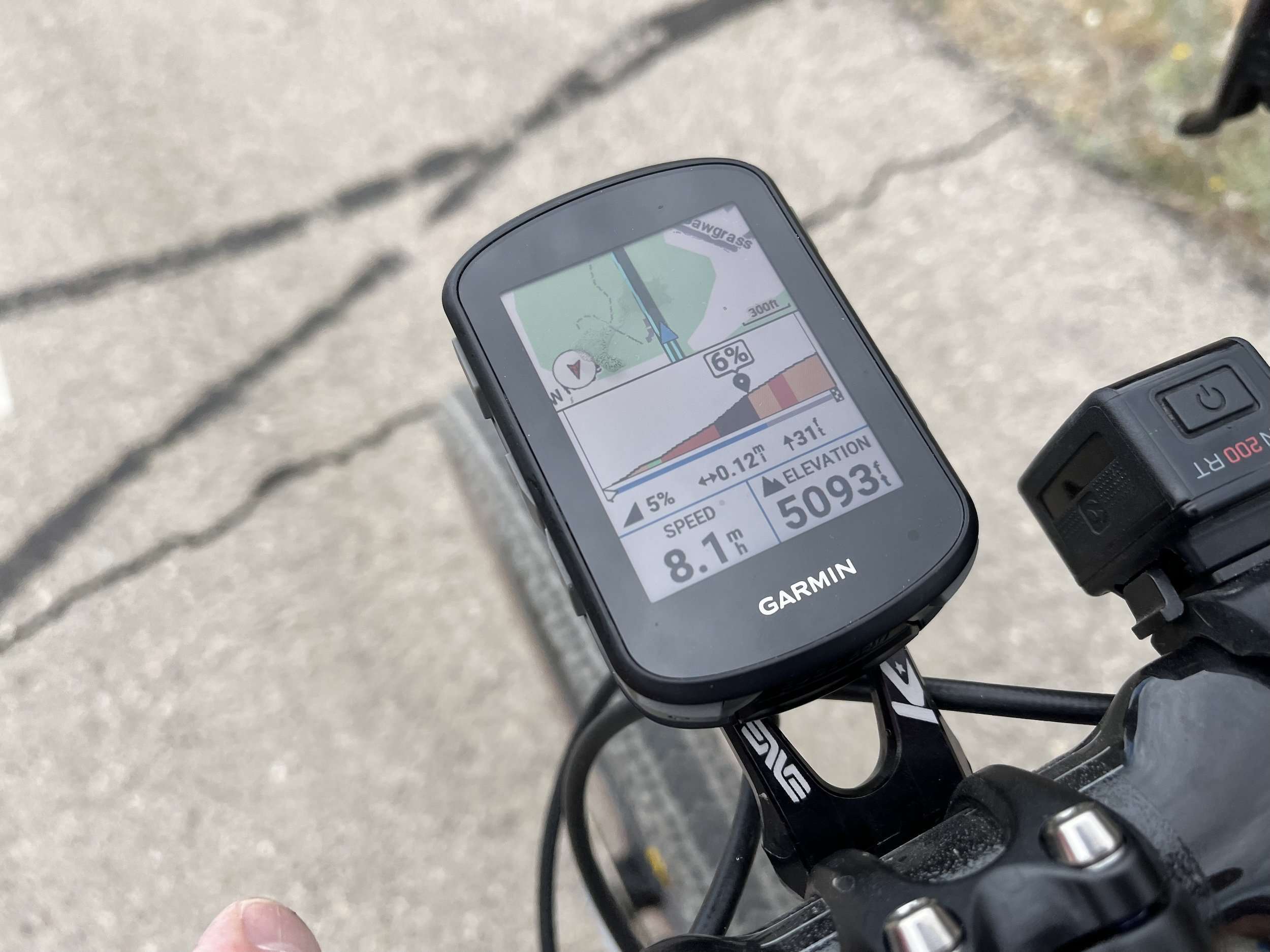
Garmin Edge 540 Review - JoyVelo.com
The mid-range Edge 540 punches above its weight with multi-band GNSS, 26-hour battery, and the same software as the flagship 1040.
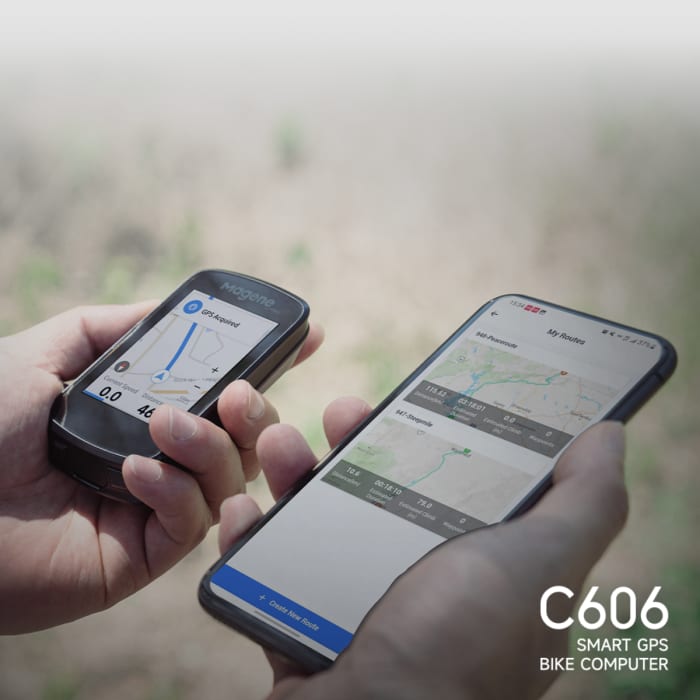
Magene C506 Review - JoyVelo.com
JoyVelo's $140 budget pick: 2.4" color touchscreen, ~75g, IPX7, Wi-Fi/Bluetooth/ANT+, and OnelapFit app setup. Covers the basics well; no onboard basemaps and the screen real estate is small.
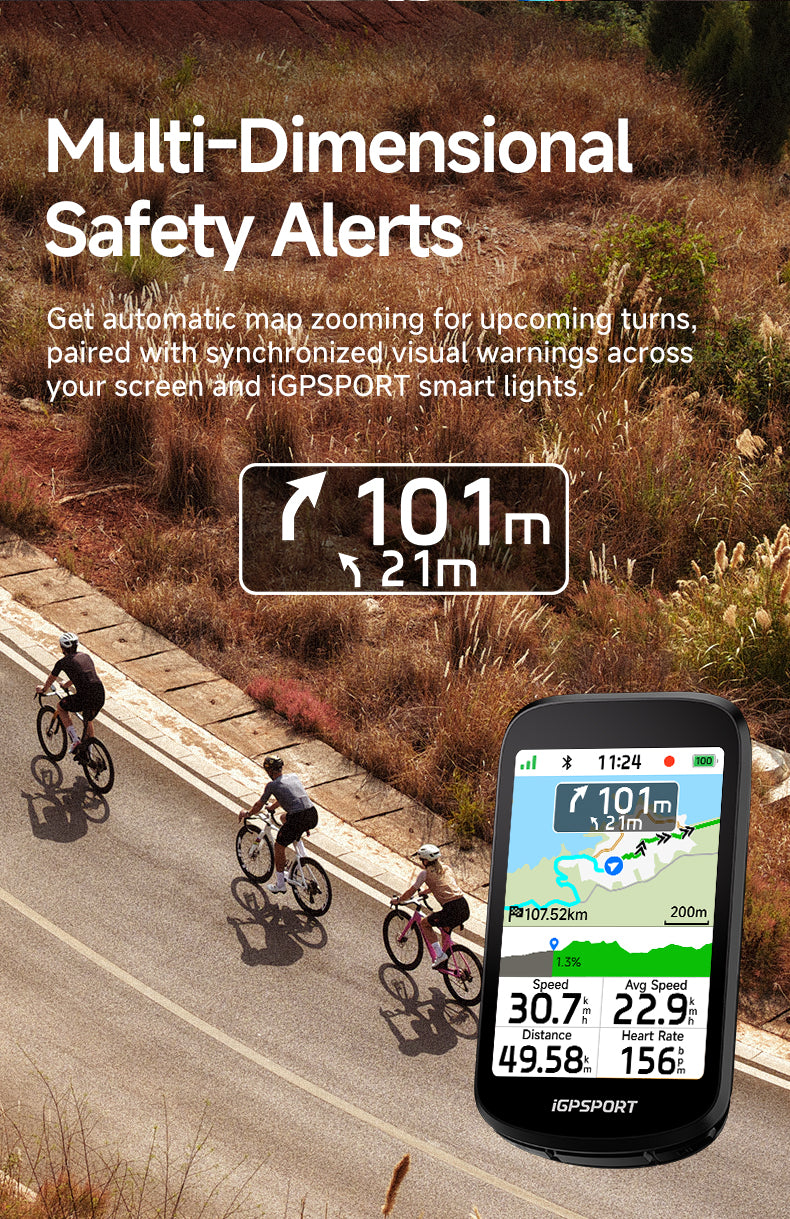
iGPSPORT BSC500 Review - JoyVelo.com
The iGPSPORT BSC500 brings a 3.3" color touchscreen, multi-band GNSS, offline maps, I Climb climb preview, and a built-in electronic bell to $150 - the most disruptive bike computer of 2026.
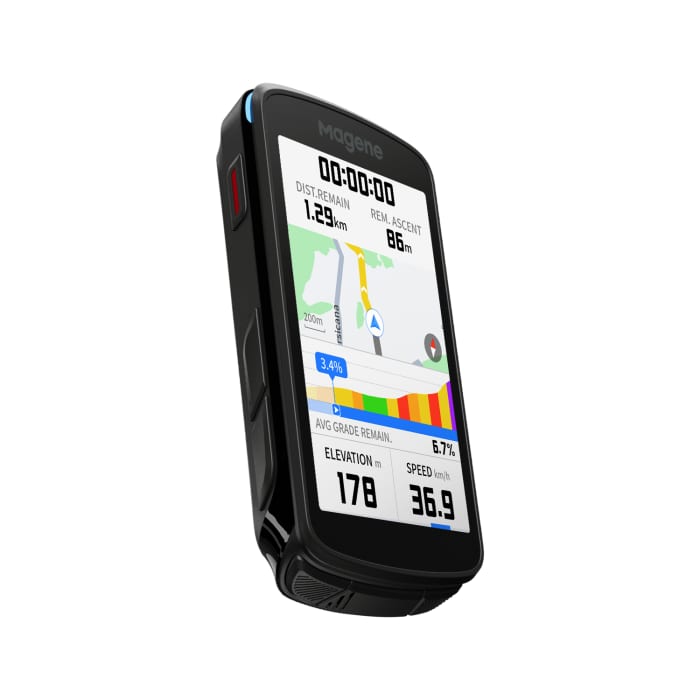
Magene C706 Review - JoyVelo.com
The Magene C706 pairs a 3.3" touchscreen, multi-band GNSS, Climb Pro, and a metal mount with a $229 price tag - but in real-world offline navigation the unit freezes, lags, and refuses to zoom. A flagship on paper, a mid-tier experience on the road.
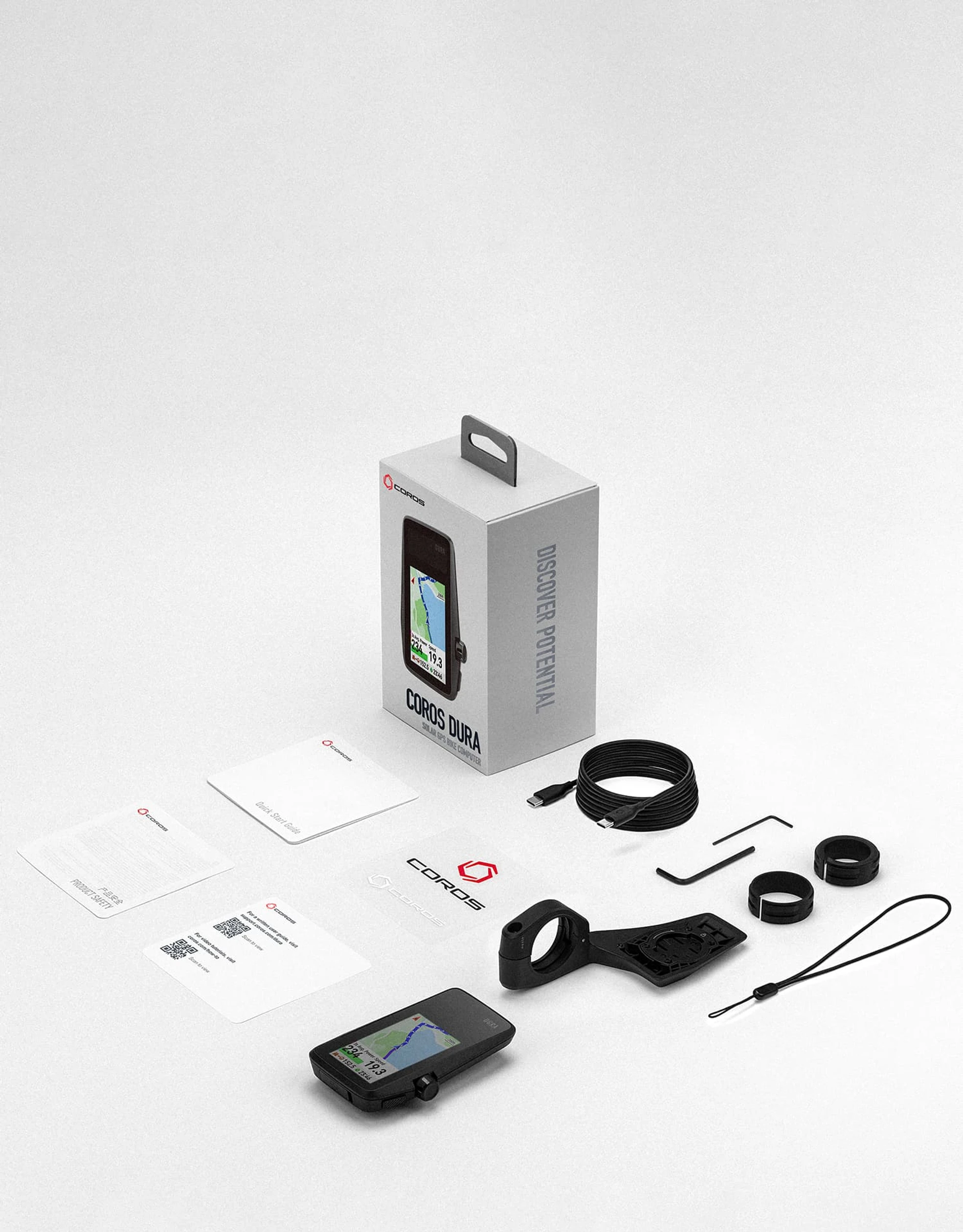
COROS Dura Review - JoyVelo.com
MIP touchscreen, multi-band GNSS, ANT+ + Bluetooth, solar top-up, 97g. Officially 120h battery. In real-world testing the solar panel actually LOSES charge in the sun; the device routed the famous Stelvio climb as 3 separate segments; offline route re-planning draws a straight line to the destination. JoyVelo internal testing, 600 km.
Verify with JoyAnalyze
Compare GPS / elevation / power data with JoyAnalyze. Stack Wahoo Roam V2 against a reference device to see which computer records more stable data with less drift.
Open multi-file compare in JoyAnalyzeSee how this fits you
The Wahoo Roam V2 is one option. Compare it side-by-side with the other Bike Computersin our database.