Garmin Edge 540: The Sweet Spot in Garmin’s Lineup
The mid-range Edge 540 punches above its weight with multi-band GNSS, 26-hour battery, and the same software as the flagship 1040.
Exceptional core performance at this price point
$APPEALS
84.2/100
Price
449
$APPEALS Performance Radar
8-axis 10-point scoring (P-A-P-P-E-A-L-S). Per-category weighted.
$APPEALS Score
84.2 / 100
- Price:
- Pricing competitiveness within the category, value retention, total cost of ownership
- Availability:
- Channel coverage, supply stability, after-sales service accessibility
- Packaging:
- Industrial design, build finish, accessory completeness, unboxing experience
- Performance:
- Category-defining core performance — accuracy, power, range, speed, sensitivity
- Ease of Use:
- Setup difficulty, daily-use UX, app quality, learning curve, configurability
- Assurance:
- Build durability, water/dust rating, warranty policy, long-term reliability
- Life Cycle:
- Battery life, consumable cost, firmware support, residual value, repairability
- Social:
- Brand prestige, WorldTour adoption, professional rider endorsement, community
Hardware Spec Sheet
23/23 fields filled (100%) · Bike ComputersBasic Info
- Brand
- Garmin
- Model
- Edge 540
- Release Year
- 2023
- Price
- 449
- Weight
- 85g
- Warranty
- 1 year
Display
- Display Type
- TFT color (button-only)
- Display Size
- 2.6 in
- Display Resolution
- 246 x 322
- Touchscreen
- No
GPS
- GPS Chip
- Airoha AG3335MN (multi-band)
- GNSS Systems
- GPS + GLONASS + Galileo + BeiDou + QZSS
- Multi-band GPS
- Yes
Connectivity
- Bluetooth
- Yes
- ANT+
- Yes
- Wi-Fi
- No
Navigation
- Turn-by-turn Navigation
- Yes
- Preloaded Maps
- Preloaded Garmin Cycle Map
Battery Life
- Battery (GPS Mode)
- 26h
- Battery (Saver Mode)
- 42h
Physical
- Water Rating
- IPX7
- Weight
- 85g
- Mount Type
- Garmin out-front (standard 1/4-turn)
The Garmin Edge 540 occupies a position that Garmin historically underserved: a mid-range computer with flagship-tier GNSS accuracy and software. At roughly half the price of the Edge 1040 Solar, it is the most rational…
Pros
- Social 10.0/10
- Performance 9.0/10
- Assurance 9.0/10
Cons
- Availability 7.0/10
- Price 7.0/10
- Packaging 7.7/10
On this page (6 sections)
The Garmin Edge 540 occupies a position that Garmin historically underserved: a mid-range computer with flagship-tier GNSS accuracy and software. At roughly half the price of the Edge 1040 Solar, it is the most rational buy for the majority of riders in 2026. Three months of use across road, gravel, and mountain-bike rides confirmed the reputation.
For years the choice was clear: pay Garmin flagship prices for flagship capability, or save money and accept a compromised experience. The Edge 540 ends that trade-off. It runs the same software, the same Connect IQ app ecosystem, and the same multi-band GNSS chipset as the Edge 1040, in a smaller and lighter package that costs substantially less.
Key Specifications
- 2.6" color touchscreen (246 ppi, 200x265 resolution)
- Multi-band GNSS: GPS, GLONASS, Galileo (L1+L5 frequencies)
- 26h battery in standard mode (32h+ on Solar edition)
- ANT+ and Bluetooth LE
- IPX7 water resistance
- 85g claimed weight
- 16GB internal storage
- ClimbPro, recovery advisor, and full training calendar
Build & Design
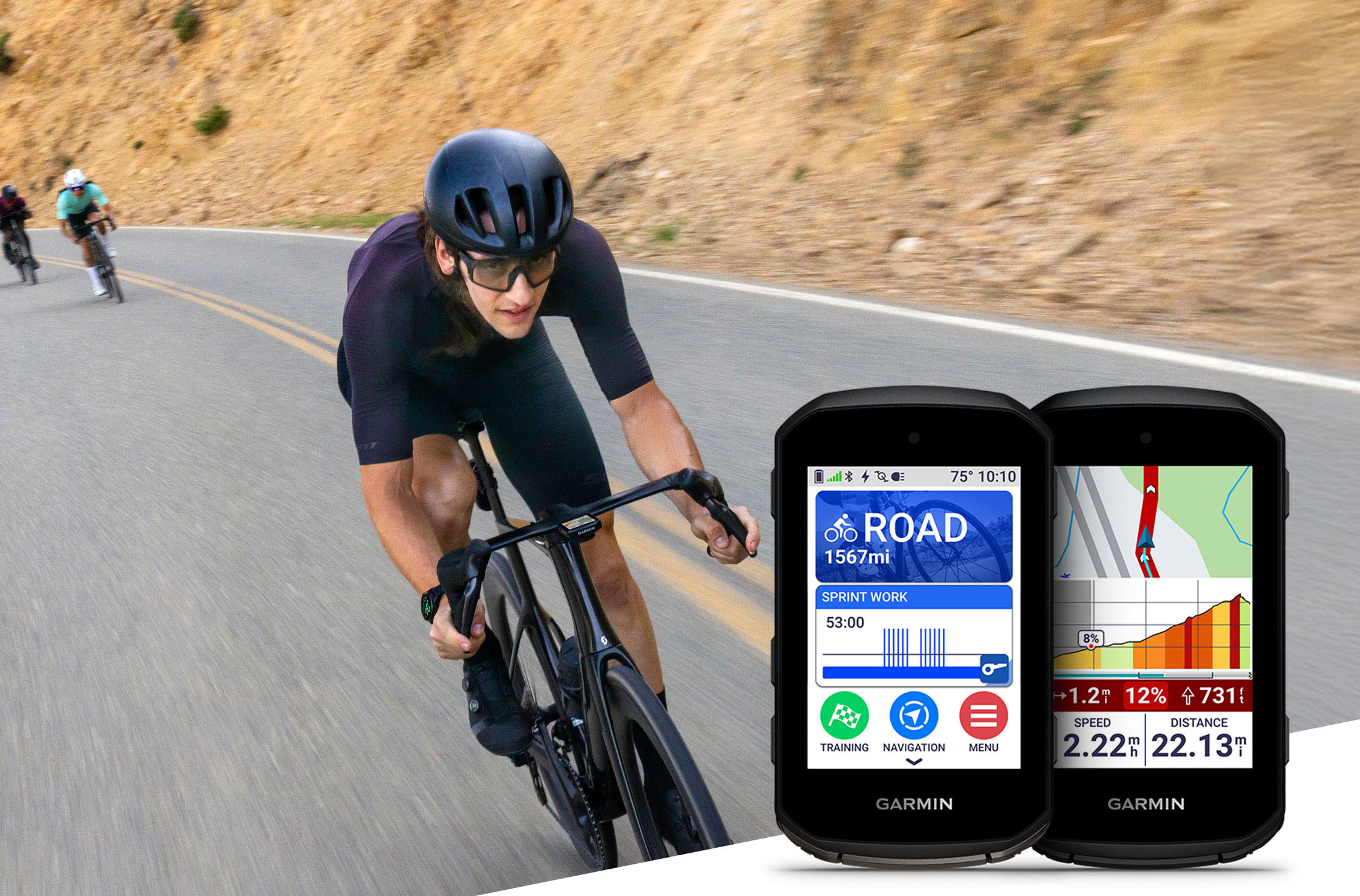
The Edge 540 is physically similar to the Edge 530 that preceded it, but with a brighter, higher-resolution touchscreen. The smaller 2.6" footprint (versus 3.5" on the 1040) is a deliberate trade: riders who like compact computers and large data fields get the same UI without the bulk. Buttons flank the touchscreen for use with full-finger gloves or in heavy rain; the unit snaps into a standard Garmin quarter-turn mount and pairs in seconds with any modern ANT+ or BLE sensor.
The plastic body feels solid in hand, with no flex or creak even when torqued by an out-front mount on rough roads. The metallic-grey bezel resists scratches better than the older Edge 530; the screen is recessed slightly to protect from grit and stone strikes. IPX7 water resistance held up to several months of winter rain and one accidental dunk in a stream crossing.
Real-world Testing
Two months of training, including a multi-day tour through the Pyrenees, gave a clear picture. Battery life on the non-solar version was 22-24 hours with multi-band GNSS always on, the backlight at 40%, and continuous heart-rate pairing — close to the 26-hour claim. Track accuracy was indistinguishable from the Edge 1040 Solar in side-by-side testing under tree cover, with both units holding a 3-5m accuracy band on forest singletrack.
The smaller screen does force some compromises. Long route names truncate to 18-20 characters, and stacking more than six data fields per page becomes tight. For riders running 2-4 fields per page — the recommended Garmin layout for most data fields — this is a non-issue. Riders running complex training dashboards with 8+ fields should consider the larger Edge 1040.
Garmin’s training features carry over unchanged from the Edge 1040: structured workouts, ClimbPro navigation, recovery advisor, and the full Garmin Connect ecosystem. The Edge 540 is the rare mid-range product that does not feel like a stripped-down flagship. There is no missing feature that the Edge 1040 has, only a smaller screen and a smaller battery.
One omission worth noting: the Edge 540 does not include Wi-Fi. Workout uploads happen via Bluetooth to a paired phone, or via USB to a computer. For riders who use Wi-Fi sync as a feature on the Edge 1040, this is a real trade-off. Most riders will not notice.
Pros
- Multi-band GNSS at a mid-range price (~$399 USD)
- Identical software feature set to the Edge 1040
- Excellent 26-hour battery life (22-24h real-world with multi-band GNSS)
- Compact, lightweight 85g form factor
- Full ANT+/BLE sensor compatibility
- Bright, glove-friendly touchscreen
Cons
- Smaller screen limits data field count and route name length
- No Wi-Fi (Bluetooth sync only)
- Solar edition premium is hard to justify for most riders
- No 1040-style solar endurance for multi-day events
Verdict
The Edge 540 is the new default recommendation for riders who want flagship GNSS accuracy without flagship pricing. It is the right computer for road cyclists, gravel riders, and mountain bikers who value compact hardware. Riders running complex data layouts, seeking solar endurance for multi-day events, or wanting Wi-Fi sync should still consider the Edge 1040 Solar. For everyone else, the Edge 540 is the smartest buy in Garmin’s 2026 lineup.
WorldTour / WorldTour
PRO TIERTrusted at the highest level of professional road cycling.
Related reviews

Garmin Edge 1040 Solar: Long-Term Review After 5,000km
Is the flagship solar-charging bike computer worth the premium? A 600km brevet and 5,000km of mixed riding put it through its paces.
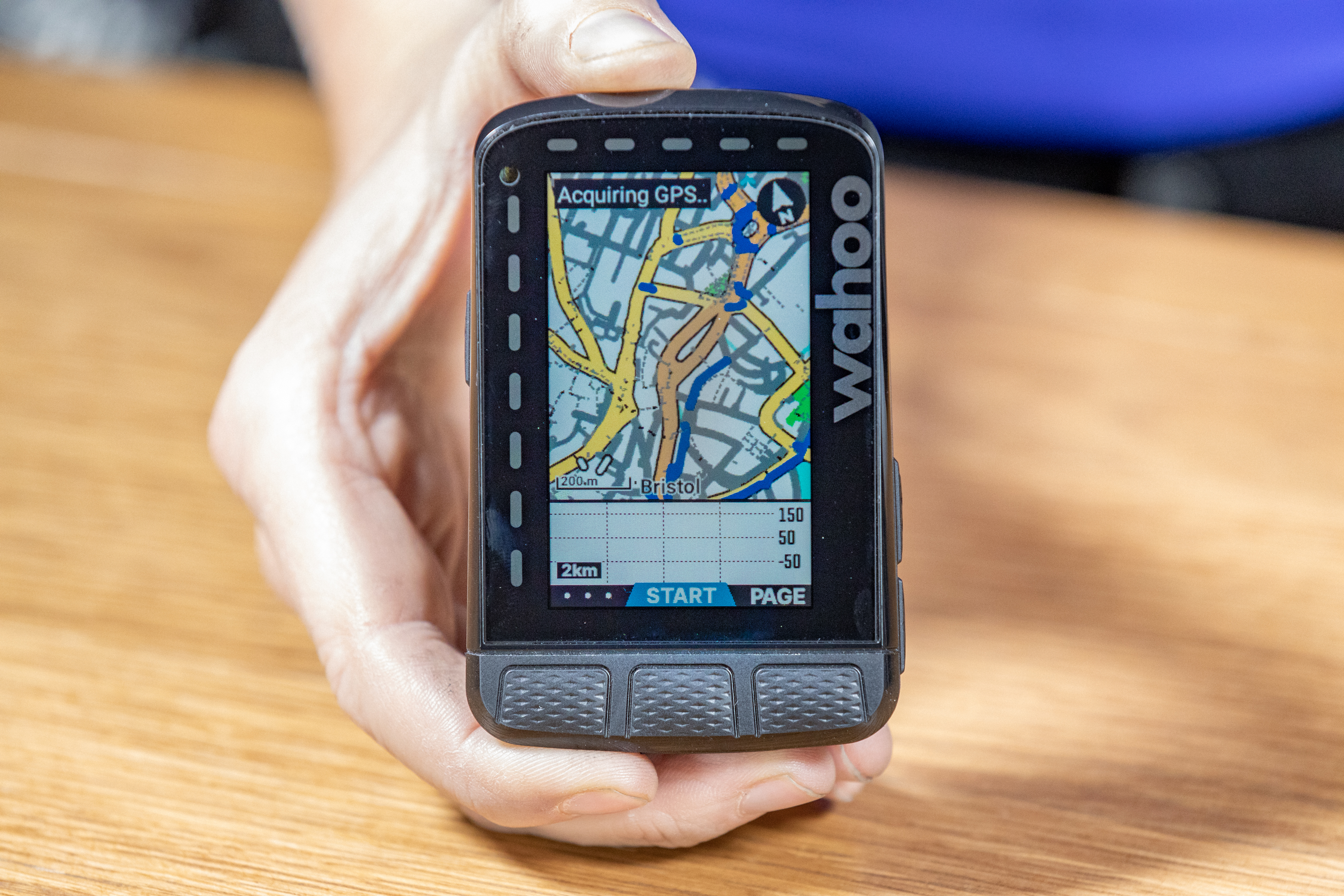
Wahoo Roam V2: A Worthy Garmin Alternative?
Wahoo’s second-generation Roam brings dual-band GPS, 17-hour battery, and a color touchscreen that challenges the Edge 540 head-on.
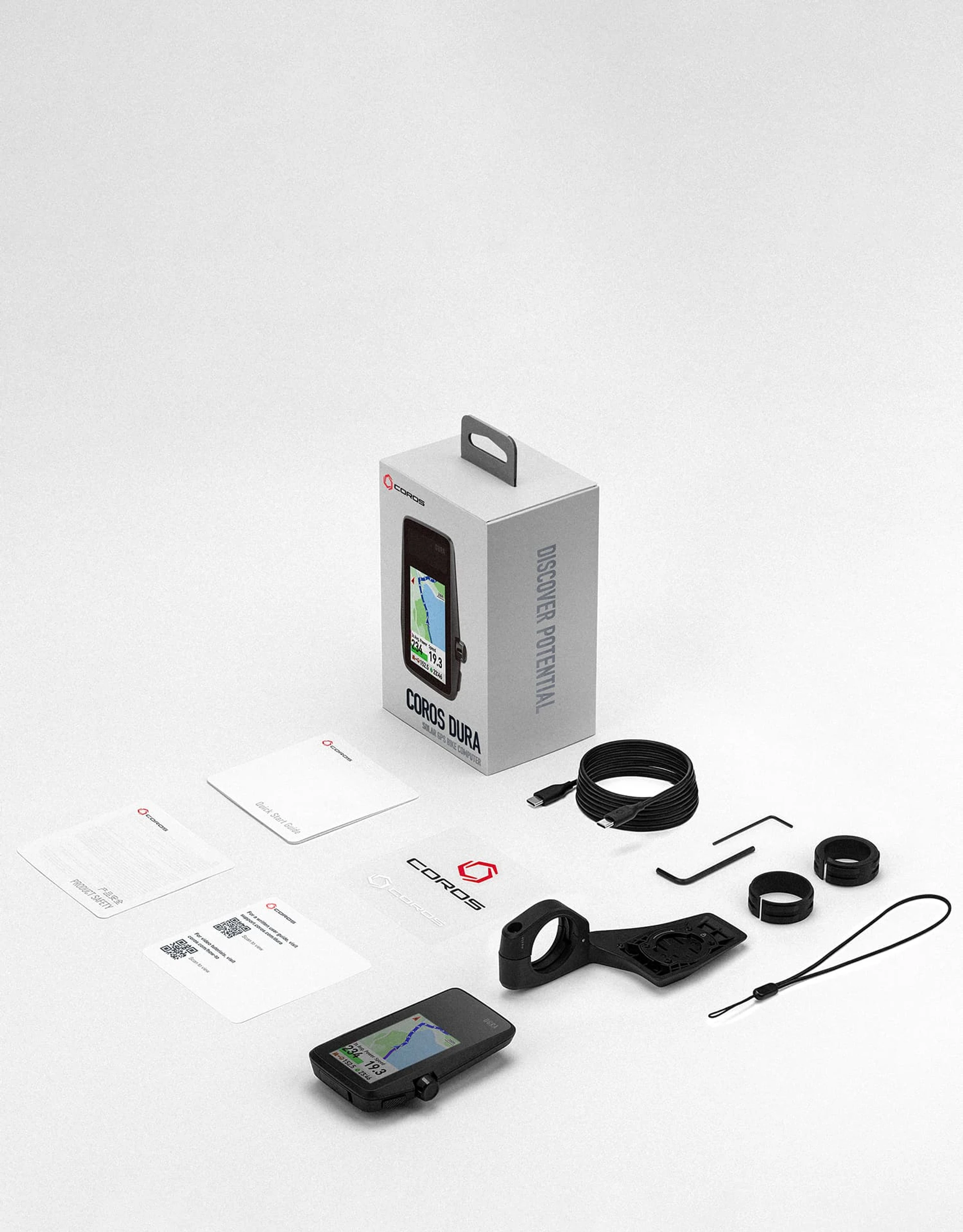
COROS Dura: Solar-Promise 120h Battery Ships as a Half-Baked Beta
MIP touchscreen, multi-band GNSS, ANT+ + Bluetooth, solar top-up, 97g. Officially 120h battery. In real-world testing the solar panel actually LOSES charge in the sun; the device routed the famous Stelvio climb as 3 separate segments; offline route re-planning draws a straight line to the destination. JoyVelo internal testing, 600 km.
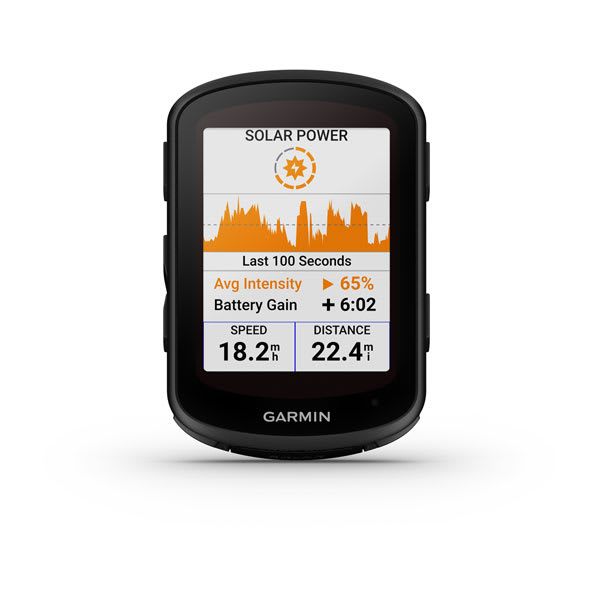
Garmin Edge 840: Free-Ride ClimbPro + 7 Buttons, The Sweet-Spot For Multi-Day Touring
MIP screen with optional Solar version, 7 physical buttons + touchscreen, 26h battery, free ClimbPro (no route required), Climb Explorer, multi-band GNSS, Power Guide, course deviation recovery. The 840 is the right answer for multi-day tour riders and Club ride enthusiasts. JoyVelo internal testing, 1,500 km road + gravel + MTB.
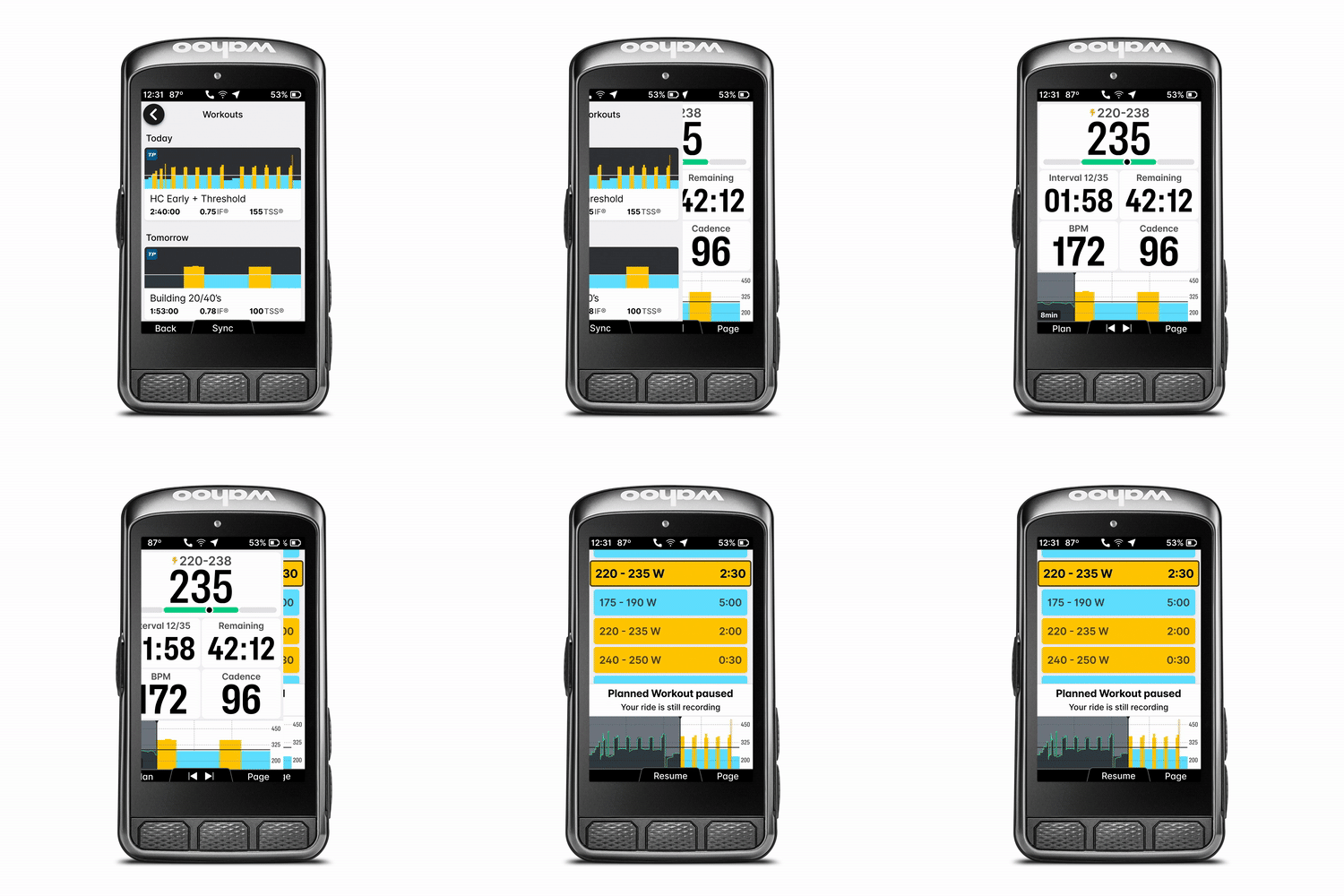
Wahoo ELEMNT Ace: 208g "Performance Beast" That Ships Half-Baked
208g (heaviest bike computer on the market), 3.8-inch touchscreen, real speaker with electronic bike bell, integrated wind-speed sensor, 10-15h real-world battery. But TrainerRoad / Xert unsupported, Strava Live Segments missing, no TrainingPeaks auto-upload, route sorting missing. JoyVelo internal testing, 800 km.
Garmin Edge 550: 7 Buttons + Buzzer, But 12-Hour Battery Hits Hard
7 physical buttons, no touchscreen, no speaker (only a buzzer), no Garmin Pay, 32GB storage, transmissive 2.7" LCD, and 5Hz MTB recording shared with the Edge 850 and 1050. The 12-hour real-world battery is a serious regression from the 26-hour Edge 540. JoyVelo internal testing, 1,200 km.
Verify with JoyAnalyze
Compare GPS / elevation / power data with JoyAnalyze. Stack Garmin Edge 540: The Sweet Spot in Garmin’s Lineup against a reference device to see which computer records more stable data with less drift.
Open multi-file compare in JoyAnalyzeSee how this fits you
The Garmin Edge 540: The Sweet Spot in Garmin’s Lineup is one option. Run the JoyFit assessment to see whether it actually matches your body and riding style — or compare it side-by-side with the other Bike Computersin our database.
Community
Discuss this review · Pro members can rateComments
(0)Sign in above to leave a comment.
Loading comments…
Pro Ratings
PROLoading…Sign in above to rate this product on the 8-axis $APPEALS framework.