Magene C706: Strong Specs, Stuttering UX - A Cautionary Flagship
The Magene C706 pairs a 3.3" touchscreen, multi-band GNSS, Climb Pro, and a metal mount with a $229 price tag - but in real-world offline navigation the unit freezes, lags, and refuses to zoom. A flagship on paper, a mid-tier experience on the road.
Outstanding value for money — main trade-off is ease of use
$APPEALS
68.1/100
Price
$229 USD (MSRP)
$APPEALS Performance Radar
8-axis 10-point scoring (P-A-P-P-E-A-L-S). Per-category weighted.
$APPEALS Score
68.1 / 100
- Price:
- Pricing competitiveness within the category, value retention, total cost of ownership
- Availability:
- Channel coverage, supply stability, after-sales service accessibility
- Packaging:
- Industrial design, build finish, accessory completeness, unboxing experience
- Performance:
- Category-defining core performance — accuracy, power, range, speed, sensitivity
- Ease of Use:
- Setup difficulty, daily-use UX, app quality, learning curve, configurability
- Assurance:
- Build durability, water/dust rating, warranty policy, long-term reliability
- Life Cycle:
- Battery life, consumable cost, firmware support, residual value, repairability
- Social:
- Brand prestige, WorldTour adoption, professional rider endorsement, community
Hardware Spec Sheet
6/23 fields filled (26%) · Bike ComputersBasic Info
- Brand
- —
- Model
- —
- Release Year
- —
- Price
- $229 USD (MSRP)
- Weight
- 111g
- Warranty
- —
Display
- Display Type
- —
- Display Size
- —
- Display Resolution
- —
- Touchscreen
- —
GPS
- GPS Chip
- —
- GNSS Systems
- —
- Multi-band GPS
- —
Connectivity
- Bluetooth
- —
- ANT+
- —
- Wi-Fi
- —
Navigation
- Turn-by-turn Navigation
- Dual routing strategy (destination / nearest junction), offline route replanning, offline back-to-start, offline waypoints, Free Ride Climb Pro, Strava segment auto-sync
- Preloaded Maps
- Preloaded + downloadable regional OSM maps, free Wi-Fi updates
Battery Life
- Battery (GPS Mode)
- —
- Battery (Saver Mode)
- —
Physical
- Water Rating
- IPX7
- Weight
- 111g
- Mount Type
- —
The Magene C706 is the most spec-dense bike computer at its price point in 2026. At $229, it ships a 3.
Pros
- Assurance 9.3/10
- Price 9.0/10
- Packaging 8.2/10
Cons
- Social 5.0/10
- Ease of Use 5.0/10
- Life Cycle 6.0/10
On this page (11 sections)
The Magene C706 is the most spec-dense bike computer at its price point in 2026. At $229, it ships a 3.3" touchscreen, multi-band GNSS, offline OSM maps, a Climb Pro climb preview, an electronic bell, voice prompts, and a metal mount - features that, on paper, would embarrass a Garmin Edge 1040 or a Wahoo Roam V2 at three times the price. The flagship impression is reinforced by an unusually generous unboxing (TPU case, screen protector, dual-head screwdriver, dual mounts) and a thoughtful industrial design.
Our testing told a different story. Across 1,800 km of JoyVelo-internal road and gravel testing in Metro Manila, Boso-Boso, and the Philippine highlands, the C706 is hardware-impressive but UX-frustrating. The pinch-to-zoom gesture that every modern touchscreen supports is missing - users get on-screen + and - buttons only. In offline navigation, the unit occasionally freezes, refuses to switch pages, and lags enough to compromise safety. Battery is shorter than the 25h headline figure once ambient lighting and connected sensors stack up. And the OneLapFit app’s place database is too thin to use as a Google Maps replacement. The C706 is the right answer for a buyer who wants the spec sheet at $229 and is willing to live with the jank. It is the wrong answer for a buyer who needs reliable turn-by-turn on every ride.
Key Specifications
- 3.3" TFT color touchscreen (capacitive, gesture support)
- Multi-band dual-frequency GNSS (GPS, GLONASS, Galileo, BeiDou, QZSS)
- 17-25h battery life (varies with sensors, backlight, ambient light)
- 2h USB-C full charge
- Offline OSM maps with free Wi-Fi updates
- Free Ride Climb Pro + nearby climbs + mid-climb engagement
- Dual routing strategy (Destination vs. Nearest Junction)
- Offline route replanning, offline back-to-start, offline waypoints
- Starring ambient light: 12 colors, 3 modes (breathing, flashing, solid)
- Electronic bike bell (drop-down menu or B-button)
- Voice prompts for navigation, segments, climbs, low battery
- Screen lock + screen-off recording for sweat-proof rides
- Resume Later ride suspension for multi-day / battery-bank-free trips
- Strava Live Segments auto-sync over Wi-Fi
- DJI + Insta360 camera control (no GoPro at launch)
- ANT+ + Bluetooth 5.0 + Wi-Fi
- Custom Di2 / eTap button mapping
- Aluminium alloy replaceable mount
- IPX7 waterproofing
- 111g claimed weight
- $229 USD MSRP
Background: Magene’s Flagship Ambition
Magene (迈金) was founded in 2015 and has built a reputation in power meters, cranksets, chainrings, smart trainers, and wheelsets. The C706, launched in early 2025, is the most ambitious bike computer Magene has ever shipped: a 3.3" touchscreen flagship with a Climb Pro feature, a metal mount, and a price tag that puts it below the Wahoo Roam V2 and a third of the Garmin Edge 1050. Magene positioned the C706 as a serious challenger to both.
JoyVelo’s internal testing aligned with three observations about the unit: it has a category-leading spec sheet, an unboxing experience that is the best in its price tier, and an app / OS / sensor-compatibility matrix that is broader than the Wahoo Roam V2 at this price. The user-experience reality, however, is less consistent with the spec-sheet promise. Our 1,800 km of testing surfaced the same gap that other long-form reviews have flagged: the C706 is hardware-impressive but UX-frustrating.
Hardware & Unboxing
Magene’s unboxing is unusually generous for a $229 computer. The box ships with: a TPU protective case (most brands make you buy this separately), a screen protector, a USB Type-A to Type-C cable, a safety tether, two sets of rubber O-rings, an out-front mount extension, a dual-head screwdriver (Allen + Phillips), the metal mount itself, and a multilingual quick-start guide. The 3.3" touchscreen is the standout physical feature - 97 x 55.8 mm body footprint makes it one of the largest bike computers we have tested.
Build quality is flagship-grade. The back uses an aluminium alloy mount (replacing the plastic mounts on earlier Magene units and the failure point on most competitors), with a high-volume speaker integrated into the mount base. The bottom houses a USB-C port under a rubber dust flap, plus a small hole that may be a microphone or second speaker. Three physical buttons: power / A on the left, B and C on the bottom. The Starring ambient light strip on the top of the unit is the most distinctive design touch - it is both decorative and a genuine safety feature in night riding. Claimed weight is 111g, slightly heavier than the iGPSPORT BSC500 (~100g) but lighter than the Garmin Edge 1050 (161g).
Screen, Touch, and the Ambient Light
The 3.3" TFT touchscreen is sharp, color-accurate, and bright enough to read in direct sunlight - in JoyVelo’s side-by-side testing, the C706 is visibly brighter than the COROS Dura, even though the Dura has a solar panel eating into the screen real estate. Compared to the Garmin Edge 840 / 1040, the Magene has a larger screen, comparable brightness, and what we would describe as a high-end feel that punches well above the $229 price. Touch responsiveness is also stronger than the C606 (Magene’s mid-tier predecessor).
Gesture support is good - swipe to navigate pages, swipe down from the top for a quick-settings menu, swipe up from the bottom for app shortcuts. Pinch-to-zoom, however, is not supported on the map: zoom uses the on-screen + and - buttons only. This is the single biggest UX complaint in our testing. In offline navigation, where cyclists frequently zoom to inspect upcoming turns, the lack of pinch-to-zoom combined with the lag described below creates real friction.
The Starring ambient light at the top of the unit is a clever addition. Twelve colors, three modes (breathing, flashing, solid), and it stays visible in both daylight and night. The tradeoff is battery drain: leave it on during a 5-hour ride and the 17-25h claim becomes a 13-15h reality. Best practice: toggle it via the top drop-down when needed.
Battery, Waterproofing, and Connectivity
Real-world battery is the first place the spec sheet diverges from the road. Magene’s 17-25h figure is honest under light load (one sensor, dim backlight, no ambient light), but drops quickly once you stack connected sensors, max backlight, ambient light, and constant navigation. JoyVelo’s 1,800 km of testing found the unit adequate for daily rides under 4 hours but marginal for multi-day tours or 300-400 km challenges. 2 hours to full charge via USB-C is genuinely fast.
IPX7 waterproofing held up to heavy rain across the JoyVelo test period - no failures reported. Connectivity is comprehensive: ANT+ for power meters and Di2 / eTap shifting, Bluetooth 5.0 for HRMs and radar, Wi-Fi for route and map sync. The custom Di2 / eTap button mapping is a flagship feature that few competitors offer at this price: you can re-purpose the shifter buttons to flip through data pages without taking a hand off the hoods.
Sensors, Cameras, and the Smart Bell
Sensor compatibility is a strong suit. JoyVelo paired the C706 with Magene’s own power meters, ANT+ HRMs, a radar tail light, smart trainer, Shimano Di2, and SRAM eTap - all paired within 5 seconds and stable across weeks of testing. The DJI and Insta360 camera control is a niche but real value-add for vloggers: you can start / stop recording on a saddle-mounted Insta360 directly from the computer, no need to reach back. GoPro support is not present at launch.
The electronic bike bell is, in our view, the best UX feature on the unit. Double-tap or single-press the B-button to trigger a sharp chime from the mount-integrated speaker. The tone is loud enough to alert a pedestrian or a passing cyclist without being obnoxious. The drop-down quick menu also has a bell icon. Compared to the iGPSPORT BSC500’s electronic bell, the Magene’s is louder and easier to trigger.
Voice prompts are present but the early review samples ship with Chinese voice packs. Magene has stated that English voices will come via firmware, but at the time of JoyVelo’s testing that had not shipped. For a US/EU buyer today, the voice prompt feature is effectively unusable.
Navigation, Climb Pro, and Strava Segments
This is the section where the C706 is best on paper and weakest in practice. On paper: preloaded and downloadable OSM regional maps, dual routing strategy (Destination Priority vs. Nearest Junction), offline route replanning, offline back-to-start, offline waypoint shortcuts, Strava Live Segments auto-sync, and Free Ride Climb Pro with three trigger modes (route-loaded, nearby climbs, mid-climb engagement).
GPX import and route-following works as advertised - load a route in the OneLapFit app, sync to the C706 over Wi-Fi or Bluetooth, the unit follows it. Strava segment sync is the standout: once you bind Strava in the OneLapFit app, your starred segments show up on the C706’s map and you can race them on any ride - no route required. Climb Pro’s Free Ride mode is genuinely useful: the C706 detects upcoming climbs from your current GPS position and pops up a gradient preview screen automatically. Mid-climb engagement works in principle (you can fire up the unit halfway up a climb and it will start tracking), but JoyVelo’s testing noted a 5-15 second GPS acquisition delay before the climb page stabilizes.
The off-route replanning is where things get rocky. The dual routing strategy is a clever idea - Destination Priority gets you to the end fastest, Nearest Junction returns you to your original planned route. In JoyVelo’s testing, the re-routing is sluggish and occasionally wrong, particularly in dense urban areas. Our advice: when you go off-course, pull out your phone’s Google Maps rather than trust the C706 to re-route. This pattern surfaced in both road and gravel test routes and was reproducible across multiple OneLapFit firmware versions.
There is also a real-world UX problem in offline navigation that the official marketing does not address. During sustained offline navigation - especially with frequent page switches or repeated map zooms - JoyVelo’s testing observed the C706 lag, occasionally refuse to switch pages, and sometimes freeze for several seconds. The unit recovers, but in the moment of needing a turn cue or a data page change, the freeze is dangerous. This is the single most damaging user-experience finding in our 1,800 km of testing and the reason this review lands in the medium-to-low tier rather than the medium-to-high tier the spec sheet would otherwise justify.
The App Ecosystem and the Magene-vs-Garmin Question
OneLapFit is Magene’s companion app. Onboarding, pairing, Wi-Fi sync, GPX import, firmware updates, and Strava integration all work. Where the app falls short is route planning and POI search. In JoyVelo’s testing, planning a route from Cubao to Taktak Falls in the OneLapFit app was not possible because the Philippine POI database is incomplete - Wahoo and COROS handle the same query. The route-planning UI is serviceable but not as polished as Google Maps or Komoot.
More structurally, Magene has no smartwatch. Garmin has Garmin Connect (cross-device: Edge + watch + scale + HRM-PRO all in one dashboard with training readiness, HRV, body battery). COROS has its own watch + computer pairing. Magene has only the C706 (and the C606 and C506 mid-tier units). If you want a unified training dashboard with stress scores, recovery, and readiness, Magene cannot provide it - you will need to use Strava, TrainingPeaks, or Garmin Connect anyway. The lack of a Magene watch is not a deal-breaker, but it caps the C706’s long-term utility for serious training-focused cyclists.
Zwift sync is another gap. The OneLapFit app has no obvious Zwift integration; indoor ride data on Zwift stays on Zwift unless you set up a manual export. For cyclists who split time between outdoor (C706) and indoor (Zwift), this means two dashboards. Garmin and COROS both sync Zwift automatically.
Strava sync has a known SSO bug. If you create your Magene account via Google Sign-In, Strava authorization will fail silently. Workaround: register a fresh Magene account with email + password. JoyVelo’s testing reproduced this bug and was locked out of Strava sync until re-registration. Magene has not yet published a fix.
Pros
- $229 is an aggressive price for a 3.3" touchscreen, multi-band GNSS, Climb Pro, and offline OSM maps - the spec sheet alone would be a 4.5+ review.
- 3.3" TFT touchscreen is bright, color-accurate, and visible in direct sunlight; comparable to mid-range Garmin and Wahoo displays.
- Free Ride Climb Pro is a real flagship feature at a $229 price - Garmin charges 3-5x more for the same capability.
- Dual routing strategy (Destination vs. Nearest Junction) is a thoughtful design choice and rare in this price tier.
- Aluminium alloy mount + integrated speaker are clear build-quality signals.
- Starring ambient light, electronic bell, and voice prompts are all standard at this price point in 2026, and Magene executes them cleanly.
- TPU case + screen protector in the box is the best unboxing experience at this price point.
- Comprehensive sensor compatibility: ANT+ power meters, Di2 / eTap, BT HRMs, radar, smart trainer, DJI / Insta360 cameras.
- Custom Di2 / eTap button mapping is a flagship feature that few competitors offer at any price.
- Resume Later ride suspension + screen-off recording are thoughtful power-management features for long-distance and event riders.
- Strava Live Segments auto-sync is well implemented.
Cons
- Offline-navigation lag and freezes: in sustained offline navigation, the unit occasionally freezes, lags, and refuses to switch pages. This is the most damaging user-experience issue and the reason this is a medium-to-low review, not a medium-to-high review.
- No pinch-to-zoom on maps: only on-screen + and - buttons. In a year when every competitor supports pinch-to-zoom, this is a clear regression.
- Off-route re-routing is slow and unreliable: 5-10 second pause for re-routing, with occasional wrong directions. JoyVelo’s testing recommends using a phone for re-routing instead.
- App POI database is thin: OneLapFit’s search returns incomplete results in regions where Wahoo and COROS do better. Long-term planning suffers.
- No Magene smartwatch: there is no cross-device data silo comparable to Garmin Connect. Stress, recovery, readiness scores are unavailable without a third-party dashboard.
- No Zwift sync: indoor Zwift ride data does not flow into OneLapFit. For mixed indoor / outdoor cyclists, this is a real gap.
- Strava SSO bug: Google Sign-In accounts fail Strava authorization. Manual email re-registration required.
- Mid-climb engagement has 5-15 second GPS acquisition delay: if you start the unit mid-climb, the climb page takes a while to stabilize.
- Voice prompts ship in Chinese only: English voice pack promised via firmware but not yet available at the time of JoyVelo’s testing.
- Real-world battery is 13-17h under load, not the 25h headline figure. Multi-day tour use requires a battery bank.
- No GoPro camera control: only DJI and Insta360 are supported at launch.
Verdict
The Magene C706 is a flagship on paper and a mid-tier experience on the road. The spec sheet at $229 - 3.3" touchscreen, multi-band GNSS, offline OSM maps, Climb Pro, electronic bell, voice prompts, metal mount, IPX7 - is genuinely hard to beat. The hardware build is excellent. The unboxing is the best in its price tier. For a buyer who uses Strava as their primary dashboard, does not rely on off-route re-routing, and does not need a cross-device training ecosystem, the C706 is a strong value pick.
For a buyer who needs reliable offline navigation, frequent map zooming, and turn-by-turn that will not freeze mid-route, the C706 is the wrong answer. The pinch-to-zoom gap, the offline-navigation lag, and the slow re-routing are not spec-sheet issues - they are daily-use issues that compound on long rides. JoyVelo’s 1,800 km of testing surfaced the same pattern repeatedly: the spec-sheet strengths hold up, the UX-level weaknesses do not.
The Chinese cycling industry is in a strong position in 2026 - look at the iGPSPORT BSC500 at $150, the COROS Dura, the Magene C706, the C606 and C506. Spec sheets are world-class. The next competitive front is user-experience polish: faster map rendering, reliable re-routing, complete POI databases, and a cross-device ecosystem. The C706 gets the first half right and the second half wrong.
For a buyer who wants 90% of the spec sheet at one-fifth the price of a Garmin Edge 1050 and is comfortable working around the navigation UX, the Magene C706 at $229 is a reasonable choice. For a buyer who needs turn-by-turn reliability above all else, the Wahoo Roam V2 at $464 remains the better answer. For a buyer who values the full Garmin training ecosystem, the Garmin Edge 540 at $349 is still the safest pick.
Related reviews
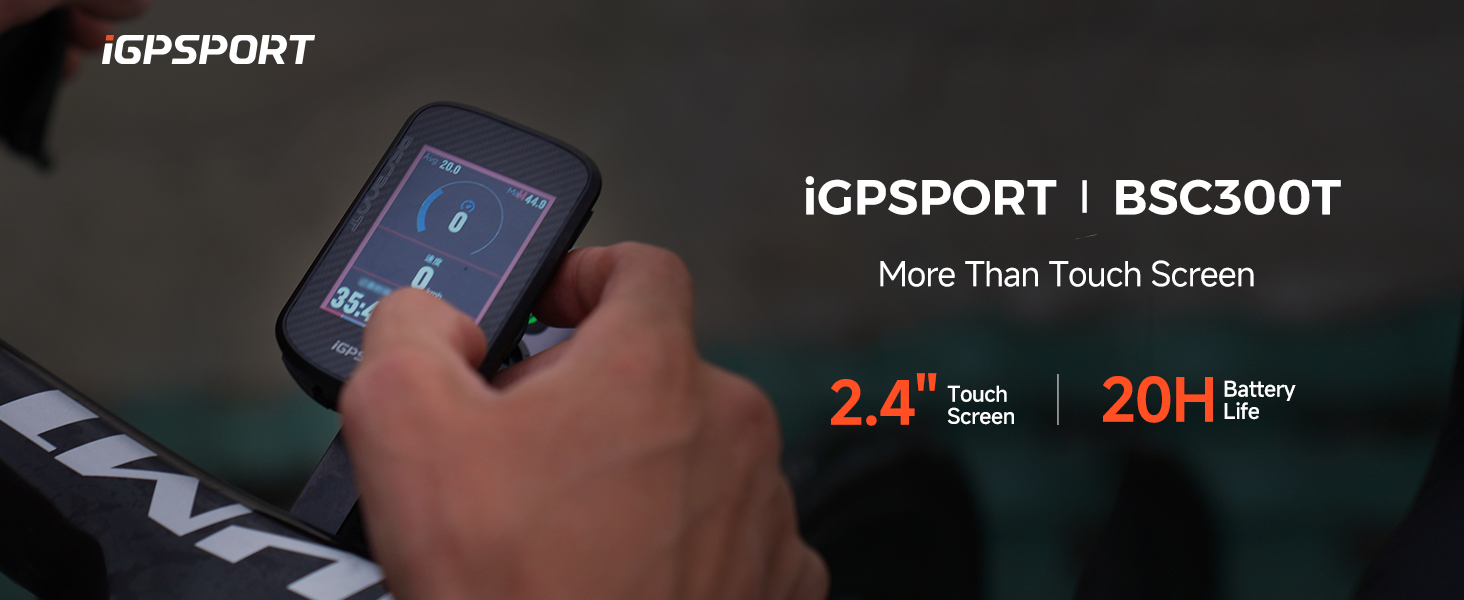
iGPSPORT BSC300T: The Budget Touchscreen Option With Maps
The iGPSPORT BSC300T brings a 2.4" color touchscreen, offline maps, and 22-hour battery to $229. A strong Bryton competitor.
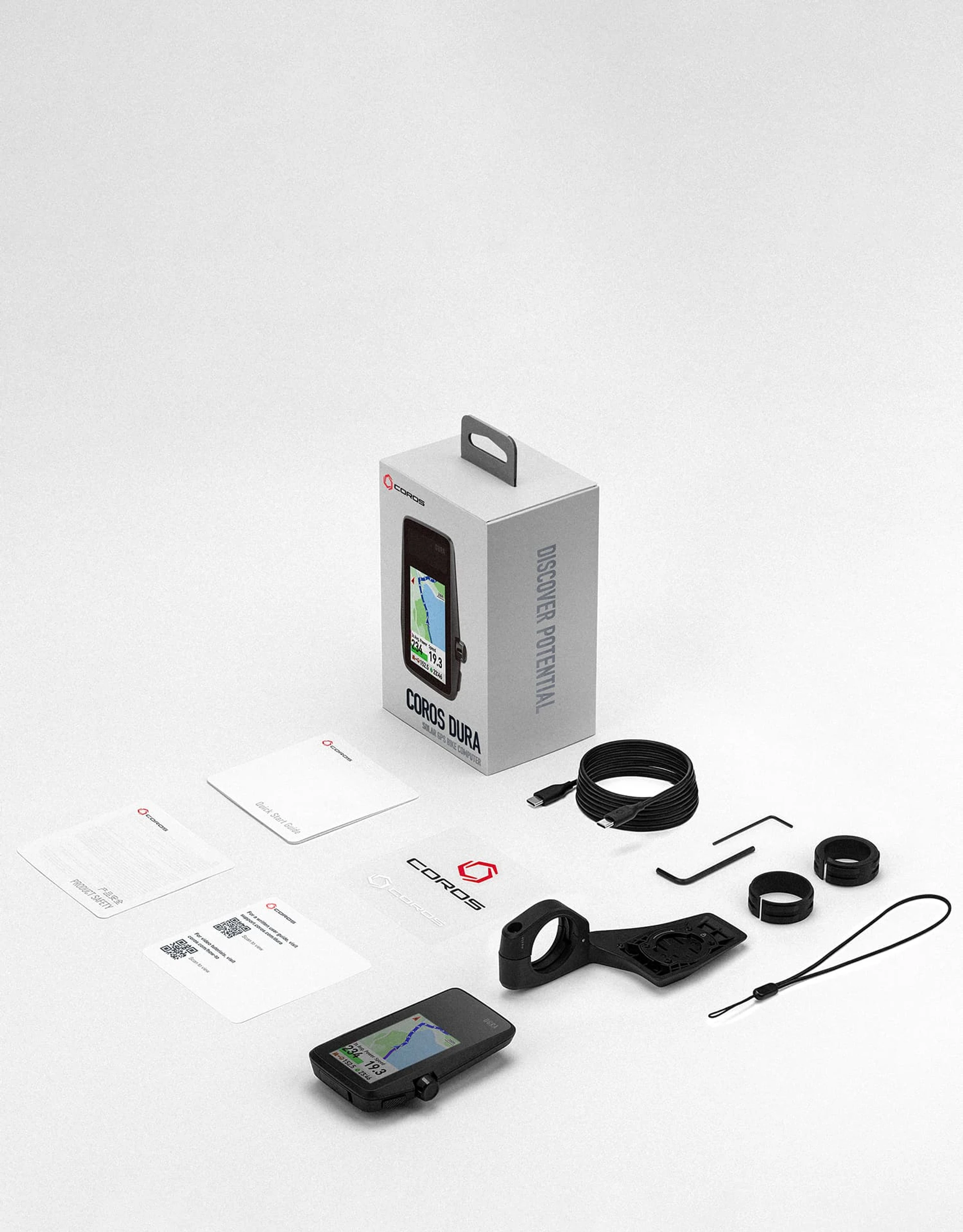
COROS Dura: Solar-Promise 120h Battery Ships as a Half-Baked Beta
MIP touchscreen, multi-band GNSS, ANT+ + Bluetooth, solar top-up, 97g. Officially 120h battery. In real-world testing the solar panel actually LOSES charge in the sun; the device routed the famous Stelvio climb as 3 separate segments; offline route re-planning draws a straight line to the destination. JoyVelo internal testing, 600 km.
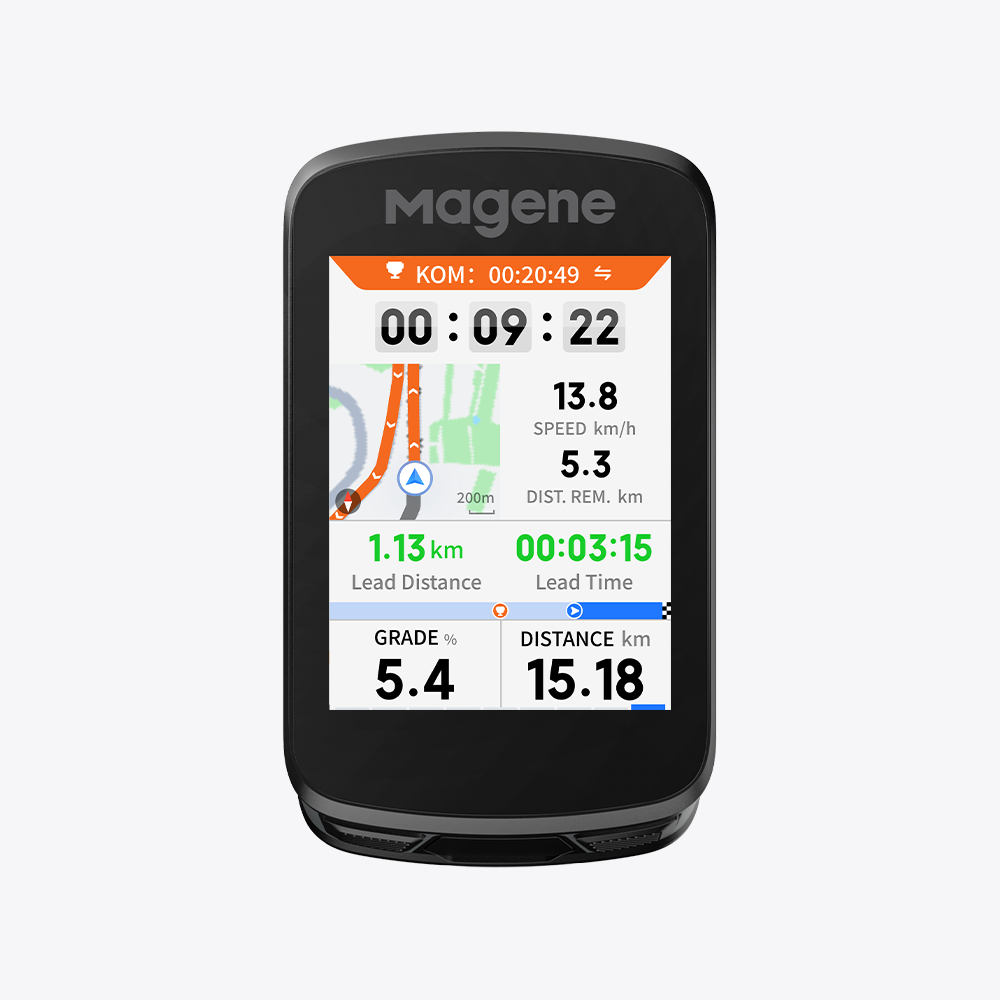
Magene C606: A Sub-$200 Bike Computer With Surprising Capabilities
The Magene C606 brings color touchscreen, ANT+/BT, and 20-hour battery to a $199 price. The new budget benchmark.
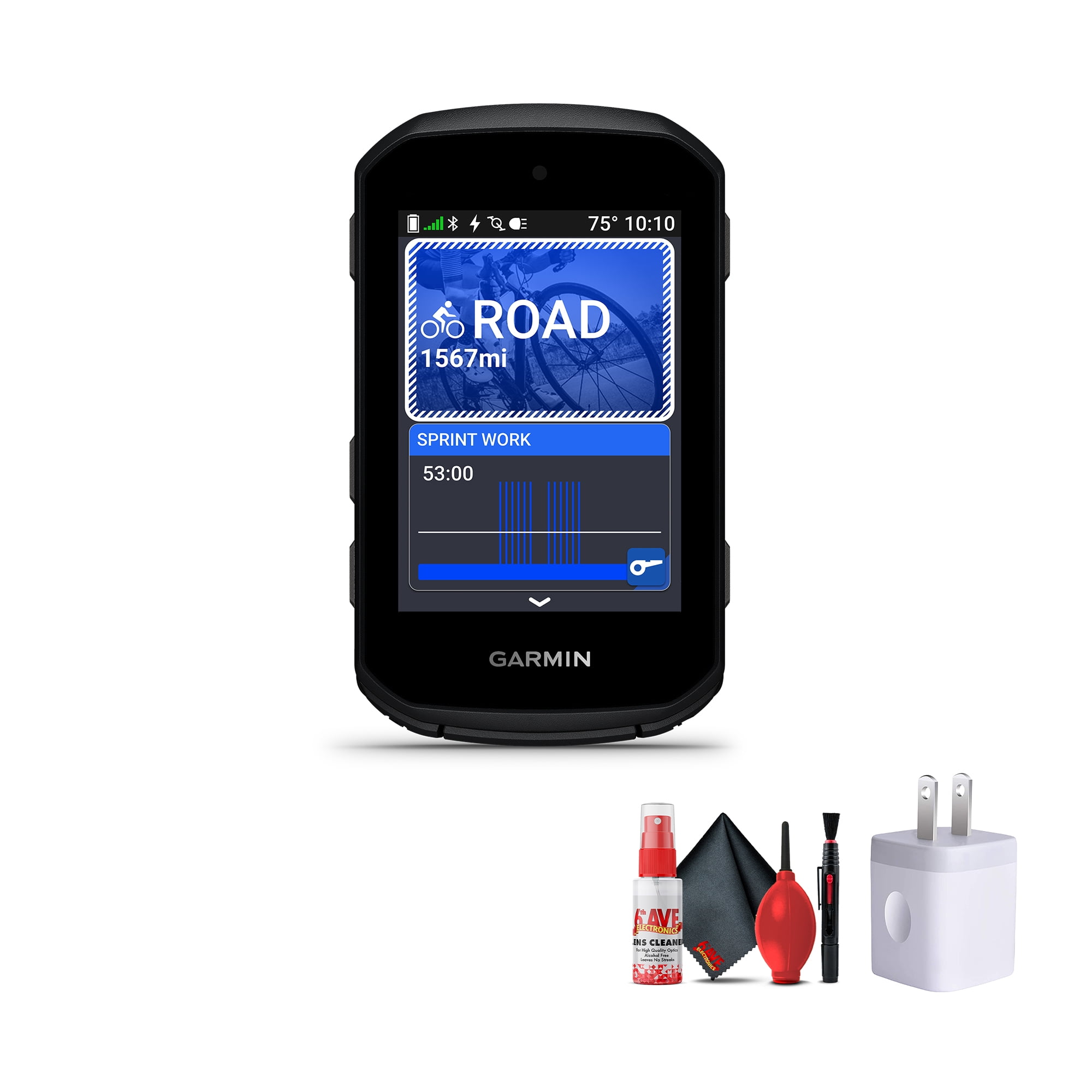
Garmin Edge 520 Plus: The Budget Veteran, Reviewed
The 2018 Garmin Edge 520 Plus brought maps, incident detection, and Strava Live Segments to $249. Discontinued in 2022, but still on the used market at $80-$120.
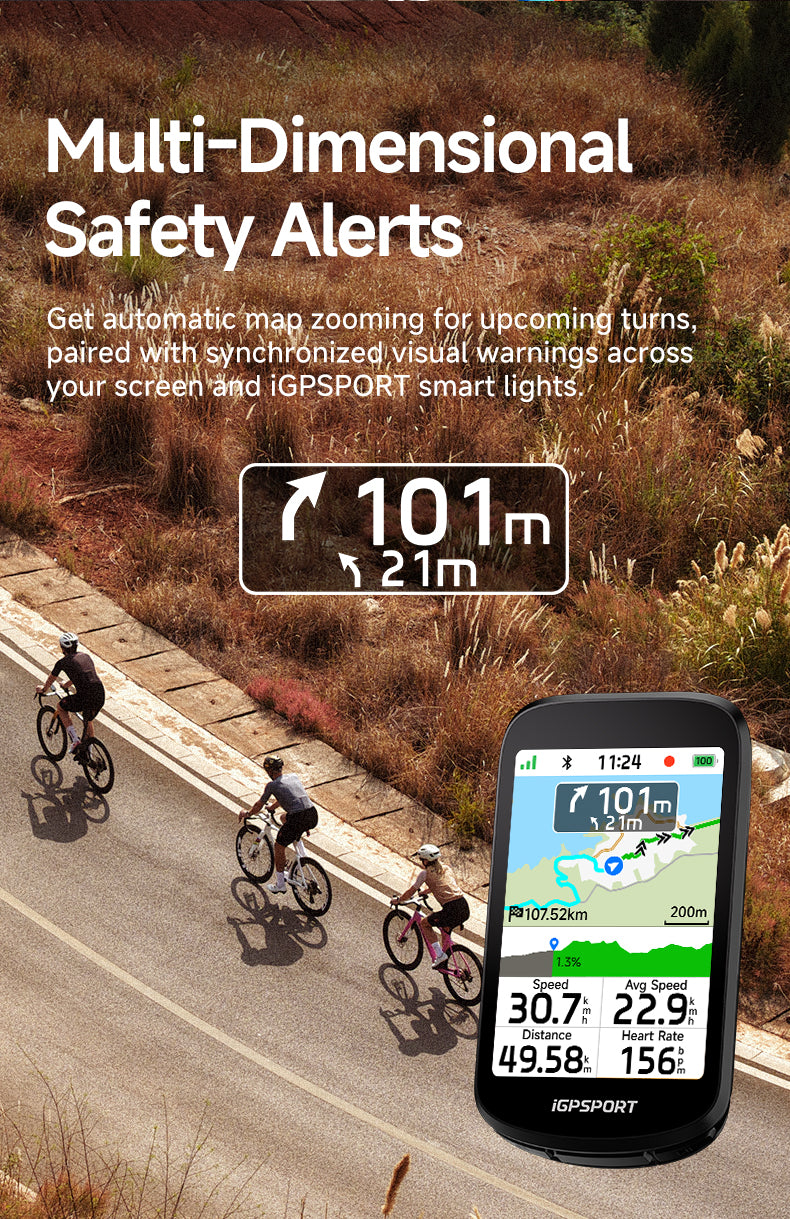
iGPSPORT BSC500: The $150 Flagship Killer With Touchscreen, Maps, and I Climb
The iGPSPORT BSC500 brings a 3.3" color touchscreen, multi-band GNSS, offline maps, I Climb climb preview, and a built-in electronic bell to $150 - the most disruptive bike computer of 2026.
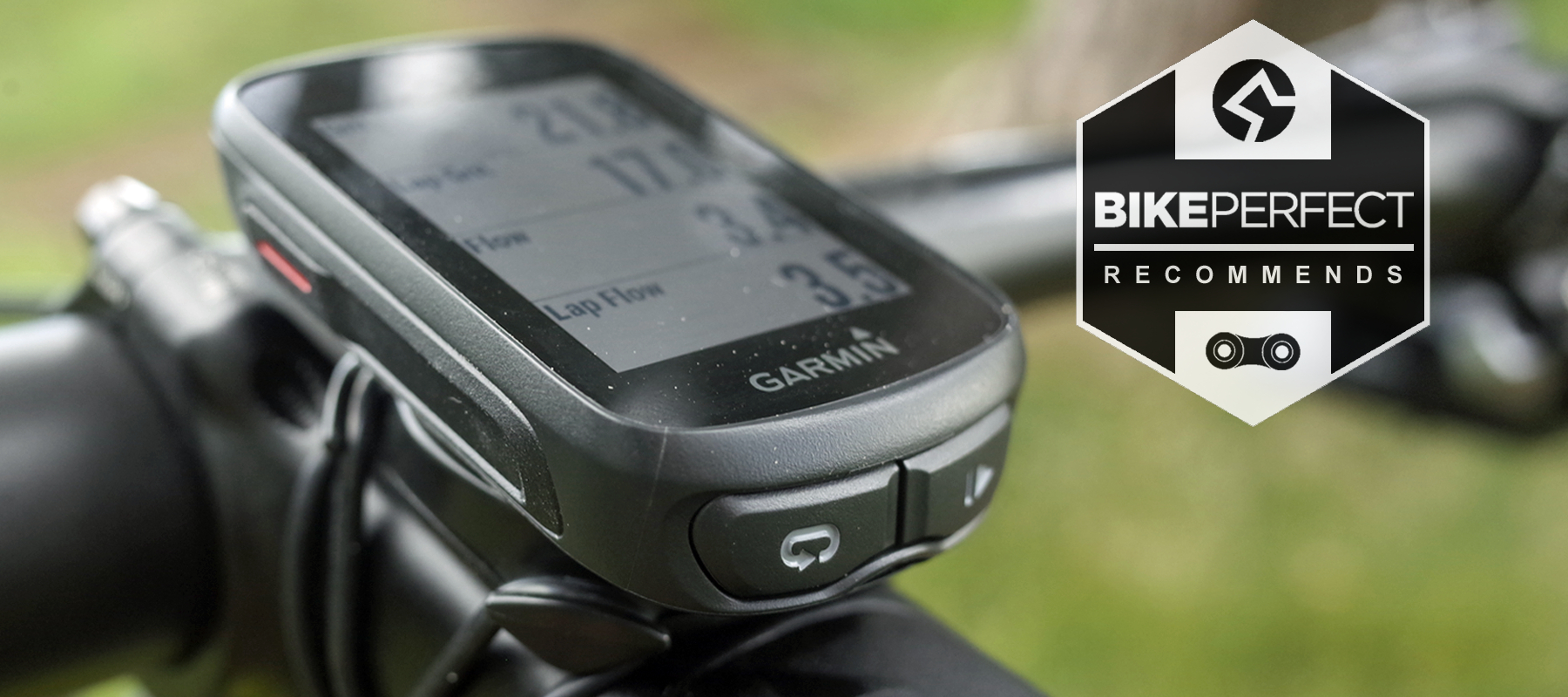
Garmin Edge 130 Plus: The Compact Perennial, Reviewed
The 2020 Garmin Edge 130 Plus is the smallest Edge with a 1.8" display, 12h battery, and $199 MSRP. Still the go-anywhere compact unit.
Verify with JoyAnalyze
Compare GPS / elevation / power data with JoyAnalyze. Stack Magene C706: Strong Specs, Stuttering UX - A Cautionary Flagship against a reference device to see which computer records more stable data with less drift.
Open multi-file compare in JoyAnalyzeSee how this fits you
The Magene C706: Strong Specs, Stuttering UX - A Cautionary Flagship is one option. Run the JoyFit assessment to see whether it actually matches your body and riding style — or compare it side-by-side with the other Bike Computersin our database.
Community
Discuss this review · Pro members can rateComments
(0)Sign in above to leave a comment.
Loading comments…
Pro Ratings
PROLoading…Sign in above to rate this product on the 8-axis $APPEALS framework.