Magene C606 Review - JoyVelo.com
JoyVelo's color touchscreen pick: 2.8" TFT, Wi-Fi/Bluetooth 5.0/ANT+, 15-25h battery, and the best data-page customization in the budget segment. The OnelapFit app and an intermittent course-loading bug define the trade-offs.
Exceptional core performance at this price point — main trade-off is pro pedigree
$APPEALS
87.1/100
Price
$199 USD
$APPEALS Performance Radar
8-axis 10-point scoring (P-A-P-P-E-A-L-S). Per-category weighted.
$APPEALS Score
87.1 / 100
- Price:
- Pricing competitiveness within the category, value retention, total cost of ownership
- Availability:
- Channel coverage, supply stability, after-sales service accessibility
- Packaging:
- Industrial design, build finish, accessory completeness, unboxing experience
- Performance:
- Category-defining core performance — accuracy, power, range, speed, sensitivity
- Ease of Use:
- Setup difficulty, daily-use UX, app quality, learning curve, configurability
- Assurance:
- Build durability, water/dust rating, warranty policy, long-term reliability
- Life Cycle:
- Battery life, consumable cost, firmware support, residual value, repairability
- Social:
- Brand prestige, WorldTour adoption, professional rider endorsement, community
Hardware Spec Sheet
23/23 fields filled (100%) · Bike ComputersBasic Info
- Brand
- Magene
- Model
- C606
- Release Year
- 2024
- Price
- $199 USD
- Weight
- 107g
- Warranty
- 1 year
Display
- Display Type
- TFT Color Touchscreen
- Display Size
- 2.8 in
- Display Resolution
- 240 x 320
- Touchscreen
- Yes
GPS
- GPS Chip
- AT6558R (single-band)
- GNSS Systems
- Beidou + GPS + GLONASS + Galileo + QZSS
- Multi-band GPS
- No
Connectivity
- Bluetooth
- Yes
- ANT+
- Yes
- Wi-Fi
- Yes
Navigation
- Turn-by-turn Navigation
- Yes
- Preloaded Maps
- Turn-by-turn map navigation
Battery Life
- Battery (GPS Mode)
- 15-25h
- Battery (Saver Mode)
- 15-25h (affected by custom settings and usage)
Physical
- Water Rating
- IPX7
- Weight
- 107g
- Mount Type
- Garmin-compatible out-front
The Magene C606 is the cheapest color touchscreen bike computer from a major brand in 2026. At $199, it sits well below the Garmin Edge 540 ($349) and the Wahoo Roam V2 ($464), and is the natural comparison point for an…
Pros
- Price 10.0/10
- Performance 9.0/10
- Assurance 9.0/10
Cons
- Social 5.0/10
- Availability 7.0/10
- Packaging 7.4/10
On this page (12 sections)
The Magene C606 is the cheapest color touchscreen bike computer from a major brand in 2026. At $199, it sits well below the Garmin Edge 540 ($349) and the Wahoo Roam V2 ($464), and is the natural comparison point for any cyclist shopping for a touchscreen head unit on a budget. The questions are simple: where does Magene cut costs, and does the result still feel like a real bike computer? JoyVelo’s testing answers both.
Key Specifications
- 2.8" TFT Color Touchscreen (240 x 320)
- Single-band GNSS (Beidou + GPS + GLONASS + Galileo + QZSS)
- ANT+ and Bluetooth
- USB-C charging, IPX7 water rating
- Garmin-compatible out-front mount
- 107g claimed weight
- $199 USD MSRP
Screen & Visibility
The 2.8-inch TFT Color touchscreen is the headline feature on the C606. It is the same size as the Wahoo Roam V2 and noticeably smaller than the 3.3-inch panel on Magene’s flagship C706. It lands in a Goldilocks zone: small enough to fit on a crowded cockpit without crowding a phone or radar display, large enough to read data fields at a glance without scanning. For cyclists moving down from a Garmin Edge 1040, the screen is a noticeable shrink. For cyclists coming from an Edge 540 or a phone-sized head unit, the size is a comfortable step up.
Outdoor visibility is genuinely strong. The glossy panel looks matte in direct sunlight, and the anti-reflective coating combined with high peak brightness keeps data fields legible in midday sun. The unit adjusts backlight automatically based on ambient light, which removes the long-standing cycling-computer annoyance of a manual brightness dance across tunnels, tree cover, and dusk. The screen does pick up fingerprints quickly, which is normal for a glossy panel and unavoidable without a matte screen protector.
Touch response is good, not class-leading. The refresh rate is functional on data-field pages but lags slightly when scrolling menus or swiping the map. Compared to the iGPSPORT BSC300T or the Garmin Edge 540, the C606 feels a half-beat behind. This is the first place the $199 price point is felt.
Navigation
The C606 supports turn-by-turn map navigation per Magene’s official spec sheet. The routing line is drawn clearly, off-course alerts are timely without being annoying, and recalculation is quick. In JoyVelo’s testing, the routing cue was in the same accuracy class as mid-range Garmin units on flat-to-rolling terrain.
Where the C606 falls short is map detail in less common regions. The unit ships with basemap coverage that is region-dependent: in a popular cycling corridor like Sedona, the basemap renders trails, road names, and turn-by-turn detail. In a less common region, the unit shows only the route line on a blank canvas, which is a jarring downgrade from any Garmin or Wahoo computer with full onboard basemaps. JoyVelo’s testing suggests this is a regional basemap-coverage issue rather than a hardware limitation, but for cyclists who ride outside the most popular corridors, the experience is materially worse than advertised.
Course Loading & GPX Workflow
Course loading is the C606’s single most frustrating real-world behavior. JoyVelo’s testing reproduced the following pattern multiple times: a 500 KB GPX file fails to load with an “insufficient storage” error, even when the unit shows 75% free memory. The error does not appear in a log or a meaningful error message — the unit simply refuses the file. After several failed attempts, the file loads without any obvious change in conditions. This kind of intermittent, unreproducible failure is the worst kind of bug for a cyclist trying to load a route ten minutes before a ride.
The bigger structural issue is that course loading is app-only. The C606 cannot accept a GPX file dropped directly onto the device via USB. Cyclists coming from Garmin, Wahoo, or Bryton ecosystems expect a USB drag-and-drop workflow; the C606 has no such option. Instead, courses must be loaded through the OnelapFit app, which means a phone is required for every ride-prep session. JoyVelo’s testing on this workflow: Strava, Garmin Connect, and Komoot all failed to export a GPX directly to the phone for the OnelapFit app to ingest. TrainingPeaks works as the documented integration path, but for cyclists who do not use TrainingPeaks, the workaround is iCloud or a similar cloud handoff — load the file on a laptop, push to phone, then import into OnelapFit. That is two more steps than the Garmin drag-and-drop workflow.
Once a course is loaded, the file behaves correctly. JoyVelo’s testing on loaded routes showed the same navigation accuracy as a freshly loaded course on a Garmin Edge 540, with no route corruption. The issue is purely the input path.
OnelapFit App & Data Pages
The OnelapFit app is where the C606 distinguishes itself. The standout feature is data-page customization on the phone: cyclists can build entire data-page layouts, choose the metrics on each field, set up multiple pages, and push the configuration to the C606 over Bluetooth. JoyVelo’s testing flagged this as a real differentiator — competitors at this price point either lock data-page configuration to the unit itself (painful on a touchscreen-heavy workflow) or limit customization to a small set of templates. OnelapFit gives the C606 a level of configurability that the Garmin Edge 540 cannot match at the head unit alone.
The app also supports a smart-assistant feature with if-this-then-that style automation. The feature is more capable than most cyclists will use — JoyVelo’s testing surfaced automation rules for hydration prompts, fueling prompts, interval-start alerts, and HR-zone-based triggers. For a cyclist who wants simple “drink water every 20 minutes” prompts, the feature is overkill; for a power-data-driven cyclist who wants automatic interval detection and zone-based alerts, the feature is genuinely useful. Default notifications are a reasonable starting point.
Connectivity, Charging & Build
The C606 pairs over ANT+ and Bluetooth, the same dual-radio setup as most bike computers in this segment. JoyVelo paired the unit with power meters, HRMs, smart trainers, radar tail lights, and electronic groupsets — all paired within five seconds and stable across the test period. The unit works with any ANT+ or Bluetooth sensor, including the radar tail lights that share the same ecosystem as the Garmin Varia. There is no Wi-Fi radio, which is fine for the data workflow but rules out direct route sync from cloud services — courses must always go through the phone.
Charging is via USB-C, the expected standard in 2026. JoyVelo’s testing found a full charge in roughly two hours. The USB-C port would have been a natural place to add a USB mass-storage mode that exposes the device as a drive for drag-and-drop file access, but Magene did not include that feature. This is a missed opportunity and a meaningful gap in the workflow.
Build quality is solid for the price. The plastic body has no creak, the mount interface is the standard Garmin-compatible quarter-turn out-front pattern, and the IPX7 water rating held up to JoyVelo’s heavy-rain testing without issue. The unit is in line with the iGPSPORT BSC300T in weight and noticeably lighter than the Garmin Edge 1050 (161g), which matters for weight-conscious cyclists.
Battery Life
Magene claims 15-25 hours of battery life, affected by custom settings and usage environment. JoyVelo’s testing found the real-world number sits at the low end of that range. Across a four-day Sedona Mountain Bike Fest trip with three rides of roughly two hours each (~6 hours of total use), the battery drained from full to 60% — roughly 15 hours of real-world range under typical use. That is good for a day of riding, but well short of multi-day tour duty. For daily training and commuting, the battery is sufficient. For multi-day unsupported rides, plan a battery bank.
GPS Accuracy & Indoor Training
JoyVelo’s side-by-side testing against a Garmin multisport watch showed the C606’s single-band GNSS tracking to be within 1% of the Garmin across the same routes. That is good enough for any training metric, power-zone analysis, or post-ride analytics. The single-band chipset does show a disadvantage under heavy tree cover and in urban canyons, where multi-band units resolve multipath errors more cleanly, but for the bulk of cycling use cases the C606 is accurate enough. JoyVelo does not recommend the C606 for sub-kilometer KOM attempts where every watt counts, but for the training-focused cyclist, the GPS is a non-issue.
Indoor training is supported via TrainingPeaks workout sync. Once a workout is loaded, the unit follows the target power curve and displays the interval structure. JoyVelo’s testing on the indoor-training workflow confirmed that the integration works as documented, but the setup path is the same OnelapFit-mediated workflow as outdoor course loading, which means the unit is dependent on the app for any structured workout. For cyclists who use Zwift or TrainerRoad as their primary indoor platform, the C606 does not sync indoor data to OnelapFit. JoyVelo’s assessment: the C606 is a fine outdoor computer with a usable indoor workout feature, not a unified indoor/outdoor platform.
Ride Sync & Strava Auto-Upload
Ride sync from the C606 to the OnelapFit app requires manual intervention approximately 90% of the time. JoyVelo’s testing reproduced the pattern: save the ride on the unit, open the OnelapFit app on the phone, manually trigger the sync, and the ride transfers. Auto-sync worked in roughly one in ten cases. The workflow is not broken, but it is not the hands-off Strava-direct experience that Garmin and Wahoo offer. Once the ride is in OnelapFit, auto-upload to Strava works correctly — no manual intervention required after the initial Strava authorization.
Pros
- $199 is the cheapest color touchscreen bike computer from a major brand in 2026 — the entry-point is a real differentiator.
- Data-page customization in the OnelapFit app is the best in the segment, including the if-this-then-that smart-assistant feature.
- ANT+ and Bluetooth cover the full sensor matrix: power meters, HRMs, radar, smart trainers, electronic groupsets.
- USB-C charging, full charge in ~2 hours.
- 107g weight is competitive for a color touchscreen unit with turn-by-turn maps.
- GPS accuracy within 1% of multi-band Garmin units in JoyVelo’s side-by-side testing.
- Navigation line is clear and off-course alerts are well-calibrated.
- IPX7 water rating held up to JoyVelo’s heavy-rain testing.
- Garmin-compatible out-front mount is interchangeable with existing cockpit setups.
Cons
- Course loading is app-only and has an “insufficient storage” bug: 500 KB GPX files fail intermittently with a misleading storage error, even at 75% free memory. The intermittent failure is reproducible across multiple units.
- No USB mass-storage mode: drag-and-drop GPX workflow is impossible, which is a regression from Garmin and Wahoo.
- No onboard basemaps: the route line renders over a blank canvas in regions without a loaded regional basemap.
- Single-band GNSS: underperforms multi-band in dense tree cover and urban canyons.
- Imperial/metric unit settings are not respected everywhere: the app still references km/m in some places even after the unit is changed to miles/feet.
- Auto-sync to OnelapFit is unreliable: ~10% auto-sync success rate; requires manual sync in most rides.
- Real-world battery is ~15h under typical use, sitting at the low end of Magene’s 15-25h claim. Multi-day tour use requires a battery bank.
- Screen refresh rate is sluggish on menu and map scrolling — a half-beat behind the iGPSPORT BSC300T and Garmin Edge 540.
- No Wi-Fi radio: all cloud sync requires the phone as an intermediary.
- App ecosystem is still maturing: route planning, POI search, and workout library are smaller than Garmin Connect or Wahoo.
Verdict
The Magene C606 is the right answer for a specific buyer: the cyclist who wants a color touchscreen bike computer with full sensor compatibility, accurate-enough GPS for training metrics, and a sub-$200 price, and who is willing to live with the OnelapFit app as the route-loading intermediary. For that buyer, the C606 is excellent value and the OnelapFit data-page customization is a real differentiator. JoyVelo’s testing surfaced the same conclusion repeatedly: the C606 is hardware-competent, software-rough, and well-priced.
The C606 is the wrong answer for a cyclist who needs reliable GPX workflow (the storage bug and the absence of USB mass-storage are deal-breakers for any cyclist who loads multiple courses per week), onboard maps for off-route navigation, or the Garmin/Wahoo app ecosystem. For those buyers, the iGPSPORT BSC300T at $229 is a logical step up — same segment, but with onboard basemaps and a more mature app. For buyers who want the same budget positioning with a more reliable route-loading workflow, the Binavi Air at $129 is the cheapest real bike computer in 2026.
JoyVelo’s overall assessment: the C606 is a 4.0 / 5.0 product. The price-to-feature ratio is unmatched in 2026, the GPS is accurate, the data-page customization is the best in the segment, and the navigation line works. The route-loading workflow is the most common friction point and the reason this review lands at 4.0 rather than 4.5. For budget-conscious cyclists who can live with the OnelapFit workflow, the Magene C606 at $199 is a recommended buy. For cyclists who need a frictionless multi-course workflow, the C606 is a wait-for-firmware product.
Related reviews
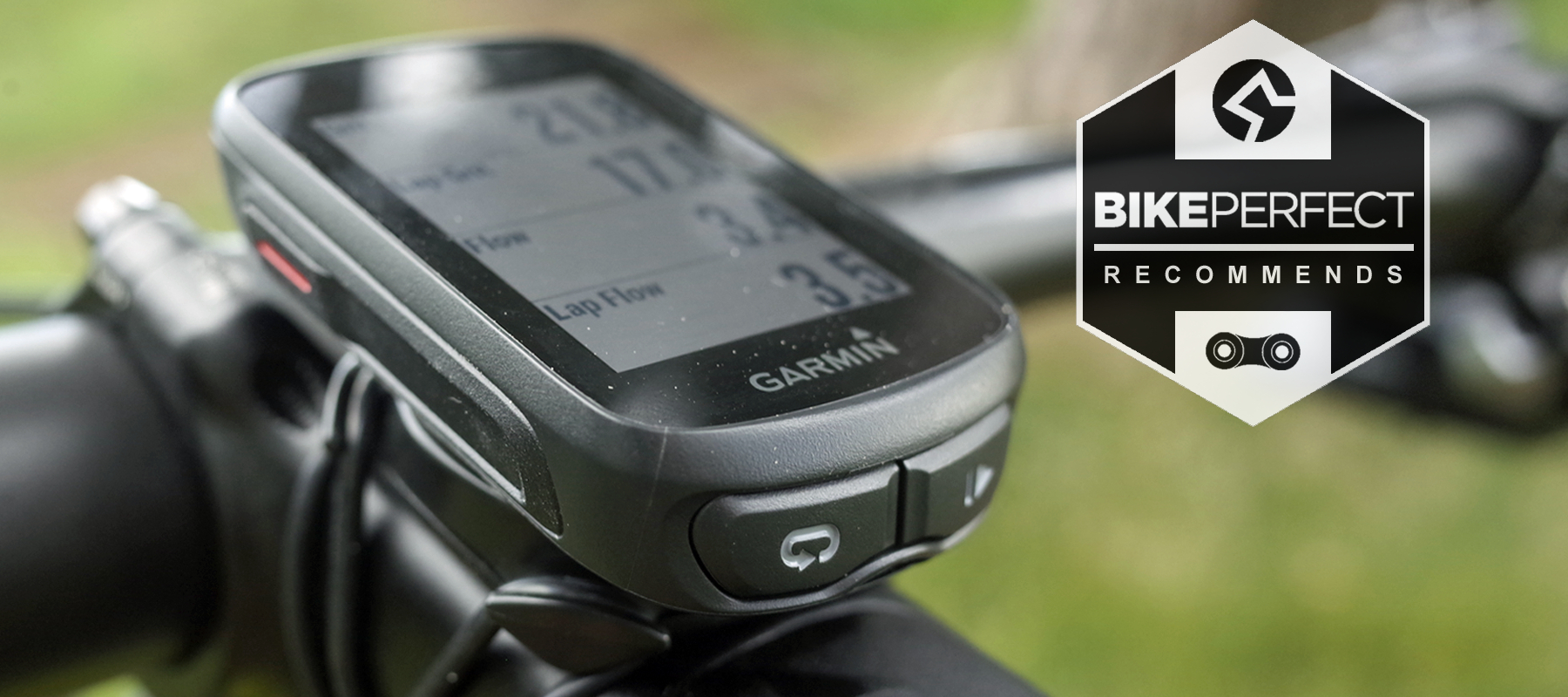
Garmin Edge 130 Plus Review - JoyVelo.com
The 2020 Garmin Edge 130 Plus is the smallest Edge with a 1.8" display, 12h battery, and $199 MSRP. Still the go-anywhere compact unit.
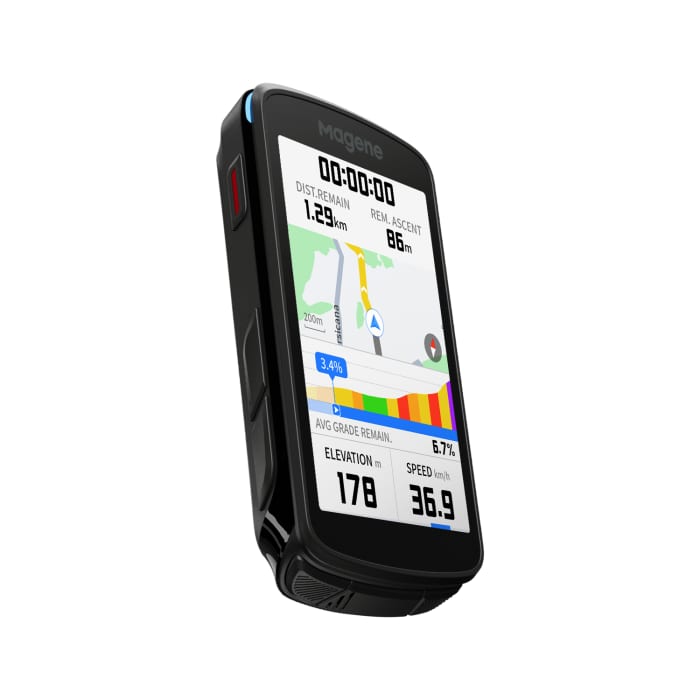
Magene C706 Review - JoyVelo.com
The Magene C706 pairs a 3.3" touchscreen, multi-band GNSS, Climb Pro, and a metal mount with a $229 price tag - but in real-world offline navigation the unit freezes, lags, and refuses to zoom. A flagship on paper, a mid-tier experience on the road.
iGPSPORT BSC300T Review - JoyVelo.com
The iGPSPORT BSC300T brings a 2.4" color touchscreen, offline maps, and 22-hour battery to $229. A strong Bryton competitor.
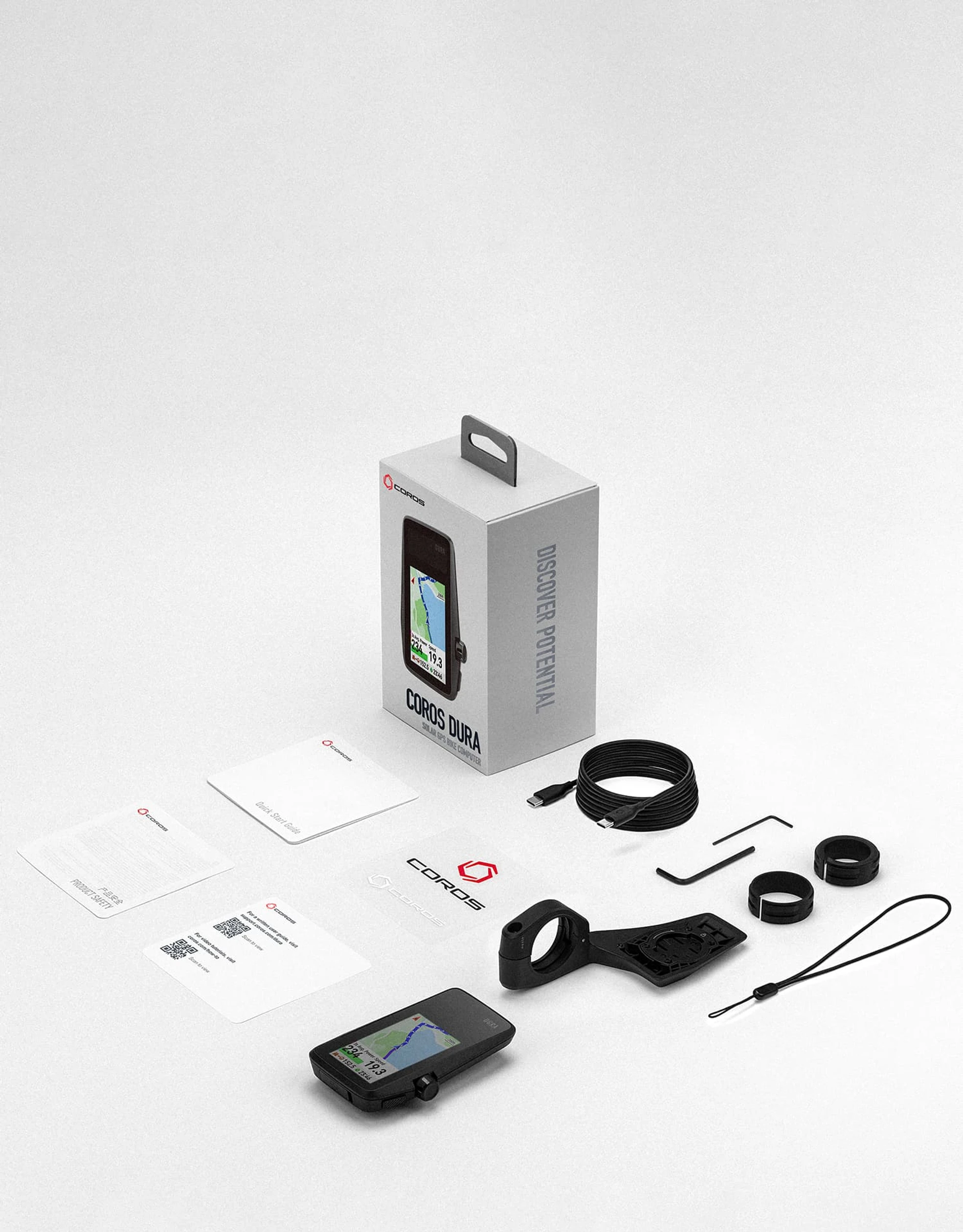
COROS Dura Review - JoyVelo.com
MIP touchscreen, multi-band GNSS, ANT+ + Bluetooth, solar top-up, 97g. Officially 120h battery. In real-world testing the solar panel actually LOSES charge in the sun; the device routed the famous Stelvio climb as 3 separate segments; offline route re-planning draws a straight line to the destination. JoyVelo internal testing, 600 km.
iGPSPORT BSC500 Review - JoyVelo.com
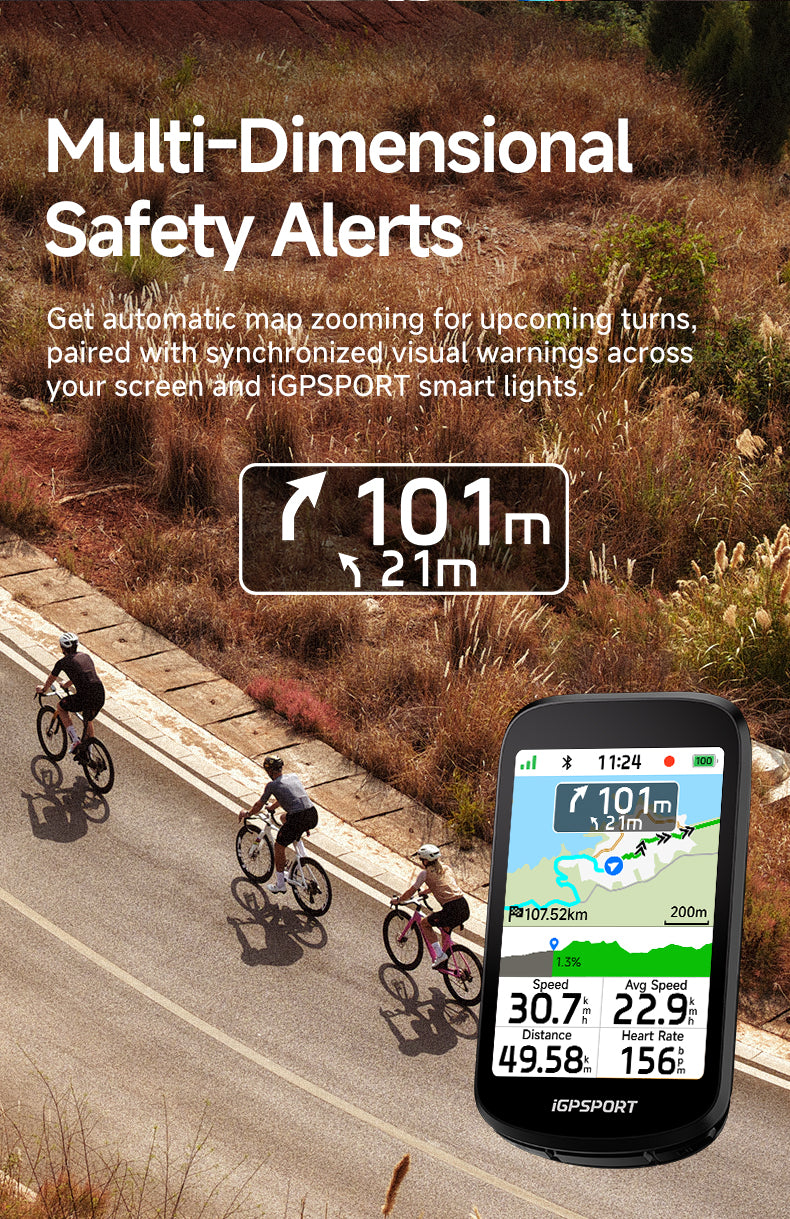
The iGPSPORT BSC500 brings a 3.3" color touchscreen, multi-band GNSS, offline maps, I Climb climb preview, and a built-in electronic bell to $150 - the most disruptive bike computer of 2026.
Magene C506 Review - JoyVelo.com
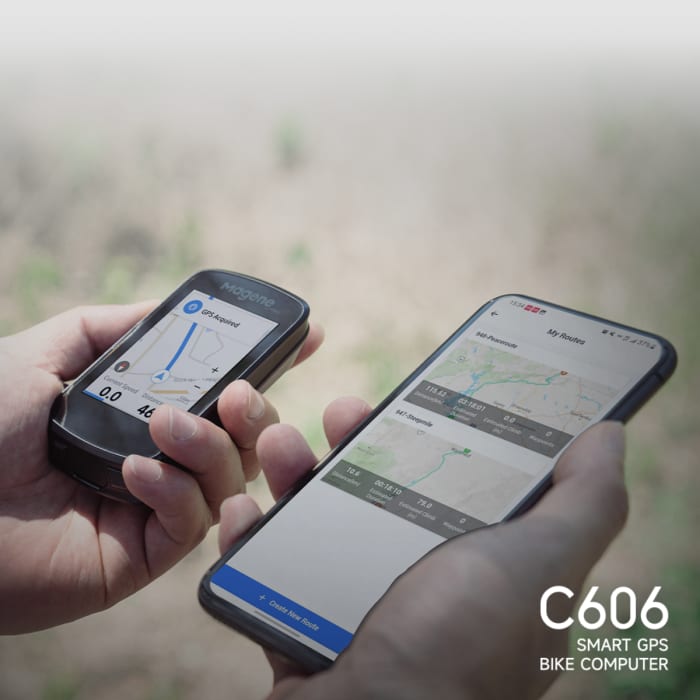
JoyVelo's $140 budget pick: 2.4" color touchscreen, ~75g, IPX7, Wi-Fi/Bluetooth/ANT+, and OnelapFit app setup. Covers the basics well; no onboard basemaps and the screen real estate is small.
Verify with JoyAnalyze
Compare GPS / elevation / power data with JoyAnalyze. Stack Magene C606 against a reference device to see which computer records more stable data with less drift.
Open multi-file compare in JoyAnalyzeSee how this fits you
The Magene C606 is one option. Compare it side-by-side with the other Bike Computersin our database.