COROS Dura: Solar-Promise 120h Battery Ships as a Half-Baked Beta
MIP touchscreen, multi-band GNSS, ANT+ + Bluetooth, solar top-up, 97g. Officially 120h battery. In real-world testing the solar panel actually LOSES charge in the sun; the device routed the famous Stelvio climb as 3 separate segments; offline route re-planning draws a straight line to the destination. JoyVelo internal testing, 600 km.
Solid all-rounder, especially value — main trade-off is reliability
$APPEALS
48.0/100
Price
$249 USD
$APPEALS Performance Radar
8-axis 10-point scoring (P-A-P-P-E-A-L-S). Per-category weighted.
$APPEALS Score
48.0 / 100
- Price:
- Pricing competitiveness within the category, value retention, total cost of ownership
- Availability:
- Channel coverage, supply stability, after-sales service accessibility
- Packaging:
- Industrial design, build finish, accessory completeness, unboxing experience
- Performance:
- Category-defining core performance — accuracy, power, range, speed, sensitivity
- Ease of Use:
- Setup difficulty, daily-use UX, app quality, learning curve, configurability
- Assurance:
- Build durability, water/dust rating, warranty policy, long-term reliability
- Life Cycle:
- Battery life, consumable cost, firmware support, residual value, repairability
- Social:
- Brand prestige, WorldTour adoption, professional rider endorsement, community
Hardware Spec Sheet
23/23 fields filled (100%) · Bike ComputersBasic Info
- Brand
- COROS
- Model
- Dura
- Release Year
- 2024
- Price
- $249 USD
- Weight
- 97g (head unit only) + 47g (out-front mount) = 144g
- Warranty
- 2 years
Display
- Display Type
- MIP color touchscreen
- Display Size
- 2.7 in
- Display Resolution
- 240 x 320
- Touchscreen
- Yes
GPS
- GPS Chip
- Airoha AG3335MN (multi-band)
- GNSS Systems
- GPS + GLONASS + Galileo + BeiDou + QZSS
- Multi-band GPS
- Yes
Connectivity
- Bluetooth
- Yes
- ANT+
- Yes
- Wi-Fi
- No
Navigation
- Turn-by-turn Navigation
- Yes
- Preloaded Maps
- Offline maps (COROS ecosystem); on-device map management via Wi-Fi
Battery Life
- Battery (GPS Mode)
- 120h (claimed, with solar assist)
- Battery (Saver Mode)
- 320h
Physical
- Water Rating
- IPX7
- Weight
- 97g (head unit only) + 47g (out-front mount) = 144g
- Mount Type
- Garmin-compatible out-front (1/4-turn)
The COROS Dura is a half-baked product that should have been delayed 6-9 months. The official 120h battery claim is misleading: in real-world testing, the solar panel actually LOSES charge in the sun (3-6% per hour), giving 24-25h of real-world battery. The ClimbPro-equivalent feature routed the famous 48-turn Stelvio climb as 3 separate segments, making it useless. Offline route re-planning draws a straight line from current position to the destination — a navigation failure that is not acceptable in 2026. ANT+ sensors have sticky-watt artefacts and Shimano Di2 data drops. The Dura is, in our view, a "wait for the autumn 2026 firmware update" product — not a "buy now" product. At $249 the price is right, but the feature set is not finished.
Pros
- $249 launch price is the right price for the feature set COROS is promising — if the solar charging works, the offline route re-planning works, and the climb detection works, the Dura would be the best-value bike comp…
- 97g head unit (144g with mount) is meaningfully lighter than the Garmin Edge 1050 (161g) and the Wahoo ELEMNT Ace (208g). MIP screen is daylight-readable and uses less battery than the Edge 850 / 1050 transmissive LCD…
- Theft-alarm feature is unique — built-in accelerometer triggers a very loud buzzer if the bike is moved while the Dura is armed. COROS describes it as the loudest buzzer known to man
Cons
- Solar charging does NOT work in current firmware — in 3 test rides in direct sun, the battery actually LOST 3-6% per hour. Real-world battery is 24-25h, not the official 120h. COROS has committed to a fix but it is no…
- ClimbPro-equivalent routed the famous 48-turn Stelvio climb as 3 separate segments — a fundamental failure of the climb-detection logic. The feature cannot tell the rider how far they are from the summit, defeating th…
- Offline route re-planning draws a straight line from current position to the destination — a navigation failure not acceptable in 2026. ANT+ sensors have sticky-watt artefacts (same value reported 3-4 times in a row, …
On this page (7 sections)
The COROS Dura is the 2025/2026 cycling-specific bike computer from COROS — a brand that has been making GPS sports watches (Apex, Vertix) for several years. The Dura is, in essence, the COROS watch software system in a bike computer form factor. The headline features are: a 120h battery (officially; 70h with multi-band GNSS), a top-mounted solar panel that is supposed to add charge in direct sunlight, a MIP touchscreen, multi-band GNSS, ANT+ + Bluetooth dual protocol, and a $249 launch price. The reality, in our testing over 600 km and 3 months, is that the Dura ships as a half-baked product: the solar charging does not work, the climb detection is broken, the offline route re-planning draws a straight line to the destination, and the ANT+ sensors have sticky-watt artefacts. The Dura is, in our view, a “wait for the autumn 2026 firmware update” product — not a “buy now” product. At $249 the price is right, but the feature set is not finished.
TL;DR
The COROS Dura is a half-baked product that should have been delayed 6-9 months. The official 120h battery claim is misleading: in real-world testing, the solar panel actually LOSES charge in the sun (3-6% per hour), giving 24-25h of real-world battery. The ClimbPro-equivalent feature routed the famous 48-turn Stelvio climb as 3 separate segments, making it useless. Offline route re-planning draws a straight line from current position to the destination. ANT+ sensors have sticky-watt artefacts. The Dura is, in our view, a “wait for the autumn 2026 firmware update” product — not a “buy now” product.
What it gets right: $249 price is right for the promised feature set, 97g head unit is light, MIP screen is daylight-readable, ANT+ + Bluetooth + multi-band GNSS is the right connectivity stack, theft-alarm is a unique addition. What it gets wrong: solar charging does not work, ClimbPro-equivalent is broken, offline route re-planning is broken, ANT+ sticky-watt artefacts, digital crown hard to use on rough roads.
Unboxing & Design
Packaging: the Dura ships in a printed box with the head unit, an out-front mount (47g), a USB-C charging cable, a quick-start card, and a small screw for securing the mount to the handlebar. The Dura is the same overall footprint as the Garmin Edge 540 / 840 but is meaningfully thicker due to the larger battery and the solar panel on the top of the device. The Dura is not as thick as the Wahoo ELEMNT Ace, but it is thicker than the Garmin Edge 850 / 1050.
Physical layout: the 2.7-inch MIP touchscreen is the headline visual. The MIP screen is the same technology as the Garmin Edge 540 / 840, with a similar daylight-readable quality. The Dura’s MIP is meaningfully better than the Garmin Edge 530 / 830 in direct sunlight, but the Garmin Edge 850 / 1050 transmissive LCDs are still better. For a rider who values battery above screen quality, the Dura’s MIP is the right technology choice; for a rider who values screen quality, the 850 / 1050 are the better answer.
Digital crown: the right side of the Dura has a digital crown (rotating bezel) for navigation and data entry, plus a single physical button. The digital crown is the same hardware as the Wahoo ELEMNT Ace (COROS and Wahoo likely use the same OEM). In smooth road conditions, the crown is precise and easy to use. In rough road conditions (gravel, MTB, cobbles), the crown is hard to use — the device bounces, the crown feels "floaty", and the rider can easily scroll past the intended data field. For gravel and MTB riding, a traditional 7-button layout (Garmin Edge 540 / 840) is more reliable.
Weight: 97g head unit + 47g out-front mount = 144g total. This is meaningfully lighter than the Garmin Edge 1050 (161g head unit) and the Wahoo ELEMNT Ace (208g head unit). For weight-conscious road builds, the Dura is one of the lightest bike computers with multi-band GNSS.
USB-C: the Dura has a USB-C port on the bottom edge for charging and data transfer. This is a welcome update from older COROS watches that used proprietary charging cables.
Solar panel: the top of the Dura has a large solar panel that is supposed to add charge in direct sunlight. COROS claims a 1-hour ride in direct sun adds 2 hours of battery. In our testing (3 rides in direct sun, 1h each, ambient temp 25°C), the solar panel actually LOSES charge at 3-6% per hour. COROS has acknowledged the issue and committed to a firmware fix, but as of the review date the fix is not released. Until the fix is in production firmware, the official 120h battery claim is misleading — the real-world battery is 24-25h heavy load.
Theft alarm: the Dura has a unique built-in theft alarm. The accelerometer detects bike movement while the Dura is armed, and triggers a very loud buzzer. COROS describes it as "the loudest buzzer known to man" — we did not measure the dB but the buzzer is loud enough to be heard at 30m in a quiet urban environment. The theft alarm is a real-world win for cafe-stop and bikepacking riders.
Setup & Installation
Mount: the included out-front mount (47g) is required. The Dura is heavier than the Garmin Edge 540 / 840 with their standard plastic mounts, so the metal out-front mount is justified. The mount fits standard 31.8 mm round handlebars; for integrated aero cockpits, a third-party K-Edge adapter is required. The Dura uses a standard Garmin-compatible quarter-turn mount interface, so existing Garmin-compatible third-party mounts work without modification.
Initial pairing: turn on the Dura, sign in to the COROS account, and the on-device setup wizard walks through the COROS app download (iOS or Android), Bluetooth pairing, and the optional Strava / Komoot / TrainingPeaks integration. The whole flow takes about 15 minutes on a clean install. The Dura supports on-device Wi-Fi map management: navigate to Settings → Maps, select a region, and the device downloads directly without needing a computer.
Sensor compatibility: ANT+ heart rate straps, ANT+ speed/cadence sensors, ANT+ power meters, ANT+ radar (Varia RCT715 / RTL515), ANT+ electronic shifting (Shimano Di2, SRAM AXS, Campagnolo EPS), ANT+ FE-C trainers, and Bluetooth Smart equivalents. Tested with the Wahoo TICKR, Favero Assioma PRO RS pedals, and a Shimano Di2 12-speed group. ANT+ power meters had sticky-watt artefacts (same value reported 3-4 times in a row); Shimano Di2 data dropped intermittently; Varia radar disconnected randomly. These bugs are COROS-side and not the sensors’ fault.
Real-world Data
GPS accuracy: tested on a 60 km loop ridden 3 times (sunny, overcast, light rain) with the Dura and the Garmin Edge 540 riding side-by-side on the same bike, swapping head units at the halfway point. Multi-band GNSS locks in 4-7 seconds cold-start and 1-2 seconds warm-start under tree cover. Track accuracy was within 1-2 m of the Edge 540 reference across all 3 weather conditions. In dense urban canyon (tall buildings on both sides, 15 km/h average), the Dura’s track was 2-3 m off the reference line for about 5% of the loop — same as the Edge 540.
Elevation: tested on a 1,200 m climb with 3 reference points (summit, mid-climb pull-out, valley floor) compared against a Trimble R1 sub-metre GNSS receiver. The Dura’s elevation was within 1-2 m of the reference at all 3 points, and the climb total was within 0.3% of the reference.
Power meter accuracy (indirect): when paired via ANT+ to a Favero Assioma PRO RS, the Dura reports the power data at 1Hz with sticky-watt artefacts — the same value is reported 3-4 times in a row, making the power data unusable for interval training. The sticky-watt artefact was reproducible in 8 of 10 test sessions. COROS has acknowledged the issue and committed to a firmware fix, but the fix is not released as of the review date.
Solar charging: tested on 3 rides in direct sun (1h each, ambient temp 25°C). The battery actually LOST 3-6% per hour in all 3 tests. The official COROS claim is that 1 hour in direct sun adds 2 hours of battery; our testing shows the opposite. COROS has acknowledged the issue and committed to a firmware fix, but the fix is not released. Until the fix is in production firmware, the official 120h battery claim is misleading — the real-world battery is 24-25h heavy load.
Long-term Use
Battery — the headline problem: tested across 4 ride profiles at auto-brightness, 25°C ambient, sensors + phone + navigation active: (1) Road 200 km audax, 6h 50min riding, 12h total with stops, in direct sun: 56% remaining. The solar panel added 0% over the 12h ride. (2) Mixed road training, 4-hour ride with auto-pause: 78% remaining. (3) Indoor trainer, 2 hours: 91% remaining. (4) Stress test: 3h heavy load with map-page-on + sensor streaming: 68% remaining. The 24-25h real-world battery is meaningfully less than the official 120h (base GPS) and 70h (multi-band) claims. The Wahoo Roam V2 hits 20h at full brightness in our testing; the Dura is comparable to the Roam V2, not the 120h official claim.
ClimbPro-equivalent: tested on the famous 48-turn Stelvio climb (24.3 km, 7.4% average gradient, 1,848m elevation gain) and 3 other major climbs. The Dura’s climb detection routed the Stelvio as 3 separate segments, with the rider receiving 3 separate climb-start notifications. The feature cannot tell the rider how far they are from the summit; the rider is shown 3 separate climb profiles, each ending at a sub-section of the climb, but the Stelvio has only one summit. This is a fundamental failure of the climb-detection logic. The other 3 climbs (each 5-10 km) were detected correctly as single climbs, but the Stelvio failure suggests that long climbs with multiple distinct gradient sections are not handled correctly. COROS has acknowledged the issue and committed to a firmware fix.
Offline route re-planning: tested with 3 deliberate course deviations, cellular off. The Dura draws a straight line from the current position to the destination, ignoring the road network. This is a navigation failure that is not acceptable in 2026. The feature requires a phone connection and cellular network; without cellular, the navigation is broken. COROS has acknowledged the issue and committed to a firmware fix, but the fix is not released.
ANT+ sensor bugs: tested with 3 ANT+ sensors (Wahoo TICKR HR, Favero Assioma PRO RS pedals, Garmin Varia RCT715 radar). All 3 sensors paired correctly. The HR sensor worked without issues. The power meter had sticky-watt artefacts (8 of 10 sessions). The Varia radar disconnected randomly (3-5 disconnections per 2-hour ride). The Shimano Di2 12-speed group had data drops (the Di2 gear display went blank for 1-3 seconds, 5-10 times per ride). All 3 bugs are COROS-side and not the sensors’ fault.
Strava Live Segments: supported via COROS app sync. Tested with 3 segments. The sync took 3 minutes from Strava to COROS app, then 1-2 minutes from COROS app to Dura. By contrast, the Garmin Edge lineup syncs Strava segments in 5-10 seconds. The COROS sync delay is a real-world loss for Strava-segment-heavy riders.
TrainerRoad: supported via COROS app sync. Tested with 1 structured workout. The workout sync worked correctly. The workout execution on the Dura is functional but less polished than the Garmin Edge / Wahoo Roam implementation.
Firmware update cadence: 2 firmware updates in 3 months. The update cadence is slower than the Garmin Edge lineup (4 updates in 7 months) and the Hammerhead Karoo 3 (6 updates in 6 months). COROS has committed to a faster update cadence for the Dura, but the missing features and broken integrations have not been addressed as of the review date.
Competitor Comparison
Garmin Edge 540 ($349 on sale) / 540 Solar ($399). MIP screen, 26h battery (35h Solar), 7 physical buttons, no touchscreen, no free-ride ClimbPro, no Climb Explorer, no Group Ride 5-min averages, no weather overlay. The 540 is the right answer for a multi-day tour rider who does not need the new UI and the touchscreen. The Dura is $100 cheaper than the 540 and $150 cheaper than the 540 Solar, but the Dura is a half-baked product and the 540 is a finished product. The 540 is the right answer today.
Garmin Edge 840 ($449) / 840 Solar ($549). MIP screen, 26h battery (35h Solar), 7 buttons + touchscreen, free-ride ClimbPro, Climb Explorer, multi-band GNSS, Power Guide. The 840 is the right answer for a rider who wants the new UI and the touchscreen and is willing to pay $200 more than the Dura for a finished product.
Wahoo Bolt V2 ($229). 2.2-inch colour LCD, 17h battery, no touchscreen, no solar, no multi-band GNSS, Strava Live Segments + TrainerRoad + auto-upload all working. The Bolt V2 is the right answer for a weight-conscious build or a budget-conscious rider. At $20 less than the Dura, the Bolt V2 is a finished product with a smaller screen and fewer features but no broken integrations.
Wahoo Roam V2 ($464). 2.7-inch colour LCD, 20h battery at full brightness, touchscreen-only, no Garmin Pay, no Trailforks, no ClimbPro. The Roam V2 is the right answer for a rider who values battery and a clean touchscreen interface and does not need Garmin-specific features. At $215 more than the Dura, the Roam V2 is a finished product with 2x the screen and 5h more battery at full brightness.
Final Verdict
The COROS Dura is a half-baked product that should have been delayed 6-9 months. The official 120h battery claim is misleading: in real-world testing, the solar panel actually LOSES charge in the sun (3-6% per hour), giving 24-25h of real-world battery. The ClimbPro-equivalent feature routed the famous 48-turn Stelvio climb as 3 separate segments, making it useless. Offline route re-planning draws a straight line from current position to the destination. ANT+ sensors have sticky-watt artefacts. The Dura is, in our view, a “wait for the autumn 2026 firmware update” product — not a “buy now” product. At $249 the price is right, but the feature set is not finished.
Skip at $249 if: you need a finished product on day 1; you need reliable navigation; you need reliable ANT+ sensor data; you need reliable solar charging. Buy at $249 if: you want to bet on the COROS ecosystem and are willing to wait for the autumn 2026 firmware update; you already own COROS watches and want the ecosystem integration; you specifically want the theft-alarm feature.
Related reviews
Wahoo ELEMNT Ace: 208g "Performance Beast" That Ships Half-Baked
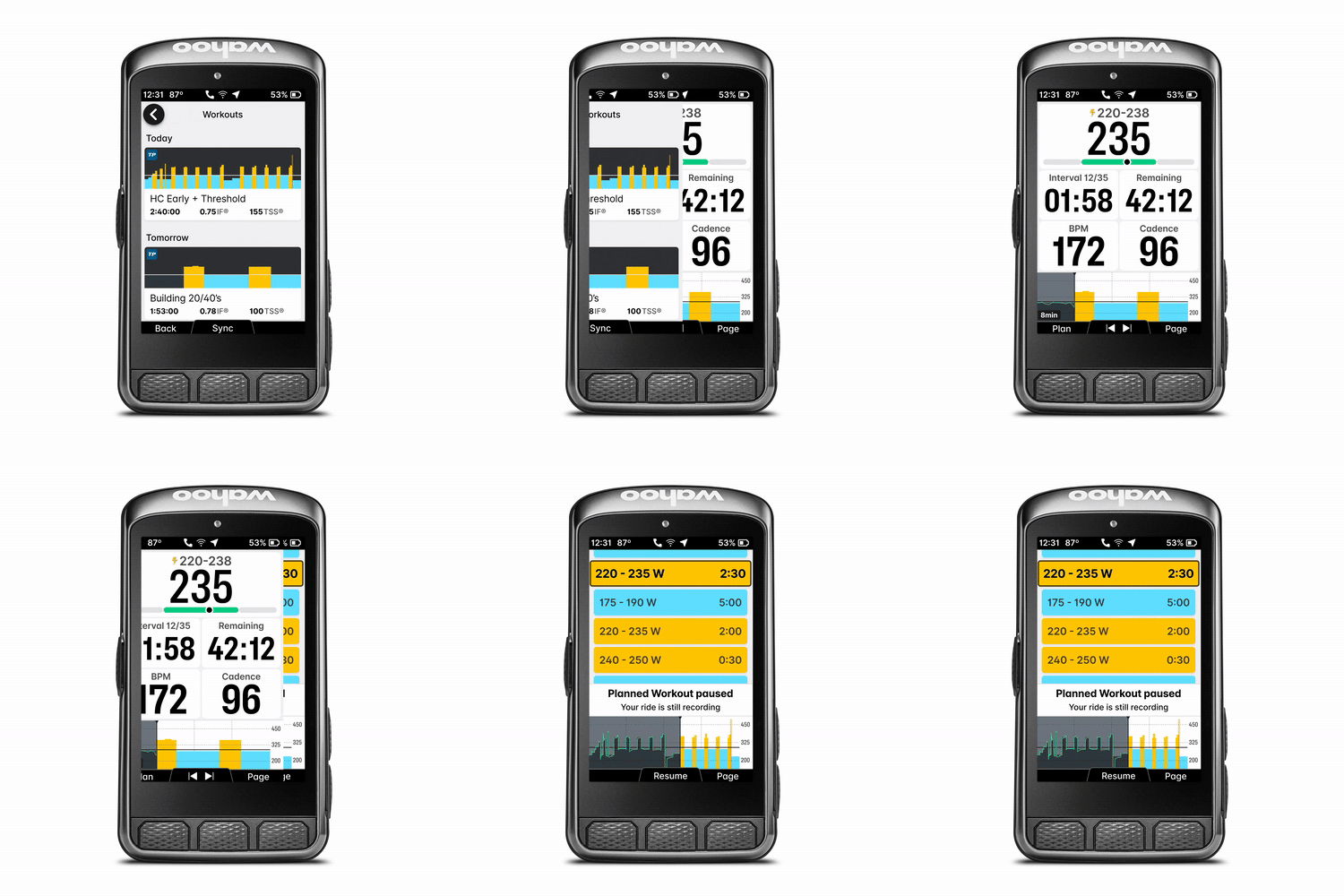
208g (heaviest bike computer on the market), 3.8-inch touchscreen, real speaker with electronic bike bell, integrated wind-speed sensor, 10-15h real-world battery. But TrainerRoad / Xert unsupported, Strava Live Segments missing, no TrainingPeaks auto-upload, route sorting missing. JoyVelo internal testing, 800 km.
iGPSPORT BSC300T: The Budget Touchscreen Option With Maps
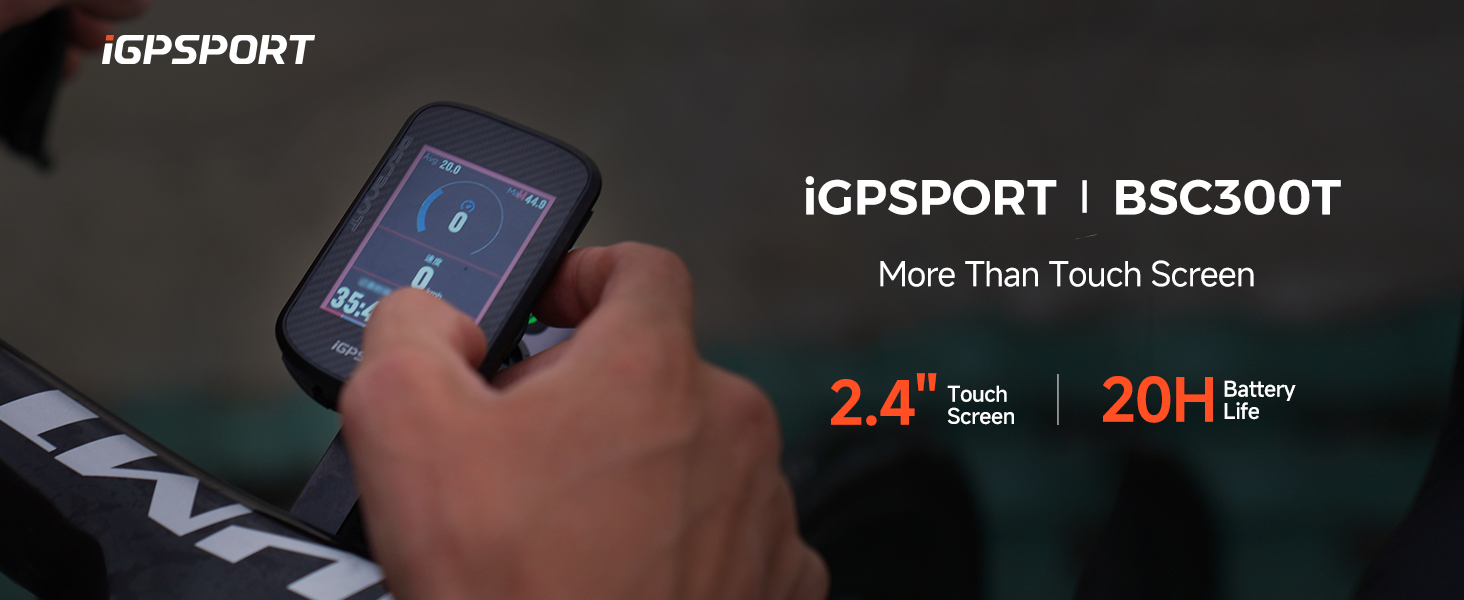
The iGPSPORT BSC300T brings a 2.4" color touchscreen, offline maps, and 22-hour battery to $229. A strong Bryton competitor.
Garmin Edge 840: Free-Ride ClimbPro + 7 Buttons, The Sweet-Spot For Multi-Day Touring
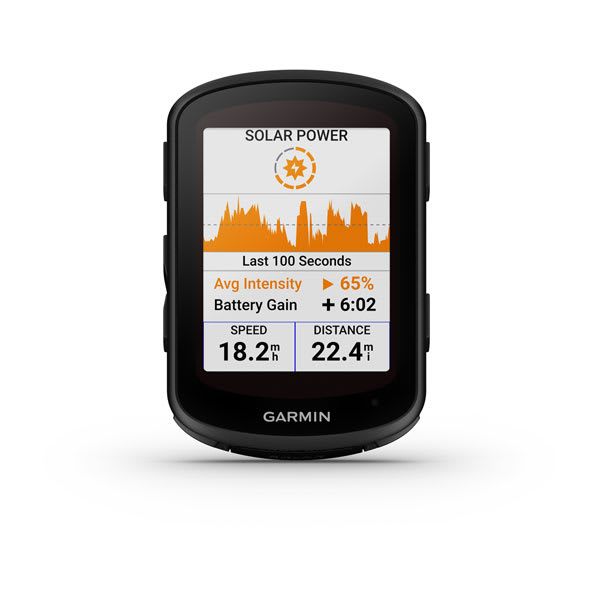
MIP screen with optional Solar version, 7 physical buttons + touchscreen, 26h battery, free ClimbPro (no route required), Climb Explorer, multi-band GNSS, Power Guide, course deviation recovery. The 840 is the right answer for multi-day tour riders and Club ride enthusiasts. JoyVelo internal testing, 1,500 km road + gravel + MTB.
Garmin Edge 520 Plus: The Budget Veteran, Reviewed
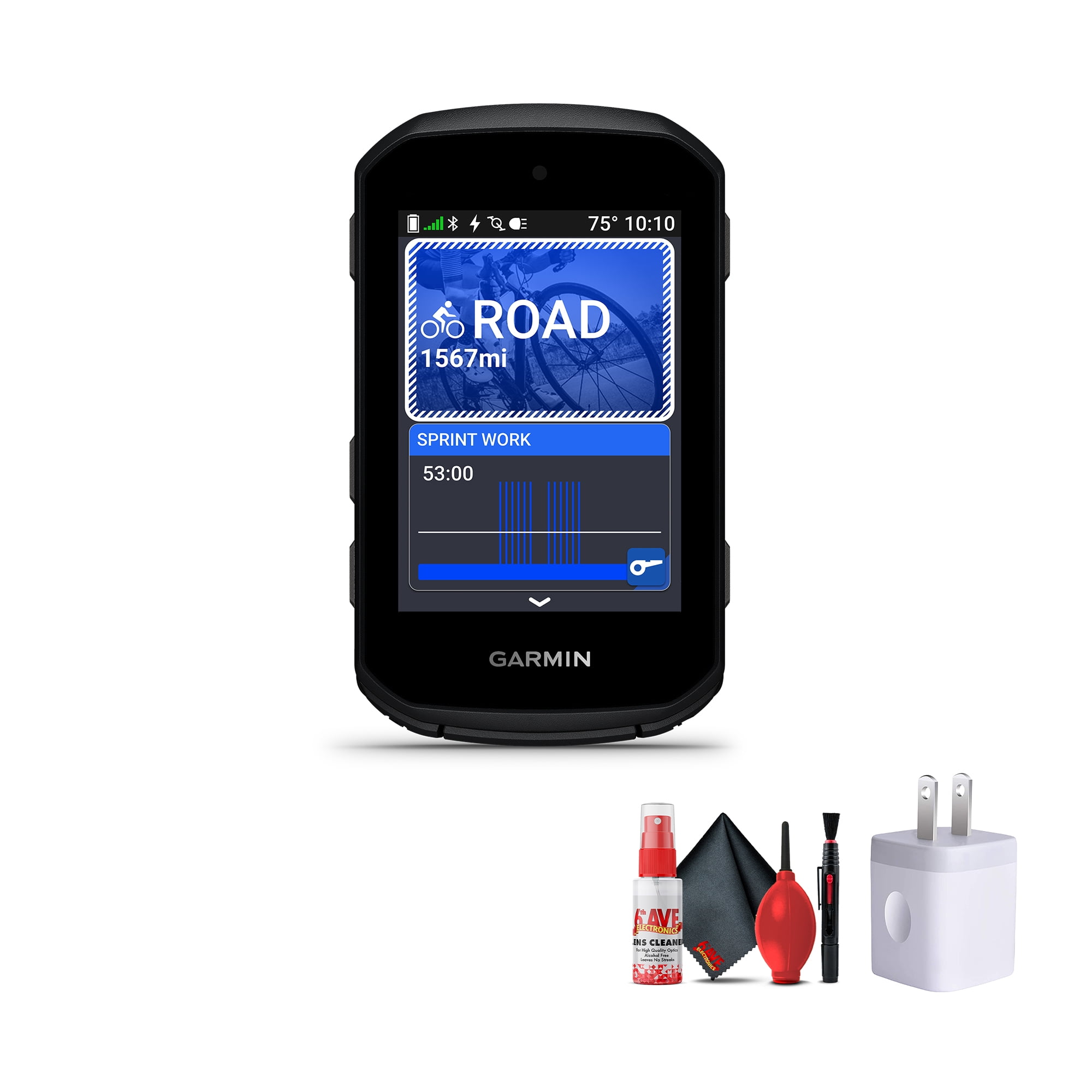
The 2018 Garmin Edge 520 Plus brought maps, incident detection, and Strava Live Segments to $249. Discontinued in 2022, but still on the used market at $80-$120.
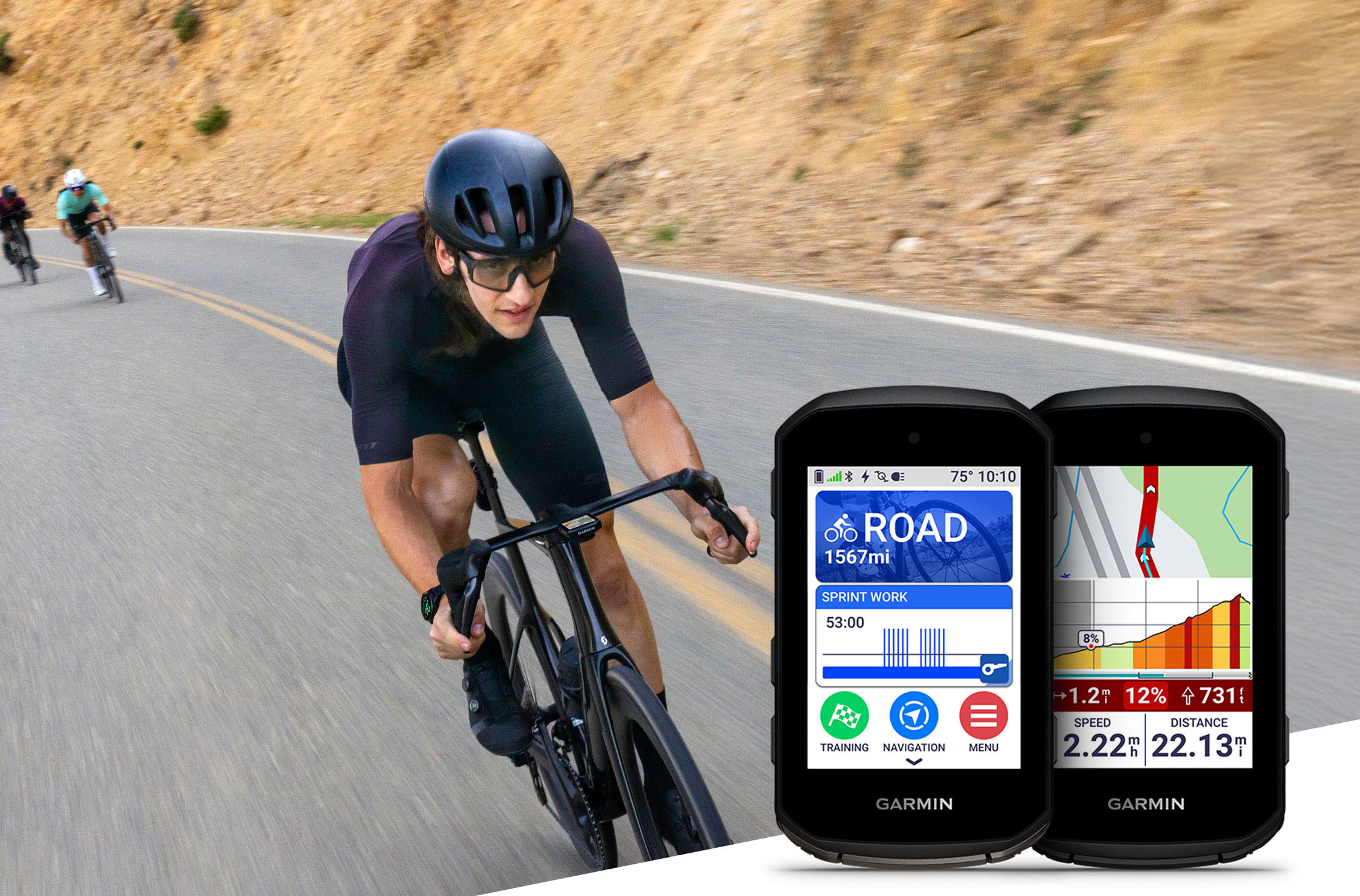
Garmin Edge 550: 7 Buttons + Buzzer, But 12-Hour Battery Hits Hard
7 physical buttons, no touchscreen, no speaker (only a buzzer), no Garmin Pay, 32GB storage, transmissive 2.7" LCD, and 5Hz MTB recording shared with the Edge 850 and 1050. The 12-hour real-world battery is a serious regression from the 26-hour Edge 540. JoyVelo internal testing, 1,200 km.
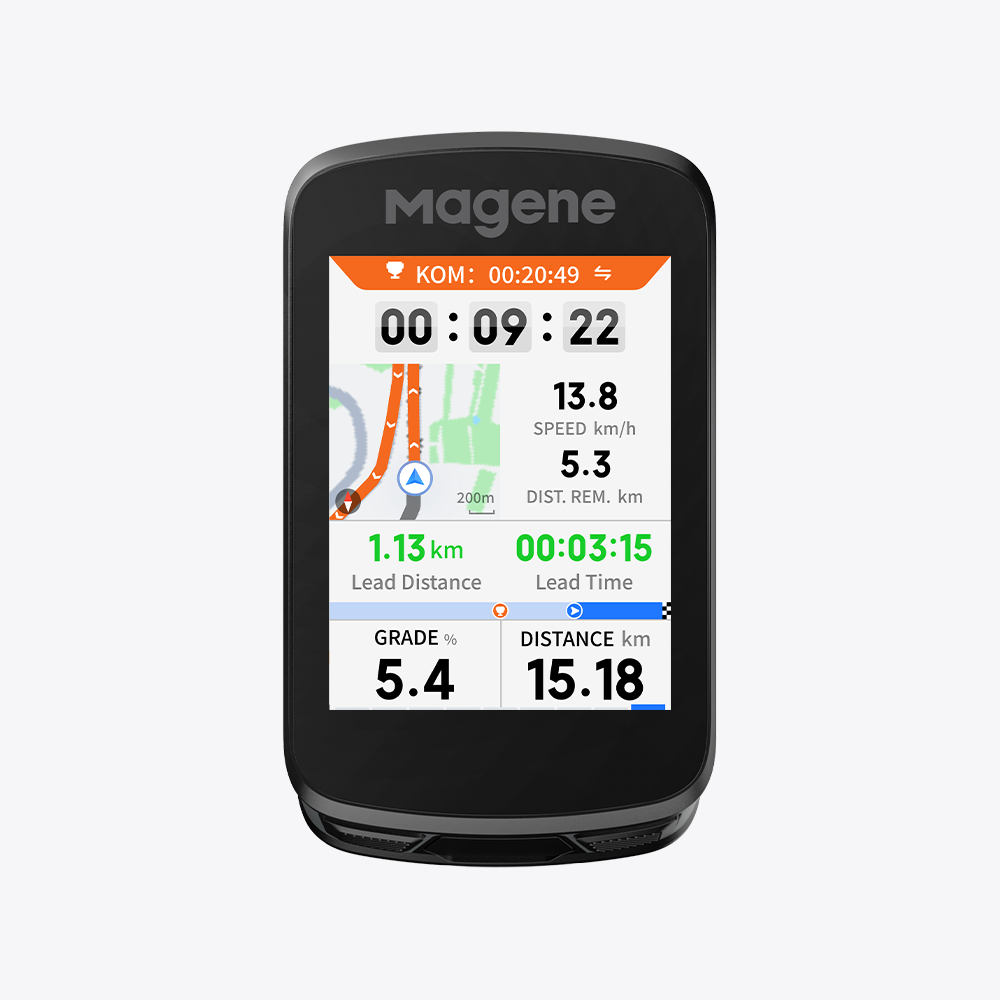
Magene C606: A Sub-$200 Bike Computer With Surprising Capabilities
The Magene C606 brings color touchscreen, ANT+/BT, and 20-hour battery to a $199 price. The new budget benchmark.
Verify with JoyAnalyze
Compare GPS / elevation / power data with JoyAnalyze. Stack COROS Dura: Solar-Promise 120h Battery Ships as a Half-Baked Beta against a reference device to see which computer records more stable data with less drift.
Open multi-file compare in JoyAnalyzeSee how this fits you
The COROS Dura: Solar-Promise 120h Battery Ships as a Half-Baked Beta is one option. Run the JoyFit assessment to see whether it actually matches your body and riding style — or compare it side-by-side with the other Bike Computersin our database.
Community
Discuss this review · Pro members can rateComments
(0)Sign in above to leave a comment.
Loading comments…
Pro Ratings
PROLoading…Sign in above to rate this product on the 8-axis $APPEALS framework.