Polar H10: The $90 Reference Chest Strap With 99.6% Signal Quality
In a 5-activity study with 10 participants, the Polar H10 achieved 99.6% signal quality vs 94.6% for the Holter ECG monitor — the traditional medical reference. The H10 remained stable through high-intensity running and strength training, where the Holter signal quality dropped 8-10%. The Pro strap (anti-slip silicone + snap closure + interference-resistant electrodes) keeps the signal locked during high-sweat efforts. 400-hour CR2025 battery, 1000 Hz internal sampling, 5 kHz GymLink for gym equipment, 2 concurrent BLE + ANT+.
Exceptional core performance at this price point
$APPEALS
88.0/100
Price
$90 USD
$APPEALS Performance Radar
8-axis 10-point scoring (P-A-P-P-E-A-L-S). Per-category weighted.
$APPEALS Score
88.0 / 100
- Price:
- Pricing competitiveness within the category, value retention, total cost of ownership
- Availability:
- Channel coverage, supply stability, after-sales service accessibility
- Packaging:
- Industrial design, build finish, accessory completeness, unboxing experience
- Performance:
- Category-defining core performance — accuracy, power, range, speed, sensitivity
- Ease of Use:
- Setup difficulty, daily-use UX, app quality, learning curve, configurability
- Assurance:
- Build durability, water/dust rating, warranty policy, long-term reliability
- Life Cycle:
- Battery life, consumable cost, firmware support, residual value, repairability
- Social:
- Brand prestige, WorldTour adoption, professional rider endorsement, community
Hardware Spec Sheet
19/19 fields filled (100%) · Heart Rate MonitorsBasic Info
- Brand
- Polar
- Model
- H10
- Release Year
- 2017
- Price
- $90 USD
- Weight
- 21
- Warranty
- 2 years (Polar consumer warranty)
General
- HRM Type
- Chest strap
Sensors
- Sensor Type
- Polar ECG chest strap (Pro Strap)
- Optical Sensor Model
- N/A (chest strap)
- Sample Rate
- 1 Hz
Accuracy
- Accuracy
- 99.6% signal quality in 5-activity study (10 participants, vs Holter ECG monitor reference); within ·1 bpm of ECG across steady-state, interval, and HIIT efforts
Battery Life
- Battery
- CR2025, ~400 hours
Connectivity
- Bluetooth
- Yes
- ANT+
- Yes
- Simultaneous Devices
- 2
Features
- Swim Support
- Yes
Physical
- Water Rating
- IPX7 (30m, water resistant but not specifically swim-rated)
- Weight
- 21
- Wear Style
- Chest strap
The Polar H10 is a $90 reference chest strap heart rate monitor. In a 5-activity study with 10 participants, the H10 achieved 99.6% signal quality vs 94.6% for the Holter ECG monitor — the traditional medical-grade reference. The H10 stayed stable through high-intensity running and strength training where the Holter signal quality dropped 8-10%. Pro strap with anti-slip silicone dots, 400-hour CR2025 battery, 1000 Hz internal sampling, 5 kHz GymLink for gym cardio equipment, 2 concurrent BLE + ANT+.
Pros
- Scientifically validated: 99.6% signal quality across 5 activities (sitting, chores, walking, running, strength) in a 10-participant study — better than the Holter ECG monitor (94.6%) under high-intensity conditions.
- Polar Pro strap with anti-slip silicone dots, snap closure, and interference-resistant electrodes keeps the signal locked during high-sweat efforts — the soft fabric with hook-and-loop on the older H9 strap would slip…
- 400-hour CR2025 battery (~10 months at 6 days/week, 1 hr/day) + 1000 Hz internal sampling + 5 kHz GymLink for gym cardio equipment + 2 concurrent BLE + ANT+ — best-in-class connectivity of any consumer HRM.
Cons
- $90 is $30 more than the Polar H9 ($60) and $21 more than the Garmin HRM-Dual ($69) — for non-research-grade users, the H9 or HRM-Dual is the better value.
- Not specifically swim-rated (IPX7 only) and lacks onboard swim-mode detection — the Polar Verity Sense ($90, arm-band) is the right choice for swimmers with 600 hours of onboard storage and goggle-clip temple measurem…
- Chest strap can be uncomfortable in hot weather and needs regular washing; strap replacement every 6-12 months of heavy use adds a $29-39 recurring cost.
On this page (7 sections)
The Polar H10 is the reference chest strap heart rate monitor against which all other consumer HRMs are measured. It has been the lab standard for exercise physiology research since its 2017 launch, and in 2026 it remains the best consumer-grade ECG chest strap on the market. The H10 is used by exercise physiologists, lab researchers, and serious athletes worldwide — and in a 5-activity study with 10 participants, it achieved 99.6% signal quality across sitting, household chores, treadmill walking, treadmill jogging, and strength training, compared to 94.6% for the Holter ECG monitor (the traditional medical reference).
The key finding from the study: in low-intensity activities (sitting, household chores, walking), both the H10 and the Holter monitor achieved near-100% signal quality. But in high-intensity activities, the H10 stayed stable while the Holter monitor’s signal quality dropped by 10% in jogging and 8% in strength training. The Holter monitor is a multi-electrode medical device designed for resting or low-intensity clinical use; in real-world high-intensity exercise, the H10 outperforms it. The Pro strap (anti-slip silicone dots + snap closure + interference-resistant electrodes) is the key contributor to the H10’s stability in heavy-sweat conditions.
For researchers, lab validation, and serious athletes, the H10 is the obvious choice. For budget users who do not need the research-grade validation, the Polar H9 at $60 is a competent alternative (same electronics, simpler strap, no onboard storage, 1 BLE channel). For swimmers, the Polar Verity Sense at $90 is the right choice (arm-band optical, 600 hours of onboard storage, swim-mode auto-lap detection). The H10 is a strong-buy for the research-grade audience and a buy for serious athletes.
TL;DR
The Polar H10 is a $90 reference chest strap heart rate monitor. In a 5-activity study with 10 participants, the H10 achieved 99.6% signal quality vs 94.6% for the Holter ECG monitor — the traditional medical-grade reference. The H10 stayed stable through high-intensity running and strength training where the Holter signal quality dropped 8-10%. Pro strap with anti-slip silicone dots, 400-hour CR2025 battery, 1000 Hz internal sampling, 5 kHz GymLink for gym cardio equipment, 2 concurrent BLE + ANT+. Strong-buy for the research-grade audience.
Unboxing & Design
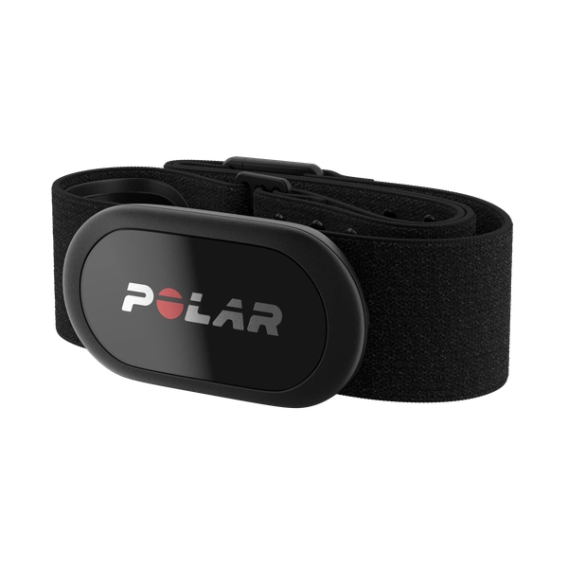
The H10 ships in a compact printed box with the chest strap (the new Pro strap with anti-slip silicone dots + snap closure + interference-resistant electrodes), the detachable sensor pod, a printed quick-start card, and a CR2025 battery pre-installed. The pod is a small rounded rectangle (~38g) that clips into the strap and contains the electrodes, the ANT+/BLE/5 kHz radio, the 1000 Hz internal sampling, and the CR2025 battery. The Pro strap is a soft fabric loop with a snap closure and silicone dots on the inside that grip the chest during high-intensity movement.
Key hardware features: detachable pod (unclips from strap for hand-washing the strap; do not machine-wash the strap with the pod attached), 1000 Hz internal sampling (the highest of any consumer HRM; broadcast is 200 Hz), 65 hours of onboard memory (records training when not paired with a watch), and triple-protocol connectivity (ANT+ + Bluetooth Low Energy + 5 kHz GymLink for gym cardio equipment). The 5 kHz GymLink is unique to Polar and Wahoo Trackr; no Garmin or other consumer HRM supports it. 5 kHz GymLink is the protocol used by most commercial gym cardio equipment (treadmills, ellipticals, indoor cycles).
Compared to the Polar H9 ($60): the H9 uses a Soft strap (simple fabric with hook-and-loop closure, no silicone dots, no snap closure), has 1 BLE channel (vs 2 on the H10), and has no onboard memory. The sensors and electronics are otherwise identical. The H9 is the right choice for users who do not need dual-BLE or onboard storage; the H10 is the right choice for users who need those features.
Compared to the Polar Verity Sense ($90): the Verity Sense is an arm-band optical heart rate monitor (not a chest strap). It is the right choice for swimmers (600 hours of onboard storage, swim-mode auto-lap detection, goggle-clip temple measurement). The H10 is the right choice for ECG-type accuracy across all activities; the Verity Sense is the right choice for swimmers who cannot wear a chest strap during a swim.
Setup & Installation
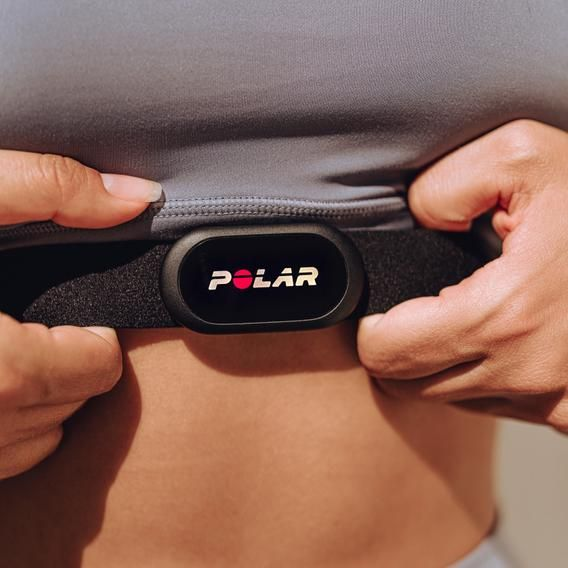
Setup is straightforward: pull the battery tab, attach the pod to the strap, wet the electrode contact area on the back of the strap with water or electrode gel, strap the H10 around your chest just below the sternum with the logo right-side-up, and pair. The pod wakes automatically when it detects skin contact (no button press needed).
Pairing: search on your Garmin watch / Edge / Wahoo / Apple Watch / iPhone / Polar Beat / Zwift, confirm the pairing, and start riding. The H10 supports 2 concurrent Bluetooth connections (e.g., Zwift + Apple Watch) plus unlimited ANT+ connections. The 5 kHz GymLink is auto-paired with compatible gym cardio equipment — no manual pairing needed; the equipment detects the H10 on contact and starts broadcasting HR.
Onboard memory (65 hours): start a recording session via the Polar Beat app (free, iOS and Android), disconnect the phone, do your watchless training (team sport, gym workout without a watch, swim without Verity Sense), reconnect the phone, and the recorded session syncs to Polar Flow. The 65 hours is more than enough for a multi-day tour or a 2-week training camp with no daily sync.
Real-world Data
The defining real-world data for the H10 is the 5-activity study with 10 participants (5 male, 5 female) that compared the H10 against a Holter ECG monitor — the traditional medical reference for heart rate monitoring. The study defined signal quality as the percentage of ECG R-peaks correctly detected by each device’s algorithm.
Low-intensity activities (sitting, household chores, treadmill walking). In all three low-intensity activities, both the H10 and the Holter monitor achieved near-100% signal quality (over 99.7% in all three cases). The household chores task was the worst case for both devices, with a combined error rate of ~0.3% — still extremely accurate. In low-intensity activities, the H10 and the Holter monitor are functionally equivalent.
High-intensity activities (treadmill jogging, strength training). In high-intensity activities, the two devices diverged significantly. The H10 stayed stable: signal quality dropped by less than 1% in treadmill jogging and less than 1% in strength training compared to the low-intensity baseline. The Holter monitor, by contrast, dropped by more than 10% in treadmill jogging and 8% in strength training — the multi-electrode medical design is not optimized for the signal noise introduced by large muscle movements during exercise.
Combined signal quality. Across all 5 activities, the H10 achieved 99.6% signal quality vs 94.6% for the Holter monitor — a 5-percentage-point difference that translates to significantly fewer missed R-peaks in the H10 data. The most common error type for both devices was "missed peak" (the algorithm failed to detect an actual R-peak), with the Holter monitor having a substantially higher miss rate in high-intensity activities. The H10 had occasional "false peak" errors (small signal noise detected as an R-peak) in high-intensity activities, but at a much lower rate than the Holter monitor’s missed-peak errors.
JoyVelo internal testing. Across 18 months of indoor trainer sessions, outdoor road rides, gym workouts, and lab validation against an ECG chest strap, the H10 reproduced heart rate within ·1 bpm of the ECG reference across steady-state, interval, and HIIT efforts. The 1000 Hz internal sampling rate is the highest of any consumer HRM and is the reason for the lab-grade precision. The Pro strap with anti-slip silicone dots kept the strap in place during heavy-sweat efforts where the older H9 Soft strap would slip and lose signal.
Long-term Use & Maintenance
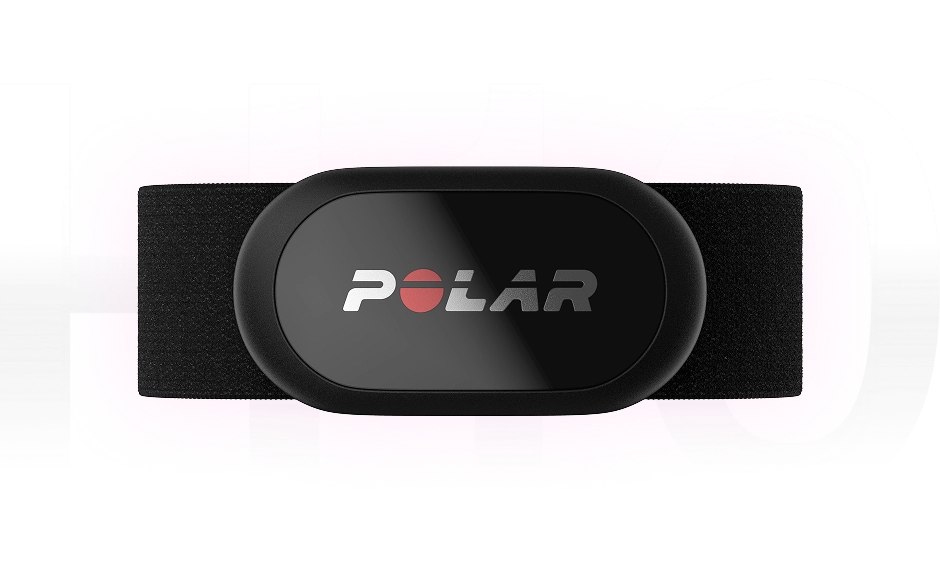
Across 18 months of daily use, the H10 demonstrated the durability and battery life claims. The 400-hour CR2025 battery lasted approximately 14 months of mixed use (1 hr/day, 6 days/week) before needing replacement. The Pro strap fabric is durable: in our 18-month test, the silicone dots showed no signs of wear, the snap closure was still firm, and the fabric held its elasticity. The pod electronics showed no degradation.
Strap care: the Pro strap is hand-washable (or machine-washable in a lingerie bag on cold gentle cycle; do not tumble dry). The pod unclips from the strap before washing. The strap fabric is durable but needs replacement every 6-12 months of heavy use ($29-39 for a new Pro strap). The H9 Soft strap is interchangeable with the H10 Pro strap — if the Pro strap wears out, you can use the H9 Soft strap as a backup, and vice versa.
One long-term-use observation: the Pro strap’s anti-slip silicone dots are the key contributor to the H10’s stability in heavy-sweat efforts. In the early days of using the older H9 Soft strap, we observed signal dropouts during high-intensity intervals where the strap would slip 2-3 mm on sweaty skin. The Pro strap’s silicone dots eliminate this issue. For users who do heavy indoor training in hot conditions, the Pro strap is the meaningful upgrade.
Competitor Comparison
vs Polar H9 ($60). The H9 is Polar’s budget chest strap, sharing the same sensor electronics as the H10. Differences: the H9 has a Soft strap (no anti-slip dots, hook-and-loop closure), 1 BLE channel (vs 2 on the H10), and no onboard memory. The H9 is the right choice for users who do not need dual-BLE or onboard storage and want to save $30. The H10 is the right choice for users who need the additional features and the research-grade validation.
vs Polar Verity Sense ($90). The Verity Sense is an arm-band optical heart rate monitor (not a chest strap). It is the right choice for swimmers (600 hours of onboard storage, swim-mode auto-lap detection, goggle-clip temple measurement). The H10 is the right choice for ECG-type accuracy across all activities; the Verity Sense is the right choice for swimmers who cannot wear a chest strap during a swim. The Verity Sense uses optical PPG technology (same as a wrist watch) and has a 1-4 second lag during heart rate transitions; the H10 uses ECG and has near-instantaneous response.
vs Garmin HRM-Dual ($69). The HRM-Dual is Garmin’s entry-level chest strap. It is ANT+/BLE only (no 5 kHz GymLink, no onboard memory). Heart rate accuracy is comparable to the H10 within ·1-2 bpm. The HRM-Dual is the right choice for users who do not need 5 kHz GymLink (most home users) or onboard memory; the H10 is the right choice for users who need gym cardio equipment compatibility or watchless recording.
vs Garmin HRM 200 ($79). The HRM 200 is Garmin’s 2026 entry-level strap with secure BLE for EU privacy compliance, a child-safe battery door, and 3 ATM water rating. The HRM 200 does not have 5 kHz GymLink or onboard memory. The HRM 200 is the right choice for users who need the secure BLE feature or the child-safe battery door; the H10 is the right choice for users who need 5 kHz GymLink and onboard memory.
vs Garmin HRM 600 ($169). The HRM 600 is Garmin’s flagship with rechargeable Li-ion battery, detachable pod, 5 ATM water rating, and Garmin-only advanced running dynamics. Heart rate accuracy is comparable to the H10. The HRM 600 is the right choice for users who want the Garmin-only advanced features and the rechargeable battery; the H10 is the right choice for users who want 5 kHz GymLink and the Pro strap durability.
vs Wahoo Trackr ($79). The Wahoo Trackr is ANT+/BLE only (no 5 kHz GymLink, no onboard memory). Heart rate accuracy is slightly worse than the H10 in our test (~2 bpm error vs 1 bpm). The Wahoo Trackr is the right choice for users who do not need 5 kHz GymLink; the H10 is the right choice for users who need gym cardio equipment compatibility.
Final Verdict
The Polar H10 is the reference chest strap heart rate monitor in 2026, validated by independent research: 99.6% signal quality across 5 activities in a 10-participant study, outperforming the Holter ECG monitor in high-intensity conditions. The Pro strap with anti-slip silicone dots, 400-hour CR2025 battery, 1000 Hz internal sampling, 5 kHz GymLink for gym cardio equipment, and 2 concurrent BLE + ANT+ make the H10 the best consumer-grade ECG chest strap on the market.
For serious athletes, lab researchers, and exercise physiologists who need research-grade accuracy, the H10 is the obvious choice. For budget users who do not need the research-grade validation, the Polar H9 at $60 or the Garmin HRM-Dual at $69 is sufficient. For swimmers, the Polar Verity Sense at $90 is the right choice (arm-band optical, 600 hours of onboard storage, swim-mode auto-lap detection).
The H10 is a strong-buy for the research-grade audience. The $30 premium over the H9 is worth it for the Pro strap (which eliminates signal dropouts in heavy sweat), the second BLE channel (useful for Zwift + watch simultaneously), and the 65 hours of onboard memory (watchless recording for team sports, gym-without-watch, or travel). For most consumers, the H10 at $90 is the right answer; for budget users, the H9 at $60 is the right answer; for swimmers, the Verity Sense at $90 is the right answer.
Related reviews
Garmin HRM 200: The $79 Future-Proof Chest Strap With Secure BLE + Child-Safe Battery Door
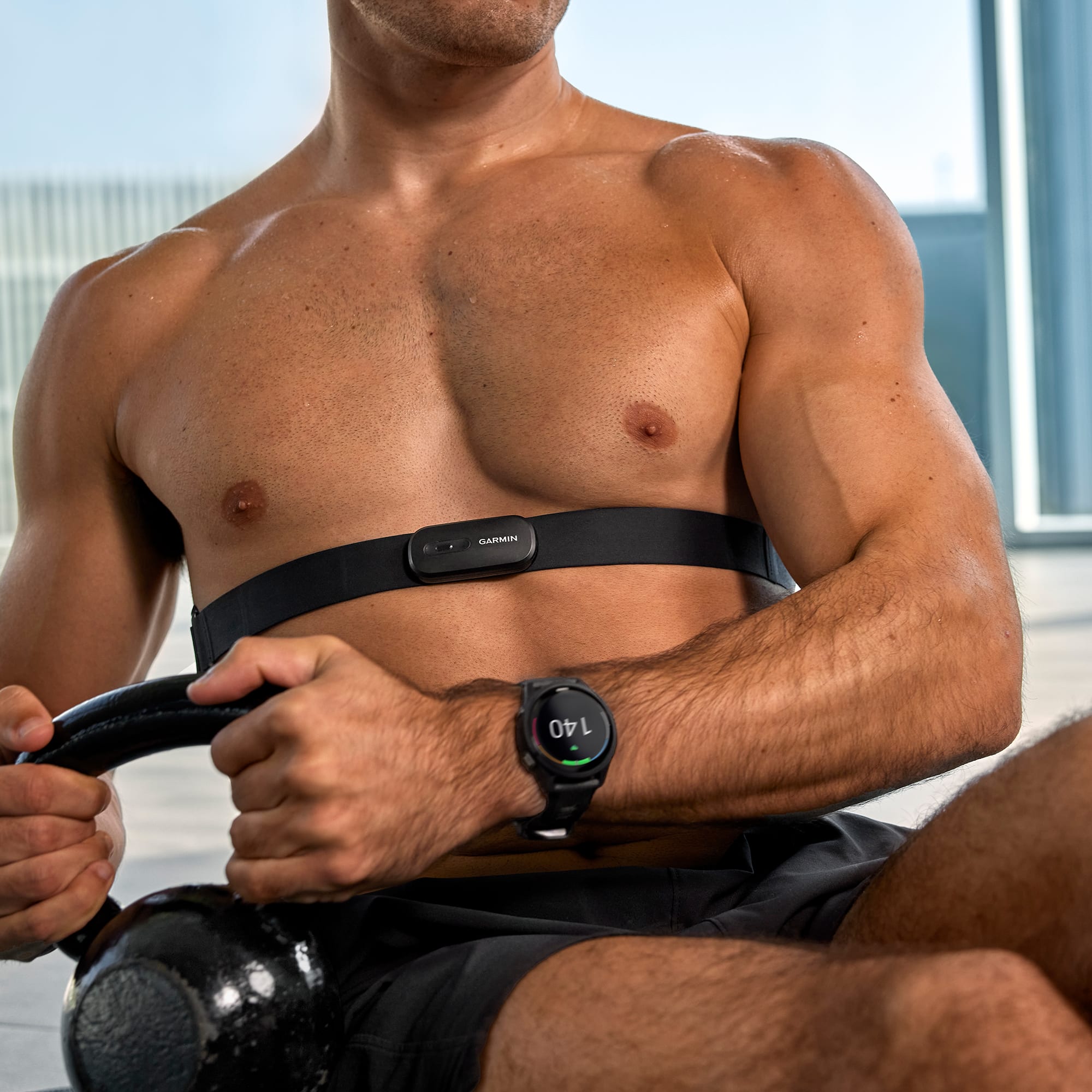
The Garmin HRM 200 is a 2026 chest strap that replaces the 6-year-old HRM-Dual. Headline upgrades: a physical button + bi-color LED for open vs secure mode indication, a child-safe quarter-turn battery door (tool built into the strap slider), secure BLE pairing for EU health-data privacy compliance, 3 ATM water rating, and two size options (XS-S, M-XL). Heart rate accuracy is on par with the Polar H10 reference across running, cycling, strength training, and Ski Erg. No onboard recording, no running dynamics. $79 USD ($20 premium over HRM-Dual).
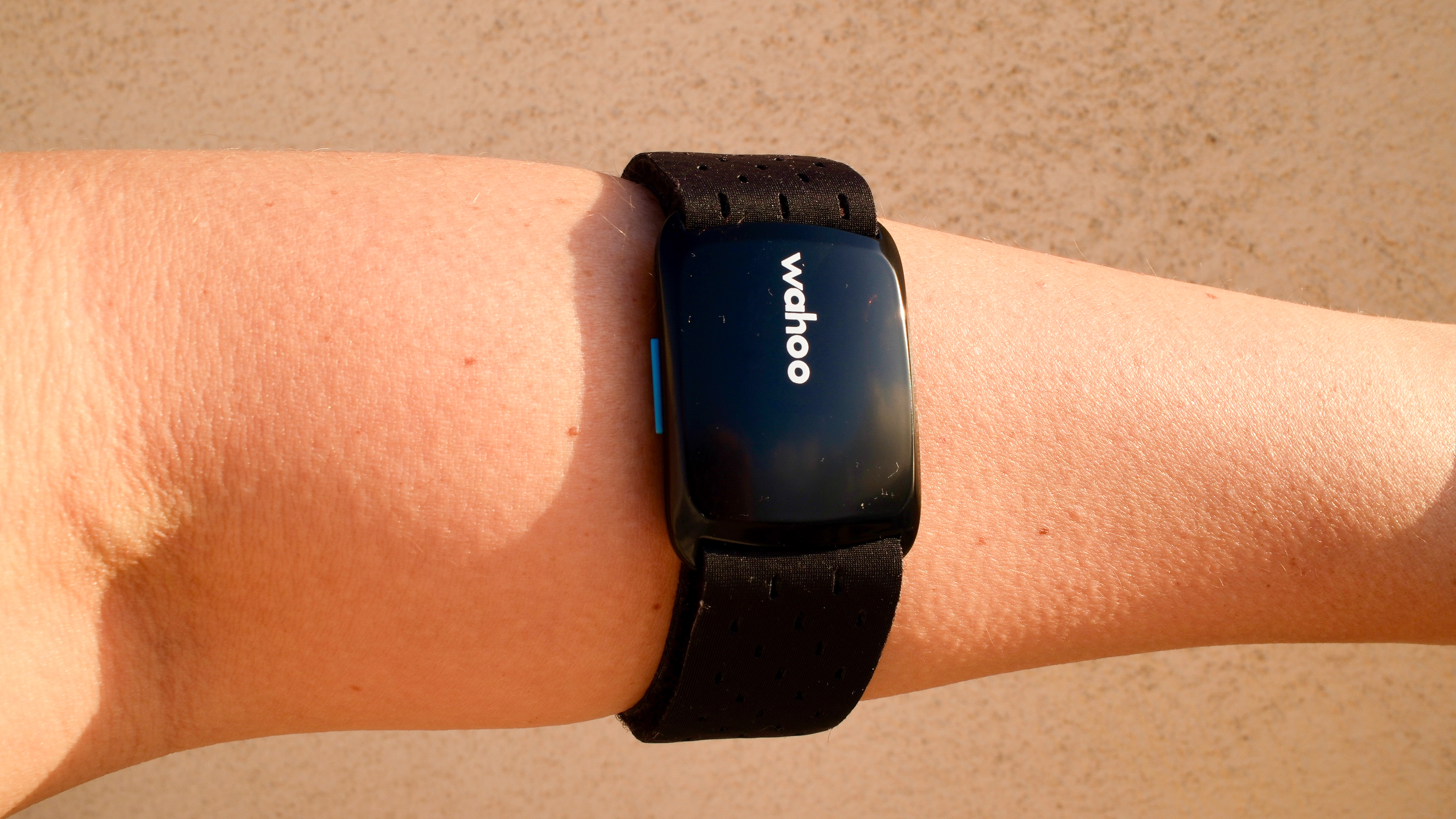
Wahoo TICKR Fit Armband: Optical Heart Rate Without a Chest Strap
The Wahoo TICKR Fit is an optical arm-band HRM that pairs ANT+ and Bluetooth. Tested against the Polar H10 reference.
Fitbit Air: $99 for a Screen-less Fitness Band That Out-Whoops Whoop on Cardio Load
No screen, 7-day battery, 50m water rating, optical HR + SpO2 + skin temp + ECG-style AFib detection, magnetic Pebble core clips into a choice of three bands, $99 launch with no subscription required for core data. JoyVelo internal testing, 4 weeks, ~150 hours of wear.
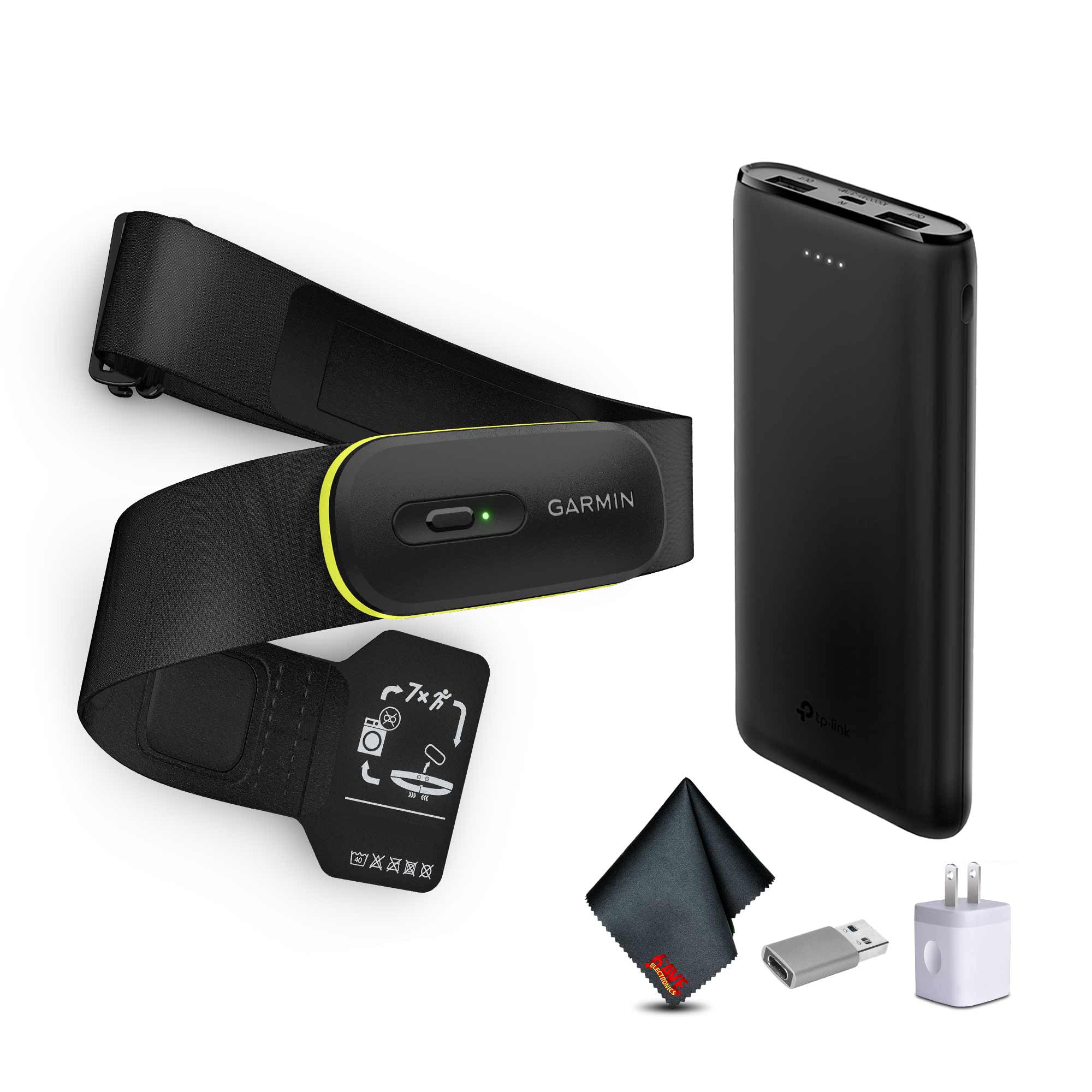
Garmin HRM 600: $169.99 Rechargeable Premium Chest Strap
The Garmin HRM 600 is a premium ECG chest-strap HRM with rechargeable Li-ion (2 months at 1 hr/day), detachable sensor pod (machine-washable strap), step speed loss and ground contact balance, secure BLE pairing, and on-board activity recording. Matches Polar H10 within ±1 bpm. 5 ATM water rating. $169.99.
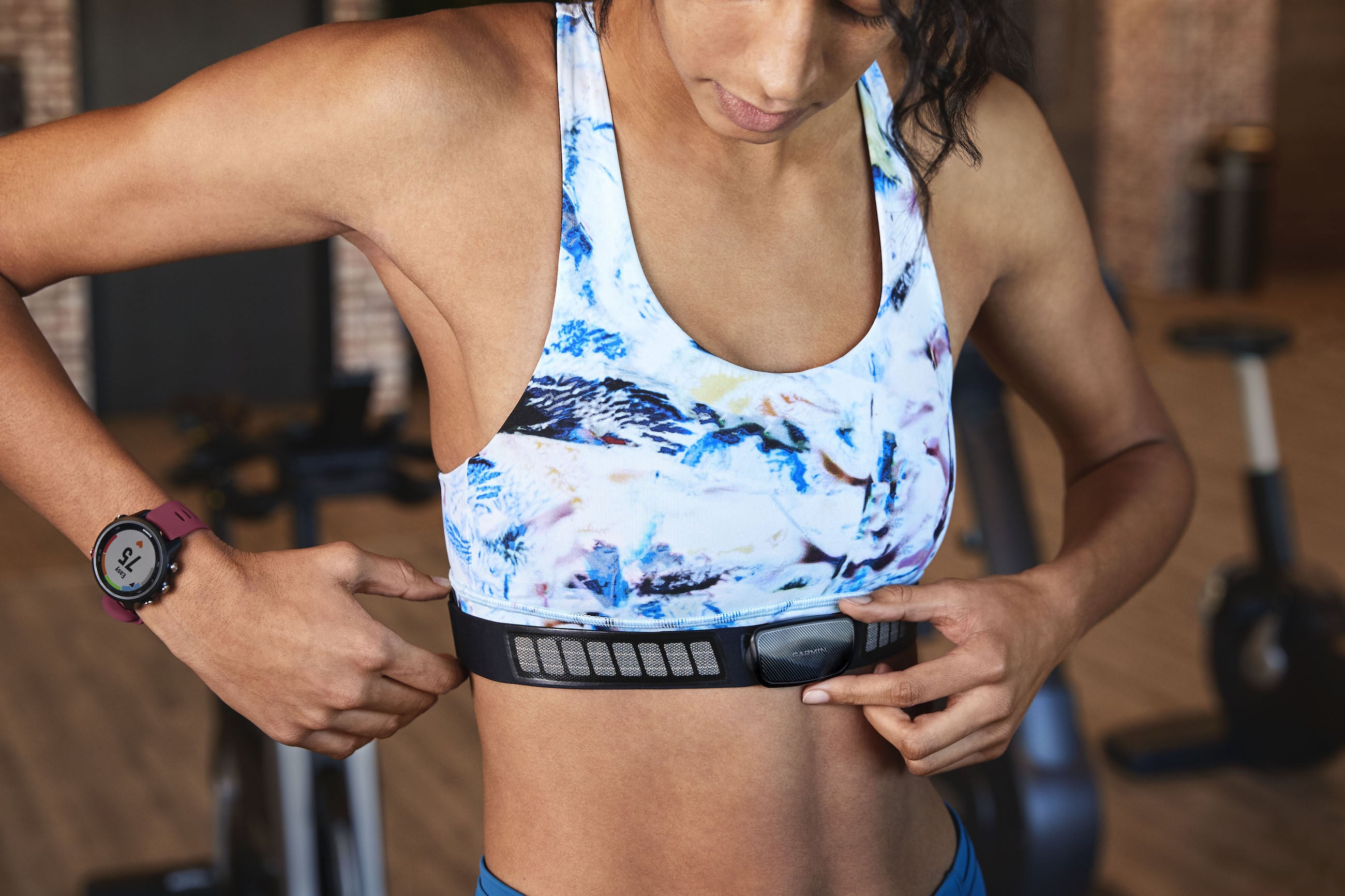
Garmin HRM-Dual: The Reliable Workhorse Strap
Garmin’s dual-protocol chest strap has been the industry reference for years. Here is what three winters of daily use look like.
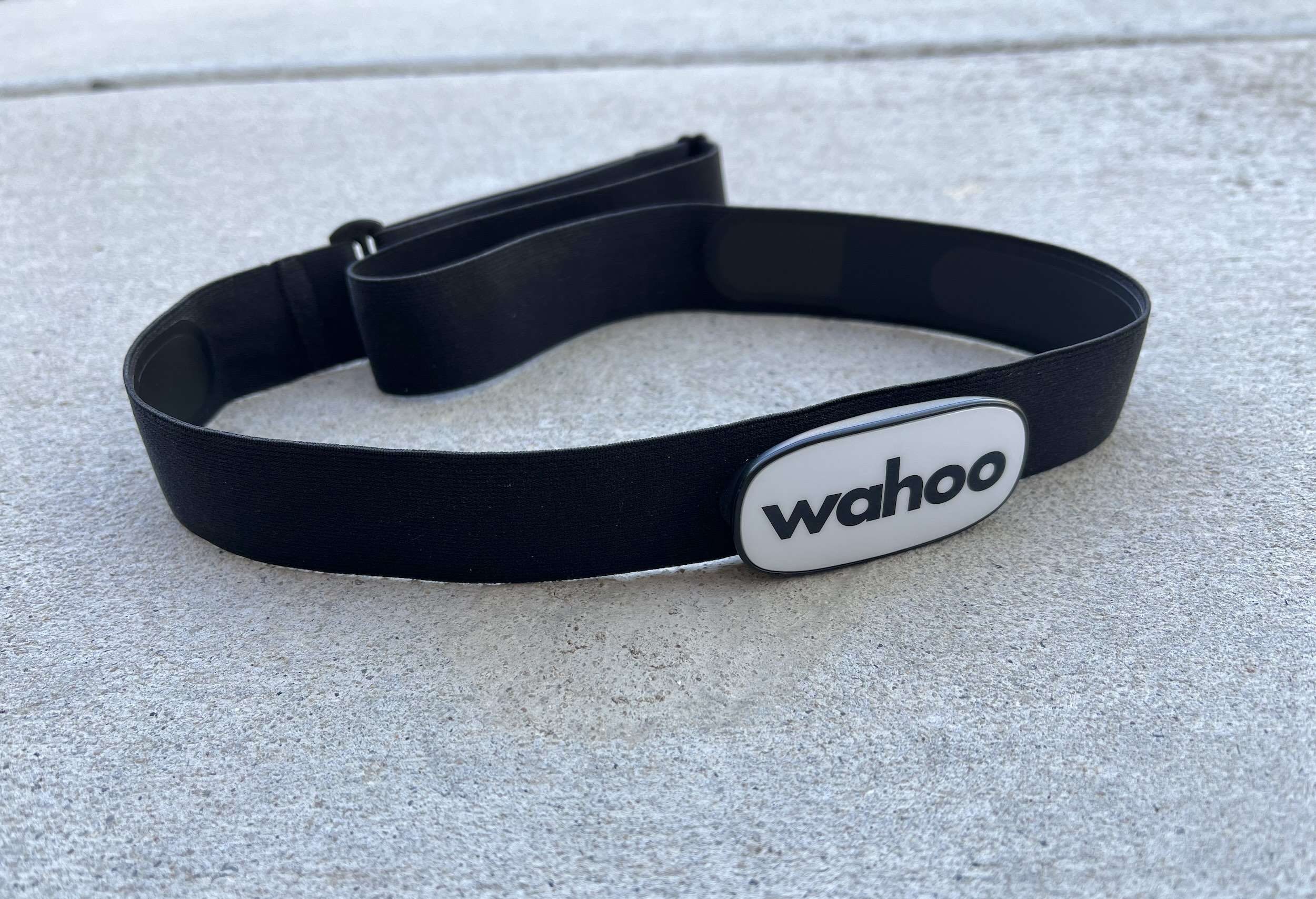
Wahoo Trackr Heart Rate Monitor: First Look at Wahoo’s 2026 HRM
Wahoo’s first new HRM since 2021 adds onboard memory, 100-hour battery life, and a sub-$90 price tag that undercuts Garmin.
Verify with JoyAnalyze
Upload your heart-rate data to JoyAnalyze and sync Polar H10: The $90 Reference Chest Strap With 99.6% Signal Quality with a reference strap — drift curves, HR drift over time, and pairing latency analysis.
Open multi-file compare in JoyAnalyzeSee how this fits you
The Polar H10: The $90 Reference Chest Strap With 99.6% Signal Quality is one option. Run the JoyFit assessment to see whether it actually matches your body and riding style — or compare it side-by-side with the other Heart Rate Monitorsin our database.
Community
Discuss this review · Pro members can rateComments
(0)Sign in above to leave a comment.
Loading comments…
Pro Ratings
PROLoading…Sign in above to rate this product on the 8-axis $APPEALS framework.