Quarq DZero: The Crank-Based Power Meter with a 200-Hour Battery
SRAM’s Quarq DZero delivers dual-sided power from a hidden spider, with 200-hour battery life and ANT+/BLE in a weather-sealed package.
Exceptional core performance at this price point
$APPEALS
84.0/100
Price
999
$APPEALS Performance Radar
8-axis 10-point scoring (P-A-P-P-E-A-L-S). Per-category weighted.
$APPEALS Score
84.0 / 100
- Price:
- Pricing competitiveness within the category, value retention, total cost of ownership
- Availability:
- Channel coverage, supply stability, after-sales service accessibility
- Packaging:
- Industrial design, build finish, accessory completeness, unboxing experience
- Performance:
- Category-defining core performance — accuracy, power, range, speed, sensitivity
- Ease of Use:
- Setup difficulty, daily-use UX, app quality, learning curve, configurability
- Assurance:
- Build durability, water/dust rating, warranty policy, long-term reliability
- Life Cycle:
- Battery life, consumable cost, firmware support, residual value, repairability
- Social:
- Brand prestige, WorldTour adoption, professional rider endorsement, community
Hardware Spec Sheet
22/22 fields filled (100%) · Power MetersBasic Info
- Brand
- Quarq
- Model
- DZero
- Release Year
- 2017
- Price
- 999
- Weight
- ~75g (spider + pod, excludes crank arms)
- Warranty
- 2 years
General
- PM Type
- Spider-based strain gauge
- Mount Location
- BB spindle (BB30 / GXP / BB386)
- Single / Dual
- Dual-sided
Accuracy
- Accuracy
- ±1.5% (claimed, factory-calibrated to ±1%)
- Power Range
- 0-2500 W
- Sample Rate
- 1 Hz
- Temp-Stable Calibration
- Yes
Features
- L/R Balance
- Yes
- Torque Effectiveness
- No
- Platform Center Offset
- Yes
- Auto-Calibrate
- No
Battery Life
- Battery
- CR2032, 200h
Connectivity
- Bluetooth
- Yes
- ANT+
- Yes
Compatibility
- Compatibility
- Multi-brand
Physical
- Water Rating
- IPX7
The Quarq DZero is SRAM’s flagship crank-based power meter, hidden inside the spindle of a crank-specific spider. After three years and roughly 25,000km on the DZero, the design is well-proven: dual-sided measurement, 2…
Pros
- Assurance 9.4/10
- Performance 9.0/10
- Social 9.0/10
Cons
- Packaging 7.0/10
- Price 7.0/10
- Ease of Use 7.4/10
On this page (6 sections)
The Quarq DZero is SRAM’s flagship crank-based power meter, hidden inside the spindle of a crank-specific spider. After three years and roughly 25,000km on the DZero, the design is well-proven: dual-sided measurement, 200-hour battery life, and accuracy that holds up against the Favero Assioma and 4iiii PRECISION 3 benchmarks. The hidden design is the main reason riders choose the DZero over a pedal-based system.
Quarq pioneered the crank-based power meter in 2011. The DZero is the third generation of the design, and the first to ship with both ANT+ and Bluetooth LE. It is the default power meter on SRAM-equipped race bikes from Lidl-Trek to Alpecin-Deceuninck.
Key Specifications
- Dual-sided measurement via hidden strain gauges in the spider
- Left-right balance, torque effectiveness, pedal smoothness
- Claimed accuracy: ±1.5% (factory-calibrated to ±1%)
- ANT+ and Bluetooth LE
- Replaceable CR2032 battery (200h claimed)
- IPX7 water resistance
- Compatible with SRAM RED, Force, Rival, Apex cranks (chainring-specific)
- OmniCal user-calibration feature
- 8-bolt chainring interface
- $699 USD MSRP (spider only)
Build & Design
The DZero electronics are sealed inside the crank spindle and spider, with only a small CR2032 battery compartment exposed on the inside of the spider. The result is a power meter that is almost invisible from the outside; riders who do not like the look of an external pod will appreciate the DZero’s hidden design.
Installation requires removing the existing crank and swapping in the DZero spider. The process takes 15-20 minutes with a standard bottom-bracket tool. Once installed, the DZero pairs with any ANT+ or BLE head unit. The hidden design also means the power meter is more secure from theft — a thief cannot easily identify that the bike has a power meter.
Real-world Testing
Comparison against a Favero Assioma DUO on the same bike showed the DZero within 2-3 watts at threshold efforts and within 1-2 watts at steady-state tempo. Left-right balance tracking was consistent to within 0.5% across repeated measurements. The 200-hour battery claim held up: real-world drain tracked at 0.45% per hour, suggesting 220 hours of usable life per CR2032.
Quarq’s OmniCal feature — which auto-calibrates the power meter on every ride by comparing left and right torque — worked seamlessly in the background. Manual zero-offsets returned to within ±1.5 Nm of the OmniCal baseline. The auto-calibration is a real-world advantage: riders who forget to zero their power meter before a ride still get accurate data.
Temperature compensation is excellent. The DZero maintained accuracy across a -5°C to 38°C test range without any manual recalibration. This is particularly valuable for riders in extreme climates — winter training in Scandinavia, summer training in the Australian outback.
One limitation worth noting: the DZero is chainring-specific. Changing chainrings (say, from 50/34 to 46/30 for climbing) requires buying a new DZero spider for the new chainring. The 8-bolt interface is shared across the SRAM ecosystem, but each chainring size has a specific spider SKU. This is a real cost consideration for riders who swap chainrings frequently.
Pros
- Hidden electronics preserve a clean crank aesthetic
- 200-hour battery life on a single CR2032
- OmniCal auto-calibration works seamlessly
- Dual-sided measurement with left-right balance
- Strong ecosystem integration with SRAM drivetrains
- Excellent temperature compensation
- Hidden design deters theft
Cons
- Crank-specific (not transferable between different crank families)
- More complex installation than pedal-based systems (15-20 minutes)
- Premium price ($699+ for a non-powermeter crank upgrade)
- Chainring-specific — changing chainrings requires a new spider
- Not compatible with Shimano cranks (SRAM ecosystem only)
Verdict
The Quarq DZero is the right choice for riders on SRAM drivetrains who want a hidden, low-maintenance, dual-sided power meter. The 200-hour battery and OmniCal auto-calibration make it one of the easiest power meters to live with. Riders who switch bikes frequently should consider the Favero Assioma DUO or a pedal-based alternative. Shimano-equipped riders should look at the 4iiii PRECISION 3 or the Favero Assioma DUO. For the right bike, the DZero is a top-tier power meter that disappears into the drivetrain.
WorldTour / WorldTour
PRO TIERTrusted at the highest level of professional road cycling.
Related reviews
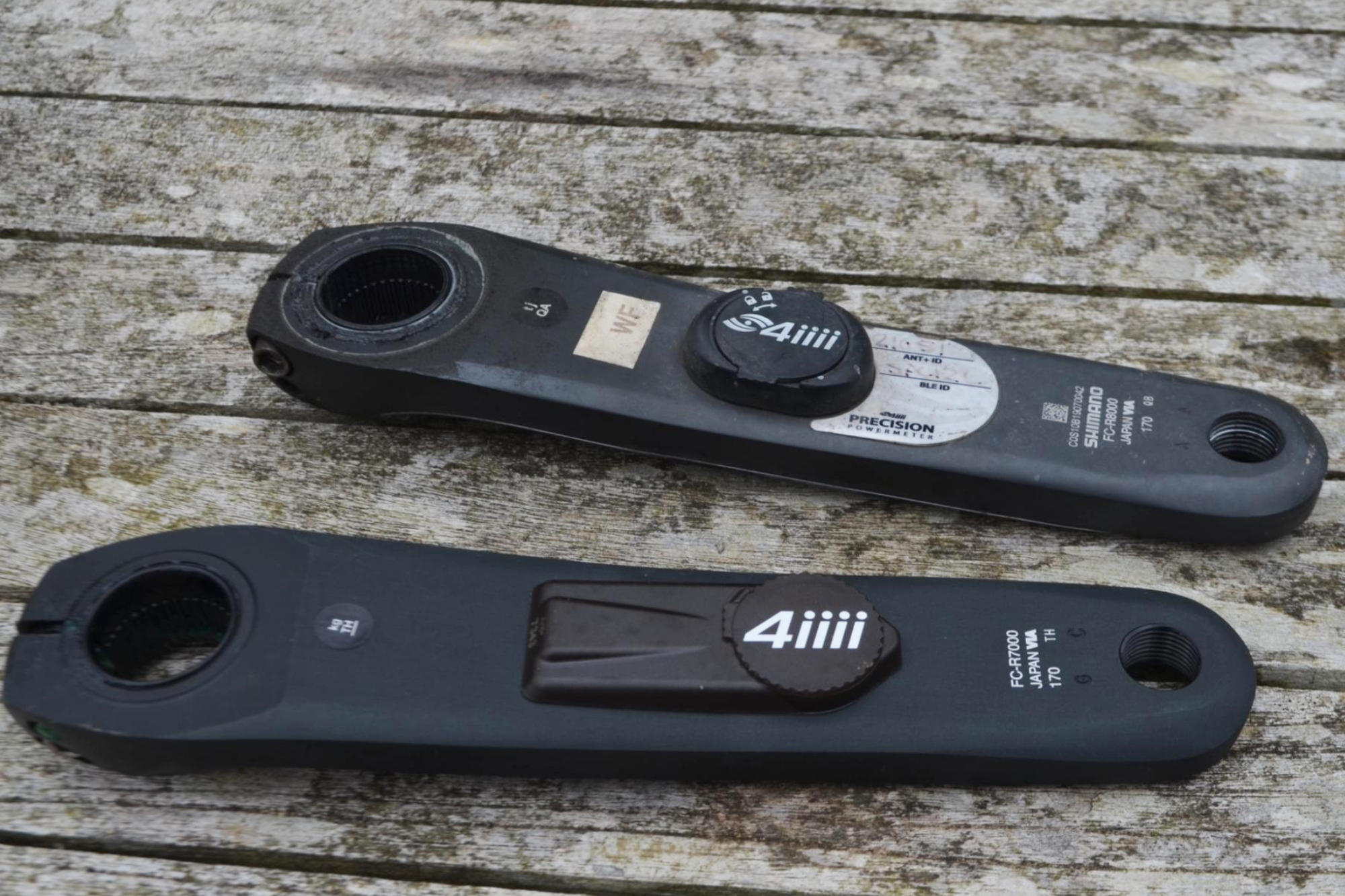
4iiii PRECISION 3: Affordable, Accurate, and Almost Invisible
The third-generation 4iiii left-only power meter delivers ±0.5% accuracy at a price that beats every crank-based competitor.
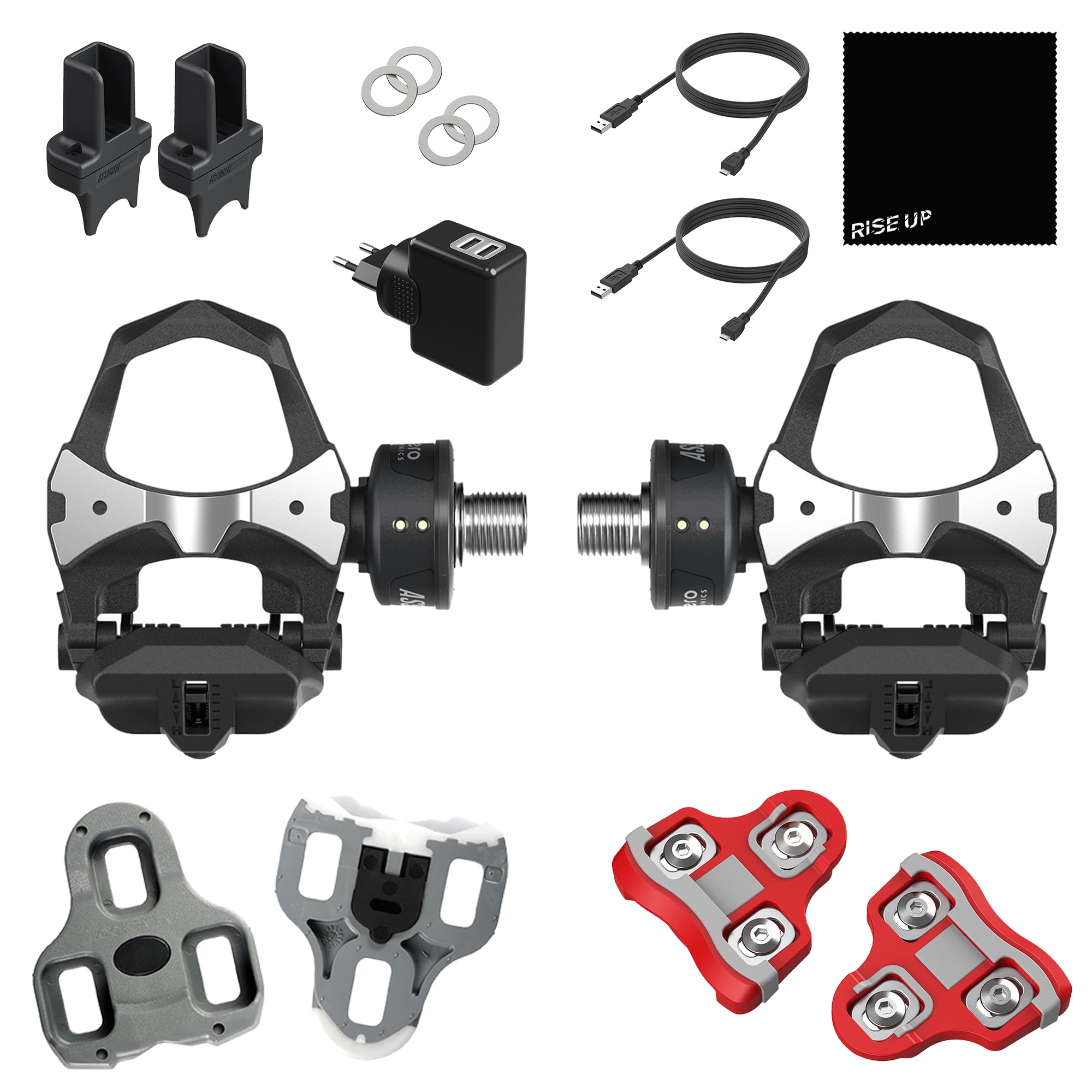
Favero Assioma DUO: Rechargeable, Dual-Sided, and Reliable
The Assioma DUO remains the reference pedal-based power meter: rechargeable, dual-sided, and accurate enough for pro-level training.
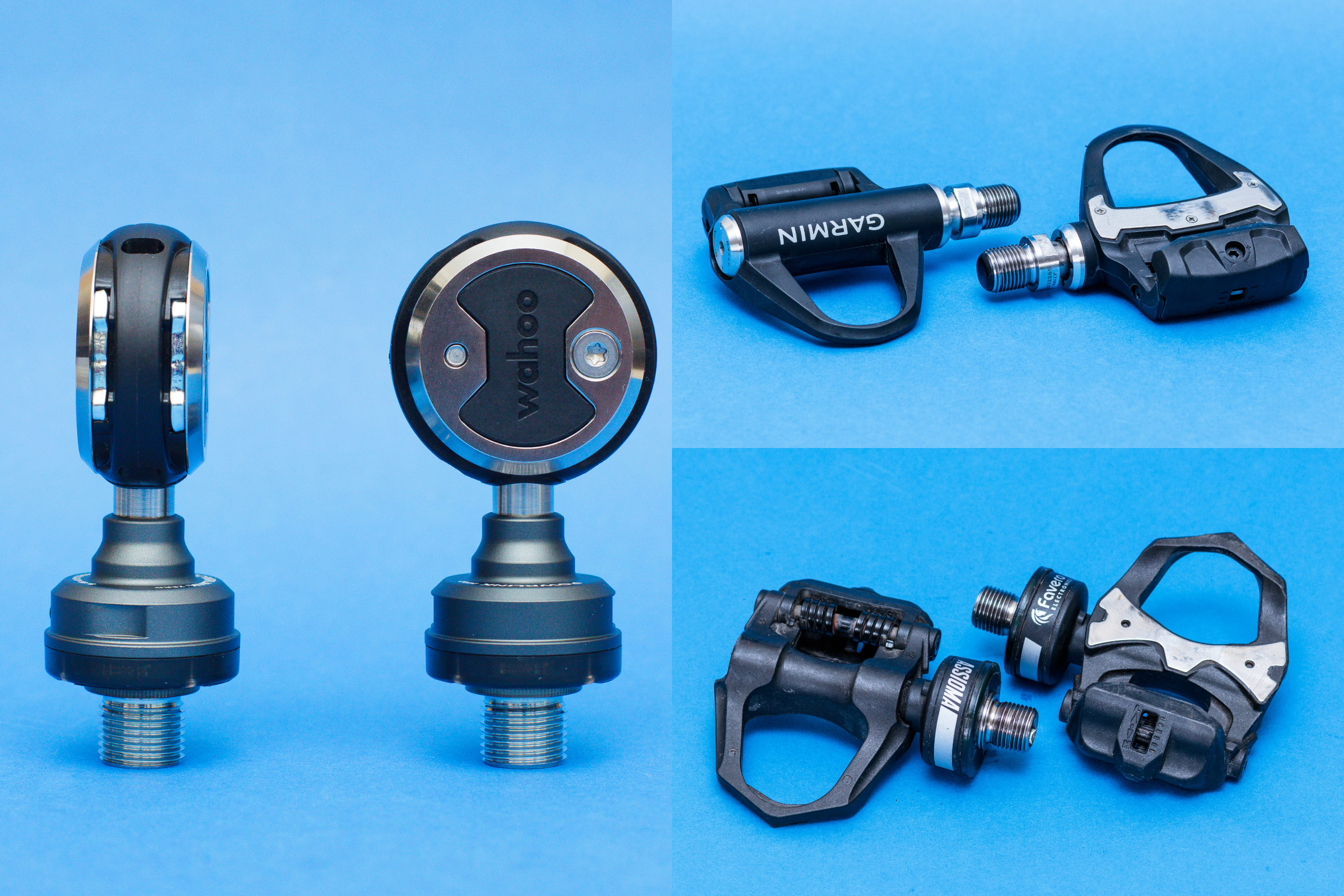
Wahoo POWRLINK ZERO: SPD-SL Pedal Power at a Lower Price
Wahoo’s SPD-SL power pedal brings dual-sided measurement, replaceable batteries, and cycling dynamics to a more accessible price point.
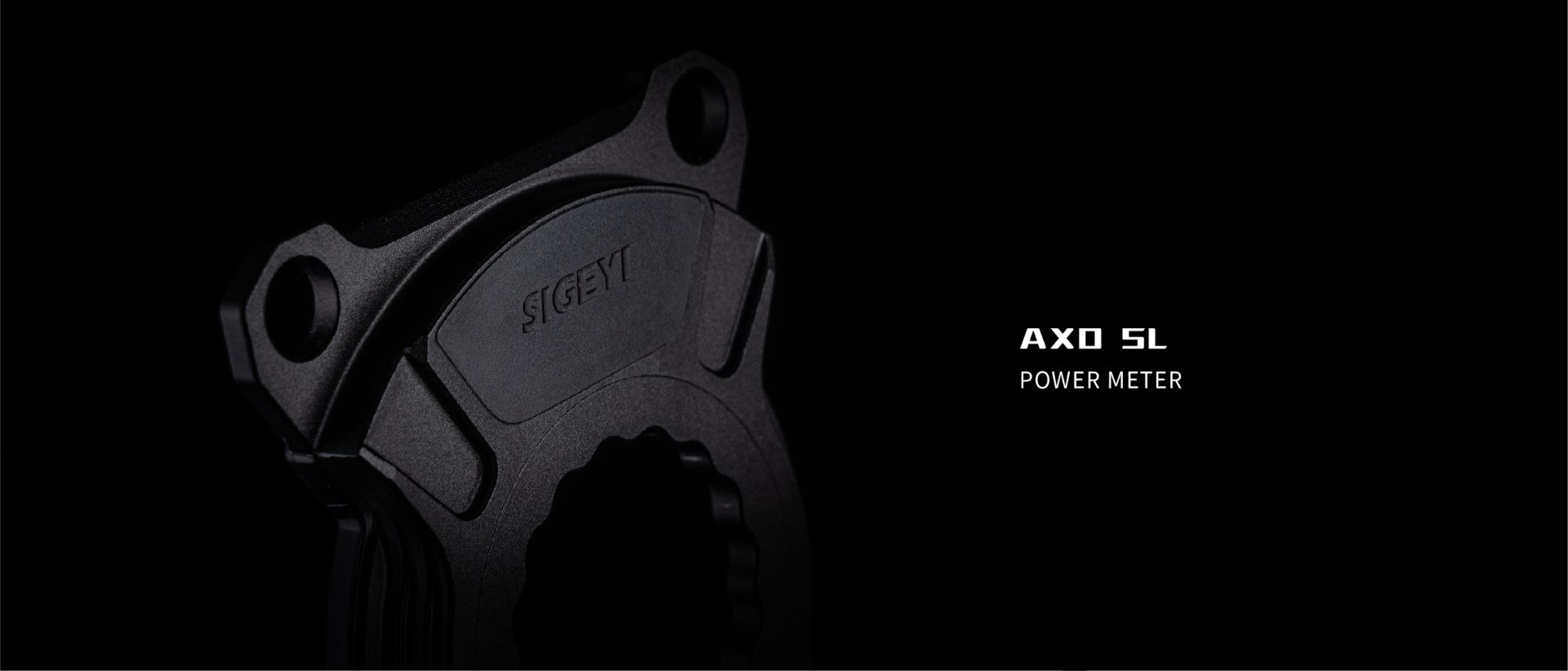
SIGEYI AXO SL Spider Power Meter: Sprint-Cadence Bug, Skip
Our first-ride test of the SIGEYI AXO SL spider reproduced a sprint-cadence-sensor failure that renders the power data unusable under hard acceleration: the cadence sensor drops to zero under >1000W load, and the power calculation follows it to garbage. Same failure mode that plagued early Garmin Rally 200 / Vector 3 pedal PMs. 79g, $376 USD. Skip.
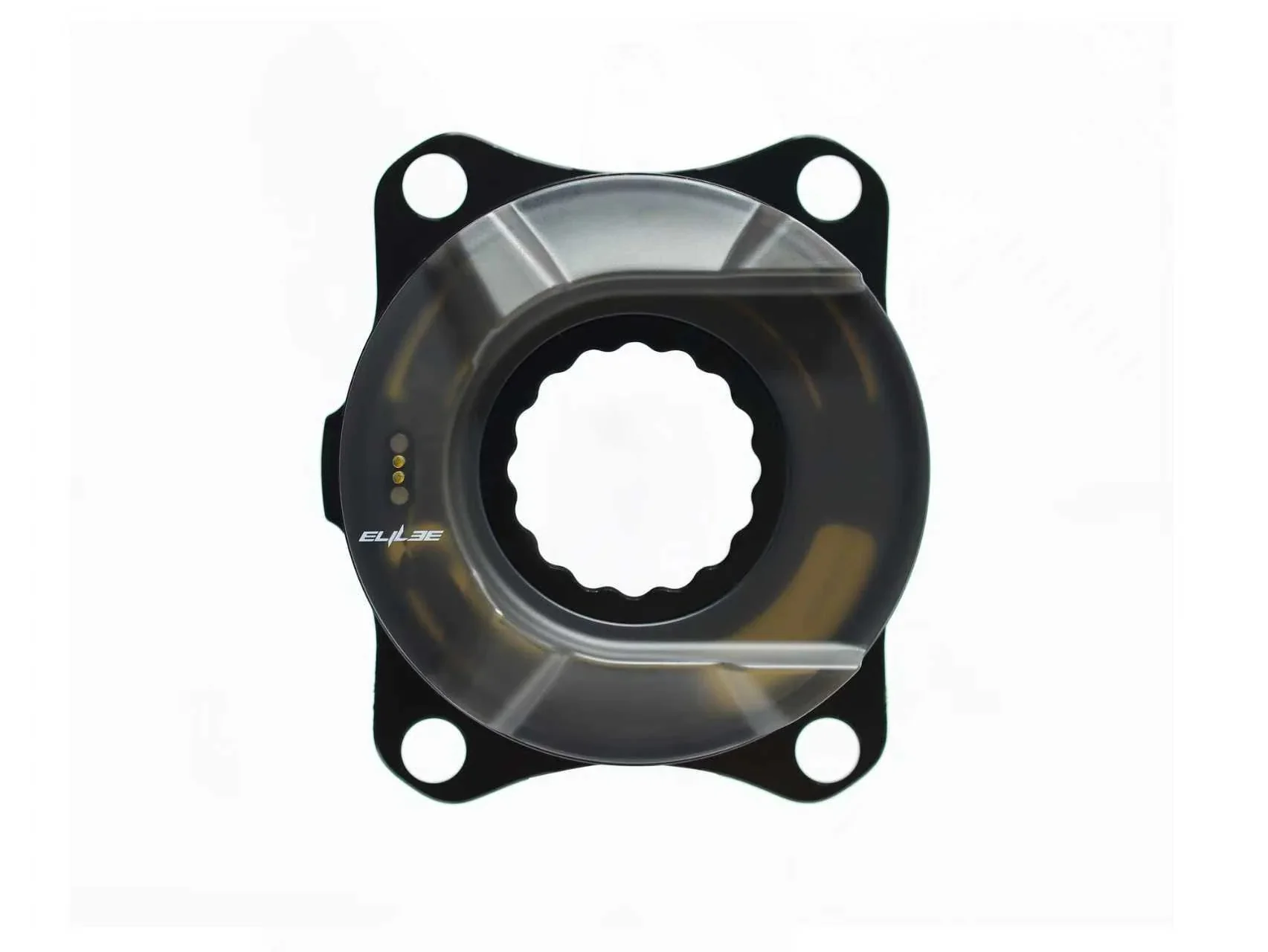
Elilee EK01 Spider Power Meter: 1kW+ Sprint Collapse, No Vendor Fix
Our two-unit cross-test of the Elilee EK01 spider — aluminum first, then the $1200 AUD carbon as a control — reproduced the same catastrophic failure on both: 4-5 second power/cadence dropout under sprint, residual-torque effect requiring manual re-zero after every hard effort. We paused testing and sent data to the vendor; no fix committed. Skip.
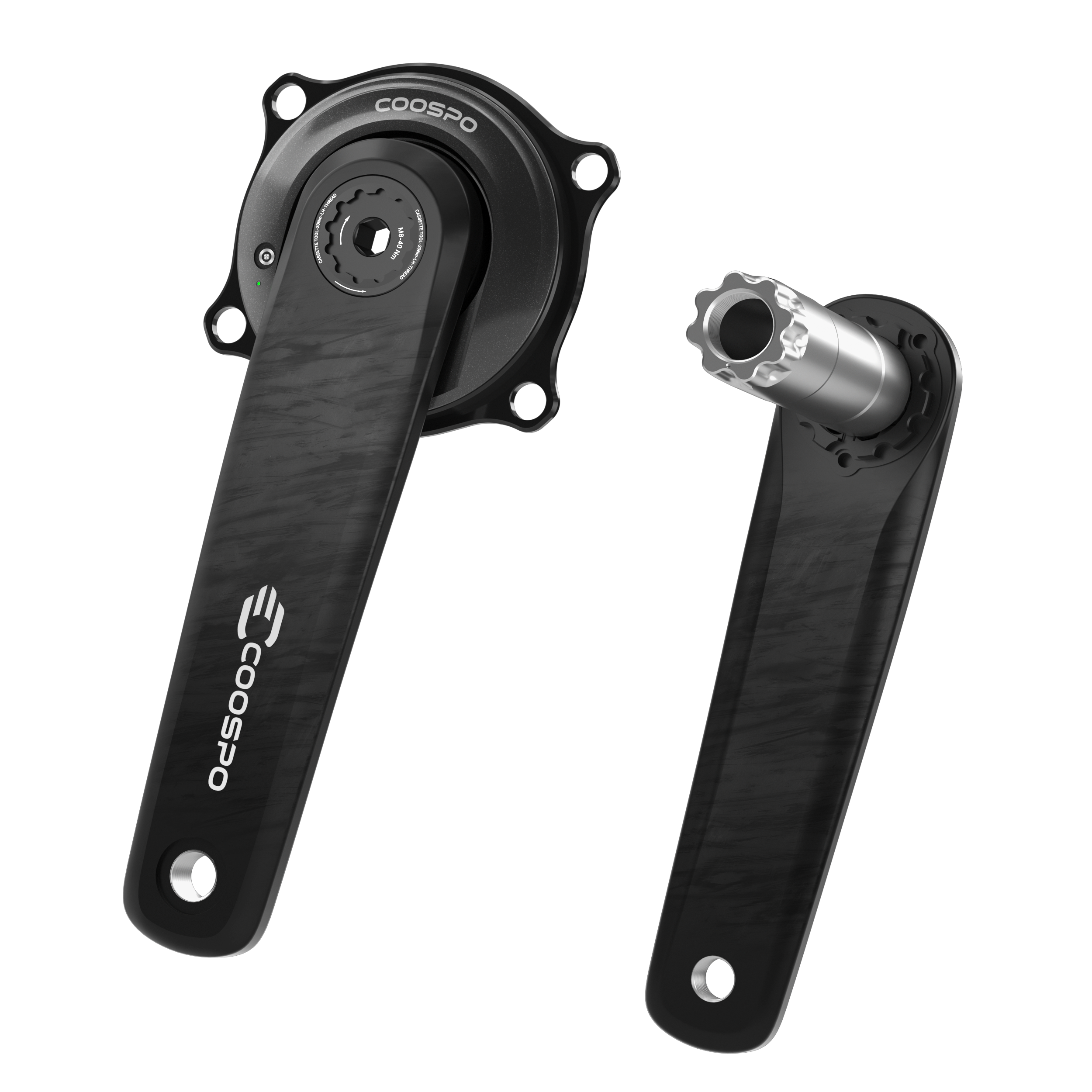
Coospo S10 Spider Power Meter: Sub-$90, Same Bug as PP5, Plus 1s Delay
Our cross-test of the Coospo S10 spider against an Assioma Pro RS and a Garmin Rally RS200 reproduced the same hardware-level residual-torque defect that got the ThinkRider PP5 a skip recommendation — plus a 1-second data-transmission delay. The S10 and PP5 share firmware 1.68 and the same Easton Cinch crank interface. At $88, the cheapest spider PM has the least trustworthy data.
Verify with JoyAnalyze
Upload your power-meter data to JoyAnalyze and stack Quarq DZero: The Crank-Based Power Meter with a 200-Hour Battery against other meters — DTW-aligned power curves, RMS error, drift, and Bland-Altman stats.
Open multi-file compare in JoyAnalyzeSee how this fits you
The Quarq DZero: The Crank-Based Power Meter with a 200-Hour Battery is one option. Run the JoyFit assessment to see whether it actually matches your body and riding style — or compare it side-by-side with the other Power Metersin our database.
Community
Discuss this review · Pro members can rateComments
(0)Sign in above to leave a comment.
Loading comments…
Pro Ratings
PROLoading…Sign in above to rate this product on the 8-axis $APPEALS framework.