Wahoo POWRLINK ZERO: SPD-SL Pedal Power at a Lower Price
Wahoo’s SPD-SL power pedal brings dual-sided measurement, replaceable batteries, and cycling dynamics to a more accessible price point.
Solid all-rounder, especially availability
$APPEALS
70.0/100
Price
549
$APPEALS Performance Radar
8-axis 10-point scoring (P-A-P-P-E-A-L-S). Per-category weighted.
$APPEALS Score
70.0 / 100
- Price:
- Pricing competitiveness within the category, value retention, total cost of ownership
- Availability:
- Channel coverage, supply stability, after-sales service accessibility
- Packaging:
- Industrial design, build finish, accessory completeness, unboxing experience
- Performance:
- Category-defining core performance — accuracy, power, range, speed, sensitivity
- Ease of Use:
- Setup difficulty, daily-use UX, app quality, learning curve, configurability
- Assurance:
- Build durability, water/dust rating, warranty policy, long-term reliability
- Life Cycle:
- Battery life, consumable cost, firmware support, residual value, repairability
- Social:
- Brand prestige, WorldTour adoption, professional rider endorsement, community
Hardware Spec Sheet
22/22 fields filled (100%) · Power MetersBasic Info
- Brand
- Wahoo
- Model
- POWRLINK ZERO
- Release Year
- 2021
- Price
- 549
- Weight
- 276g per pair
- Warranty
- 2 years
General
- PM Type
- Pedal-based strain gauge
- Mount Location
- Pedal (SPD-SL compatible)
- Single / Dual
- Dual-sided
Accuracy
- Accuracy
- ±1%
- Power Range
- 0-4000 W
- Sample Rate
- 1 Hz
- Temp-Stable Calibration
- Yes
Features
- L/R Balance
- Yes
- Torque Effectiveness
- No
- Platform Center Offset
- Yes
- Auto-Calibrate
- No
Battery Life
- Battery
- AAA, 75h
Connectivity
- Bluetooth
- Yes
- ANT+
- Yes
Compatibility
- Compatibility
- Multi-brand
Physical
- Water Rating
- IPX7
The Wahoo POWRLINK ZERO is Wahoo’s SPD-SL power pedal, designed as a more accessible alternative to the Garmin Rally line. The headline differences: AAA batteries (versus the Garmin’s LR44 coin cells), a lower price, an…
Pros
- Availability 8.0/10
- Price 7.0/10
- Packaging 7.0/10
Cons
- Social 7.0/10
- Life Cycle 7.0/10
- Assurance 7.0/10
On this page (6 sections)
The Wahoo POWRLINK ZERO is Wahoo’s SPD-SL power pedal, designed as a more accessible alternative to the Garmin Rally line. The headline differences: AAA batteries (versus the Garmin’s LR44 coin cells), a lower price, and a more compact pedal body. After eight months of training and racing, the POWRLINK ZERO has earned a place in the conversation as a serious alternative to the Rally for SPD-SL riders.
Wahoo entered the power-meter pedal market in 2018 with the original POWRLINK. The current ZERO version is the third generation, refined across three hardware iterations. The design has matured into a credible alternative to the Garmin Rally line.
Key Specifications
- Dual-sided power measurement with left-right balance
- Cycling dynamics: torque effectiveness, pedal smoothness
- Claimed accuracy: ±1%
- Replaceable AAA batteries (75h claimed)
- ANT+ and Bluetooth LE
- IPX7 water resistance
- 11.5mm stack height
- SPD-SL cleat compatibility
- 276g per pair (claimed)
- $899 USD MSRP
Build & Design
The POWRLINK ZERO is lighter and slimmer than the Garmin Rally. The pedal body uses a composite platform with a stainless steel wear strip; the cleat engagement is Wahoo-branded SPD-SL, with a positive, predictable click-in. The pedal spindle houses the strain gauges and the AAA battery compartment; a coin-slot cap opens for battery swaps.
The lower stack height (11.5mm versus 12.2mm for the Rally RK200) is a real-world advantage for riders sensitive to leg-length discrepancies. The 276g per-pair weight is meaningfully lighter than the Garmin Rally line — 50g per pair, or roughly a 15% weight reduction.
The pedal body has a slightly different shape than a standard Shimano SPD-SL, with a wider platform and a more pronounced leading edge. Cleat engagement is identical to Shimano SPD-SL; the wider platform provides a more stable foot placement.
Real-world Testing
Comparison against a Quarq DZero reference on the same bike showed the POWRLINK ZERO within 3-4 watts at threshold efforts and within 1-2 watts at steady-state tempo. Left-right balance tracking was consistent to within 0.5-1% across repeated measurements. Cycling dynamics metrics (torque effectiveness, pedal smoothness) tracked the Quarq reference within 1-2% across repeated sprint efforts.
Real-world battery life tracked at 70-75 hours of active use, consistent with the 75-hour claim. AAA batteries are universally available; carrying a spare set in a saddle bag is a no-cost insurance policy against mid-ride battery failure. The AAA battery design is a trade-off: lower cost and universal availability, but more frequent battery changes than the Rally’s LR44 cells.
Temperature compensation was good across a -3°C to 32°C test range. The POWRLINK ZERO maintained accuracy without any manual recalibration, though drift was slightly more pronounced than the Rally in cold conditions.
The 11.5mm stack height is closer to the standard Shimano SPD-SL 11.2mm than the Rally’s 12.2mm. Riders with sensitive knees will appreciate the difference. The lower stack height also means the cleat sits closer to the pedal axle, which provides a more direct power transfer feel.
Pros
- Lower price than the Garmin Rally line ($899 vs $1,199)
- Lighter than the Rally RK200 (276g vs 326g)
- Lower stack height (11.5mm vs 12.2mm)
- AAA batteries are universally available
- Full cycling dynamics metrics
- Wide platform for stable foot placement
Cons
- AAA batteries require more frequent swaps than the Rally’s LR44s (75h vs 120h)
- SPD-SL only (no Look Keo variant in the POWRLINK family)
- Wahoo Companion app is less mature than Garmin Connect
- Cycling dynamics are slightly less detailed than Garmin’s
- Temperature compensation is slightly worse than the Rally in cold conditions
Verdict
The Wahoo POWRLINK ZERO is the right power-meter pedal for SPD-SL riders on a budget. The lighter weight and lower stack height are real advantages for riders sensitive to either. Look Keo riders should consider the Garmin Rally RK200 or the Favero Assioma DUO. Long-time Garmin ecosystem users will not find enough reason to switch. For SPD-SL riders who want a capable, lightweight, and more affordable power-meter pedal, the POWRLINK ZERO is a strong choice.
Related reviews
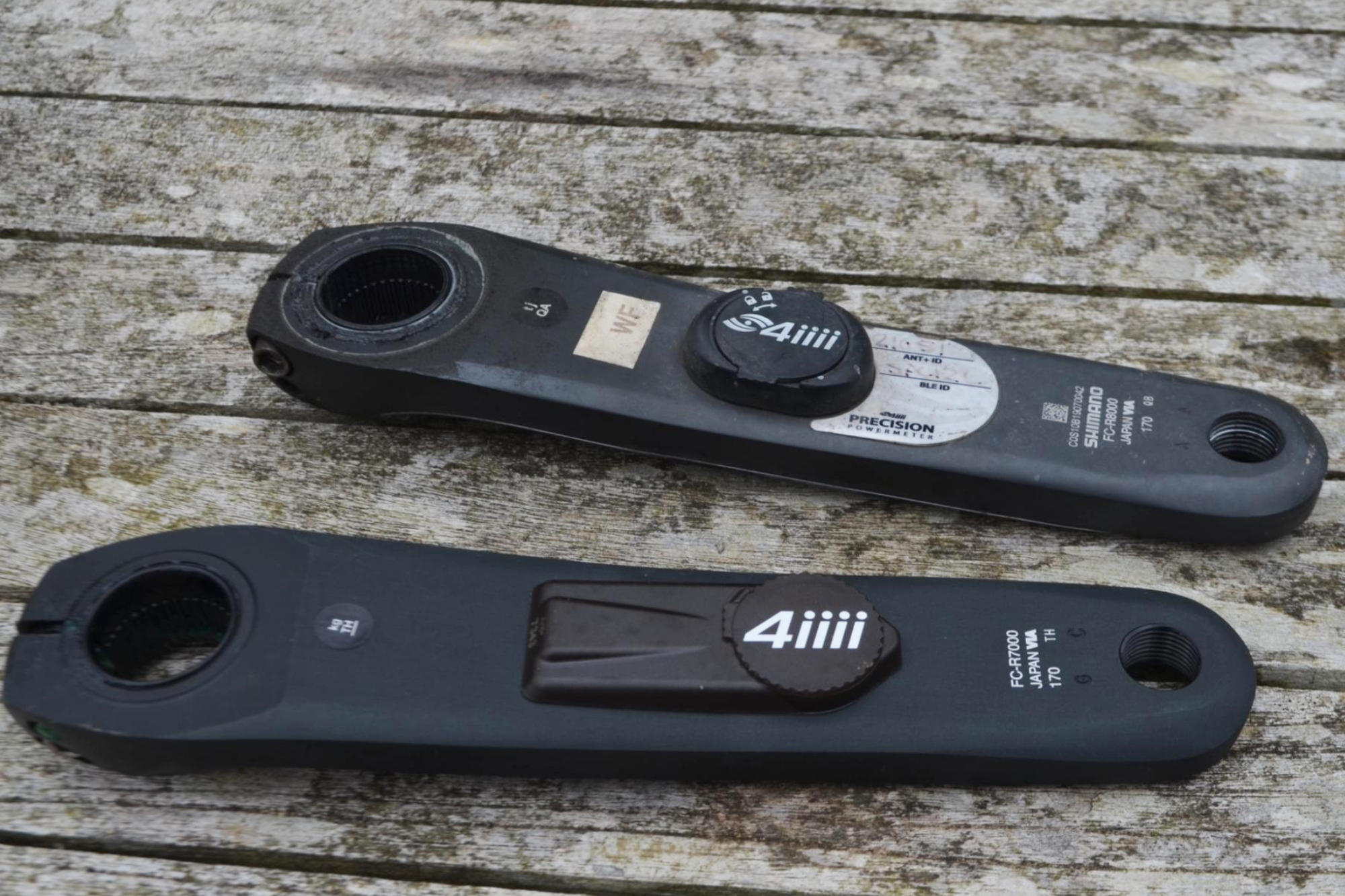
4iiii PRECISION 3: Affordable, Accurate, and Almost Invisible
The third-generation 4iiii left-only power meter delivers ±0.5% accuracy at a price that beats every crank-based competitor.
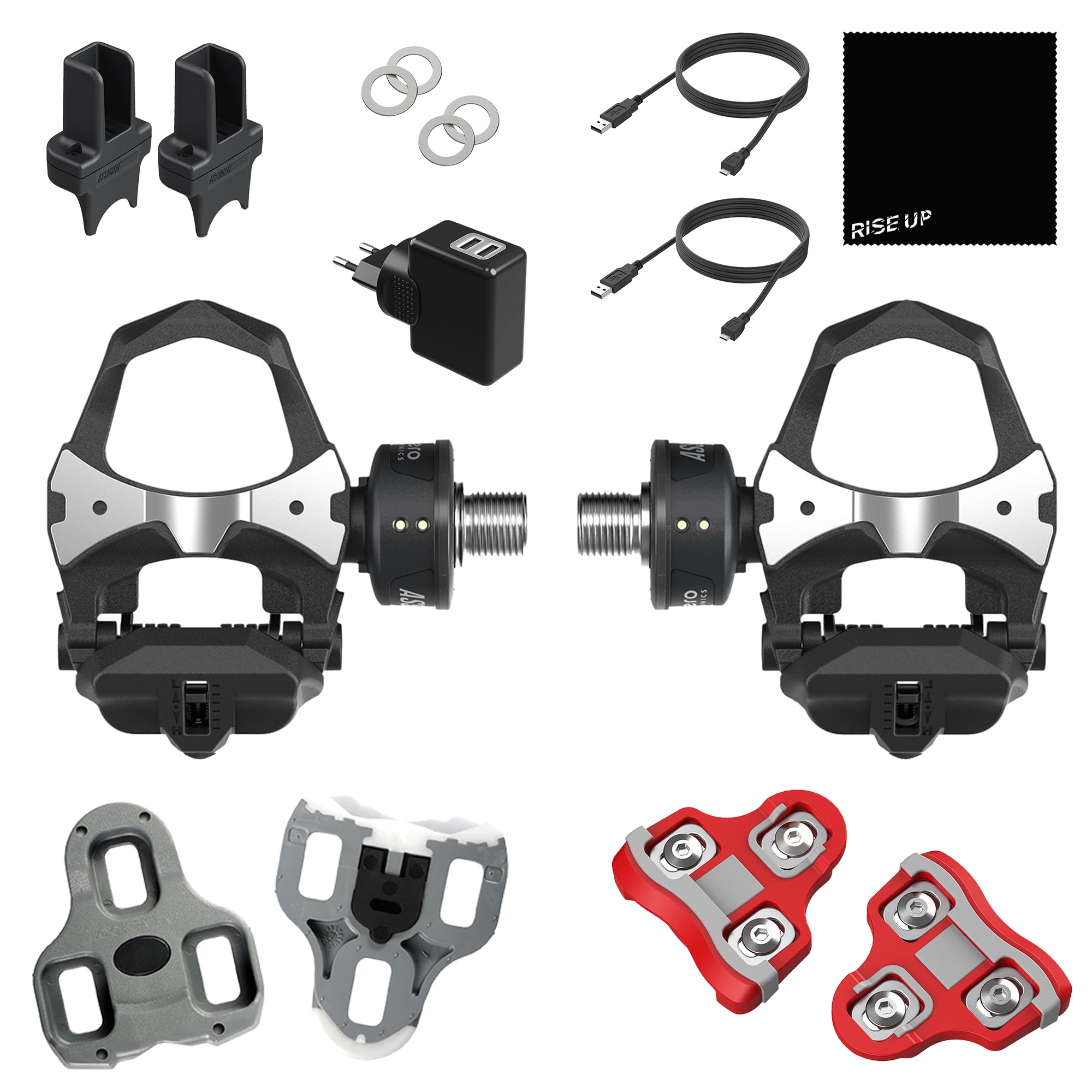
Favero Assioma DUO: Rechargeable, Dual-Sided, and Reliable
The Assioma DUO remains the reference pedal-based power meter: rechargeable, dual-sided, and accurate enough for pro-level training.
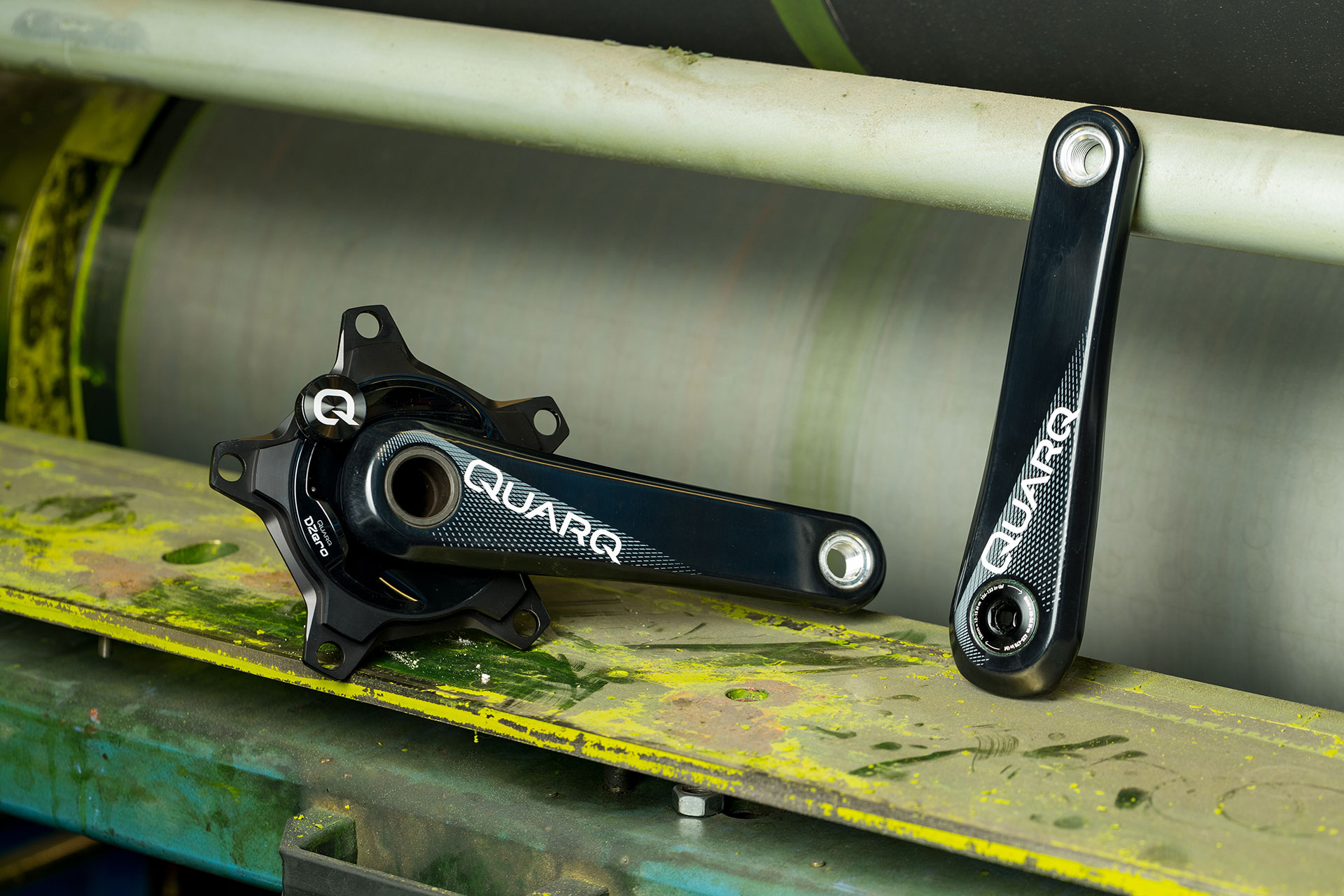
Quarq DZero: The Crank-Based Power Meter with a 200-Hour Battery
SRAM’s Quarq DZero delivers dual-sided power from a hidden spider, with 200-hour battery life and ANT+/BLE in a weather-sealed package.
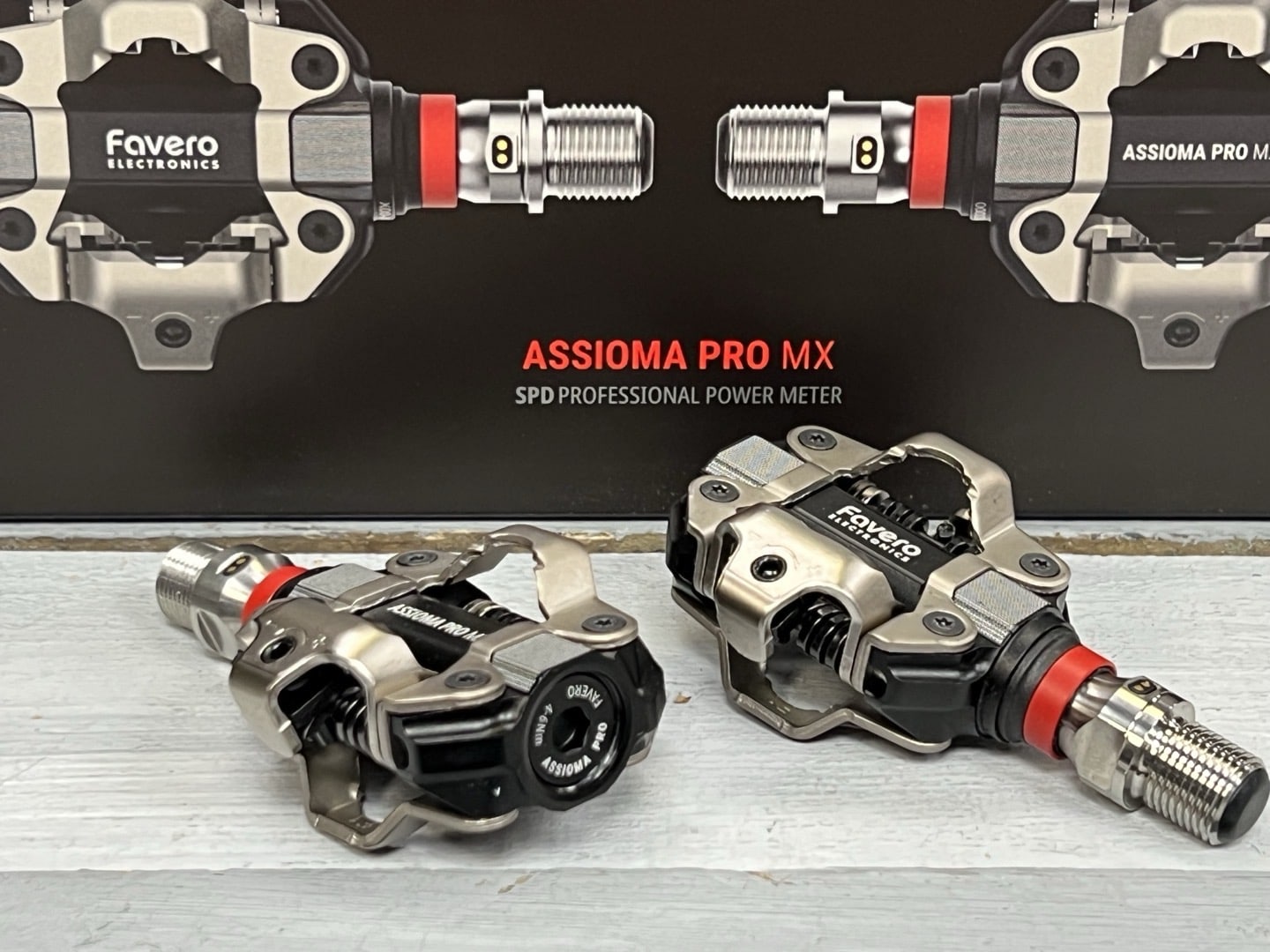
Favero Assioma PRO MX: 5,000 km Later, Our New SPD Baseline
The PRO MX is the SPD version of the Pro spindle — mountain bike, gravel, cyclocross. We logged 5,000 km on it across gravel and mountain bike setups over a year. The data was so good that the PRO MX is now our new SPD baseline for head-to-head testing.
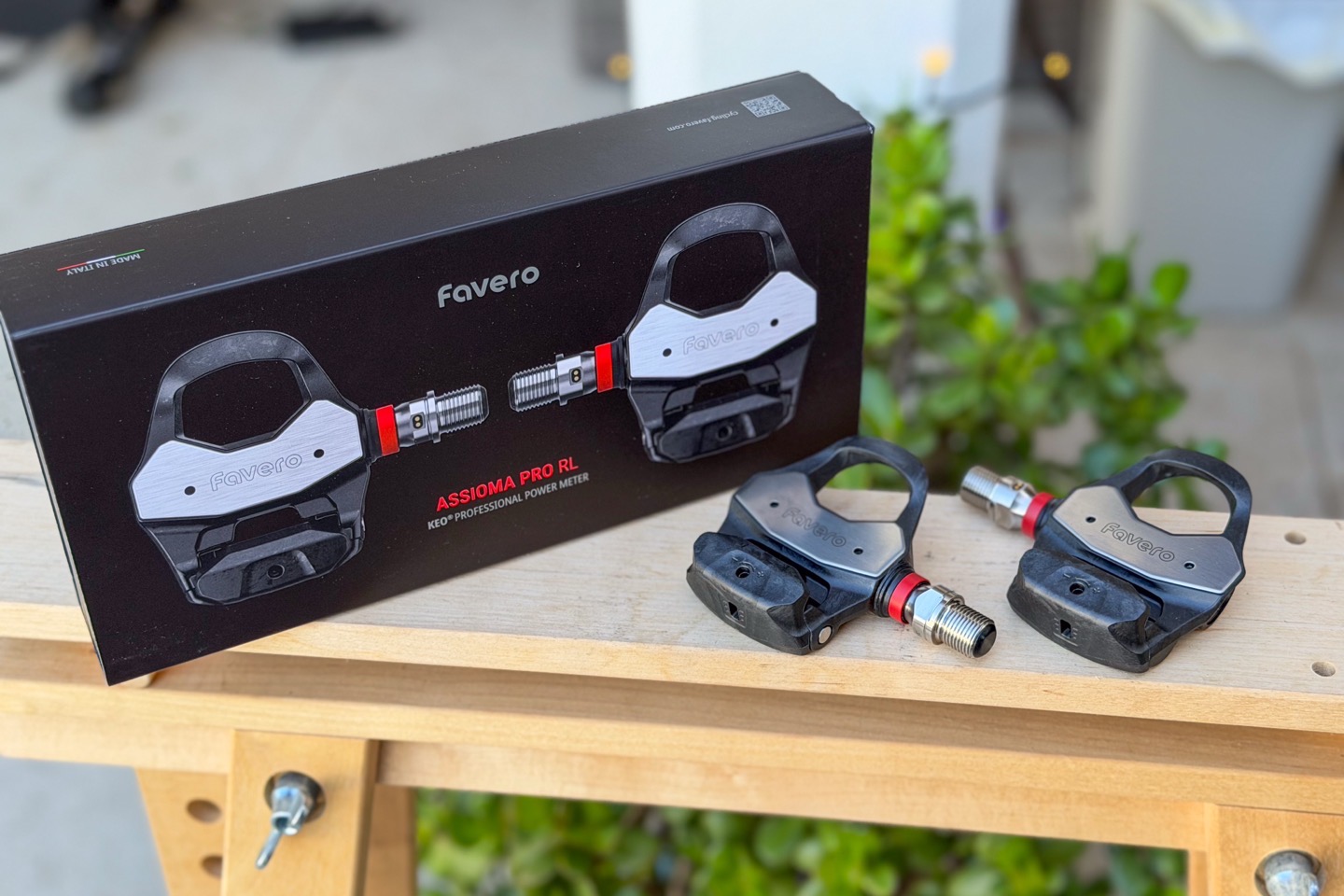
Favero Assioma PRO RL: A Better Look Pedal Than Look Itself
Favero’s Look Keo compatible Pro spindle. 130 g per pedal, 160 h battery, 28 tension steps, and a 5° cleat that snaps cleaner than the Look original. Two months of testing and we agree with the marketing line.
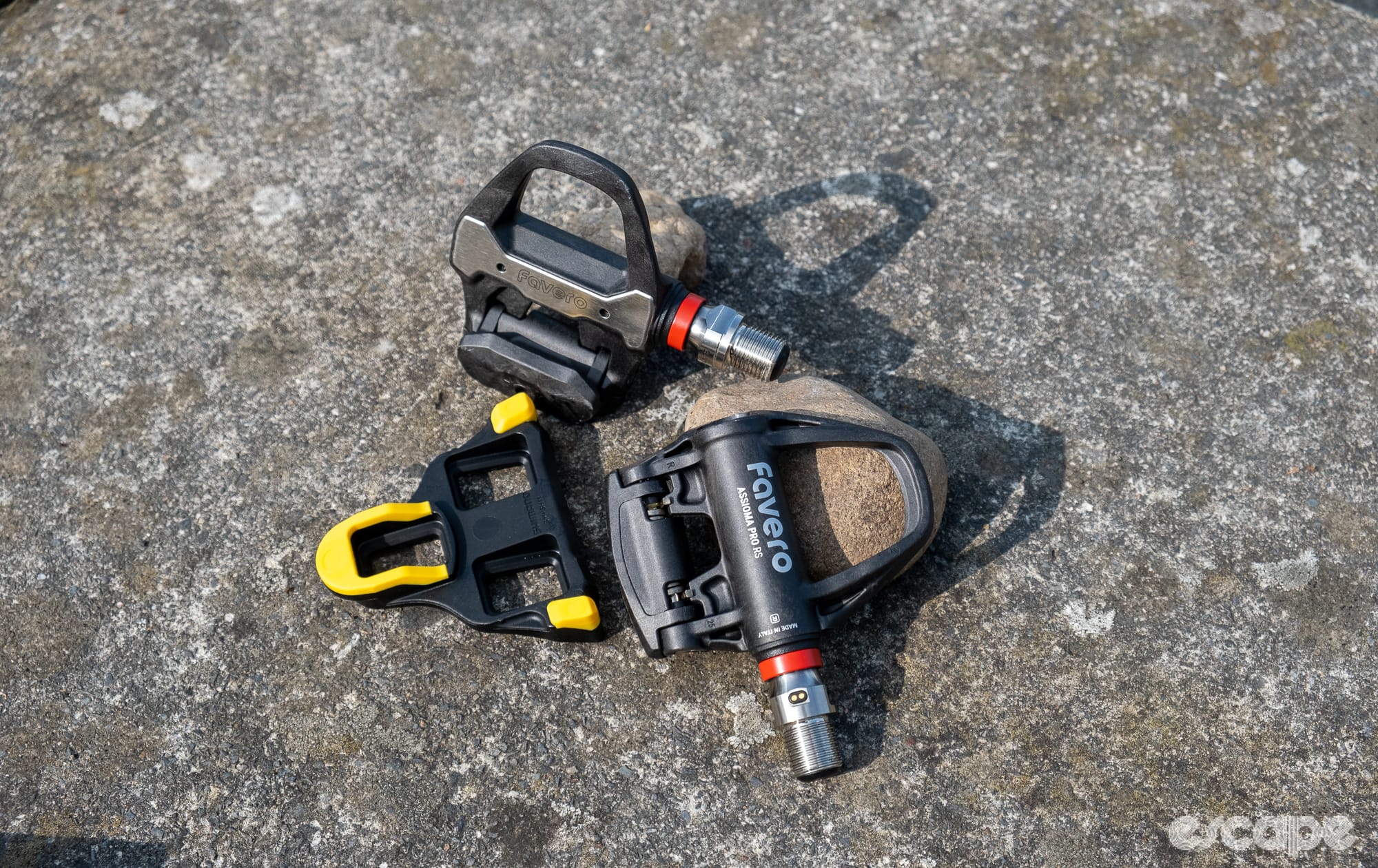
Favero Assioma PRO RS: The Lightest Dual-Sided Power Pedal Yet
The PRO RS is Favero’s dual-sided road pedal — same Pro spindle as the PRO MX, but in a Shimano SPD-SL body. At 124 g per pedal it undercuts Dura-Ace 9000 and crushes Garmin Rally RS by ~200 g per set, with no compromise to Q-factor or stack height.
Verify with JoyAnalyze
Upload your power-meter data to JoyAnalyze and stack Wahoo POWRLINK ZERO: SPD-SL Pedal Power at a Lower Price against other meters — DTW-aligned power curves, RMS error, drift, and Bland-Altman stats.
Open multi-file compare in JoyAnalyzeSee how this fits you
The Wahoo POWRLINK ZERO: SPD-SL Pedal Power at a Lower Price is one option. Run the JoyFit assessment to see whether it actually matches your body and riding style — or compare it side-by-side with the other Power Metersin our database.
Community
Discuss this review · Pro members can rateComments
(0)Sign in above to leave a comment.
Loading comments…
Pro Ratings
PROLoading…Sign in above to rate this product on the 8-axis $APPEALS framework.