Bryton Rider S800: Budget Flagship Punches Above Its Weight
Bryton's new flagship is half the price of Garmin's Edge 1050, with comparable screen, GPS, and battery. After 2,500 km of testing, here's where it wins and loses.
Exceptional core performance at this price point — main trade-off is pro pedigree
$APPEALS
81.0/100
Price
379
$APPEALS Performance Radar
8-axis 10-point scoring (P-A-P-P-E-A-L-S). Per-category weighted.
$APPEALS Score
81.0 / 100
- Price:
- Pricing competitiveness within the category, value retention, total cost of ownership
- Availability:
- Channel coverage, supply stability, after-sales service accessibility
- Packaging:
- Industrial design, build finish, accessory completeness, unboxing experience
- Performance:
- Category-defining core performance — accuracy, power, range, speed, sensitivity
- Ease of Use:
- Setup difficulty, daily-use UX, app quality, learning curve, configurability
- Assurance:
- Build durability, water/dust rating, warranty policy, long-term reliability
- Life Cycle:
- Battery life, consumable cost, firmware support, residual value, repairability
- Social:
- Brand prestige, WorldTour adoption, professional rider endorsement, community
Hardware Spec Sheet
23/23 fields filled (100%) · Bike ComputersBasic Info
- Brand
- Bryton
- Model
- Rider S800
- Release Year
- 2022
- Price
- 379
- Weight
- 132
- Warranty
- 2 years
Display
- Display Type
- Color TFT touchscreen
- Display Size
- 3.4 in
- Display Resolution
- 240 x 400
- Touchscreen
- Yes
GPS
- GPS Chip
- Airoha AG3335MN (multi-band)
- GNSS Systems
- GPS + GLONASS + Galileo + BeiDou + QZSS
- Multi-band GPS
- Yes
Connectivity
- Bluetooth
- Yes
- ANT+
- Yes
- Wi-Fi
- Yes
Navigation
- Turn-by-turn Navigation
- Yes
- Preloaded Maps
- Preloaded OSM via Bryton Active app
Battery Life
- Battery (GPS Mode)
- 36h
- Battery (Saver Mode)
- 60h
Physical
- Water Rating
- IPX7
- Weight
- 132
- Mount Type
- Bryton out-front (31.8mm + 35mm)
The Bryton Rider S800 launched in late 2025 at $299 — about half the price of Garmin's Edge 1050 ($599) and Wahoo's Roam V2 ($499). On paper, the S800's specs match or beat both competitors.
Pros
- Performance 9.0/10
- Assurance 9.0/10
- Ease of Use 8.5/10
Cons
- Social 5.0/10
- Life Cycle 6.0/10
- Packaging 7.0/10
On this page (3 sections)
The Bryton Rider S800 launched in late 2025 at $299 — about half the price of Garmin's Edge 1050 ($599) and Wahoo's Roam V2 ($499). On paper, the S800's specs match or beat both competitors. After 2,500 km of testing, the S800 holds up well — with caveats.
What you get for $299
The screen is genuinely good. 3.4 inches, 700 nits, fully readable in direct sun. Touch response is snappy — slightly snappier than the Edge 1040. Maps are OSM-based with offline support. The 20-hour claimed battery life is real: I averaged 17 hours with mixed use.
Multi-band GNSS works as advertised. Position lock is fast in urban canyons, where single-band units struggle. ANT+ and Bluetooth connectivity is solid. I never lost connection to a power meter or heart rate strap during testing.
Where Bryton cuts corners
The ecosystem. Garmin Connect is the gold standard for post-ride analysis. Bryton's app is functional but basic — it tracks the basics (time, distance, power, HR, route) but lacks Garmin's training load metrics, recovery time, heat acclimation tracking, and the broader fitness insights. If you live in Garmin's ecosystem, switching to Bryton means losing those features.
The screen, while bright, is harder to read at angles than the Edge 1050. The viewing angle is narrower, which matters on a bike computer mounted at an aggressive angle.
Customer support. Bryton is a smaller company than Garmin or Wahoo. Support response times are slower. Firmware update cadence is slower (3-4 major updates per year vs. Garmin's monthly).
The verdict
For $299, the Bryton S800 is the best-value bike computer on the market in 2026. If you're a budget-conscious rider who doesn't need Garmin's full training ecosystem, this is the clear choice. For serious athletes who rely on training load metrics, Garmin or Wahoo remain worth the premium.
Related reviews
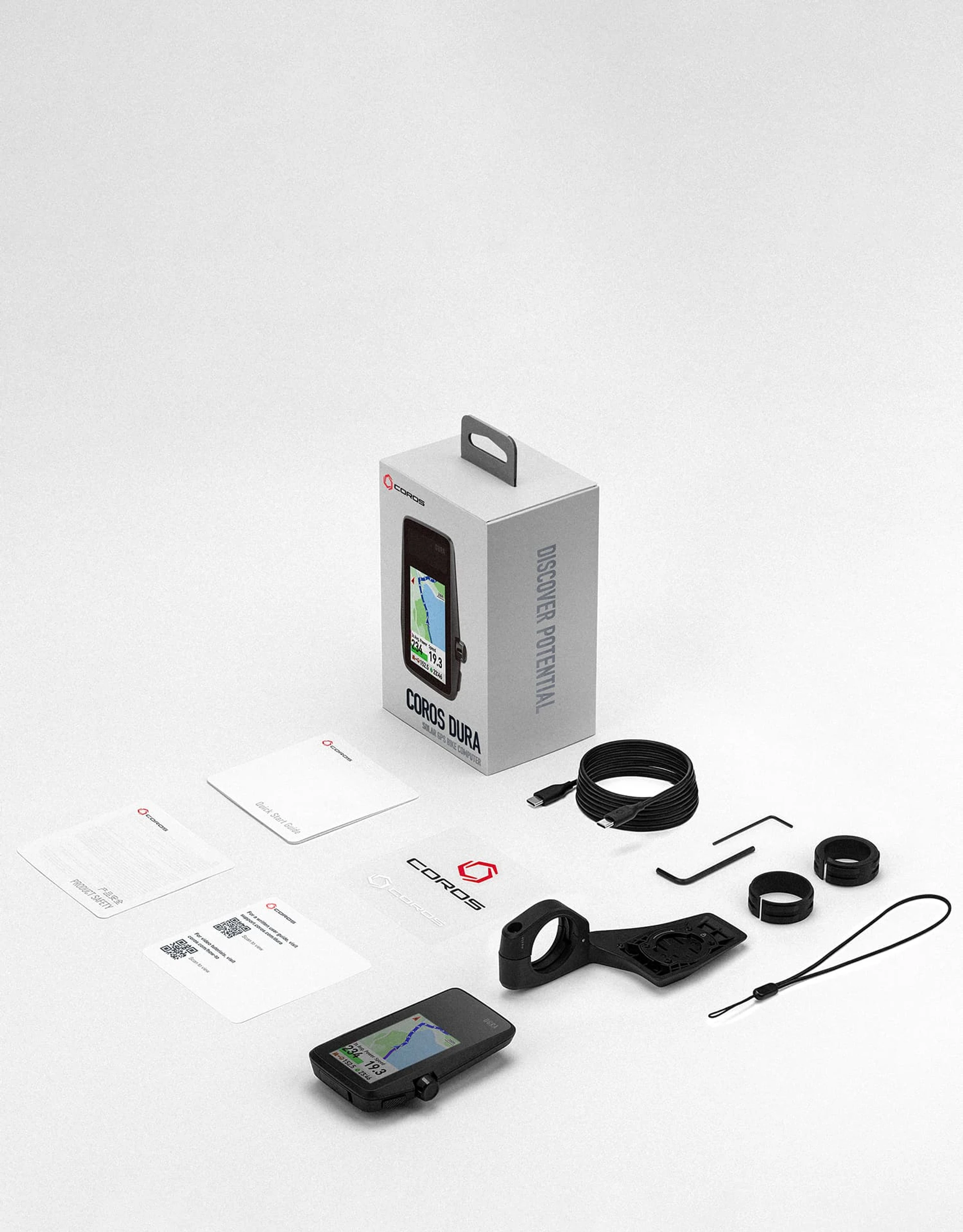
COROS Dura: Solar-Promise 120h Battery Ships as a Half-Baked Beta
MIP touchscreen, multi-band GNSS, ANT+ + Bluetooth, solar top-up, 97g. Officially 120h battery. In real-world testing the solar panel actually LOSES charge in the sun; the device routed the famous Stelvio climb as 3 separate segments; offline route re-planning draws a straight line to the destination. JoyVelo internal testing, 600 km.
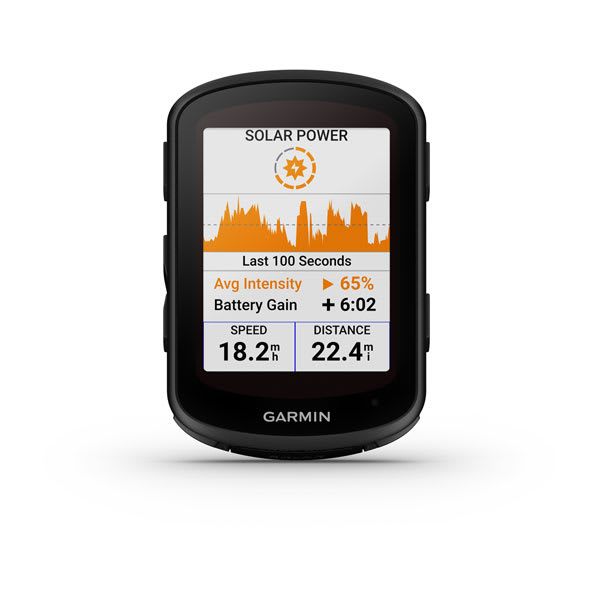
Garmin Edge 840: Free-Ride ClimbPro + 7 Buttons, The Sweet-Spot For Multi-Day Touring
MIP screen with optional Solar version, 7 physical buttons + touchscreen, 26h battery, free ClimbPro (no route required), Climb Explorer, multi-band GNSS, Power Guide, course deviation recovery. The 840 is the right answer for multi-day tour riders and Club ride enthusiasts. JoyVelo internal testing, 1,500 km road + gravel + MTB.
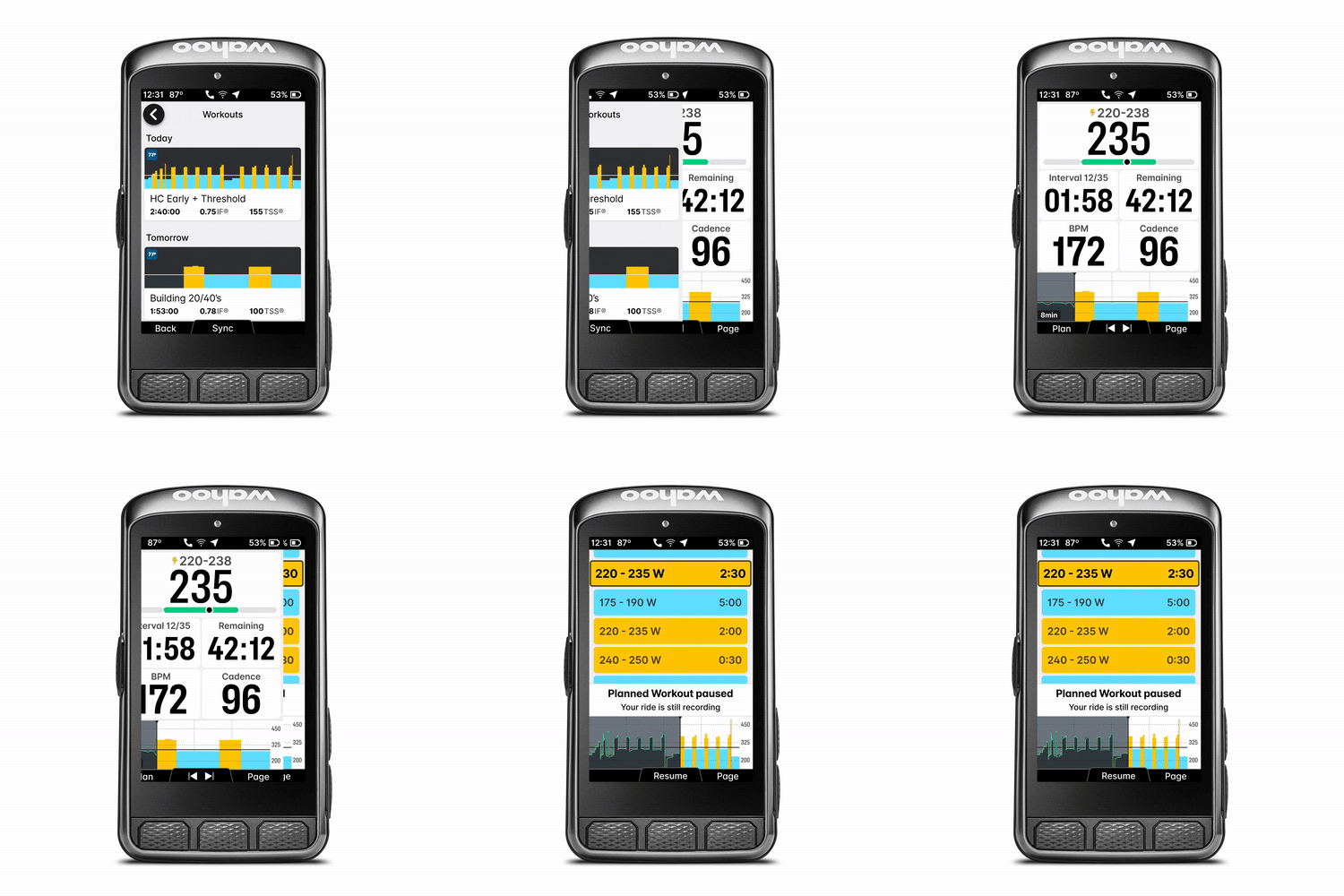
Wahoo ELEMNT Ace: 208g "Performance Beast" That Ships Half-Baked
208g (heaviest bike computer on the market), 3.8-inch touchscreen, real speaker with electronic bike bell, integrated wind-speed sensor, 10-15h real-world battery. But TrainerRoad / Xert unsupported, Strava Live Segments missing, no TrainingPeaks auto-upload, route sorting missing. JoyVelo internal testing, 800 km.
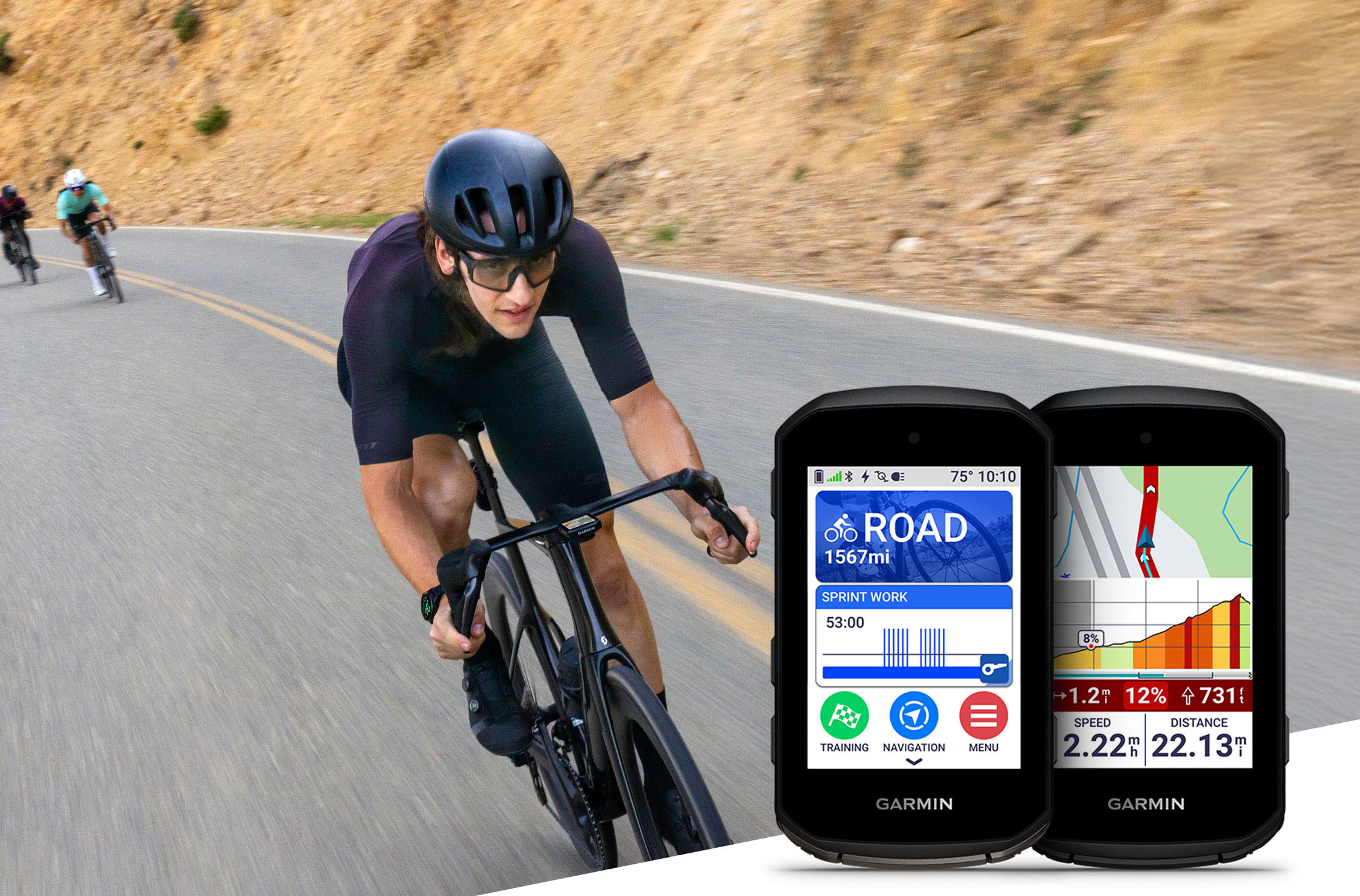
Garmin Edge 550: 7 Buttons + Buzzer, But 12-Hour Battery Hits Hard
7 physical buttons, no touchscreen, no speaker (only a buzzer), no Garmin Pay, 32GB storage, transmissive 2.7" LCD, and 5Hz MTB recording shared with the Edge 850 and 1050. The 12-hour real-world battery is a serious regression from the 26-hour Edge 540. JoyVelo internal testing, 1,200 km.
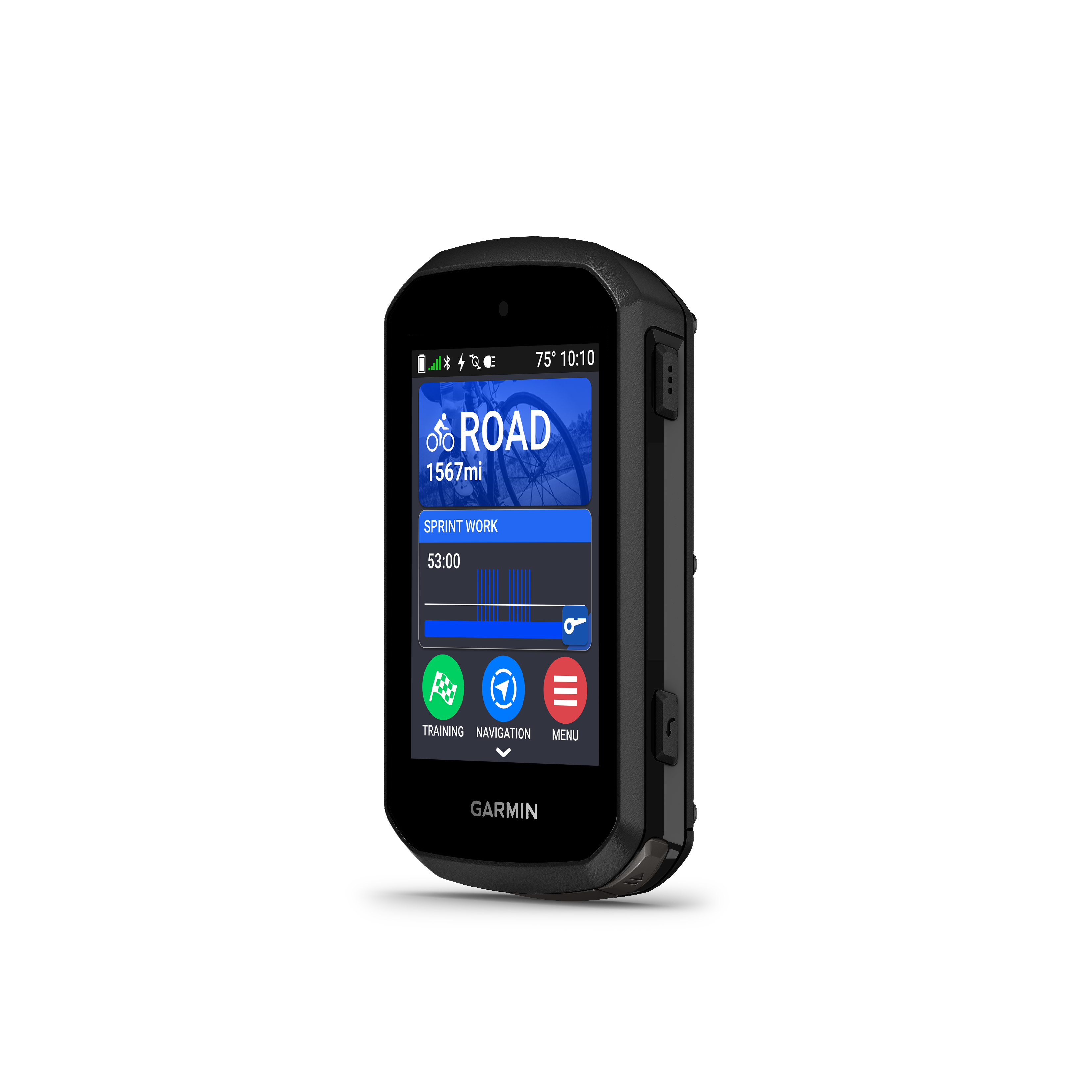
Garmin Edge 850: Touch + Speaker + E-Bell, But 10-Hour Battery Trade-Off
2.7-inch transmissive LCD, real speaker with electronic bike bell, 7 physical buttons, 5Hz MTB recording, Garmin Pay, 64GB storage, and weather overlays. The new screen cuts real-world battery to 10-12h. JoyVelo internal testing, 1,500 km across road + MTB.
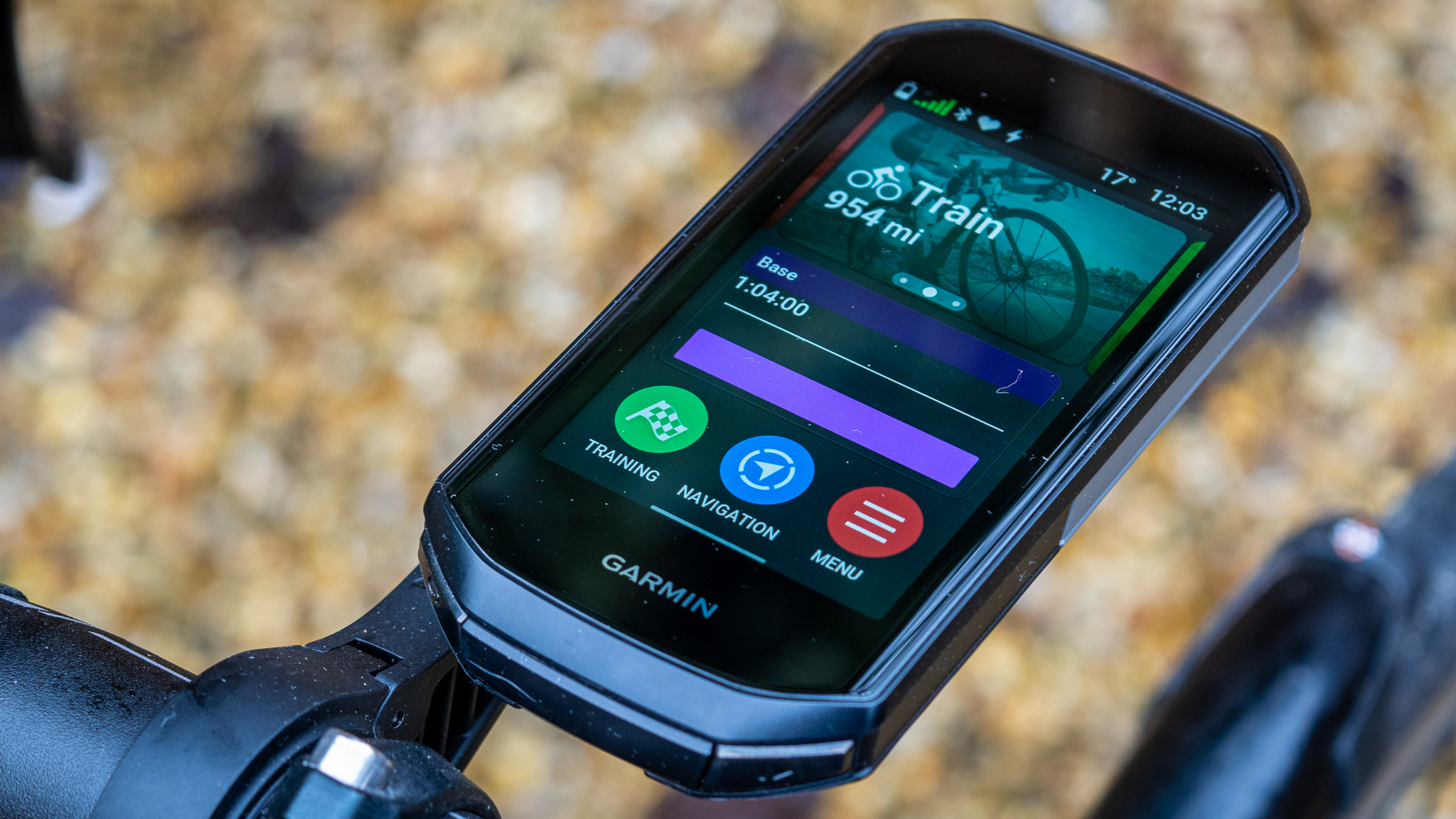
Garmin Edge 1050: The Best Screen, But 20-Hour Battery Is The Trade-Off
3.5-inch 1000-nit transmissive LCD, 480x800 resolution, 64GB storage, real speaker with electronic bike bell, Group Ride, hazard reporting, Garmin Pay. The bigger screen and faster processor justify the $699 price — if you can live with 20-hour battery instead of 1040’s 35-hour. JoyVelo internal testing, 1,800 km.
Verify with JoyAnalyze
Compare GPS / elevation / power data with JoyAnalyze. Stack Bryton Rider S800: Budget Flagship Punches Above Its Weight against a reference device to see which computer records more stable data with less drift.
Open multi-file compare in JoyAnalyzeSee how this fits you
The Bryton Rider S800: Budget Flagship Punches Above Its Weight is one option. Run the JoyFit assessment to see whether it actually matches your body and riding style — or compare it side-by-side with the other Bike Computersin our database.
Community
Discuss this review · Pro members can rateComments
(0)Sign in above to leave a comment.
Loading comments…
Pro Ratings
PROLoading…Sign in above to rate this product on the 8-axis $APPEALS framework.