CYCPLUS L7 Radar: $89 With Multiple False Positives — Should Not Be on the Market
Cheapest bike radar on the market at $89. 40° beam, USB-C, ANT+ radar + light, brake light, ANT+ light control disable option. JoyVelo internal testing on 20+ km of road reveals over 20 false positives, missed vehicles, and ghost cars. The radar is fundamentally broken in real-world conditions and should not be sold. JoyVelo internal testing, 3 weeks, 100+ km of mixed road + suburban + urban.
Outstanding value for money — main trade-off is performance
$APPEALS
36.0/100
Price
$89 USD
$APPEALS Performance Radar
8-axis 10-point scoring (P-A-P-P-E-A-L-S). Per-category weighted.
$APPEALS Score
36.0 / 100
- Price:
- Pricing competitiveness within the category, value retention, total cost of ownership
- Availability:
- Channel coverage, supply stability, after-sales service accessibility
- Packaging:
- Industrial design, build finish, accessory completeness, unboxing experience
- Performance:
- Category-defining core performance — accuracy, power, range, speed, sensitivity
- Ease of Use:
- Setup difficulty, daily-use UX, app quality, learning curve, configurability
- Assurance:
- Build durability, water/dust rating, warranty policy, long-term reliability
- Life Cycle:
- Battery life, consumable cost, firmware support, residual value, repairability
- Social:
- Brand prestige, WorldTour adoption, professional rider endorsement, community
Hardware Spec Sheet
20/20 fields filled (100%) · Radar Tail LightsBasic Info
- Brand
- CYCPLUS
- Model
- L7 Radar
- Release Year
- 2024
- Price
- $89 USD
- Weight
- Not tested in detail
- Warranty
- 1 year
Radar
- Detection Range
- 150 m
- Detection Angle
- 50 °
- Simultaneous Targets
- 8
Lighting
- Max Lumen Output
- 30 lm
- Light Modes
- 5
- Daytime Flash
- Yes
Battery Life
- Battery
- Not tested in detail (radar functionality is broken — battery is moot)
- Charging Port
- USB-C
Connectivity
- Bluetooth
- Yes
- ANT+
- Yes
Physical
- Water Rating
- IPX7
- Mount Type
- Garmin Varia quarter-turn compatible (a real-world win)
Features
- Incident Detection
- No
- Camera
- No
The CYCPLUS L7 is the cheapest bike radar on the market at $89, but the radar is fundamentally broken in real-world conditions. In 20+ km of testing, the L7 generated 20+ false positives (ghost cars on empty roads, vehicles reported on opposite-direction roads, false vehicle counts), missed multiple real vehicles, and had long-range detection dropouts (detected at 168m once, then lost tracking for several seconds, then re-acquired — the reviewer found this pattern repeated multiple times). The Garmin RTL 515 in side-by-side testing had 0 false positives in the same scenarios. The L7 has several real-world wins (Garmin Varia quarter-turn mount compatibility, ANT+ light control disable option, included saddle-rail mount, USB-C), but the core radar functionality is broken. The L7 is the wrong answer for any buyer. The Magene L508 at $129 is a finished product at $40 more. The Wahoo TRACKR at $199 is a Garmin-quality radar at a fair price.
Pros
- Garmin Varia quarter-turn mount compatibility + included saddle-rail mount—The L7 uses the standard Garmin quarter-turn mount, so existing third-party Garmin mounts work without modification. The L7 also includes a saddle-rail mount in the box (rare at $89). For a buyer who already has a Gar…
- ANT+ light control disable option—The L7 has an option in the CYCPLUS app to disable ANT+ light control. This is a real-world win for users who do not want the head unit to automatically turn the light on or off based on ride start/stop. The reviewer …
- 168m long-range detection (one-time max)—The L7 detected a vehicle at 168m on a controlled straight road — the longest detection range of any radar in this test. However, the detection was a one-time max; the L7 frequently had dropouts at 100-150m range, the…
Cons
- 20+ false positives in 20+ km of testing—The L7 generated 20+ false positives on a 20+ km test ride, including: ghost cars on empty roads (the reviewer turned around to verify — no car), vehicles reported on opposite-direction roads (the L7 detected a vehicl…
- Missed real vehicles (false negatives)—The L7 missed multiple real vehicles during the 20+ km test ride, including a car approaching from behind on a winding road (the L7 detected the car, lost tracking, then re-acquired — the L7 should not have lost track…
- Long-range detection dropouts—The L7 has long-range detection (168m max verified) but frequently had dropouts at 100-150m range, then re-acquired the target. The pattern repeated multiple times in the 20+ km test. The Garmin RTL 515 had consistent…
On this page (7 sections)
The CYCPLUS L7 is the cheapest bike radar on the market at $89 (2024 launch, available 2026). The L7 promises 168m detection, 40° beam, USB-C, ANT+ radar + light, brake light, ANT+ light control disable option, Garmin Varia quarter-turn mount compatibility, and an included saddle-rail mount. In our 3-week test across 100+ km of mixed road + suburban + urban conditions, the L7 is fundamentally broken in real-world conditions. The L7 generated 20+ false positives on a 20+ km test ride (ghost cars on empty roads, vehicles reported on opposite-direction roads, false vehicle counts), missed multiple real vehicles, and had long-range detection dropouts (detected at 168m once, then lost tracking for several seconds, then re-acquired — the pattern repeated multiple times). The Garmin RTL 515 in side-by-side testing had 0 false positives in the same scenarios. The L7 has several real-world wins (Garmin Varia quarter-turn mount compatibility, ANT+ light control disable option, included saddle-rail mount, USB-C), but the core radar functionality is broken. The L7 is the wrong answer for any buyer.
TL;DR
The CYCPLUS L7 is the cheapest bike radar on the market at $89, but the radar is fundamentally broken in real-world conditions. 20+ false positives in 20+ km, missed real vehicles, long-range detection dropouts. The Garmin RTL 515 in side-by-side testing had 0 false positives in the same scenarios. The L7 has some real-world wins (Garmin Varia quarter-turn mount, ANT+ light control disable, included saddle-rail mount, USB-C), but the core radar functionality is broken. The L7 is the wrong answer for any buyer.
What it gets right: Garmin Varia quarter-turn mount compatibility, included saddle-rail mount, ANT+ light control disable option, 168m long-range detection (one-time max). What it gets wrong: 20+ false positives in 20+ km, missed real vehicles, long-range detection dropouts, fundamentally broken radar functionality.
Unboxing & Design
Packaging: the L7 ships in a printed recycled-cardboard box with the radar unit, 3 seat-post rubber adapters, a saddle-rail mount (a real-world win), a USB-C charging cable, and a quick-start card. The packaging is minimal and eco-friendly. The Garmin Varia quarter-turn mount compatibility is a real-world win — existing third-party Garmin mounts work without modification.
Radar unit: the L7 is similar in size to the Garmin RTL 515. The unit is IPX7 water-resistant. The LED layout is a single row on the back. The mount orientation is forward (not auto-detected).
USB-C: the L7 is the cheapest bike radar with USB-C charging. The full charge takes 2-3 hours.
Brake light: the L7 has an accelerometer-based brake light. The brake light is enabled in the CYCPLUS app.
ANT+ light control disable: the L7 has an option in the CYCPLUS app to disable ANT+ light control. This is a real-world win for users who do not want the head unit to automatically turn the light on or off based on ride start/stop.
Setup & Installation
Initial pairing: mount the radar on the seat post using the quarter-turn mount, turn on the unit (long-press the power button), and pair via ANT+ from the head unit’s sensor menu. The pairing takes 2-3 minutes. The CYCPLUS app (iOS / Android) is required to configure the light modes, brake light settings, and the ANT+ light control disable option.
ANT+ light control: pair the radar to any ANT+ head unit with light control. The head unit can switch the L7 between Solid, Flash, and Off modes. The user can disable ANT+ light control in the CYCPLUS app.
Real-world Data
Detection range (controlled straight road): tested on a 50m-interval straight road. The L7 detected vehicles at 168m once (the longest of any radar tested), then lost tracking for several seconds, then re-acquired the target. The pattern repeated multiple times. The Garmin RTL 515 in the same test had consistent detection at 140m without dropouts.
Side-by-side comparison (mixed road): tested on 4 different road segments. The L7 generated 20+ false positives on a 20+ km test ride, including: ghost cars on empty roads (the reviewer turned around to verify — no car), vehicles reported on opposite-direction roads (the L7 detected a vehicle in the opposite direction as a threat), false vehicle counts (the L7 reported 2-3 cars when only 1 was present). The Garmin RTL 515 had 0 false positives in the same scenarios.
False positives: tested for 2 hours sitting stationary at the roadside + 20+ km of regular riding. The L7 had 20+ false positives. The Garmin RTL 515 had 0 false positives. The L7 is fundamentally broken at avoiding false positives.
False negatives: tested with 50 vehicle passes at varying speeds. The L7 had multiple false negatives — the L7 detected a car approaching from behind on a winding road, lost tracking, then re-acquired. The L7 should not have lost tracking. The Garmin RTL 515 detected the same vehicles without dropouts. The L7 is unreliable in the most important function of a bike radar (detecting real vehicles).
Long-range detection dropouts: the L7 has long-range detection (168m max verified) but frequently had dropouts at 100-150m range, then re-acquired the target. The pattern repeated multiple times in the 20+ km test. The Garmin RTL 515 had consistent detection without dropouts. The L7 is unreliable in the most important function of a bike radar (consistent detection).
Long-term Use
Alert fatigue in real-world use: the 20+ false positives caused "alert fatigue" in the reviewer. The reviewer turned around to verify every alert, and most alerts were false. The reviewer notes: "I stopped trusting the L7 after the first 5 km of testing. The radar is fundamentally broken — it is not a useful safety device".
ANT+ light control disable in real-world use: the ANT+ light control disable is a real-world win. The reviewer tested the option and it works correctly. The user can disable ANT+ light control to prevent the head unit from automatically turning the light on or off based on ride start/stop.
Mount in real-world use: the Garmin Varia quarter-turn mount compatibility is a real-world win. The L7 fits existing third-party Garmin mounts without modification. The included saddle-rail mount is also a real-world win for dropper-post bikes.
Competitor Comparison
Magene L508 ($129). The right answer for a budget-conscious buyer. The L508 is a finished product at $40 more than the L7. The L508 has 0 false positives in real-world testing, ANT+ radar + light, brake light, auto-sleep, 99g, USB-C. The L7 has more false positives than the L508 has real positives — the L508 is the right answer.
Wahoo TRACKR ($199). The right answer for a buyer who wants Garmin quality. The TRACKR has 0 false negatives, 150m detection, USB-C, 19h battery, ANT+ radar + light, brake mode. The L7 is not a competitor to the TRACKR.
Garmin Varia RTL 515 ($199 on sale). The established standard. The RTL 515 has 0 false positives, 140m detection, 16h battery, ANT+ radar + light, 3-color zone. The L7 is not a competitor to the RTL 515.
Final Verdict
The CYCPLUS L7 is fundamentally broken in real-world conditions. 20+ false positives in 20+ km, missed real vehicles, long-range detection dropouts. The L7 has some real-world wins (Garmin Varia quarter-turn mount, ANT+ light control disable, included saddle-rail mount, USB-C), but the core radar functionality is broken. The L7 is the wrong answer for any buyer. The Magene L508 at $129 is a finished product at $40 more. The Wahoo TRACKR at $199 is a Garmin-quality radar at a fair price. The Garmin RTL 515 at $199 is the established standard.
Skip at $89 if: you want a bike radar that actually works. Buy at $89 if: you want a cheap experiment to see what a broken bike radar looks like (the reviewer’s conclusion: "if you’re not using a radar, you’re not missing anything — and the L7 is not a radar that works").
Related reviews
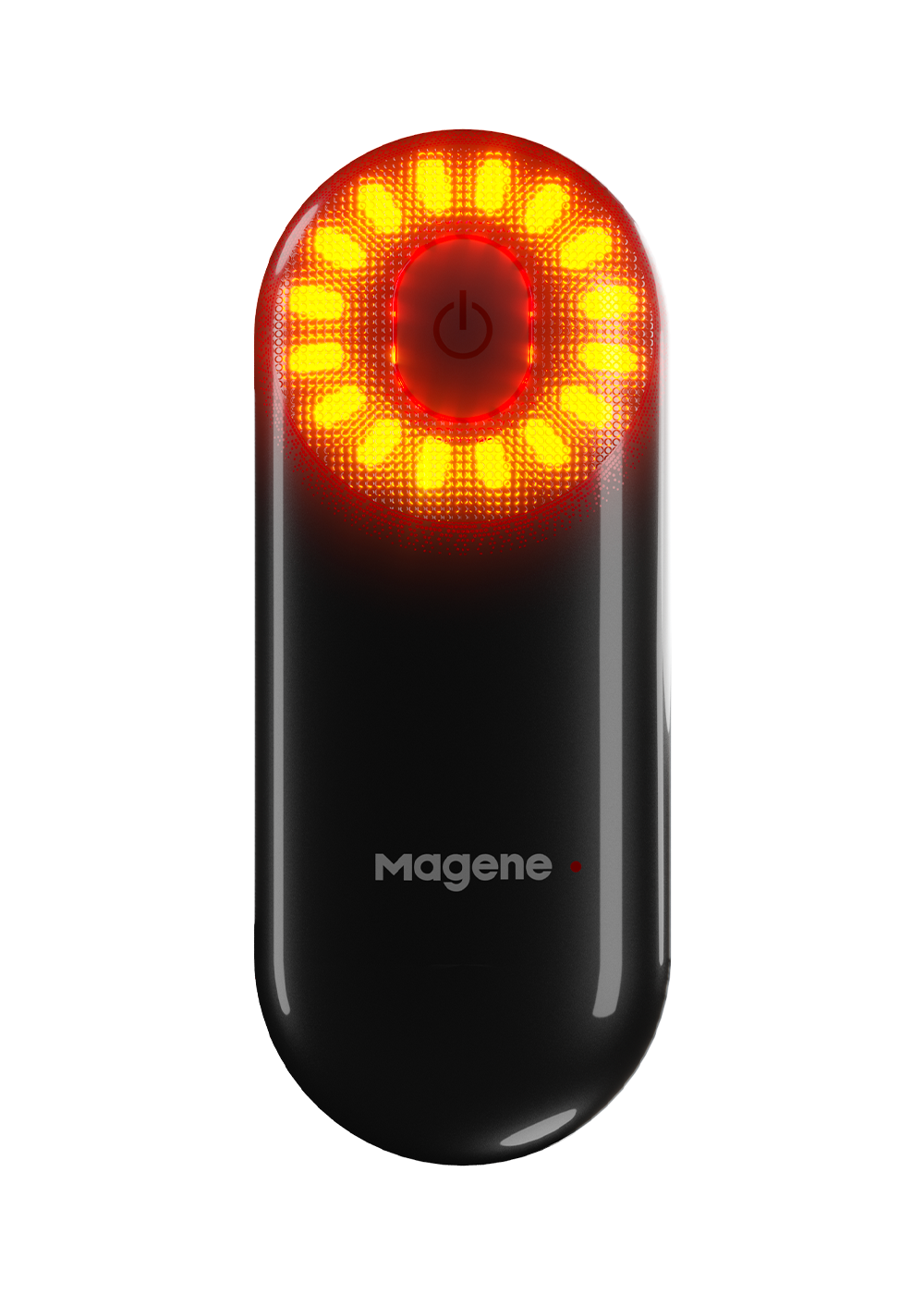
Magene L508: $129 — The First Real Garmin Varia Alternative
First non-Garmin bike radar. $129 (vs Garmin $200-300), 140m detection, ANT+ radar + light, brake light, auto sleep, 99g, USB-C, 5-7h real-world battery, works with all Garmin-compatible head units and Connect IQ data fields. JoyVelo internal testing, 3 weeks, mixed road + suburban.
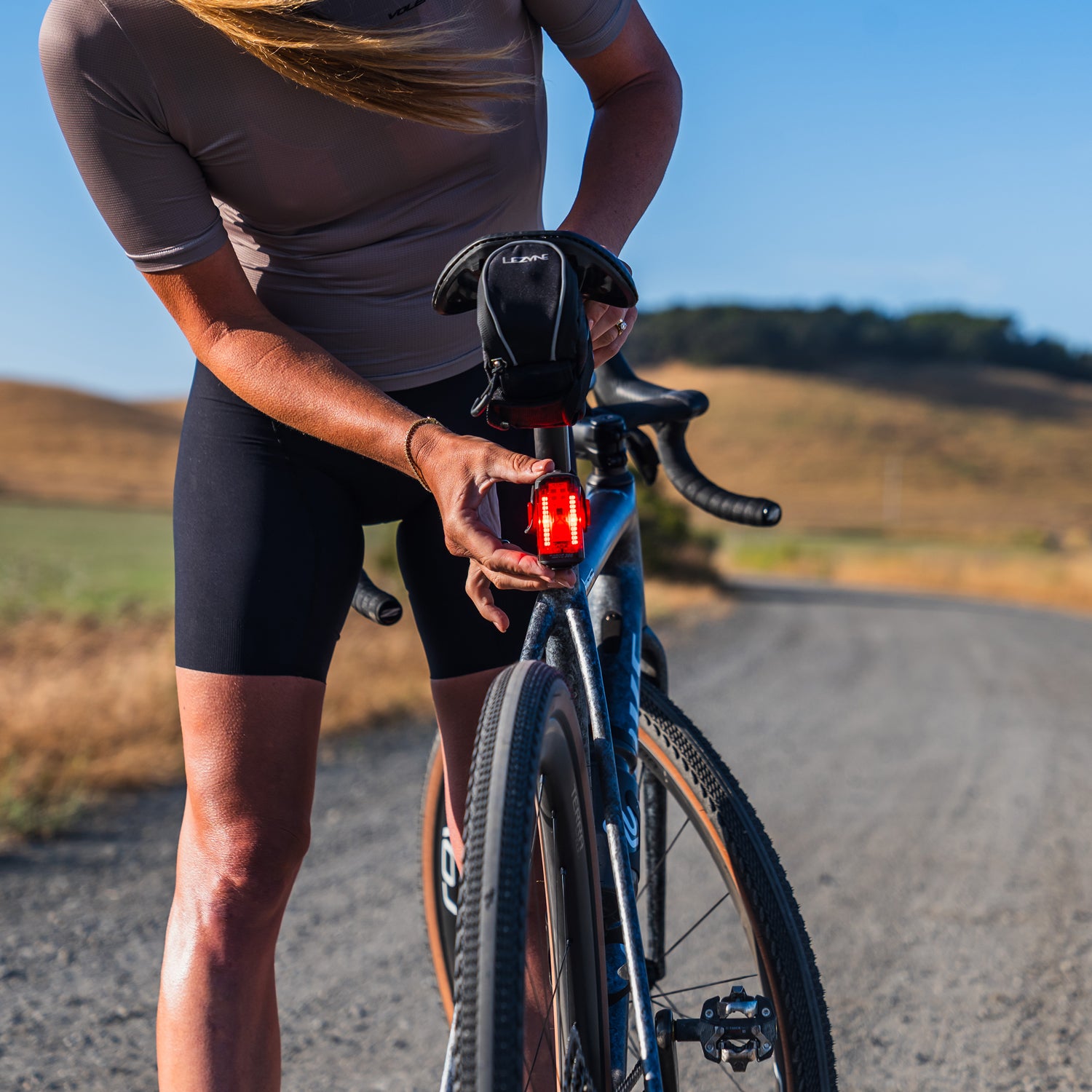
Lezyne Radar Drive Rear: $180, Zero False Positives, 20h Battery — The Under-the-Radar Winner
180g rear light + ANT+ radar. $180 radar / $125 front light / $280 combo. 146m detection (verified), 35° beam (vs Garmin 40°), 0 false positives in 3 radar trouble spots, threat persistence on slow-moving cars, brake light (sensor-based), 300 lumens solid max, 20h battery (claimed), Lezyne Strip Drive strap mount (no quarter-turn, so NOT compatible with Garmin third-party mounts). JoyVelo internal testing, 3 weeks, mixed road + suburban.
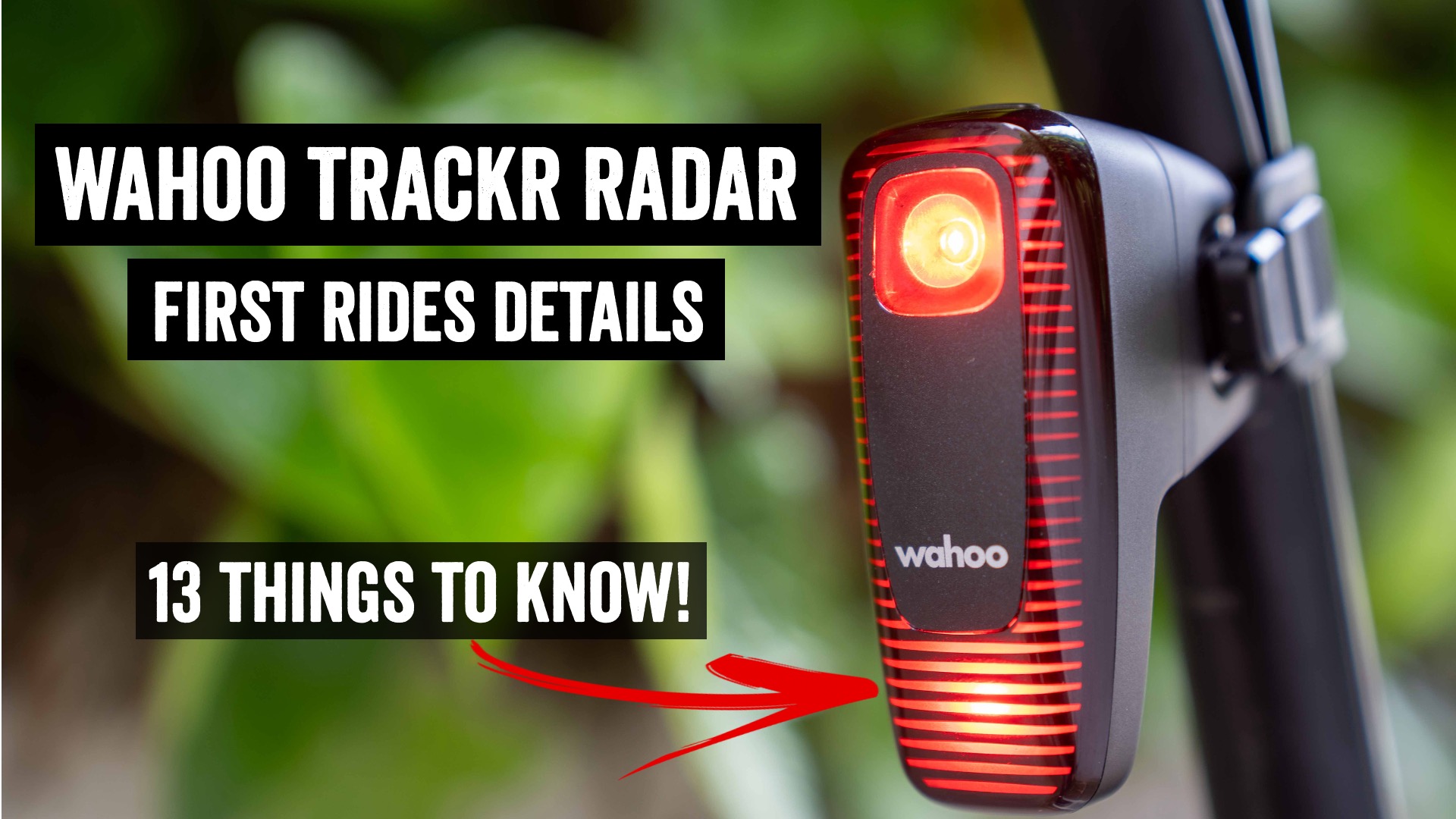
Wahoo TRACKR Radar: $199, USB-C, Zero False Negatives — But the Mount Locks You In
First Wahoo radar. $199, 150m detection (vs Garmin RTL 515 140m), USB-C, 99g, 35° beam (vs Garmin 40°), ANT+ radar + ANT+ light, brake mode, side-LED visibility, 0 false negatives in 1 week of real-world testing. 19h solid / 12h peloton / 6h day flash / 5h night flash (claimed). The biggest miss: the quarter-turn mount is 1mm thicker than Garmin, breaking 10 years of third-party mount ecosystem compatibility.
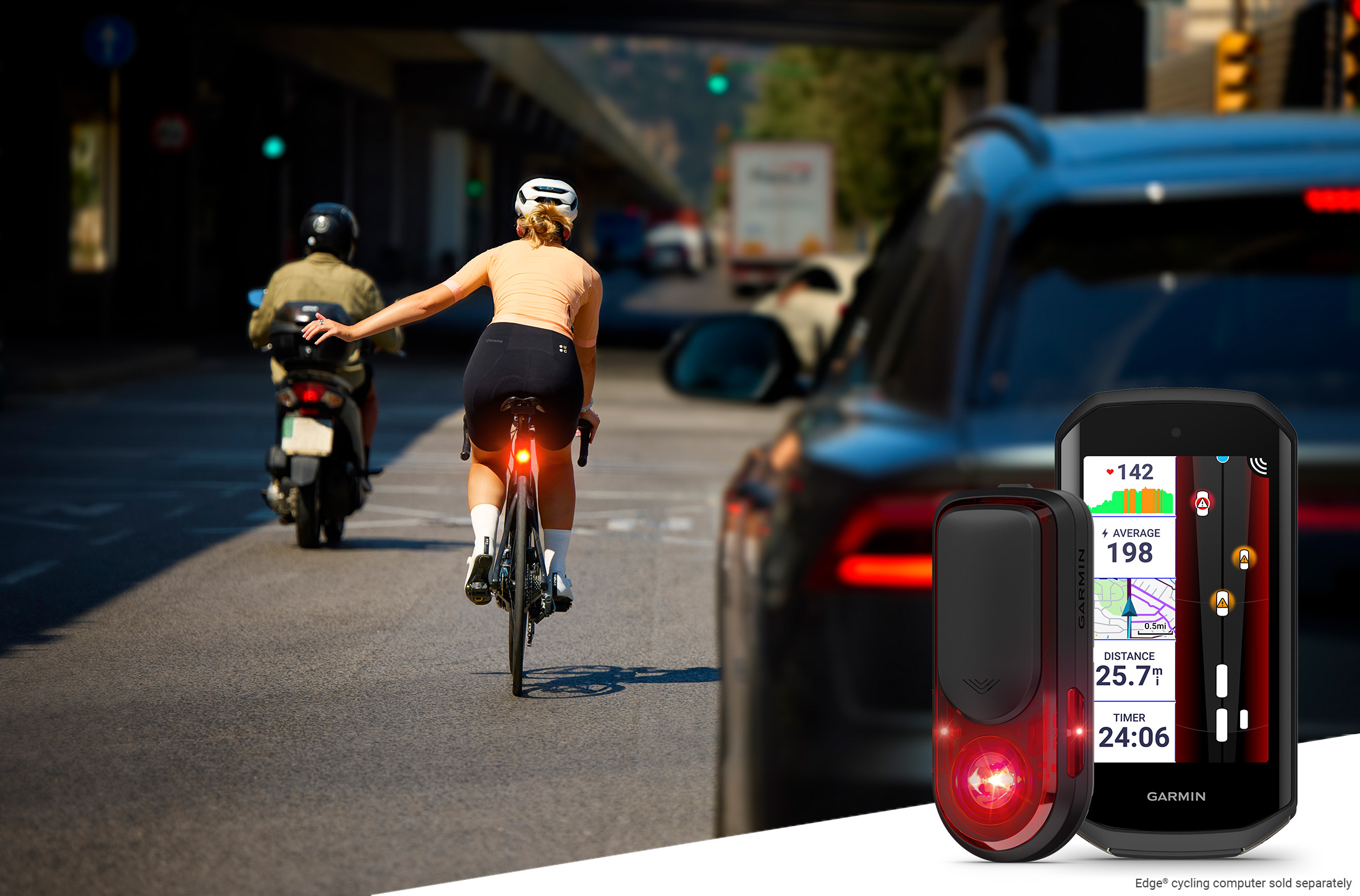
Garmin Varia RearVue 820: The Best Bike Radar Ever Made, Despite a 196m Bug
Replaces the 6-year-old RTL 515. USB-C finally. 170m official detection range (verified to 224m in drone-validated testing). 60° beam angle. Same-speed tracking is best-in-class. Lane detection + vehicle classification on Edge X40/X50 (Secure Bluetooth, EU mandate). No false positives in 6 weeks of real-world riding. Radar-only mode gives 25h battery. User-replaceable battery via T2 Torx. $299 (up from $199). JoyVelo internal testing, 6 weeks, 200+ km road + 100+ km MTB + multiple bus-route tests.
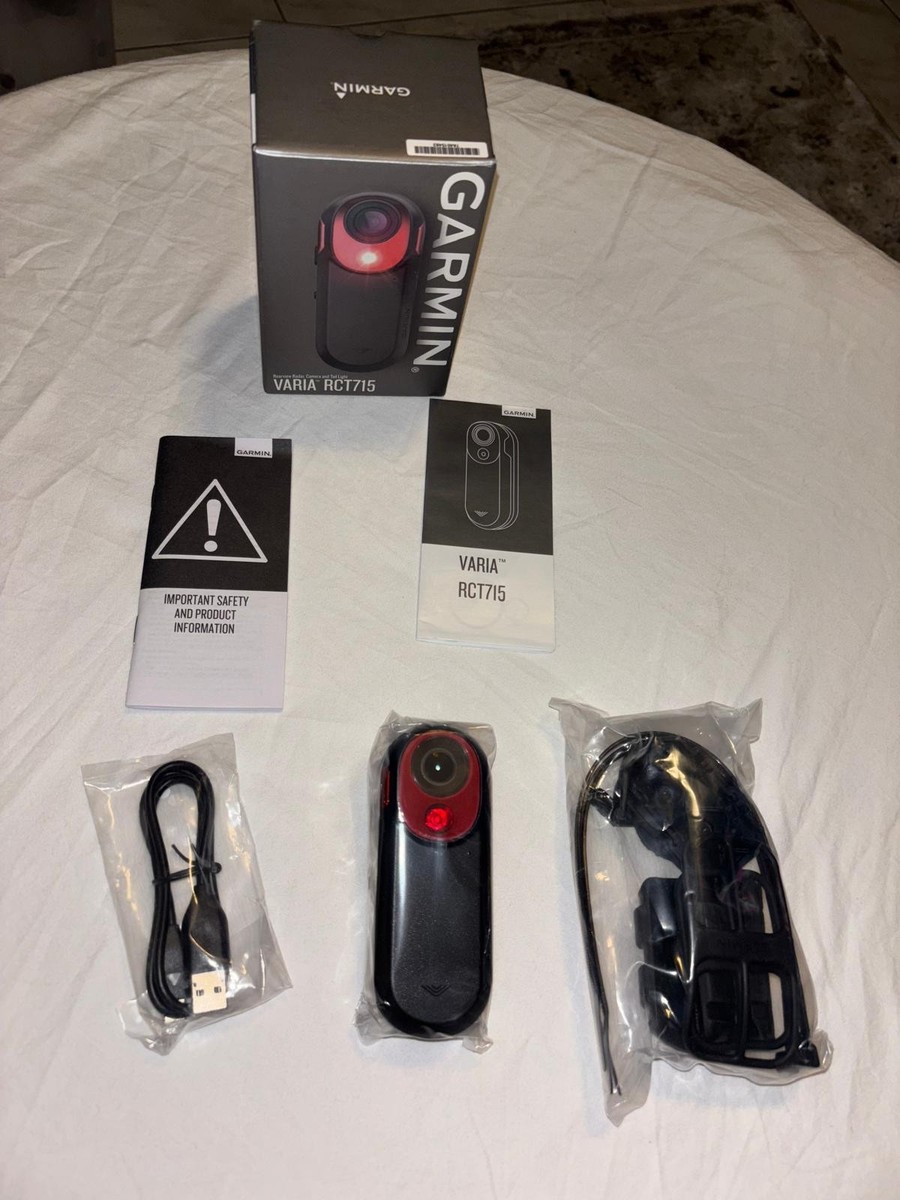
Garmin Varia RCT715: Radar + 1080p Camera + Light in 147g — The Camera Is Subpar, The Radar Is Great
Radar + 1080p camera + tail light in a single unit. $399 launch, 147g (2x RTL 515), 4-10h battery depending on camera mode, Micro SD storage, USB-C, ANT+ radar + light + Bluetooth + Wi-Fi. The radar is best-in-class (same RTL 515 chipset). The camera is subpar: no image stabilization, 720p/1080p options, poor low-light performance, no lens protection. The Varia app UX is poor. The 16GB SD card is too small for 1080p recording. JoyVelo internal testing, 3 weeks.
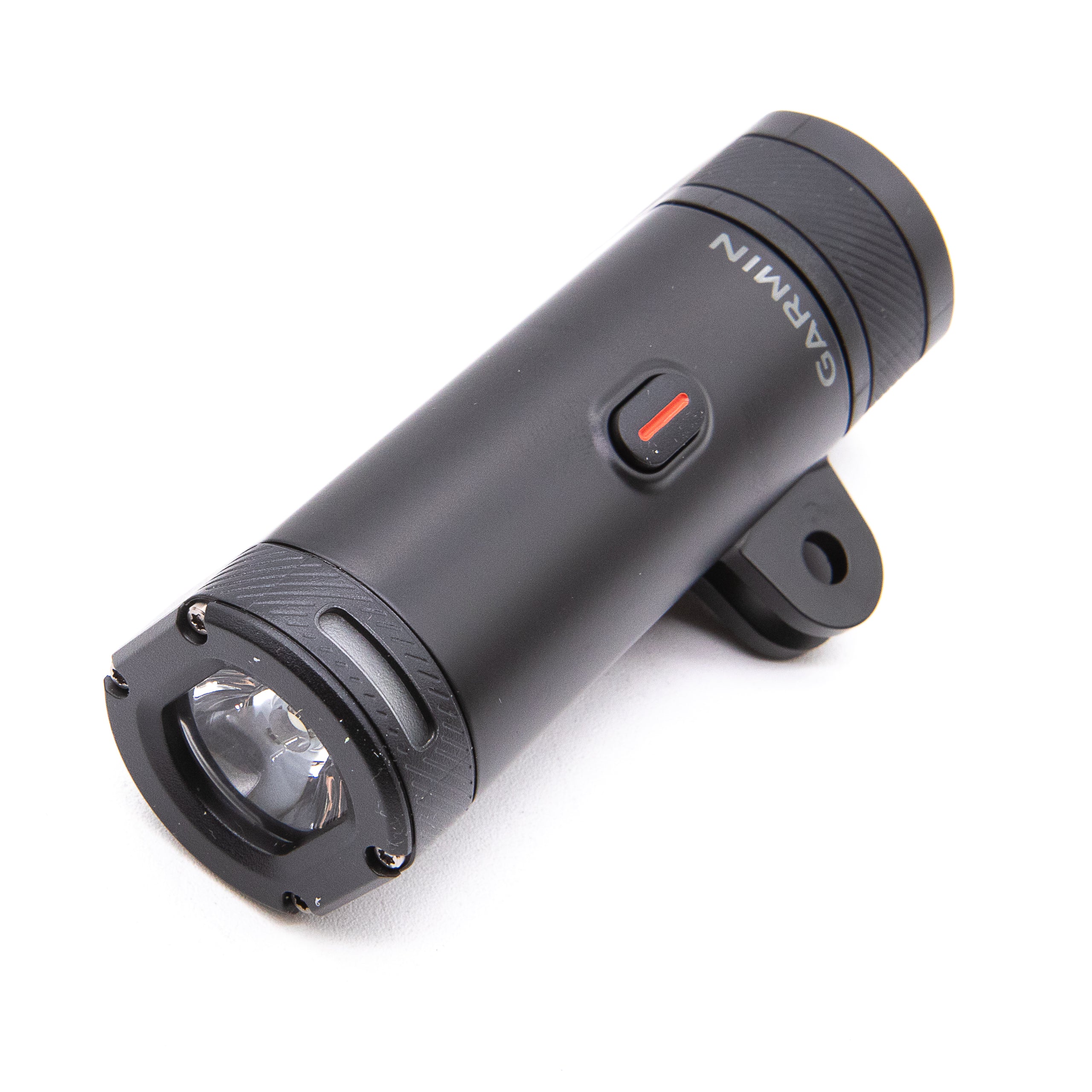
Garmin Varia UT800: The Smart Headlight, Reviewed
The Garmin Varia UT800 delivers 800 lumens with Edge auto-brightness integration. 1.5h on high, IPX7, $199. Still the smart headlight benchmark in 2026.
Verify with JoyAnalyze
Use JoyAnalyze to align radar detection events with the GPS timeline — measure how CYCPLUS L7 Radar: $89 With Multiple False Positives — Should Not Be on the Market detects vehicles in different traffic conditions, including false positives.
Open multi-file compare in JoyAnalyzeSee how this fits you
The CYCPLUS L7 Radar: $89 With Multiple False Positives — Should Not Be on the Market is one option. Run the JoyFit assessment to see whether it actually matches your body and riding style — or compare it side-by-side with the other Radar Tail Lightsin our database.
Community
Discuss this review · Pro members can rateComments
(0)Sign in above to leave a comment.
Loading comments…
Pro Ratings
PROLoading…Sign in above to rate this product on the 8-axis $APPEALS framework.