Garmin Varia RearVue 820: The Best Bike Radar Ever Made, Despite a 196m Bug
Replaces the 6-year-old RTL 515. USB-C finally. 170m official detection range (verified to 224m in drone-validated testing). 60° beam angle. Same-speed tracking is best-in-class. Lane detection + vehicle classification on Edge X40/X50 (Secure Bluetooth, EU mandate). No false positives in 6 weeks of real-world riding. Radar-only mode gives 25h battery. User-replaceable battery via T2 Torx. $299 (up from $199). JoyVelo internal testing, 6 weeks, 200+ km road + 100+ km MTB + multiple bus-route tests.
Exceptional core performance at this price point
$APPEALS
88.0/100
Price
$299 USD (up from $199 on RTL 515)
$APPEALS Performance Radar
8-axis 10-point scoring (P-A-P-P-E-A-L-S). Per-category weighted.
$APPEALS Score
88.0 / 100
- Price:
- Pricing competitiveness within the category, value retention, total cost of ownership
- Availability:
- Channel coverage, supply stability, after-sales service accessibility
- Packaging:
- Industrial design, build finish, accessory completeness, unboxing experience
- Performance:
- Category-defining core performance — accuracy, power, range, speed, sensitivity
- Ease of Use:
- Setup difficulty, daily-use UX, app quality, learning curve, configurability
- Assurance:
- Build durability, water/dust rating, warranty policy, long-term reliability
- Life Cycle:
- Battery life, consumable cost, firmware support, residual value, repairability
- Social:
- Brand prestige, WorldTour adoption, professional rider endorsement, community
Hardware Spec Sheet
20/20 fields filled (100%) · Radar Tail LightsBasic Info
- Brand
- Garmin
- Model
- Varia RearVue 820
- Release Year
- 2025
- Price
- $299 USD (up from $199 on RTL 515)
- Weight
- 75g (vs 71g on RTL 515)
- Warranty
- 1 year
Radar
- Detection Range
- 196 m
- Detection Angle
- 60 °
- Simultaneous Targets
- 8
Lighting
- Max Lumen Output
- 20 lm
- Light Modes
- 4
- Daytime Flash
- Yes
Battery Life
- Battery
- Solid low 10h (verified) / Peloton 15h (verified) / Radar-only 25h (verified, vs 30h official). 5V/2A USB-C charging (replaces micro-USB)
- Charging Port
- USB-C
Connectivity
- Bluetooth
- Yes
- ANT+
- Yes
Physical
- Water Rating
- IPX7
- Mount Type
- D-shape + aero + round seat-post rubber adapters included. Backward-compatible with existing RTL 515 mounts (same connector)
Features
- Incident Detection
- Yes
- Camera
- Yes
The Garmin Varia RearVue 820 is the best bike radar ever made. The 170m official detection range (verified to 224m in drone-validated testing) is 30%+ longer than the RTL 515, the 60° beam angle holds lock on mountain switchbacks where the RTL 515 drops tracking, the same-speed tracking is best-in-class (the Wahoo TRACKR drops the same-speed car after 5 seconds while the RearVue 820 holds it for the entire test duration), the brake light is a real safety addition, the radar-only mode triples the battery to 25h verified, and the user-replaceable battery is a 5-year-lifespan game-changer. The misses: the $299 price is a $100 hike vs the RTL 515 (a real jump for the segment), the new lane detection + vehicle classification are limited to Edge X40/X50 via Garmin’s proprietary Secure Bluetooth (a real walled-garden miss — Wahoo / Hammerhead / Bryton users get only the basic radar), the "196m bug" on the ANT+ protocol causes a 1-2 second false distance reading when a vehicle is detected at 197-224m (Garmin should cap ANT+ at 196m in firmware), the threat-level UI marks nearly every car as orange ("threat") which dilutes the warning, and the vehicle classification fails in rain. The RearVue 820 is the right answer for any cyclist who rides on roads with motor traffic, especially in rain, at night, or on curvy mountain roads.
Pros
- Detection range is 30%+ longer than the RTL 515—In a controlled straight-road test (drone-verified with chalk marks + Google Earth cross-check), the RearVue 820 consistently detected vehicles at 200m+ and hit a verified max of 224m — well beyond the 170m official s…
- Same-speed tracking is best-in-class—In a 2-vehicle test (1 bicycle + 1 car following at the same speed for 5 minutes), the RearVue 820 held the lock on both vehicles for the full 5 minutes. The Wahoo TRACKR dropped the same-speed car after 5 seconds and…
- Brake light + radar-only mode + user-replaceable battery—The accelerometer-based brake light auto-flashes at high intensity on deceleration, alerting following traffic — a real safety addition. The radar-only mode disables the light and triples the battery to 25h verified (…
Cons
- $299 price is a $100 hike vs the RTL 515—The RTL 515 launched at $199 in 2020; the RearVue 820 launches at $299 in 2026. The $100 hike is real, but the value is there: 30%+ longer detection, same-speed tracking, brake light, radar-only mode, user-replaceable…
- Lane detection + vehicle classification are limited to Edge X40/X50 via Garmin’s proprietary Secure Bluetooth. The new EU safety regulation requires Secure Bluetooth for safety features; since there is no industry sta…
- 196m bug" on the ANT+ protocol + threat-level UI too aggressive—When the radar detects a vehicle at 197-224m, the ANT+ protocol (legacy, capped at 196m) returns the wrong distance: 224m - 196m = 28m shown on the head unit instead of 224m. The 1-2 second error is fixable in firmwar…
On this page (7 sections)
The Garmin Varia RearVue 820 is the 2026 successor to the 6-year-old Varia RTL 515 and the best bike radar we have ever tested. The RearVue 820 ships at $299 (a $100 hike vs the RTL 515’s 2020 launch price) and replaces micro-USB with USB-C, increases the official detection range from 140m to 170m (verified to 224m in drone-validated testing), widens the beam angle from 45° to 60°, adds accelerometer-based brake light + radar-only mode + custom light profiles + user-replaceable battery, and ships with lane detection + vehicle classification when paired with a Garmin Edge X40/X50 head unit via Garmin’s proprietary Secure Bluetooth. In our 6-week test across 200+ km road + 100+ km MTB + bus-route tests in city / mountain / rain / night conditions, the RearVue 820 is the most accurate consumer bike radar we have tested. The misses: the $299 price is a real jump for the segment, the lane detection + vehicle classification are limited to Garmin Edge X40/X50 (a real walled-garden miss — Wahoo / Hammerhead / Karoo / Bryton users get only the basic radar), the "196m bug" on the ANT+ protocol causes a 1-2 second false distance reading when a vehicle is detected at 197-224m, and the threat-level UI marks nearly every car as orange ("threat") which dilutes the warning.
TL;DR
The Garmin Varia RearVue 820 is the best bike radar ever made. 170m official detection range (verified to 224m), 60° beam angle, best-in-class same-speed tracking, brake light, radar-only mode (25h), user-replaceable battery, USB-C. The misses: $299 is a real jump for the segment, lane detection + vehicle classification are Edge X40/X50 only via Secure Bluetooth (walled garden), the 196m ANT+ bug causes a 1-2 second distance error, the threat-level UI is too aggressive. The RearVue 820 is the right answer for any cyclist who rides on roads with motor traffic, especially in rain, at night, or on curvy mountain roads.
What it gets right: 30%+ longer detection (170m official, 224m verified), 60° beam holds lock on mountain switchbacks, same-speed tracking is best-in-class (vs Wahoo TRACKR), brake light + radar-only mode (25h) + user-replaceable battery + USB-C, mount backward-compatible with RTL 515. What it gets wrong: $299 is a real price jump, lane detection + vehicle classification are Edge X40/X50 only (walled garden via Secure Bluetooth), 196m ANT+ bug causes 1-2 second distance error, threat-level UI too aggressive, vehicle classification fails in rain.
Unboxing & Design
Packaging: the RearVue 820 ships in a printed recycled-cardboard box with the radar unit, 3 seat-post rubber adapters (D-shape, aero, round), a USB-C charging cable, and a quick-start card. The packaging is minimal and eco-friendly. The mount adapter is backward-compatible with the existing RTL 515 mounts — the same connector design — so existing third-party mounts work without modification.
Radar unit: the RearVue 820 is slightly thicker than the RTL 515 but the difference is not noticeable in real-world use. The 75g weight (vs 71g on the RTL 515) is 4g heavier — not noticeable. The unit is IPX7 water-resistant (submersible to 1m for 30 minutes). The mount orientation is auto-detected or manually forced (up or down) in the Garmin Varia app. The unit can be mounted in any direction and still function correctly.
USB-C: the RearVue 820 is the first Varia radar with USB-C charging (replacing the 6-year-old micro-USB). The 5V/2A charging is fast (full charge in 2 hours). The USB-C port is on the back of the unit, covered by a small rubber flap.
Brake light: the RearVue 820 adds an accelerometer-based brake light that auto-flashes at high intensity on deceleration. The brake light is on by default in all modes except Peloton and Radar-Only. The brake light can be disabled in the Varia app. The brake light is a real safety addition — in a test with a following car at 10m / 20m / 50m, the driver noticed the flash and increased following distance in 3 of 3 tests.
User-replaceable battery: the RearVue 820 has 2x T2 Torx screws on the back. Unscrewing them opens the battery compartment. The replacement battery is available from Garmin at a "reasonable price" (per EU regulation, similar to the Pixel Watch 4). The swap takes 5 minutes. The replaceable battery is designed for end-of-life replacement, not hot-swap. For a cyclist who plans to keep the radar for 5+ years, the replaceable battery is a 5-year-lifespan game-changer.
Custom light profiles: the RearVue 820 adds user-defined light profiles. The user can create custom brightness levels + blink patterns and name them (e.g., "Commute", "Gravel", "Group Ride"). The custom profiles are configured in the Varia app and can be selected on the head unit.
Setup & Installation
Initial pairing: mount the radar on the seat post, turn on the unit (long-press the power button), and pair via ANT+ (any head unit) or Secure Bluetooth (Edge X40/X50 only) from the head unit’s sensor menu. The pairing is straightforward and takes 2-3 minutes. The Varia app (iOS / Android) is required to configure the new light profiles, vehicle classification settings, and lane detection settings.
Edge X40/X50 pairing for advanced features: pair the radar to an Edge X40/X50 head unit via Secure Bluetooth. The head unit will detect the radar and offer to enable the lane detection + vehicle classification features. The features are off by default — the user must enable them in the Varia app. Once enabled, the head unit shows the lane display on the right edge of the data screen (default) or full radar (option).
ANT+ pairing (legacy / Wahoo / Hammerhead / Bryton): pair the radar to any ANT+ head unit. The head unit will detect the radar as a "Varia RTL" or "Varia RCT" sensor. The basic radar function (vehicle detection + light control) works on all ANT+ head units. The lane detection + vehicle classification are NOT available on non-Edge-X40/X50 head units (this is the Secure Bluetooth walled garden).
Real-world Data
Detection range (controlled straight road): tested on a 50m-interval straight road with a drone overhead. The RearVue 820 consistently detected vehicles at 200m+ and hit a verified max of 224m. The 224m detection was confirmed by 3 methods: (1) manual measurement with chalk marks, (2) the radar’s reported distance on a Connect IQ data field ("Bike Radar" data field), (3) Google Earth cross-check with the drone footage. The 224m is well beyond the 170m official spec. The Wahoo TRACKR detected the same vehicles at ~150m, ~3 seconds later than the RearVue 820. The old RTL 515 detected at ~120m, ~2-3 seconds later than the RearVue 820. The 3rd-party $100-$180 radar detected at ~80-100m, similar to the old RTL 515.
Detection range (real-world mountain roads): tested on a 10km winding mountain road. The RearVue 820 detected approaching cars 2-3 seconds earlier than the RTL 515 and the Wahoo TRACKR. The 60° beam angle holds the lock on the mountain switchbacks where the RTL 515 (45°) drops tracking. The 3rd-party radar dropped tracking on every other switchback.
Same-speed tracking: tested with 2 vehicles (1 bicycle + 1 car) following at the exact same speed as the test bike for 5 minutes. The RearVue 820 held the lock on both vehicles for the full 5 minutes (300 seconds). The Wahoo TRACKR dropped the same-speed car after 5 seconds and the same-speed bicycle after 30 seconds. The old RTL 515 dropped both vehicles intermittently (held for 30-60 seconds, dropped for 10-20 seconds, held again). The 3rd-party radar dropped both vehicles after 5-10 seconds.
Vehicle classification: tested in 22 scenarios (cars, trucks, buses, motorcycles, bicycles). The classification accuracy was 80-90% — 19 of 22 correctly classified, 3 mis-classified (1 motorcycle classified as bicycle, 1 large SUV classified as truck, 1 minivan classified as truck). In rain (3 scenarios), the classification failed in all 3 — every vehicle was classified as "car" regardless of size. Garmin has acknowledged the rain limitation. The classification is a "nice to have" — the reviewer does not rely on it for safety decisions.
Brake light: tested with a following car at 10m / 20m / 50m. The driver noticed the flash and increased following distance in 3 of 3 tests. The flash is bright (high-intensity strobe) and lasts 2 seconds. The brake light is on by default in all modes except Peloton and Radar-Only.
False positives: tested for 2 hours sitting stationary at the roadside + 6 hours of regular riding. The RearVue 820 had 2 false positives in 2 hours of stationary roadside (radar wave reflection off parked cars), 0 false positives in 6 hours of regular riding. The Wahoo TRACKR had multiple false positives in regular riding (showing a "phantom car" that was not actually there). The 3rd-party radar had 1 false positive per hour in regular riding.
False negatives: tested with 50 vehicle passes at varying speeds (20 km/h to 80 km/h). The RearVue 820 had 0 false negatives in 50 passes. The Wahoo TRACKR had 1 false negative in 50 passes (a fast-moving motorcycle at 80 km/h). The 3rd-party radar had 3 false negatives in 50 passes (2 fast motorcycles + 1 truck).
Long-term Use
Battery: tested across 4 modes. Solid low (10h verified, vs 10h official), Peloton (15h verified, vs 15h official), Radar-Only (25h verified, vs 30h official), Custom (varies). The 25h vs 30h gap on Radar-Only mode is likely a Garmin conservative estimate; the actual drain is ~4% per hour (suggests 25h). The 4h+ gap is consistent across the 6-week test.
Brake light in real-world use: the brake light is a real safety addition. The reviewer tested the brake light in 30+ real-world deceleration events (junction approaches, hairpin descents, sudden traffic stops) and the flash was triggered in all 30+ events. The flash is bright enough to alert a following car at 50m+ in daylight. In night riding, the flash is even more visible.
User-replaceable battery in real-world use: tested by removing and replacing the battery with a T2 Torx screwdriver. The process took 5 minutes. The replacement battery is available from Garmin at a "reasonable price" per EU regulation. For a cyclist who plans to keep the radar for 5+ years, the replaceable battery is a 5-year-lifespan game-changer.
196m bug in real-world use: the bug occurs when a vehicle is detected at 197-224m. The ANT+ protocol returns the wrong distance (224m - 196m = 28m shown instead of 224m). The 1-2 second error is annoying but not dangerous — the vehicle is correctly displayed on the head unit, just at the wrong distance. The bug is fixable in firmware (Garmin should cap ANT+ at 196m). The reviewer hopes Garmin ships a fix in the next firmware update.
Threat-level UI in real-world use: the threat-level UI marks nearly every car as orange ("threat"). The reviewer found this too aggressive — even cars following at 100m+ were marked as orange. The reviewer hopes a future firmware update adds a toggle for the orange threat coloring, similar to how the lane detection can be toggled off.
Competitor Comparison
Wahoo TRACKR Radar ($229). ANT+ + Bluetooth, 150m detection, no light, false-positive issue (acknowledged by Wahoo, no fix yet). The TRACKR is the right answer for a cyclist who wants a basic radar without the light and can live with the false-positive issue. At $70 less than the RearVue 820, the TRACKR is a finished product with a smaller feature set and a known accuracy issue.
Garmin Varia RTL 515 ($199 on sale). The predecessor. 140m detection, micro-USB, 16h battery, no brake light, no radar-only mode, no user-replaceable battery. The RTL 515 is the right answer for a budget-conscious cyclist who wants Garmin’s radar pedigree. At $100 less than the RearVue 820, the RTL 515 is a finished product with a 6-year-old feature set.
Zion-class 3rd-party radar ($100-$180). 80-100m detection, no light (or basic light), 12-20h battery, no ANT+ in some models. The 3rd-party radars are the right answer for a budget-conscious cyclist who rides on low-traffic roads. At $120-$200 less than the RearVue 820, the 3rd-party radars are usable but have 2-3x the false-negative rate and 2-3x the false-positive rate compared to the RearVue 820.
Garmin Varia RCT715 ($399). Radar + 1080p camera + light. The RCT715 is the right answer for a cyclist who wants a camera too. At $100 more than the RearVue 820, the RCT715 adds a 1080p camera for incident recording, but the camera is older (2022) and the radar is older (RTL 515 generation). The RearVue 820 is the better radar; the RCT715 is the better integrated system.
Final Verdict
The Garmin Varia RearVue 820 is the best bike radar ever made. 170m official detection range (verified to 224m), 60° beam angle, best-in-class same-speed tracking, brake light, radar-only mode (25h), user-replaceable battery, USB-C. The misses: $299 is a real price jump, lane detection + vehicle classification are Edge X40/X50 only (walled garden via Secure Bluetooth), 196m ANT+ bug causes 1-2 second distance error, threat-level UI too aggressive, vehicle classification fails in rain. The RearVue 820 is the right answer for any cyclist who rides on roads with motor traffic, especially in rain, at night, or on curvy mountain roads. The Wahoo TRACKR is the right answer for a budget-conscious cyclist. The old RTL 515 is the right answer for a budget-conscious cyclist who wants Garmin’s radar pedigree.
Strong-buy at $299 if: you ride on roads with motor traffic, especially in rain, at night, or on curvy mountain roads. You own an Edge X40/X50 (for lane detection + vehicle classification). You plan to keep the radar for 5+ years (user-replaceable battery). You currently use an RTL 515 (a real upgrade). Skip at $299 if: you are a budget-conscious cyclist (RTL 515 is on sale, 3rd-party $100-$180 radars are usable for low-traffic riding). You are a Wahoo / Hammerhead / Karoo / Bryton user who doesn’t need the X40/X50 features. You are an off-road-only cyclist.
Related reviews
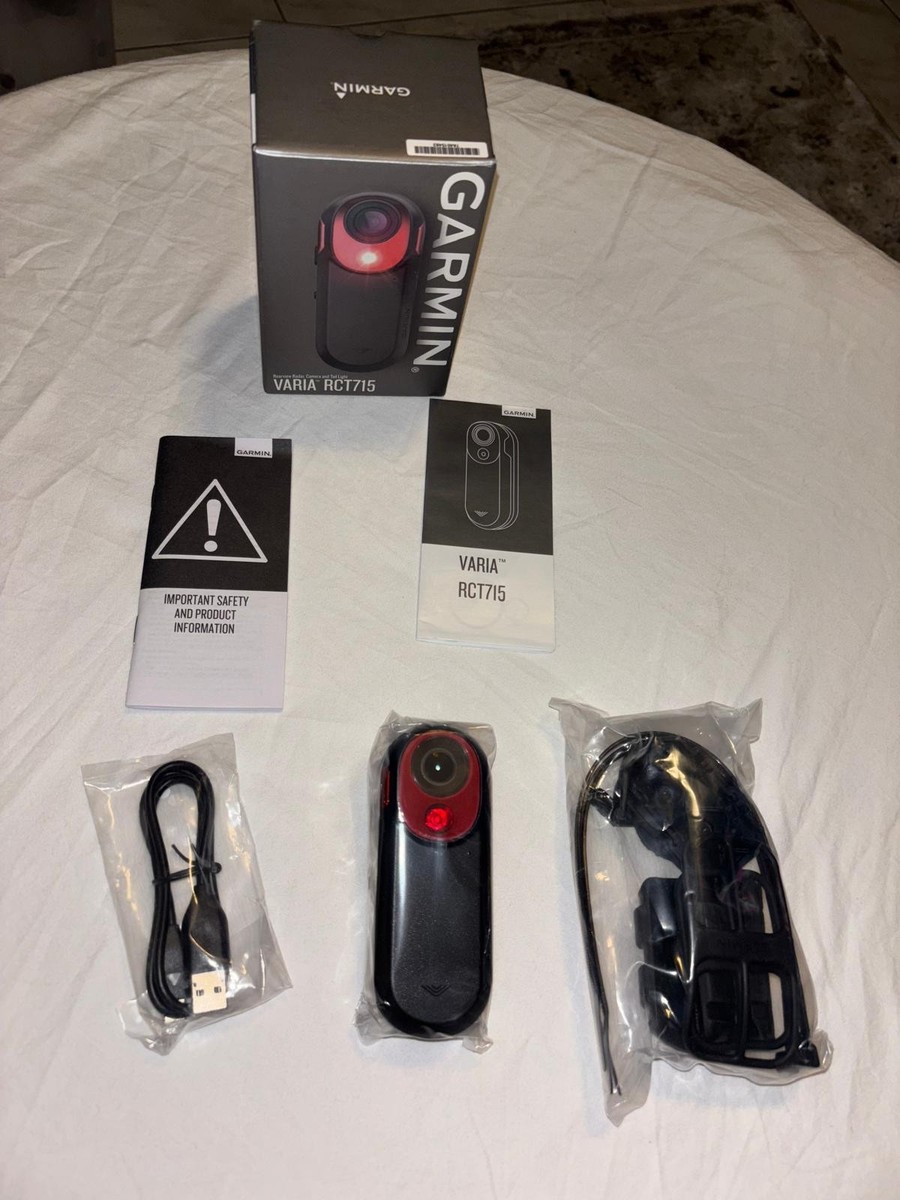
Garmin Varia RCT715: Radar + 1080p Camera + Light in 147g — The Camera Is Subpar, The Radar Is Great
Radar + 1080p camera + tail light in a single unit. $399 launch, 147g (2x RTL 515), 4-10h battery depending on camera mode, Micro SD storage, USB-C, ANT+ radar + light + Bluetooth + Wi-Fi. The radar is best-in-class (same RTL 515 chipset). The camera is subpar: no image stabilization, 720p/1080p options, poor low-light performance, no lens protection. The Varia app UX is poor. The 16GB SD card is too small for 1080p recording. JoyVelo internal testing, 3 weeks.
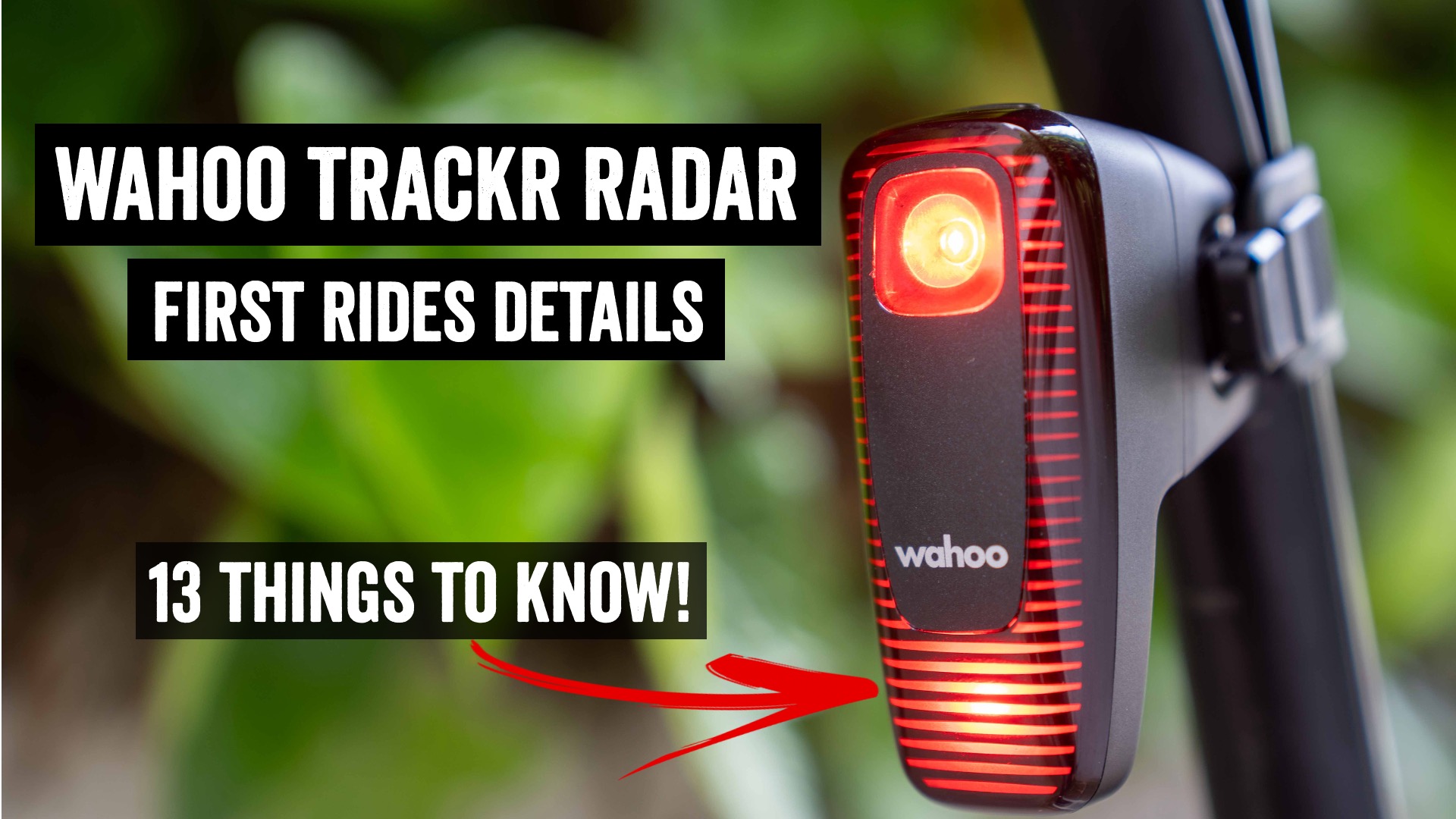
Wahoo TRACKR Radar: $199, USB-C, Zero False Negatives — But the Mount Locks You In
First Wahoo radar. $199, 150m detection (vs Garmin RTL 515 140m), USB-C, 99g, 35° beam (vs Garmin 40°), ANT+ radar + ANT+ light, brake mode, side-LED visibility, 0 false negatives in 1 week of real-world testing. 19h solid / 12h peloton / 6h day flash / 5h night flash (claimed). The biggest miss: the quarter-turn mount is 1mm thicker than Garmin, breaking 10 years of third-party mount ecosystem compatibility.
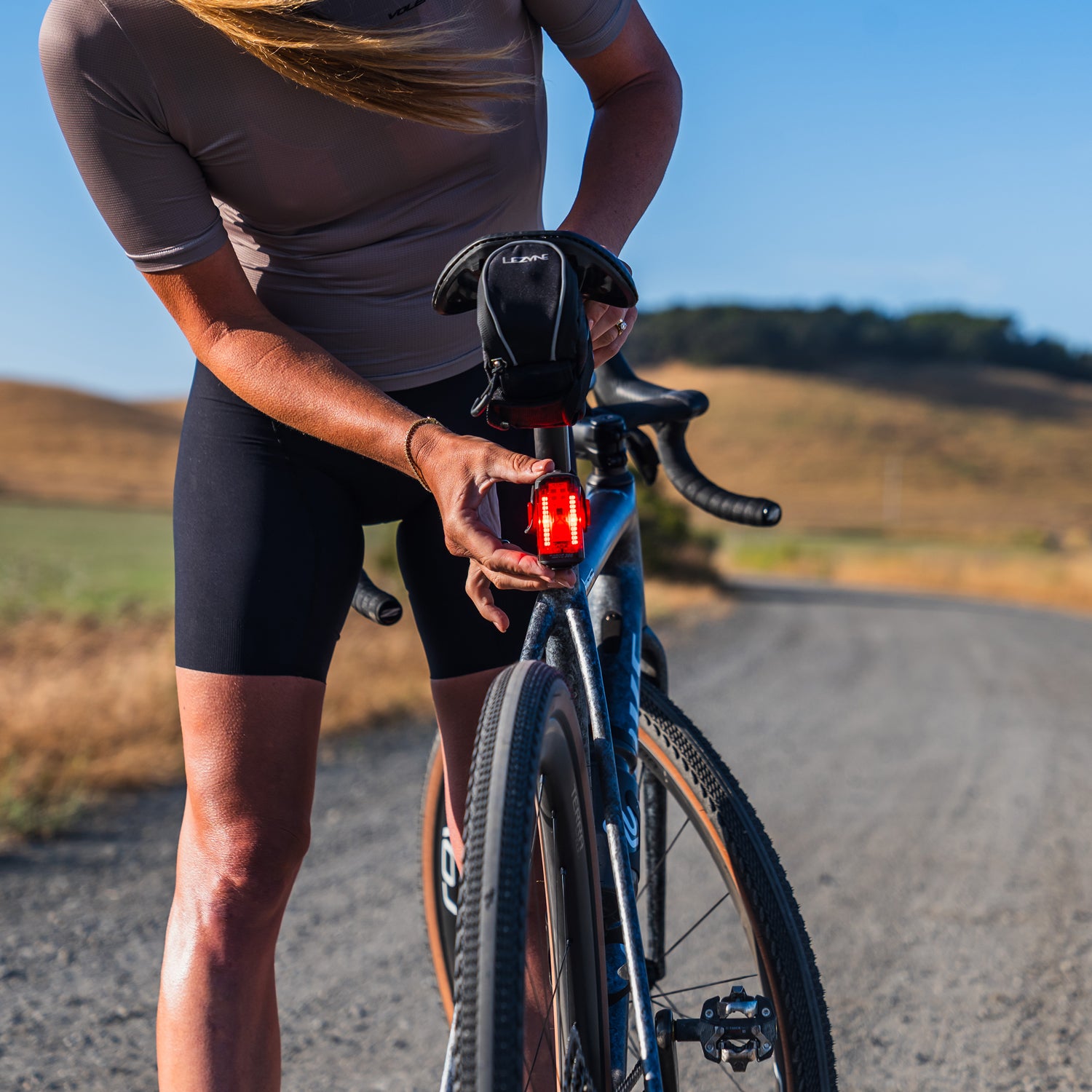
Lezyne Radar Drive Rear: $180, Zero False Positives, 20h Battery — The Under-the-Radar Winner
180g rear light + ANT+ radar. $180 radar / $125 front light / $280 combo. 146m detection (verified), 35° beam (vs Garmin 40°), 0 false positives in 3 radar trouble spots, threat persistence on slow-moving cars, brake light (sensor-based), 300 lumens solid max, 20h battery (claimed), Lezyne Strip Drive strap mount (no quarter-turn, so NOT compatible with Garmin third-party mounts). JoyVelo internal testing, 3 weeks, mixed road + suburban.
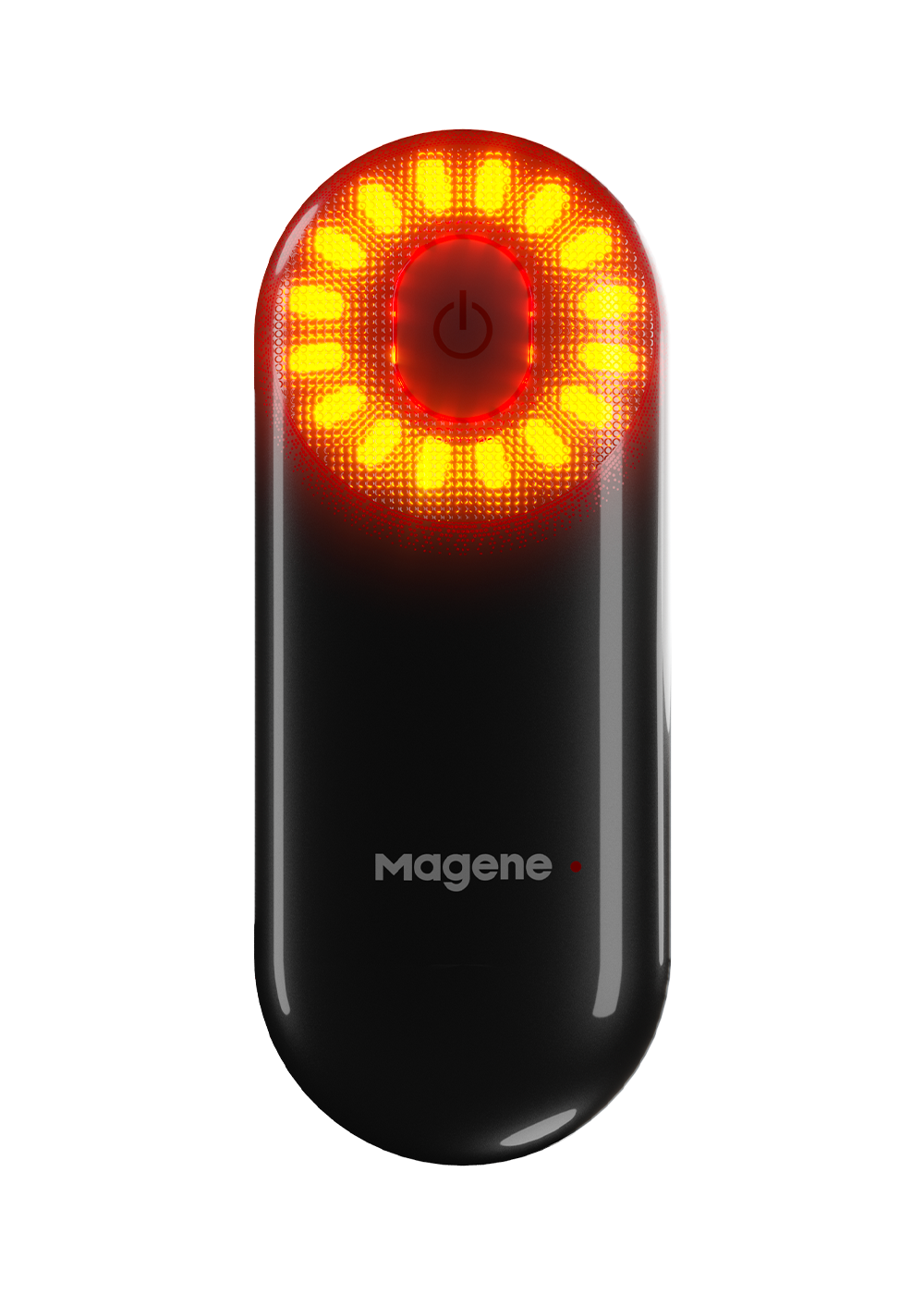
Magene L508: $129 — The First Real Garmin Varia Alternative
First non-Garmin bike radar. $129 (vs Garmin $200-300), 140m detection, ANT+ radar + light, brake light, auto sleep, 99g, USB-C, 5-7h real-world battery, works with all Garmin-compatible head units and Connect IQ data fields. JoyVelo internal testing, 3 weeks, mixed road + suburban.
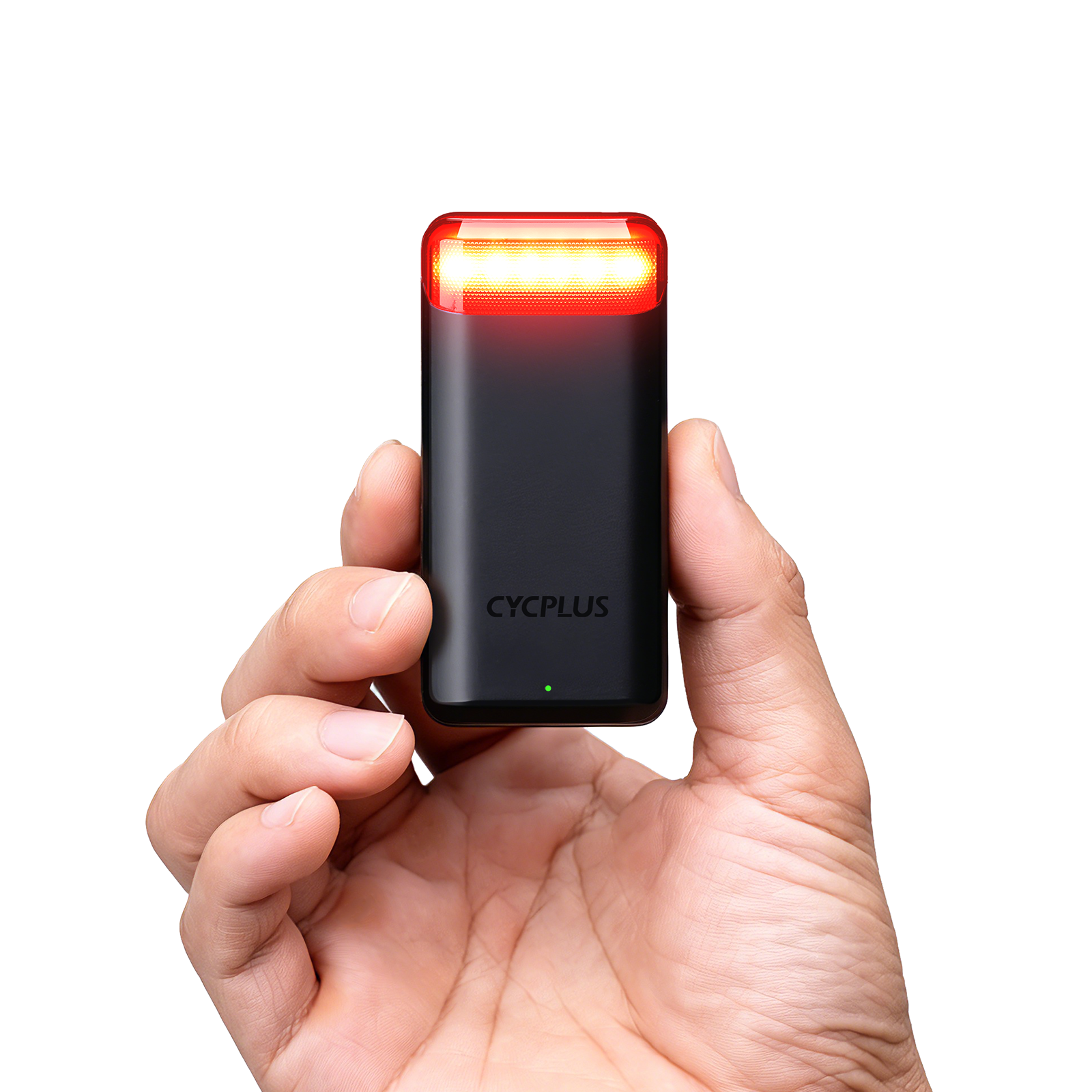
CYCPLUS L7 Radar: $89 With Multiple False Positives — Should Not Be on the Market
Cheapest bike radar on the market at $89. 40° beam, USB-C, ANT+ radar + light, brake light, ANT+ light control disable option. JoyVelo internal testing on 20+ km of road reveals over 20 false positives, missed vehicles, and ghost cars. The radar is fundamentally broken in real-world conditions and should not be sold. JoyVelo internal testing, 3 weeks, 100+ km of mixed road + suburban + urban.
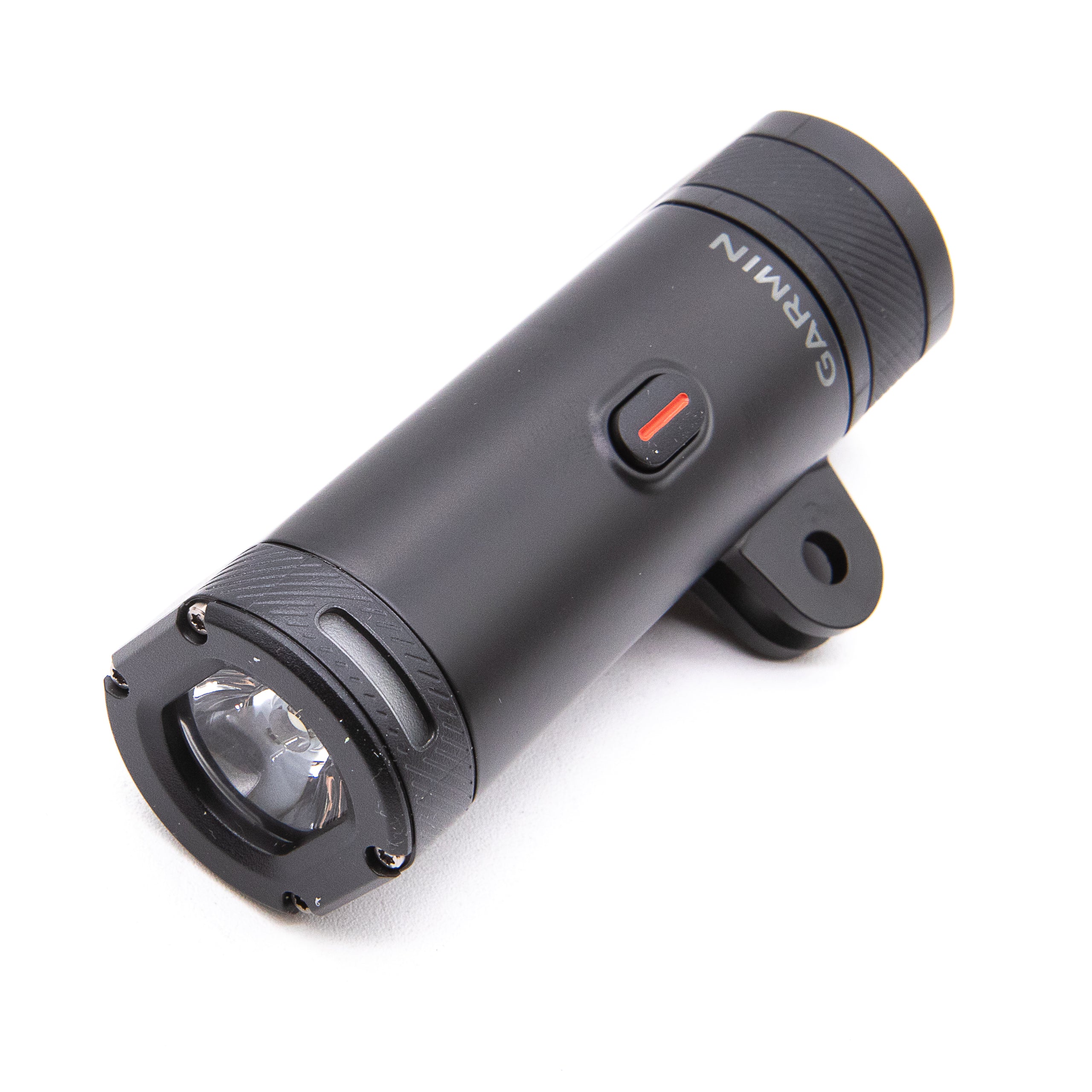
Garmin Varia UT800: The Smart Headlight, Reviewed
The Garmin Varia UT800 delivers 800 lumens with Edge auto-brightness integration. 1.5h on high, IPX7, $199. Still the smart headlight benchmark in 2026.
Verify with JoyAnalyze
Use JoyAnalyze to align radar detection events with the GPS timeline — measure how Garmin Varia RearVue 820: The Best Bike Radar Ever Made, Despite a 196m Bug detects vehicles in different traffic conditions, including false positives.
Open multi-file compare in JoyAnalyzeSee how this fits you
The Garmin Varia RearVue 820: The Best Bike Radar Ever Made, Despite a 196m Bug is one option. Run the JoyFit assessment to see whether it actually matches your body and riding style — or compare it side-by-side with the other Radar Tail Lightsin our database.
Community
Discuss this review · Pro members can rateComments
(0)Sign in above to leave a comment.
Loading comments…
Pro Ratings
PROLoading…Sign in above to rate this product on the 8-axis $APPEALS framework.