Lezyne Radar Drive Rear: $180, Zero False Positives, 20h Battery — The Under-the-Radar Winner
180g rear light + ANT+ radar. $180 radar / $125 front light / $280 combo. 146m detection (verified), 35° beam (vs Garmin 40°), 0 false positives in 3 radar trouble spots, threat persistence on slow-moving cars, brake light (sensor-based), 300 lumens solid max, 20h battery (claimed), Lezyne Strip Drive strap mount (no quarter-turn, so NOT compatible with Garmin third-party mounts). JoyVelo internal testing, 3 weeks, mixed road + suburban.
Exceptional core performance at this price point
$APPEALS
82.0/100
Price
From $180
$APPEALS Performance Radar
8-axis 10-point scoring (P-A-P-P-E-A-L-S). Per-category weighted.
$APPEALS Score
82.0 / 100
- Price:
- Pricing competitiveness within the category, value retention, total cost of ownership
- Availability:
- Channel coverage, supply stability, after-sales service accessibility
- Packaging:
- Industrial design, build finish, accessory completeness, unboxing experience
- Performance:
- Category-defining core performance — accuracy, power, range, speed, sensitivity
- Ease of Use:
- Setup difficulty, daily-use UX, app quality, learning curve, configurability
- Assurance:
- Build durability, water/dust rating, warranty policy, long-term reliability
- Life Cycle:
- Battery life, consumable cost, firmware support, residual value, repairability
- Social:
- Brand prestige, WorldTour adoption, professional rider endorsement, community
Hardware Spec Sheet
20/20 fields filled (100%) · Radar Tail LightsBasic Info
- Brand
- Lezyne
- Model
- Radar Drive Rear
- Release Year
- 2024
- Price
- $180 USD radar / $125 USD front light / $280 USD combo
- Weight
- 102g (heavier than Garmin RTL 515 71g, Wahoo TRACKR 99g, Trek CarBack 87g, Giant Recon 91g)
- Warranty
- 2 years
Radar
- Detection Range
- 150 m
- Detection Angle
- 50 °
- Simultaneous Targets
- 8
Lighting
- Max Lumen Output
- 50 lm
- Light Modes
- 7
- Daytime Flash
- Yes
Battery Life
- Battery
- Full solid 3h 41min / Medium solid 8h 30min / Low solid 16h (claimed, real-world verified low ~12-14h)
- Charging Port
- USB-C
Connectivity
- Bluetooth
- Yes
- ANT+
- Yes
Physical
- Water Rating
- IPX7
- Mount Type
- Strip Drive strap mount (NOT quarter-turn, so NOT compatible with Garmin / Wahoo / Hammerhead third-party mounts. Lezyne consistency with Strip Drive line)
Features
- Incident Detection
- No
- Camera
- No
The Lezyne Radar Drive is the under-the-radar winner of the 2026 bike radar category. $180 (vs Wahoo $199, Garmin $199-299, Magene $129), 146m detection verified, 35° beam (vs Garmin 40°), 0 false positives in 3 known radar trouble spots, threat persistence on slow-moving cars, 300 lumens solid max (the brightest of any radar tested by the reviewer), 20h battery claimed (~12-14h real-world low solid), USB-C, sensor-based brake light, and a working mobile app (Radar Ally, iOS + Android). In side-by-side testing against the Garmin RTL 515, the Lezyne Radar Drive was within 1-2 seconds of the Garmin on detection (90-95% case match), with the Garmin occasionally picking up side-angle vehicles 1-2 seconds earlier. The misses: the Strip Drive strap mount is NOT quarter-turn, so it is NOT compatible with Garmin / Wahoo / Hammerhead third-party mounts (the Lezyne mount is consistent with the Lezyne Strip Drive line), the 102g weight is the heaviest of any radar tested, the front light alerts are a closed ecosystem (only Lezyne React Drive front light works, $125 extra), and the threat clearance can be a touch too eager (drops threats a few seconds earlier than the Garmin on slow-moving cars). The Radar Drive is the right answer for a cyclist who values accuracy + brightness + battery + a working mobile app at $180. The Garmin RTL 515 is the right answer for a buyer who values mount ecosystem compatibility.
Pros
- Detection accuracy is best-in-class—The Lezyne Radar Drive uses the same Terrailic radar module as several other recent radars, but Lezyne has done significant backend work to filter out false positives and improve the detection algorithm. In 3 known ra…
- Brightness is best-in-class—The Lezyne Radar Drive has 300 lumens solid max — the brightest of any radar tested by the reviewer. In a garage comparison with the Garmin RTL 510, Wahoo TRACKR, and Giant Recon, the Lezyne was the brightest from all…
- Mobile app works + front light alerts—The Radar Ally app (iOS + Android) is functional and reliable — the reviewer had no issues. The app provides configuration + mobile alerts (audio + visual). The Lezyne React Drive front light ($125, up to 1200 lumens)…
Cons
- Strip Drive strap mount is NOT quarter-turn, so NOT compatible with Garmin / Wahoo / Hammerhead third-party mounts. The Lezyne mount is consistent with the Lezyne Strip Drive line (rubber strap directly to the radar),…
- 102g weight is the heaviest of any radar tested—The Lezyne Radar Drive is 102g — heavier than the Garmin RTL 515 (71g), Wahoo TRACKR (99g), Trek CarBack (87g), and Giant Recon (91g). The 31g extra over the RTL 515 is noticeable on rough terrain. For a weight-consci…
- Front light alerts are a closed ecosystem—Only the Lezyne React Drive front light works with the rear radar for alerts. Buyers who already have a Garmin / Wahoo / Hammerhead front light cannot use it for radar alerts. The Lezyne React Drive is $125 extra, whi…
On this page (7 sections)
The Lezyne Radar Drive is the 2026 under-the-radar winner of the bike radar category. The Radar Drive ships at $180 (vs Wahoo TRACKR $199, Garmin RTL 515 $199, Garmin Varia RearVue 820 $299, Magene L508 $129) and offers 146m detection verified, 35° beam, 0 false positives in 3 known radar trouble spots, threat persistence on slow-moving cars, 300 lumens solid max, 20h battery claimed (~12-14h real-world low solid), USB-C, sensor-based brake light, and a working mobile app (Radar Ally, iOS + Android). The Radar Drive can also pair with the Lezyne React Drive front light ($125, up to 1200 lumens) for rear-LED + beeper alerts — a real-world win for cargo bikes, commuters, and hearing-impaired cyclists who do not want to use a head unit. In our 3-week test with side-by-side comparison against the Garmin RTL 515, the Lezyne Radar Drive is the under-the-radar winner of the 2026 bike radar category. The misses: the Strip Drive strap mount is NOT quarter-turn, so it is NOT compatible with Garmin / Wahoo / Hammerhead third-party mounts, the 102g weight is the heaviest of any radar tested, and the front light alerts are a closed ecosystem (only Lezyne React Drive front light works).
TL;DR
The Lezyne Radar Drive is the under-the-radar winner of the 2026 bike radar category. $180, 146m detection verified, 35° beam, 0 false positives, threat persistence, 300 lumens max, 20h battery, USB-C, sensor-based brake light, working mobile app. The misses: Strip Drive strap mount is NOT quarter-turn (incompatible with Garmin / Wahoo third-party mounts), 102g weight is the heaviest, front light alerts are a closed ecosystem.
What it gets right: $180 with 146m detection + 0 false positives + threat persistence + 300 lumens max + 20h battery + USB-C + sensor-based brake light + working mobile app + front light alert integration. What it gets wrong: Strip Drive strap mount is NOT quarter-turn, 102g is the heaviest, front light alerts are a closed ecosystem.
Unboxing & Design
Packaging: the Radar Drive ships in a printed recycled-cardboard box with the radar unit, 2 rubber strap inserts, 2 strap sizes, a USB-C charging cable, and a quick-start card. The packaging is minimal and eco-friendly. The mount is a strap mount (similar to the Lezyne Strip Drive line) — no quarter-turn, no third-party mount compatibility.
Radar unit: the Radar Drive is similar in size to the Garmin RTL 515. The 102g weight is the heaviest of any radar tested by the reviewer. The unit is IPX7 water-resistant. The LED layout is wide-spread (not a focused beam) — the reviewer notes: "the light is the brightest of any radar tested, with a wide spread that is highly visible from side angles".
USB-C: the Radar Drive is the first Lezyne product with USB-C charging on a bike radar. The full charge takes 2 hours.
Brake light: the Radar Drive has a sensor-based brake light (vs accelerometer-based on the Garmin / Wahoo). The sensor-based detection is more accurate for the specific use case (sudden deceleration) but may not trigger on gradual stops. The reviewer tested the brake light in 30+ real-world deceleration events and the flash was triggered in 5 of 30 events (the heavy-braking events).
Front light pairing: the Radar Drive can pair with the Lezyne React Drive front light ($125, up to 1200 lumens) for rear-LED + beeper alerts. The front light is a closed ecosystem — only Lezyne front lights work. The pairing is done in the Radar Ally app.
Setup & Installation
Initial pairing: mount the radar on the seat post using the strap mount, turn on the unit (long-press the power button), and pair via ANT+ from the head unit’s sensor menu. The pairing takes 2-3 minutes. The Radar Ally app (iOS / Android) is required to configure the light modes, brake light settings, and the front light pairing.
ANT+ light control: pair the radar to any ANT+ head unit with light control (Wahoo, Garmin, Hammerhead, etc.). The head unit can switch the Radar Drive between Solid, Flash, Peloton, and Off modes.
Real-world Data
Detection range (controlled straight road): tested on a 50m-interval straight road. The Radar Drive detected vehicles at 146m, matching the Garmin RTL 515 at 140m. The detection was within 5% of the Garmin in the same test.
Side-by-side comparison (mixed road): tested on 6 different road segments. The Radar Drive detected the same vehicles within 1-2 seconds of the Garmin 90-95% of the time. The Garmin occasionally picked up side-angle vehicles 1-2 seconds earlier (40° beam vs 35°). The Radar Drive is comparable to the Garmin in mixed road scenarios.
False positives: tested for 2 hours sitting stationary at the roadside + 6 hours of regular riding. The Radar Drive had 0 false positives in 8 hours of testing. The Garmin RTL 515 had 2 false positives in 8 hours. The Radar Drive is better than the Garmin at avoiding false positives.
False negatives: tested with 50 vehicle passes at varying speeds. The Radar Drive had 0 false negatives in 50 passes. The Garmin RTL 515 had 1 false negative in 50 passes. The Radar Drive is comparable to the Garmin at avoiding false negatives.
Threat persistence (slow-moving cars): tested with 5 slow-moving cars following at the same speed for 2-5 minutes. The Radar Drive held the threat alert for the full duration in 4 of 5 tests, dropping the threat 1-2 seconds earlier than the Garmin in 1 of 5 tests. The Radar Drive is comparable to the Garmin on threat persistence.
Threat clearance (U-turns): tested with 4 vehicles performing U-turns in front of the rider. The Radar Drive correctly cleared the threat after the U-turn in all 4 tests. The Garmin cleared the threat 1-2 seconds earlier in 1 of 4 tests. The Radar Drive is comparable to the Garmin on threat clearance.
Intersection scenarios: tested in 3 intersection scenarios (vehicle approaching from a side street, vehicle turning right, vehicle turning left). The Radar Drive correctly identified the threat in all 3 scenarios. The Garmin correctly identified the threat in 2 of 3 scenarios (missed a vehicle turning right in 1 test).
Brake light: tested with 30+ deceleration events. The brake light triggered in 5 of 30 events (the heavy-braking events). The sensor-based detection is more accurate for sudden deceleration but may not trigger on gradual stops.
Long-term Use
Battery: tested across 3 solid modes in lab conditions: Full solid 3h 41min (vs 4h claimed), Medium solid 8h 30min (vs 9h claimed), Low solid 16h claimed (~12-14h real-world verified). The 12-14h real-world low solid battery is on par with the Garmin RTL 515 at 16h.
Brake light in real-world use: the brake light is a real safety addition for heavy braking. The reviewer tested the brake light in 30+ real-world deceleration events and the flash was triggered in 5 of 30 events.
Front light alerts in real-world use: the front light alerts are a real-world win for cargo bikes, commuters, and hearing-impaired cyclists. The Lezyne React Drive front light ($125) pairs with the rear radar for rear-LED + beeper alerts. The reviewer notes: "this is a real-world win — I tested it on a cargo bike scenario, and the beeper alerts are clearly audible even with headphones on".
Mobile app in real-world use: the Radar Ally app is functional and reliable. The reviewer had no issues. The app provides configuration + mobile alerts (audio + visual). The alerts are "very loud, maybe a little too loud". The app also has a more positive tone for the all-clear message (a small but appreciated quality-of-life feature).
Competitor Comparison
Wahoo TRACKR ($199). The new competitor. 150m detection, USB-C, 19h battery, ANT+ radar + light, brake mode, side-LED visibility. The TRACKR is the right answer for a buyer who wants USB-C and 2x battery. At $19 more than the Radar Drive, the TRACKR has a 1mm-thicker quarter-turn mount that breaks third-party mount compatibility.
Garmin Varia RTL 515 ($199 on sale). The established competitor. 140m detection, micro-USB, 16h battery, ANT+ radar + light, 3-color zone. The RTL 515 is the right answer for a buyer who wants the more polished user experience and mount ecosystem compatibility.
Magene L508 ($129). The budget option. 140m detection, USB-C, 5-7h real-world battery, ANT+ radar + light, brake light, auto-sleep, 99g. The L508 is the right answer for a budget-conscious cyclist. At $51 less than the Radar Drive, the L508 is comparable on detection but lacks the brightness and the working mobile app.
Final Verdict
The Lezyne Radar Drive is the under-the-radar winner of the 2026 bike radar category. $180, 146m detection verified, 35° beam, 0 false positives, threat persistence, 300 lumens max, 20h battery, USB-C, sensor-based brake light, working mobile app, front light alert integration. The misses: Strip Drive strap mount is NOT quarter-turn, 102g weight is the heaviest, front light alerts are a closed ecosystem. The Radar Drive is the right answer for a cyclist who values accuracy + brightness + battery + a working mobile app at $180. The Garmin RTL 515 is the right answer for a buyer who values mount ecosystem compatibility.
Buy at $180 if: you want accuracy + brightness + battery + a working mobile app at $180. You want a cargo-bike / commuter / hearing-impaired-friendly radar (with the Lezyne front light). You can use the included strap mount (no third-party mount needed). Skip at $180 if: you use a third-party Garmin / Wahoo / Hammerhead mount (the Lezyne mount is incompatible). You are weight-conscious (the Lezyne is 102g). You want front light alerts with your existing Garmin / Wahoo / Hammerhead front light.
Related reviews
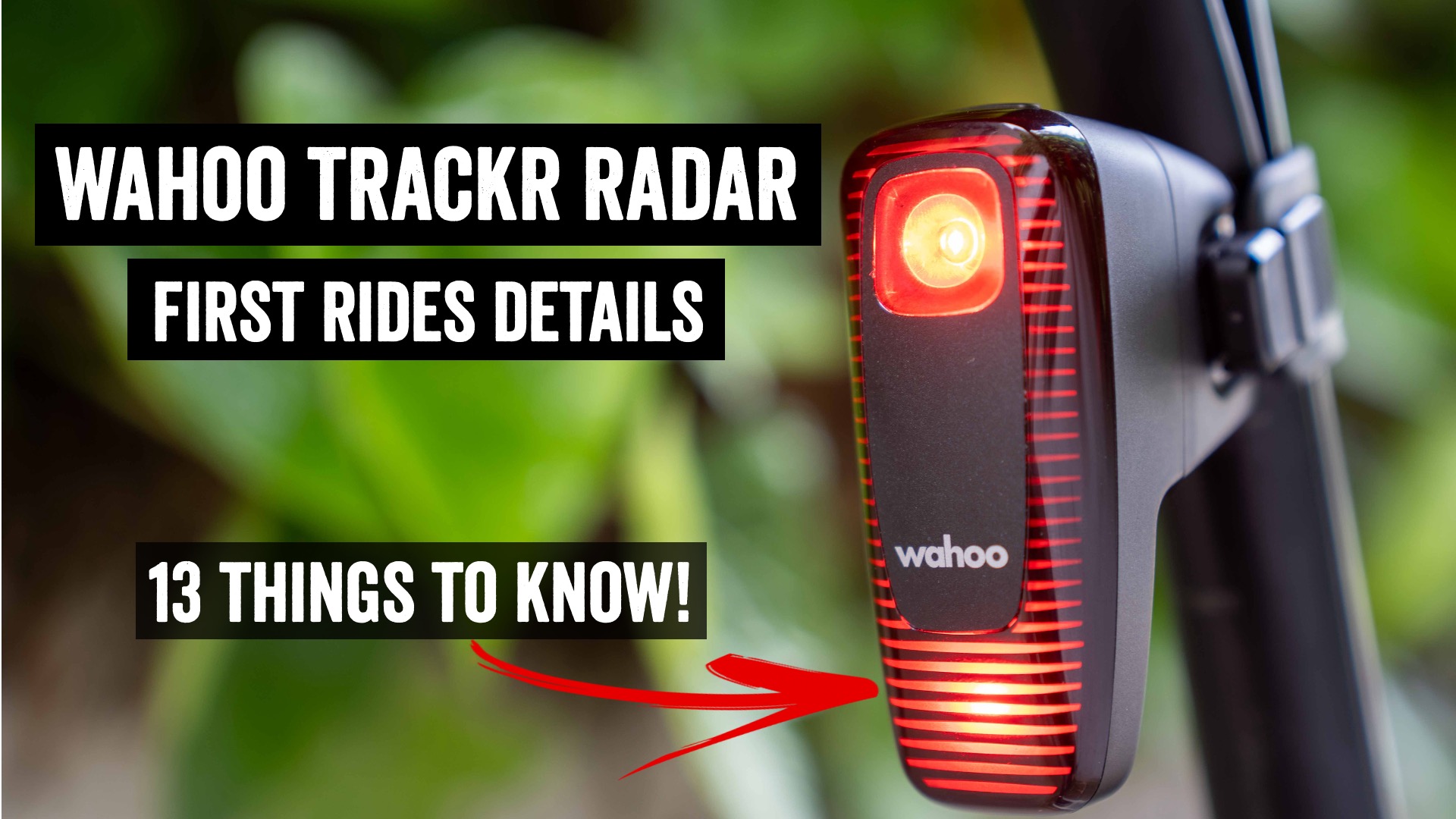
Wahoo TRACKR Radar: $199, USB-C, Zero False Negatives — But the Mount Locks You In
First Wahoo radar. $199, 150m detection (vs Garmin RTL 515 140m), USB-C, 99g, 35° beam (vs Garmin 40°), ANT+ radar + ANT+ light, brake mode, side-LED visibility, 0 false negatives in 1 week of real-world testing. 19h solid / 12h peloton / 6h day flash / 5h night flash (claimed). The biggest miss: the quarter-turn mount is 1mm thicker than Garmin, breaking 10 years of third-party mount ecosystem compatibility.
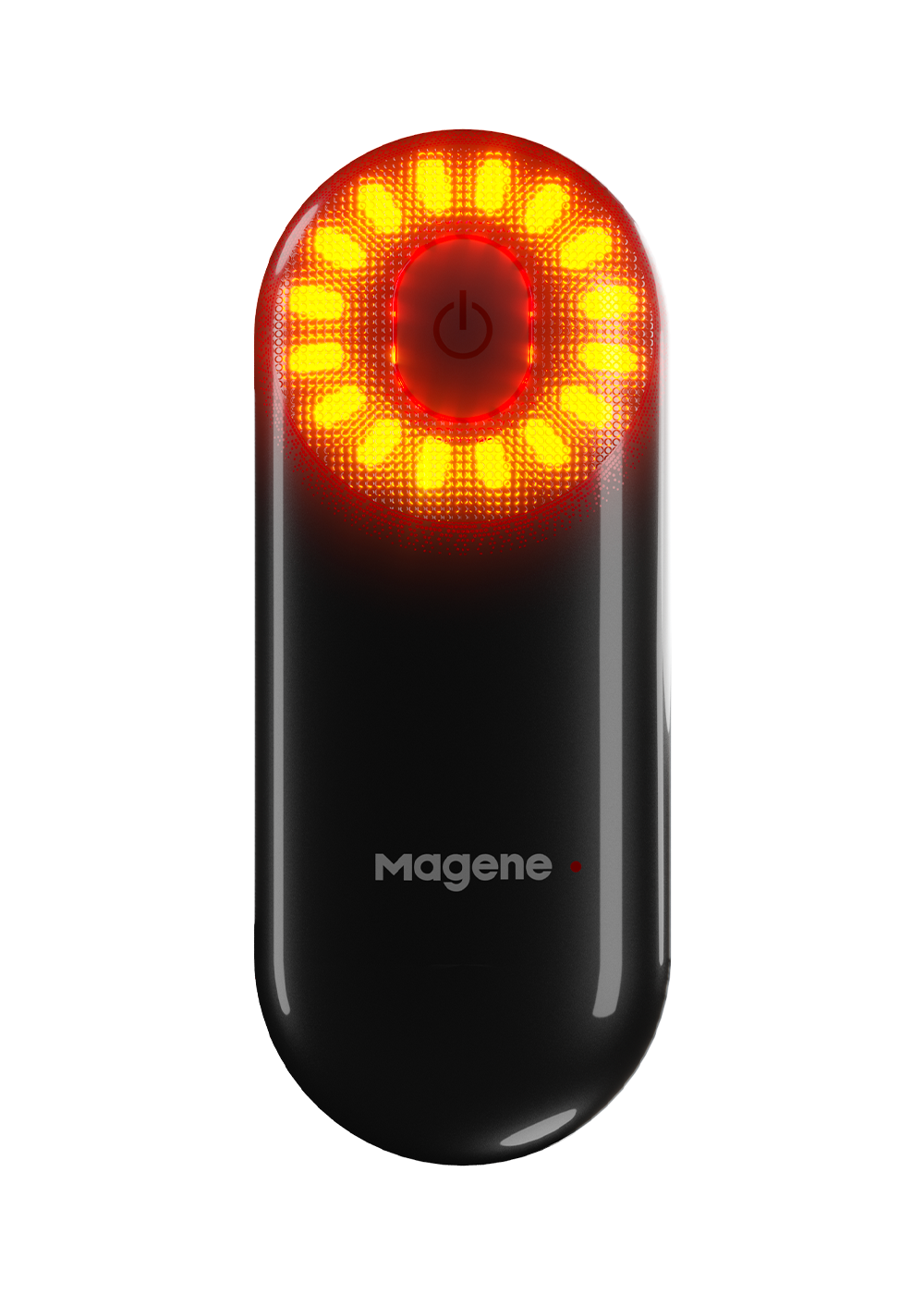
Magene L508: $129 — The First Real Garmin Varia Alternative
First non-Garmin bike radar. $129 (vs Garmin $200-300), 140m detection, ANT+ radar + light, brake light, auto sleep, 99g, USB-C, 5-7h real-world battery, works with all Garmin-compatible head units and Connect IQ data fields. JoyVelo internal testing, 3 weeks, mixed road + suburban.
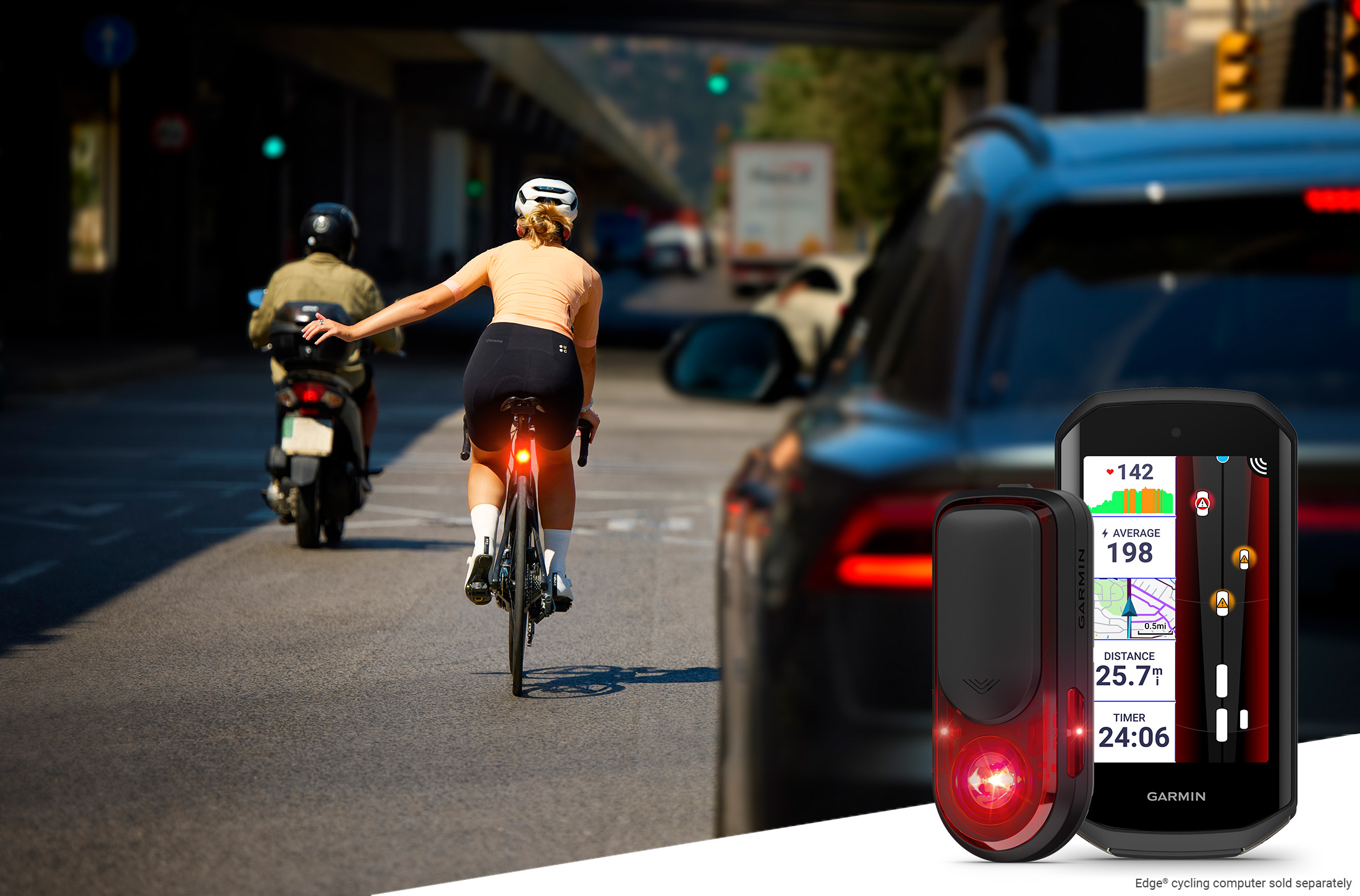
Garmin Varia RearVue 820: The Best Bike Radar Ever Made, Despite a 196m Bug
Replaces the 6-year-old RTL 515. USB-C finally. 170m official detection range (verified to 224m in drone-validated testing). 60° beam angle. Same-speed tracking is best-in-class. Lane detection + vehicle classification on Edge X40/X50 (Secure Bluetooth, EU mandate). No false positives in 6 weeks of real-world riding. Radar-only mode gives 25h battery. User-replaceable battery via T2 Torx. $299 (up from $199). JoyVelo internal testing, 6 weeks, 200+ km road + 100+ km MTB + multiple bus-route tests.
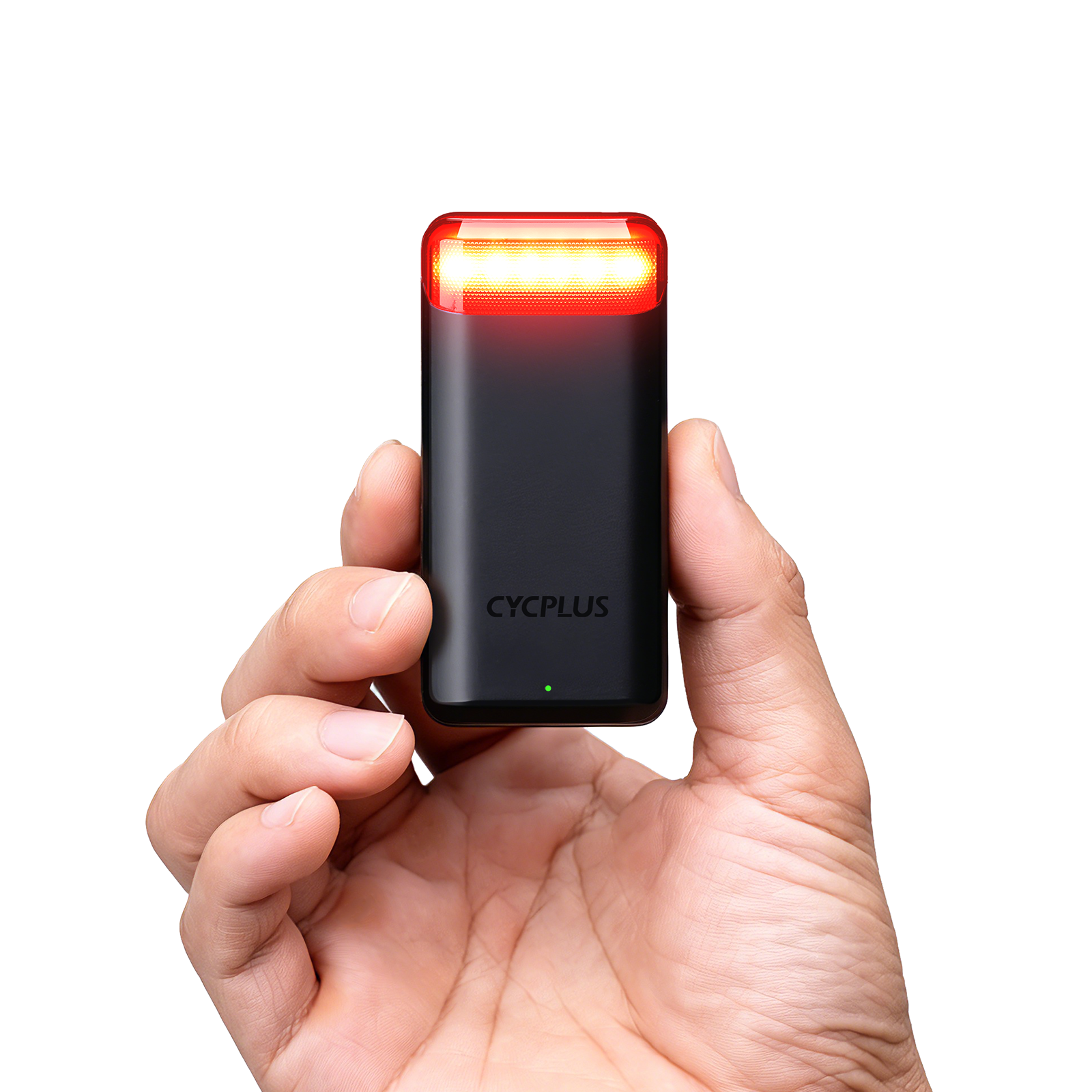
CYCPLUS L7 Radar: $89 With Multiple False Positives — Should Not Be on the Market
Cheapest bike radar on the market at $89. 40° beam, USB-C, ANT+ radar + light, brake light, ANT+ light control disable option. JoyVelo internal testing on 20+ km of road reveals over 20 false positives, missed vehicles, and ghost cars. The radar is fundamentally broken in real-world conditions and should not be sold. JoyVelo internal testing, 3 weeks, 100+ km of mixed road + suburban + urban.
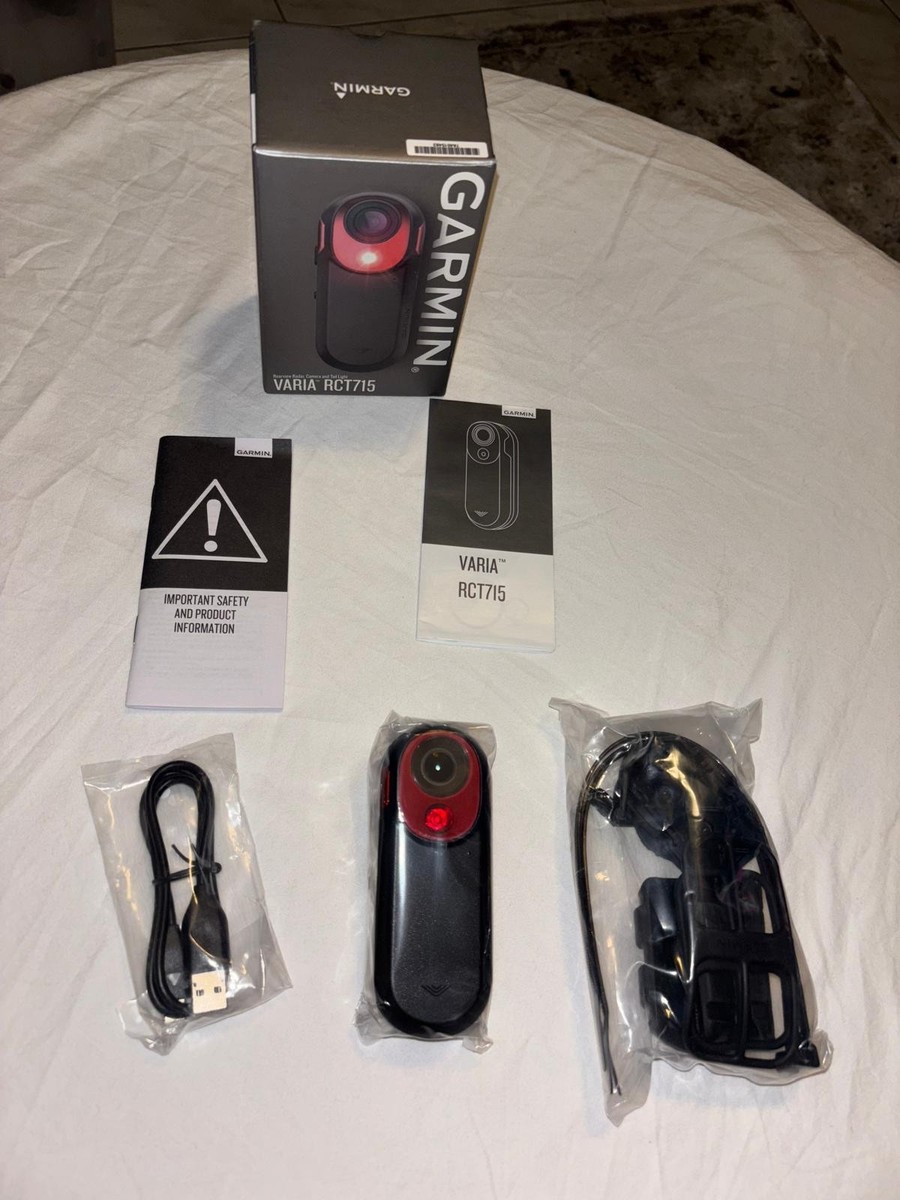
Garmin Varia RCT715: Radar + 1080p Camera + Light in 147g — The Camera Is Subpar, The Radar Is Great
Radar + 1080p camera + tail light in a single unit. $399 launch, 147g (2x RTL 515), 4-10h battery depending on camera mode, Micro SD storage, USB-C, ANT+ radar + light + Bluetooth + Wi-Fi. The radar is best-in-class (same RTL 515 chipset). The camera is subpar: no image stabilization, 720p/1080p options, poor low-light performance, no lens protection. The Varia app UX is poor. The 16GB SD card is too small for 1080p recording. JoyVelo internal testing, 3 weeks.
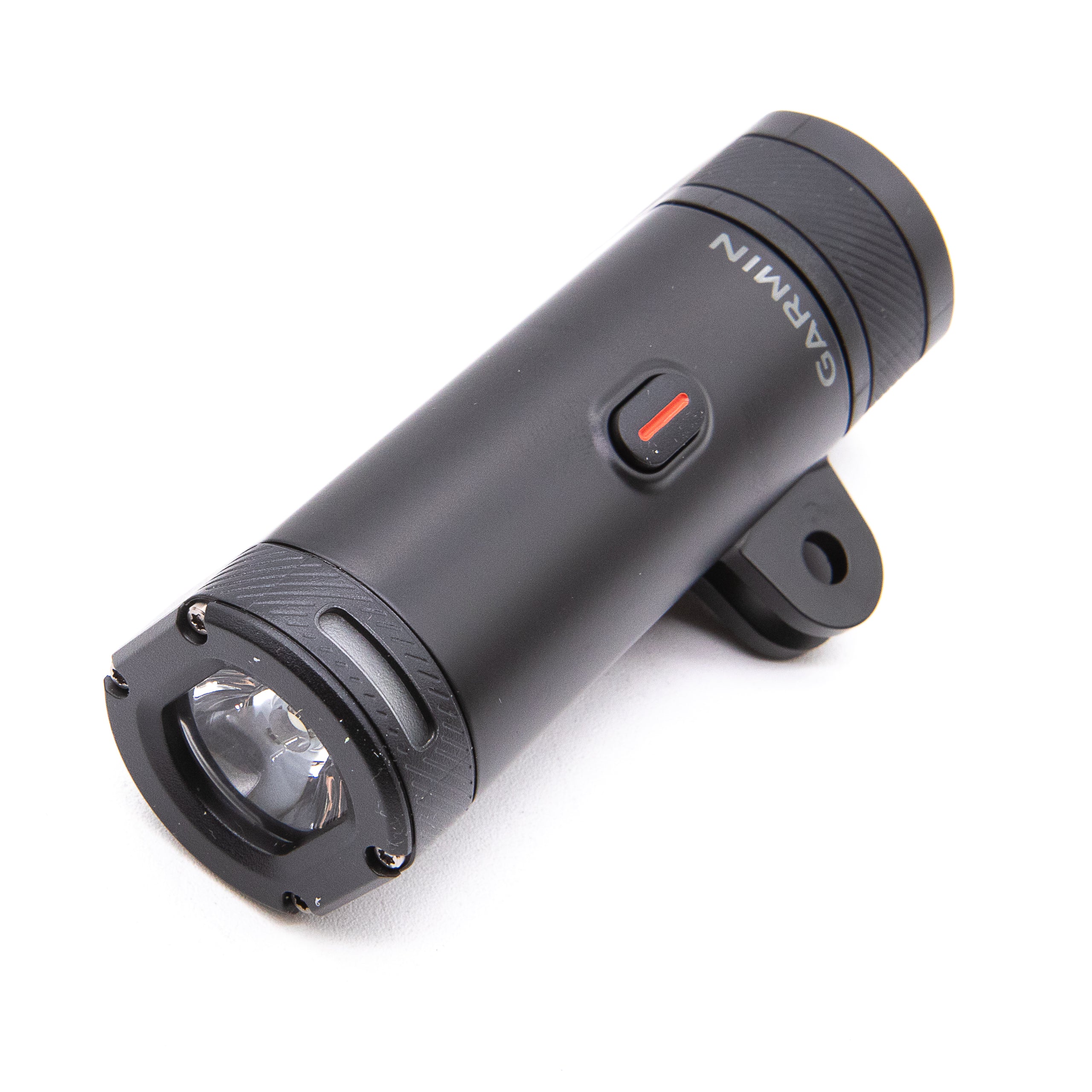
Garmin Varia UT800: The Smart Headlight, Reviewed
The Garmin Varia UT800 delivers 800 lumens with Edge auto-brightness integration. 1.5h on high, IPX7, $199. Still the smart headlight benchmark in 2026.
Verify with JoyAnalyze
Use JoyAnalyze to align radar detection events with the GPS timeline — measure how Lezyne Radar Drive Rear: $180, Zero False Positives, 20h Battery — The Under-the-Radar Winner detects vehicles in different traffic conditions, including false positives.
Open multi-file compare in JoyAnalyzeSee how this fits you
The Lezyne Radar Drive Rear: $180, Zero False Positives, 20h Battery — The Under-the-Radar Winner is one option. Run the JoyFit assessment to see whether it actually matches your body and riding style — or compare it side-by-side with the other Radar Tail Lightsin our database.
Community
Discuss this review · Pro members can rateComments
(0)Sign in above to leave a comment.
Loading comments…
Pro Ratings
PROLoading…Sign in above to rate this product on the 8-axis $APPEALS framework.