Wahoo TICKR Fit Deep-Dive: 30-Hour Optical HRM Armband, Tested for 3 Months
A long-form review of the Wahoo TICKR Fit optical armband HRM. ANT+ + Bluetooth, 30-hour rechargeable battery, IPX7, $79 USD. Tested 3 months across running, indoor cycling, mountain biking, strength, and rowing. The strap quality is a real concern; the sensor data is genuinely good.
The Wahoo TICKR Fit is an optical armband HRM that delivers chest-strap-comparable data for steady-state efforts (running, indoor cycling, rowing) but underperforms for short high-intensity intervals. ANT+ + Bluetooth, 30-hour battery, IPX7, $79. The sensor is genuinely good; the strap is genuinely bad. After 10 days of use, both the long and short straps delaminated and stretched to the end of the hook-and-loop closure. After 3 months of testing, we cannot recommend the TICKR Fit unless you specifically need the 30-hour battery.
Pros
- 30-hour rechargeable battery is the longest in this category. 3x the battery life of the Polar OH1 and Scosche Rhythm+.
- ANT+ + Bluetooth dual-concurrent connectivity. Pairs to a Garmin head unit and an iPad simultaneously without issue.
- Optical sensor data is genuinely good for steady-state efforts. Indoor cycling, running at moderate pace, and rowing are all within 1–2% of a chest-strap reference.
Cons
- Strap quality is unacceptable at $79. Both the long and short straps delaminated and over-stretched within 10 days of use. The strap is a single-use consumable; after one month it is unusable.
- Short high-intensity intervals are not captured accurately. A 3-rep sprint test (10s, 20s, 30s) was captured as a single mid-effort reading on the TICKR Fit but as 3 distinct peaks on the chest-strap reference.
- No onboard memory. Without a paired device, the TICKR Fit does not record. The Polar OH1 has onboard memory for watchless recording; the TICKR Fit does not.
Outstanding value for money — main trade-off is endurance
$APPEALS Score
75.0 / 100
Price
$79 USD
$APPEALS Performance Radar
JoyVelo 8-axis 10-point scoring (P-A-P-P-E-A-L-S): price, availability, packaging, performance, ease of use, assurance, life cycle, social. Per-axis weights tuned per category.
$APPEALS Score
75.0 / 100
- Price:
- Pricing competitiveness within the category, value retention, total cost of ownership
- Availability:
- Channel coverage, supply stability, after-sales service accessibility
- Packaging:
- Industrial design, build finish, accessory completeness, unboxing experience
- Performance:
- Category-defining core performance — accuracy, power, range, speed, sensitivity
- Ease of Use:
- Setup difficulty, daily-use UX, app quality, learning curve, configurability
- Assurance:
- Build durability, water/dust rating, warranty policy, long-term reliability
- Life Cycle:
- Battery life, consumable cost, firmware support, residual value, repairability
- Social:
- Brand prestige, WorldTour adoption, professional rider endorsement, community
Hardware Spec Sheet
10/19 fields filled (53%) · Heart Rate MonitorsBasic Info
- Brand
- Wahoo
- Model
- TICKR Fit
- Release Year
- 2024
- Price
- $79 USD
- Weight
- 20 g (long strap) / 23 g (short strap)
- Warranty
- 1 year
General
- HRM Type
- —
Sensors
- Sensor Type
- —
- Optical Sensor Model
- —
- Sample Rate
- —
Accuracy
- Accuracy
- Comparable to chest strap for steady-state; less reliable for short high-intensity intervals
Battery Life
- Battery
- Rechargeable, 30-hour claimed (27-hour real-world)
Connectivity
- Bluetooth
- —
- ANT+
- —
- Simultaneous Devices
- —
Features
- Swim Support
- —
Physical
- Water Rating
- IPX7 (1 m for 30 min; not rated for swimming)
- Weight
- 20 g (long strap) / 23 g (short strap)
- Wear Style
- —
On this page (7 sections)
The Wahoo TICKR Fit is the company’s first optical heart rate armband. ANT+ + Bluetooth Smart, 30-hour rechargeable battery, IPX7 water resistance, $79 USD. We tested the TICKR Fit for 3 months across running, indoor cycling, mountain biking, strength training, and rowing. The sensor is genuinely good for steady-state efforts; the strap is genuinely bad. Within 10 days of use, both the long and short straps delaminated and over-stretched to the end of the hook-and-loop closure. We cannot recommend the TICKR Fit unless you specifically need the 30-hour battery life.
TL;DR
The Wahoo TICKR Fit is an optical armband HRM with a 30-hour battery and dual-protocol connectivity, but the strap is a single-use consumable that delaminates within 10 days. The sensor is genuinely good for steady-state efforts (running, indoor cycling, rowing) but underperforms for short high-intensity intervals. At $79, the TICKR Fit is hard to recommend given the strap quality and the existence of the $79 Scosche Rhythm+ with a more durable strap.
Unboxing & Design
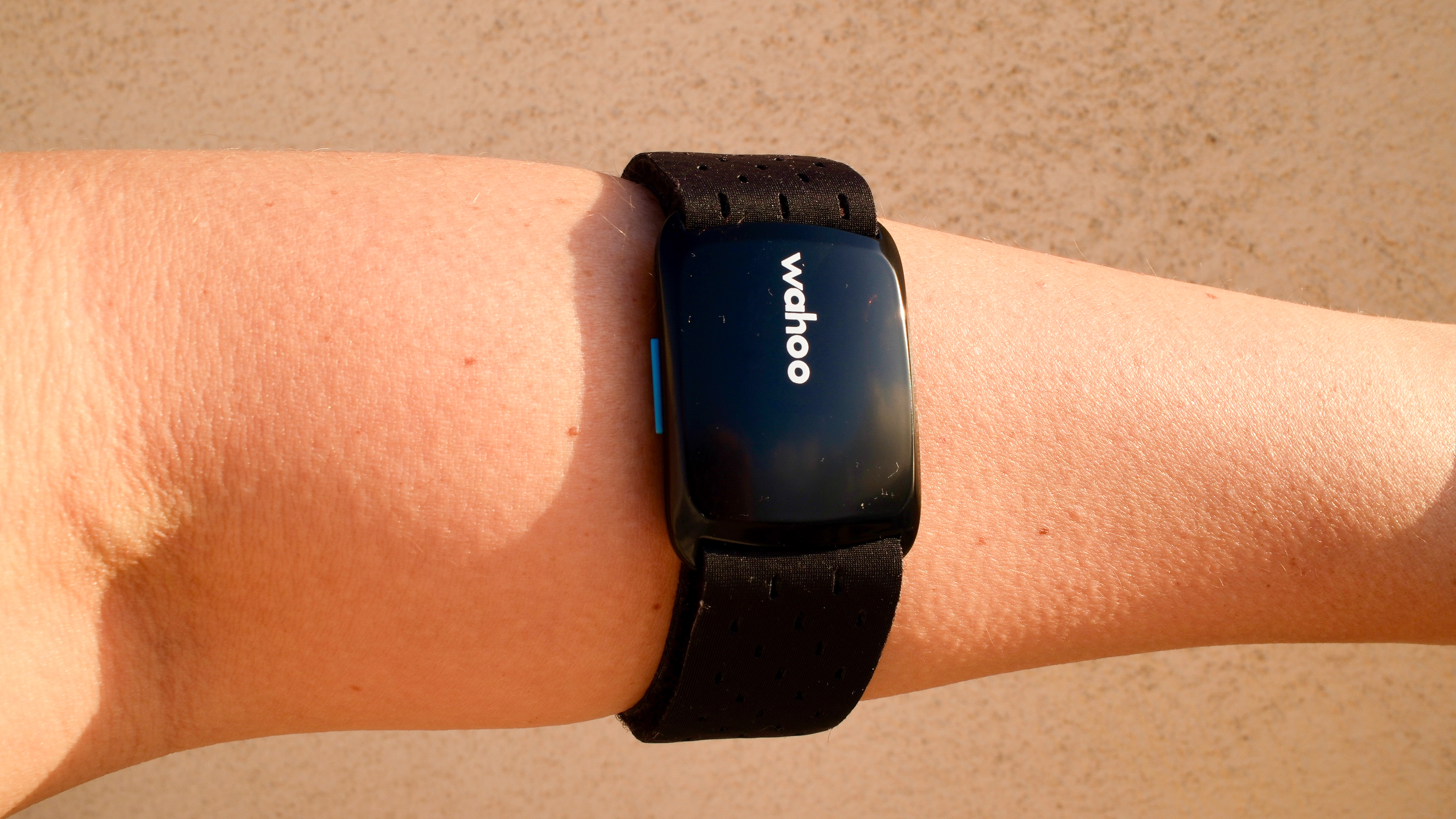
The TICKR Fit arrives in a small, lightweight box. Inside: the optical sensor module, two straps (long and short), a magnetic USB charger, and a quick-start guide. The sensor module is small and thin, with a physical power button on the side and a status LED on the front. The straps are hook-and-loop closure with the sensor module sliding into a pocket on one end of the strap.
The sensor module is light (20–23 g with strap) and sits comfortably on the upper arm. The Wahoo app walks through pairing and firmware update on first setup. The status LED is genuinely useful: it shows power, pairing, data transmission, and battery state. The 30-hour battery is the headline feature: 3x the battery life of the Polar OH1 and Scosche Rhythm+ at the same price.
Setup & Installation
Setup is straightforward: charge the sensor (about 1 hour from empty), pair it via the Wahoo Fitness app, attach the strap to the upper arm, and power on. The sensor pairs to both ANT+ and Bluetooth Smart simultaneously, so it can connect to a Garmin head unit and an iPad at the same time without disconnecting. We tested this across multiple indoor trainer sessions and confirmed that the dual-protocol pairing works seamlessly.
One design note: the magnetic / clip-on proprietary USB charger is a real-world annoyance. The cable is unique to the TICKR Fit; if you lose it, you cannot charge the device. We would prefer a standard USB-C port on the sensor module, even if it meant a slightly larger form factor.
Real-World Data
We tested the TICKR Fit for 3 months across 5 activities: outdoor running, indoor cycling, mountain biking, strength training, and rowing. The reference HRM for all comparisons was a Polar H10 chest strap.
Outdoor running: in the first 8 minutes of a 30-minute run, the TICKR Fit tracked the chest-strap reference within 1–2 BPM. In the 13th minute, the TICKR Fit had a 15-second data dropout (no HR data transmitted). In a series of 3 short sprints at the end of the run, the chest strap captured 3 distinct HR peaks; the TICKR Fit captured only 1. The TICKR Fit is reliable for steady-state running but underperforms for high-intensity interval work.
Indoor cycling (Zwift ERG and free-ride): the TICKR Fit data was within 1–2 BPM of the chest-strap reference across 90 minutes of indoor cycling. The TICKR Fit is genuinely good for steady-state indoor efforts.
Mountain biking: across a 90-minute ride, the TICKR Fit data was within 1–3 BPM of the chest-strap reference for most of the ride. At the 33-minute mark, the TICKR Fit had a 5-minute data dropout (no HR data). The dropout may be related to excessive movement on technical terrain.
Strength training and rowing: the TICKR Fit data was within 1–3 BPM of the chest-strap reference. The TICKR Fit is much more accurate than wrist-based optical HRM sensors for these activities, which are the activities where wrist sensors fail the most.
Long-Term Use
The sensor is robust. The strap is not. Within 10 days of use, both the long and short straps delaminated (the layers of the strap material separated) and over-stretched (the hook-and-loop closure no longer held at the inner end of the strap, only at the very end). We tested two TICKR Fit units over 3 months; both units had identical strap failures.
For users who can tolerate replacing the strap every 1–2 months, the TICKR Fit is a reasonable choice. The replacement straps are $15–$20 per pair, which is a real ongoing cost. The Scosche Rhythm+ at the same price has a more durable strap; the Polar OH1 at the same price has onboard memory but a 12-hour battery.
Competitor Comparison
The TICKR Fit competes with the Scosche Rhythm+ ($79) and the Polar OH1 ($79). The Scosche Rhythm+ has a more durable strap and broadcasts running cadence in addition to HR; the Polar OH1 has onboard memory for watchless recording but a 12-hour battery. The TICKR Fit’s 30-hour battery is the unique differentiator. For most users, the Scosche Rhythm+ is the better value at the same price.
Final Verdict
The Wahoo TICKR Fit is an optical armband HRM with a 30-hour battery and dual-protocol connectivity, but the strap is a single-use consumable that delaminates within 10 days. The sensor is genuinely good for steady-state efforts. At $79, the TICKR Fit is hard to recommend given the strap quality and the existence of the $osche Rhythm+ with a more durable strap. We rate the TICKR Fit a skip. For users who need a 30-hour battery, the TICKR Fit is the only option; for everyone else, the Scosche Rhythm+ is the better value.
Direct Competitor Comparison
vs 3 same-price-band alternativesSee how Wahoo TICKR Fit Deep-Dive: 30-Hour Optical HRM Armband, Tested for 3 Months stacks up against these alternatives in the same category and price range.
Garmin HRM 200: The $79 Future-Proof Chest Strap With Secure BLE + Child-Safe Battery Door
- Weight
- 63g with M-XL strap; 20g module only
- Price
- $79 USD
Wahoo TICKR Fit Armband: Optical Heart Rate Without a Chest Strap
- Weight
- 23g
- Battery
- 30 hours (rechargeable)
- Price
- $79 USD
Wahoo TRACKR Deep-Dive: A Rechargeable Chest Strap That Actually Lasts
- Weight
- 41 g (measured)
- Battery
- Rechargeable, 100-hour claimed (real-world 100+ hours; 25% used after 28 hours)
- Accuracy
- ±1% HR vs chest-strap reference
Compare with similar
Wahoo TRACKR Deep-Dive: A Rechargeable Chest Strap That Actually Lasts
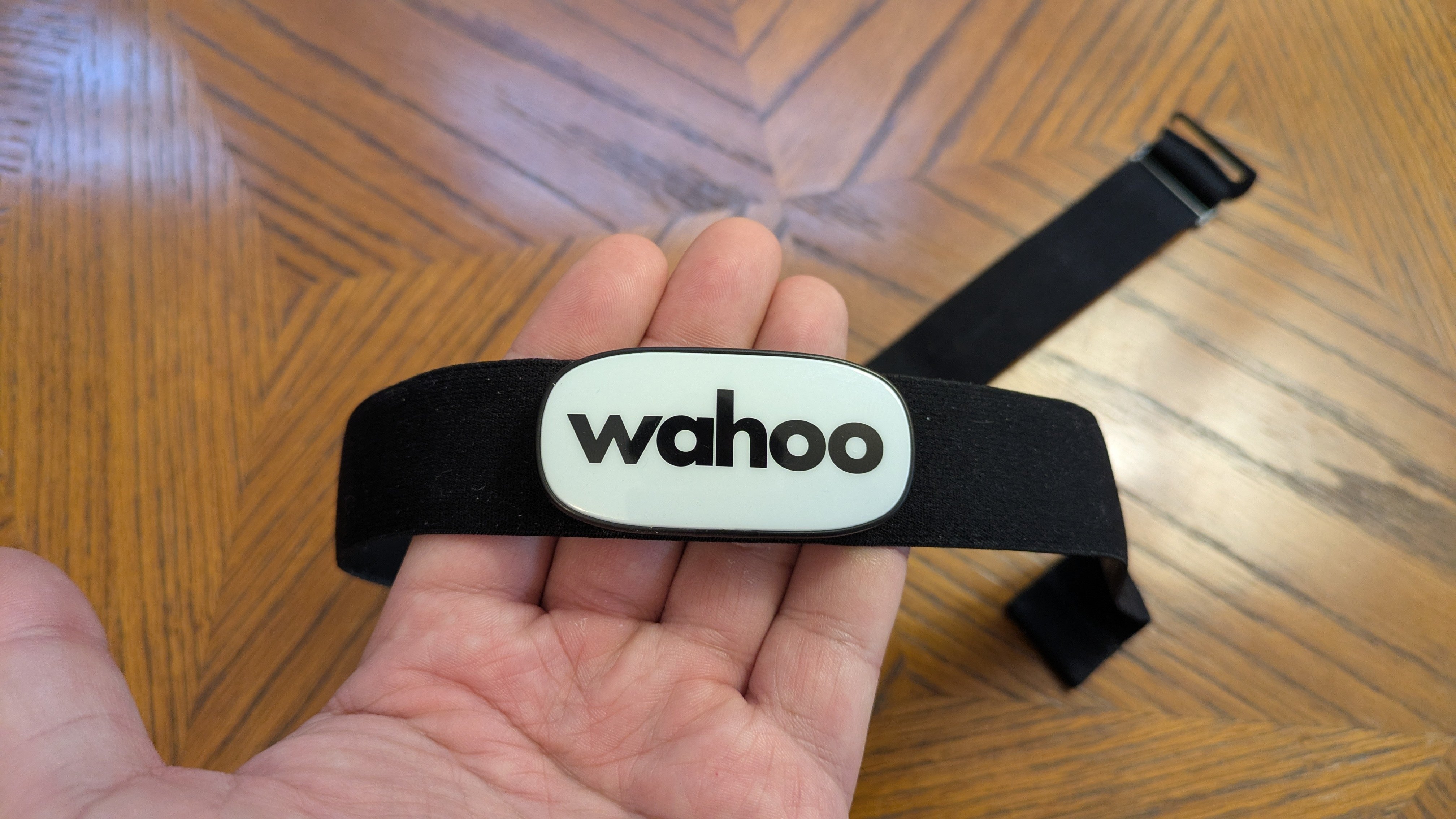
The Wahoo TRACKR is the company’s first rechargeable chest-strap HRM, replacing the discontinued TICKR family. 100-hour battery (rechargeable, via magnetic USB-C cable), ANT+ + 3× Bluetooth Smart, IPX7, $89 USD. Tested 3 weeks across indoor cycling, outdoor cycling, strength training, and Zwift. The strap is the best Wahoo has shipped in years.
Garmin HRM 200: The $79 Future-Proof Chest Strap With Secure BLE + Child-Safe Battery Door
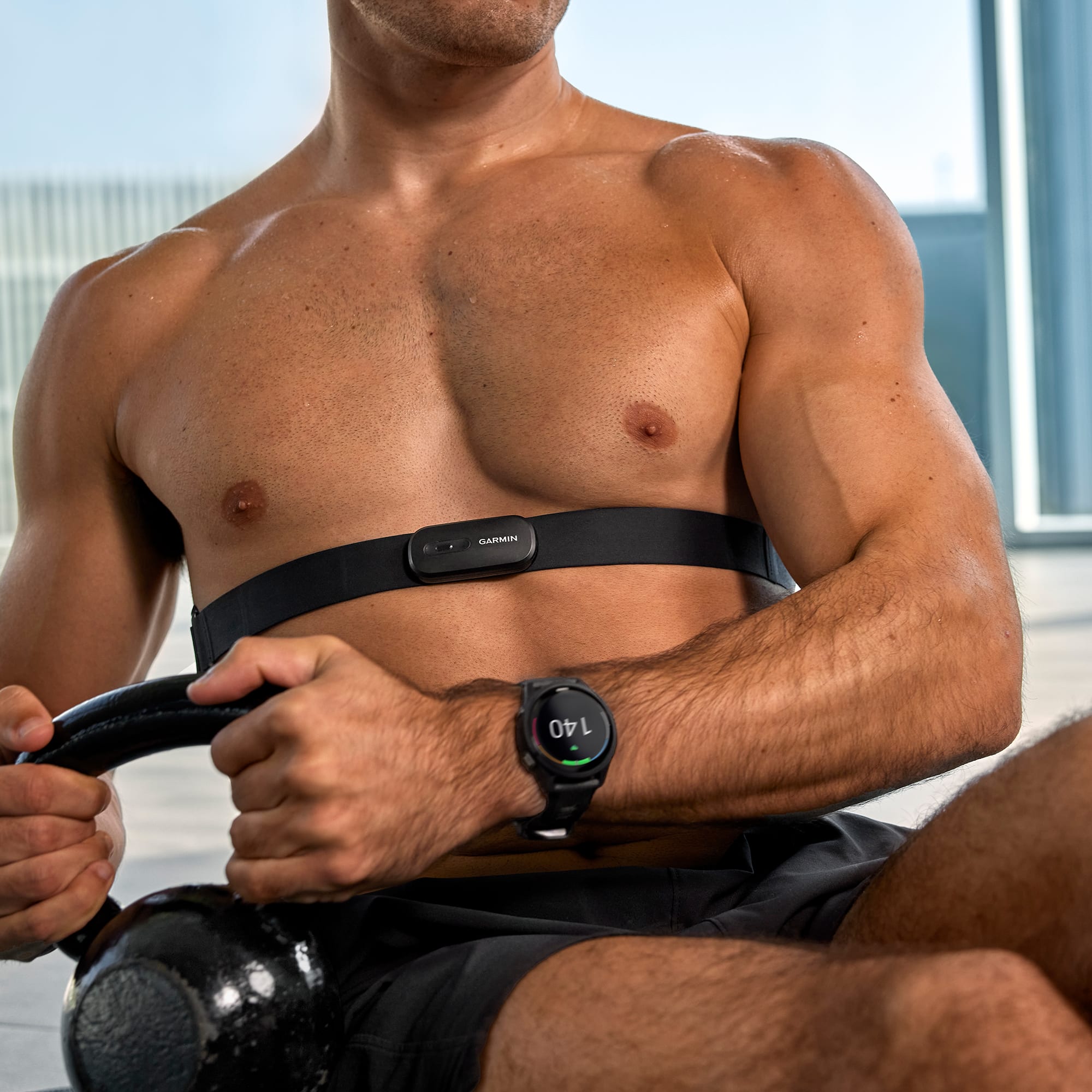
The Garmin HRM 200 is a 2026 chest strap that replaces the 6-year-old HRM-Dual. Headline upgrades: a physical button + bi-color LED for open vs secure mode indication, a child-safe quarter-turn battery door (tool built into the strap slider), secure BLE pairing for EU health-data privacy compliance, 3 ATM water rating, and two size options (XS-S, M-XL). Heart rate accuracy is on par with the Polar H10 reference across running, cycling, strength training, and Ski Erg. No onboard recording, no running dynamics. $79 USD ($20 premium over HRM-Dual).
Wahoo TICKR Fit Armband: Optical Heart Rate Without a Chest Strap
The Wahoo TICKR Fit is an optical arm-band HRM that pairs ANT+ and Bluetooth. Tested against the Polar H10 reference.
Polar H10: The $90 Reference Chest Strap With 99.6% Signal Quality
In a 5-activity study with 10 participants, the Polar H10 achieved 99.6% signal quality vs 94.6% for the Holter ECG monitor — the traditional medical reference. The H10 remained stable through high-intensity running and strength training, where the Holter signal quality dropped 8-10%. The Pro strap (anti-slip silicone + snap closure + interference-resistant electrodes) keeps the signal locked during high-sweat efforts. 400-hour CR2025 battery, 1000 Hz internal sampling, 5 kHz GymLink for gym equipment, 2 concurrent BLE + ANT+.
Fitbit Air: $99 for a Screen-less Fitness Band That Out-Whoops Whoop on Cardio Load
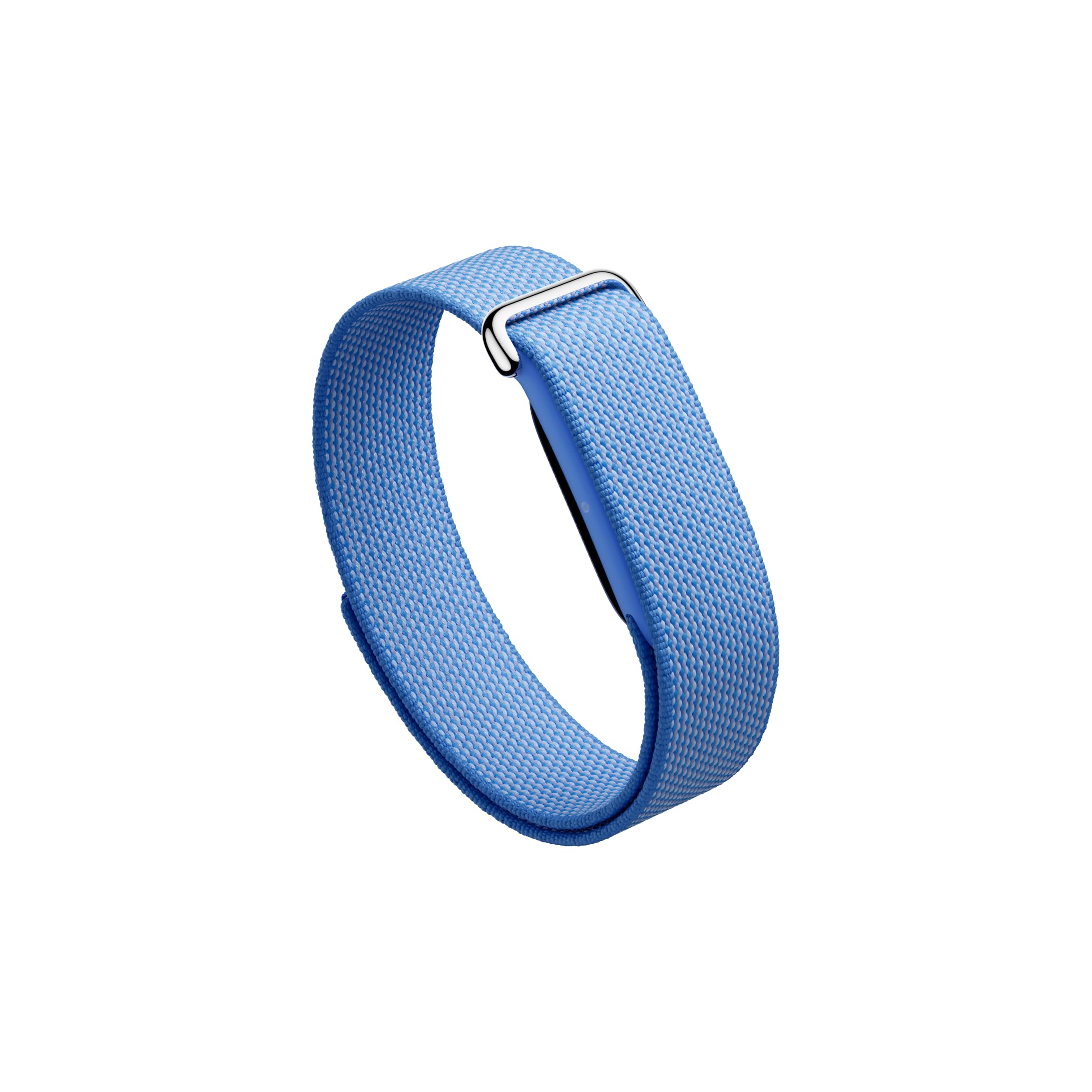
No screen, 7-day battery, 50m water rating, optical HR + SpO2 + skin temp + ECG-style AFib detection, magnetic Pebble core clips into a choice of three bands, $99 launch with no subscription required for core data. JoyVelo internal testing, 4 weeks, ~150 hours of wear.
Garmin HRM 600: $169.99 Rechargeable Premium Chest Strap
The Garmin HRM 600 is a premium ECG chest-strap HRM with rechargeable Li-ion (2 months at 1 hr/day), detachable sensor pod (machine-washable strap), step speed loss and ground contact balance, secure BLE pairing, and on-board activity recording. Matches Polar H10 within ±1 bpm. 5 ATM water rating. $169.99.
Verify with JoyAnalyze
Upload your heart-rate data to JoyAnalyze and sync Wahoo TICKR Fit Deep-Dive: 30-Hour Optical HRM Armband, Tested for 3 Months with a reference strap — drift curves, HR drift over time, and pairing latency analysis.
Open multi-file compare in JoyAnalyzeSee how this fits you
The Wahoo TICKR Fit Deep-Dive: 30-Hour Optical HRM Armband, Tested for 3 Months is one option. Run the JoyFit assessment to see whether it actually matches your body and riding style — or compare it side-by-side with the other Heart Rate Monitorsin our database.
Related Reviews
Fitbit Air: $99 for a Screen-less Fitness Band That Out-Whoops Whoop on Cardio Load
4.2 / 5
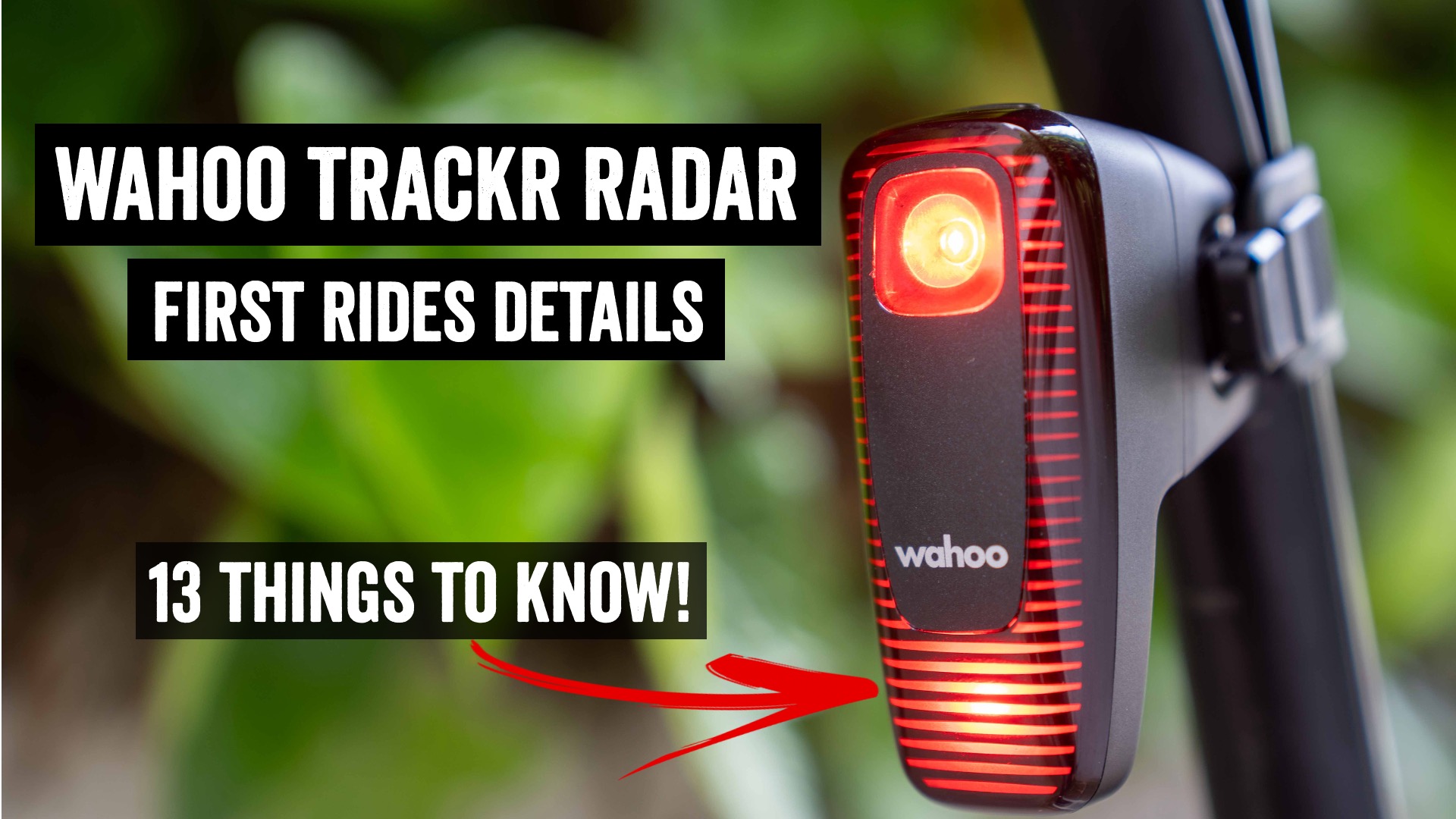
Wahoo TRACKR Radar: $199, USB-C, Zero False Negatives — But the Mount Locks You In
4.4 / 5
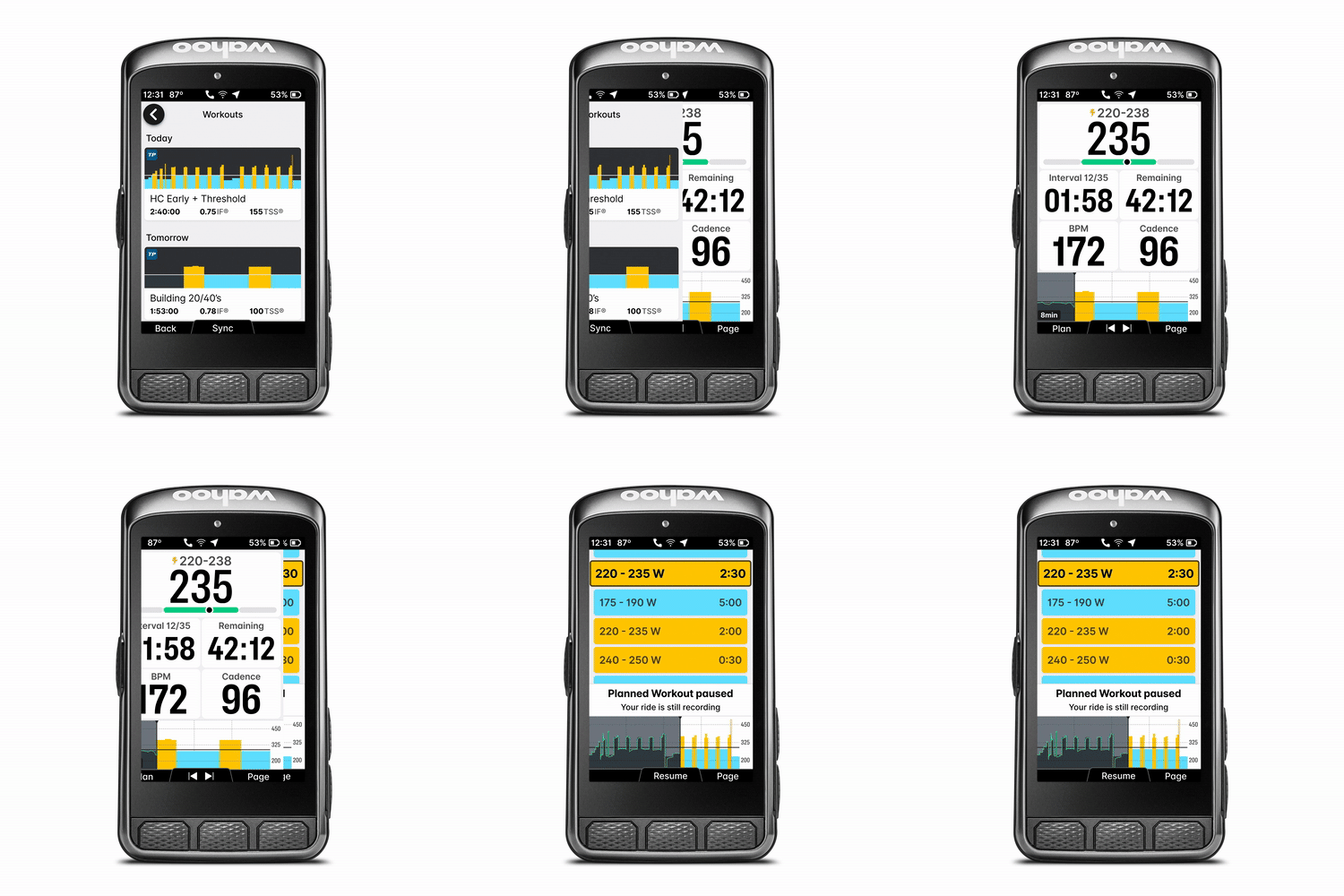
Wahoo ELEMNT Ace: 208g "Performance Beast" That Ships Half-Baked
2.8 / 5
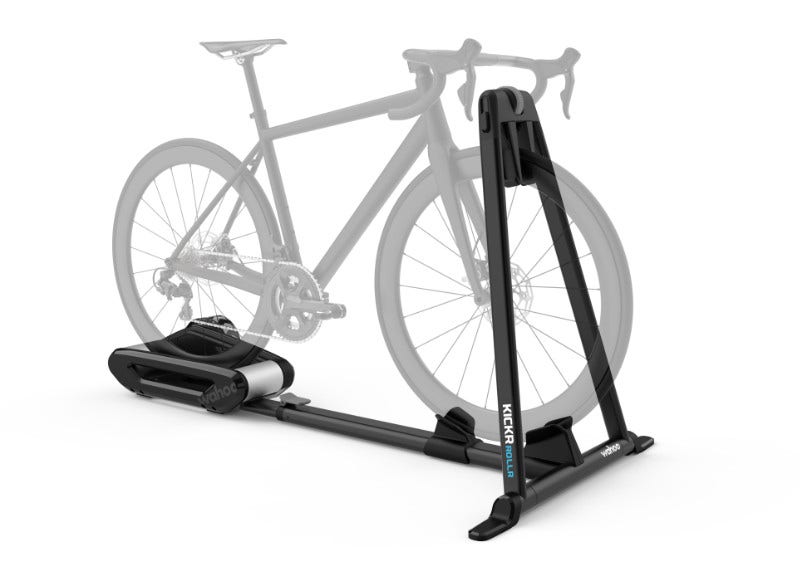
Wahoo KICKR ROLLR: The Wheel-On Smart Trainer With Native Power Estimation (2025 Firmware Update)
4.3 / 5
Garmin HRM 200: The $79 Future-Proof Chest Strap With Secure BLE + Child-Safe Battery Door
4.4 / 5
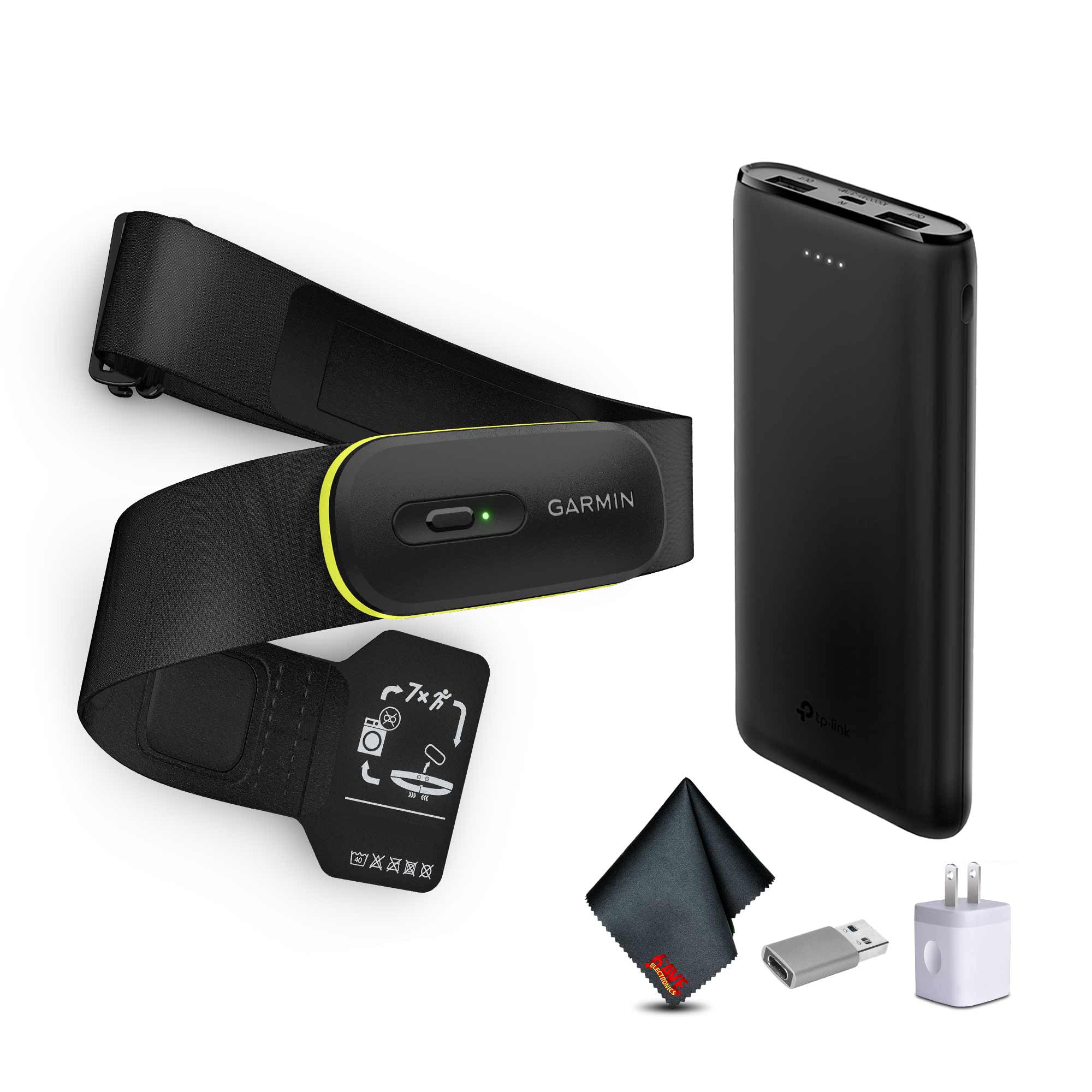
Garmin HRM 600: $169.99 Rechargeable Premium Chest Strap
4.7 / 5
Pro User Ratings
PROLoading…Log in to rate and comment
Log in →Comments
(0)Loading…